How The Grand blended French-inspired grandeur, modern technology and interactive activations to create an immersive guest experience
Celebrating 25 years is a milestone for any organization, but when a property like The Grand America Hotel marks the occasion, it does so with distinctive flair and an artistic touch. The result was more than a gathering. It was a space where the grandeur of French design blended thoughtfully with modern elements.
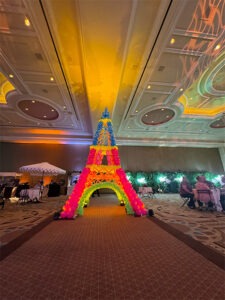
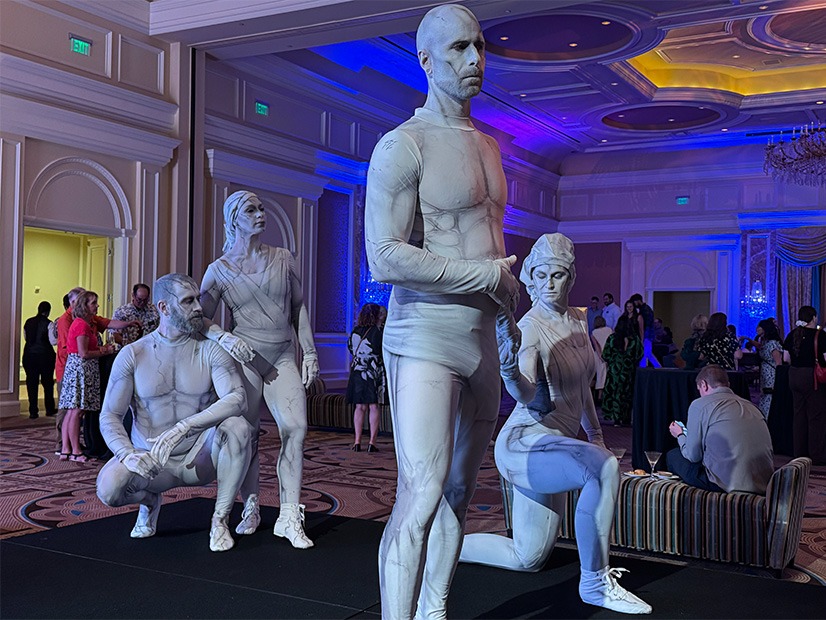
Smart Meetings attended the 25-Year Reverie at The Grand America Hotel in Salt Lake City, where guests were transported to a modern interpretation of 18th-century France. The experience featured a balloon Eiffel Tower, a mime, an accordion player, dancers in French court-inspired attire, portrait artists and food stations designed to evoke an open-air market.
Smart Meetings spoke with Jonathan Baker, senior sales manager at The Grand America Hotel, about how the vision was brought to life.
Smart Meetings What was the original creative vision for the 25-Year Reverie, and why were Versailles and 18th-century France chosen for the hotel’s anniversary celebration?
Jonathan Baker Our team is huge on experiential design. We don’t want to just design what an event looks like; we want to design what it feels like to be there. That was really the starting point for the Reverie.
For The Grand’s 25th anniversary, we didn’t want to have a traditional anniversary party. We wanted guests to walk in and immediately think, “What is happening here?” Versailles felt like the perfect starting point because it naturally connects to The Grand: the chandeliers, gilded mirrors, artwork, gardens and overall grandeur. But we never wanted to recreate Versailles. We wanted to reimagine it.
The concept became about showing that classical and modern can coexist. We could celebrate everything that has made The Grand iconic for 25 years while pairing it with LED technology, digital imagery, live art, unexpected performances and interactive experiences. It was about honoring where we’ve been while showing where we can go next.
SM How did you make all the different components feel cohesive?
JB Our team was really intentional about giving every element a reason to be there. We created different environments within the event and then thought about what guests would see, hear, taste and do in each one.
The living artwork belonged in Le Louvre Vivant, portrait artists were in the moodier Salon de Minuit, the mime and accordion player wandered through the Grand Marché and the Antoinette-inspired dancers were paired with a modern LED installation in the Grande Cour.
Some elements were classical, some were modern and some were just fun and unexpected. That contrast was actually the point. They were all different interpretations of the same world.
SM How did the culinary and event teams develop the French market concept?
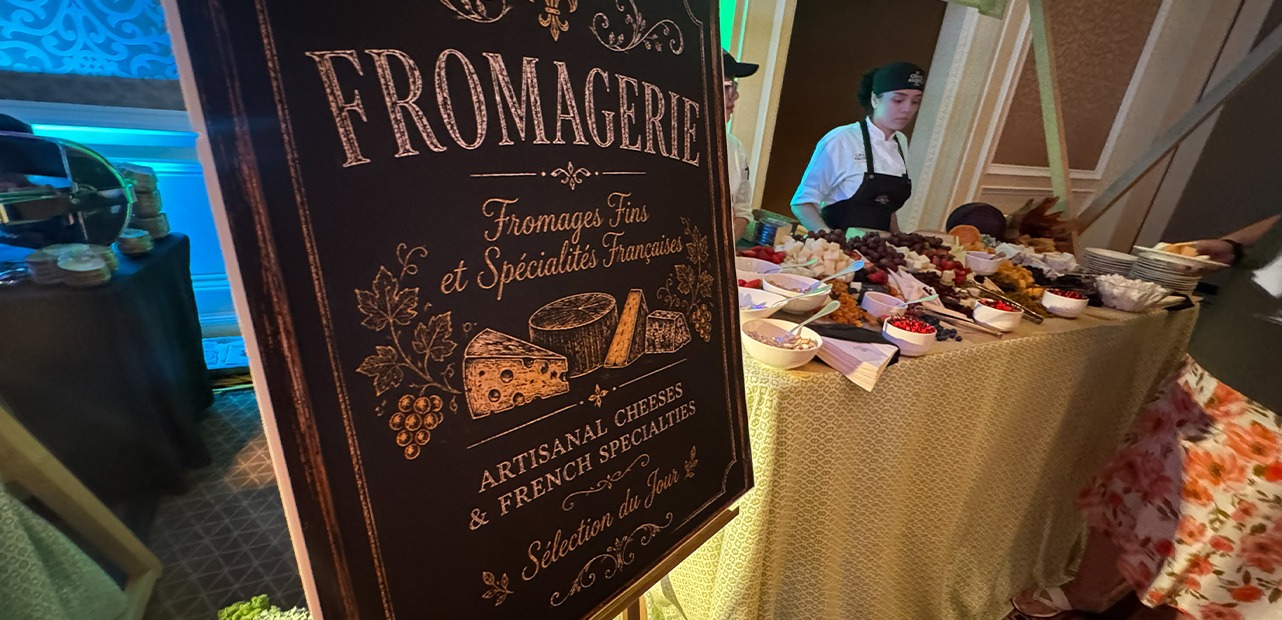
JB The Grand Marché was something our team envisioned pretty early. We didn’t want traditional hotel food stations. We wanted guests to feel like they were wandering through an open-air French market.
We created individual shops: the fromagerie, poissonnerie, boulangerie, crêperie, glacerie, bar à vin and fleuriste. We then worked with our culinary team to develop the food around those concepts.
The presentation was just as important as the menu. The colorful market stands, signage, packaging and made-to-order elements all helped make the food part of the experience rather than just something guests stopped to eat.
SM How did you select the dishes and made-to-order offerings?
JB It wasn’t meant to be a literal culinary tour of France. We were really thinking, “What would you want to discover while walking through our version of a French market?” Cheese, breads and pastries, crêpes, gelato and sorbet naturally fit, and then our chefs developed the individual dishes.
We also really wanted interaction. Watching your crêpe being made or receiving something packaged as though you picked it up at a market makes the food more memorable. Those little details are what turn food service into an experience.
SM How did you maintain food quality and accommodate dietary needs?
JB That’s where our culinary and banquet teams were such an important part of the execution. Instead of one large buffet, food was spread throughout the experience, which helped with guest flow and allowed the teams to replenish smaller quantities throughout the reception. Made-to-order items naturally stayed fresh, and the variety of stations gave guests options for different dietary needs and preferences.
SM What inspired the build-your-own bouquet station?
JB Once our team decided there was going to be a French market, we knew we wanted a fleuriste. Then we thought, “Why create all these beautiful flowers just for guests to look at?” So, we worked with the floral team at Botanica to turn it into a build-your-own bouquet experience. Guests chose their favorite stems, and the team wrapped them to take home. We loved that because it became three things at once: decor, an experience and a guest favor.
SM How did you make the flower station interactive while keeping it organized?
JB We knew it couldn’t be completely self-service with that many guests. The stems were prepared and displayed ahead of time, and Botanica team members helped guests make their selections and wrap their flowers. It still felt abundant and organic, but there was structure behind the scenes to keep everything moving.
SM How did you select the portrait artists and artistic style?
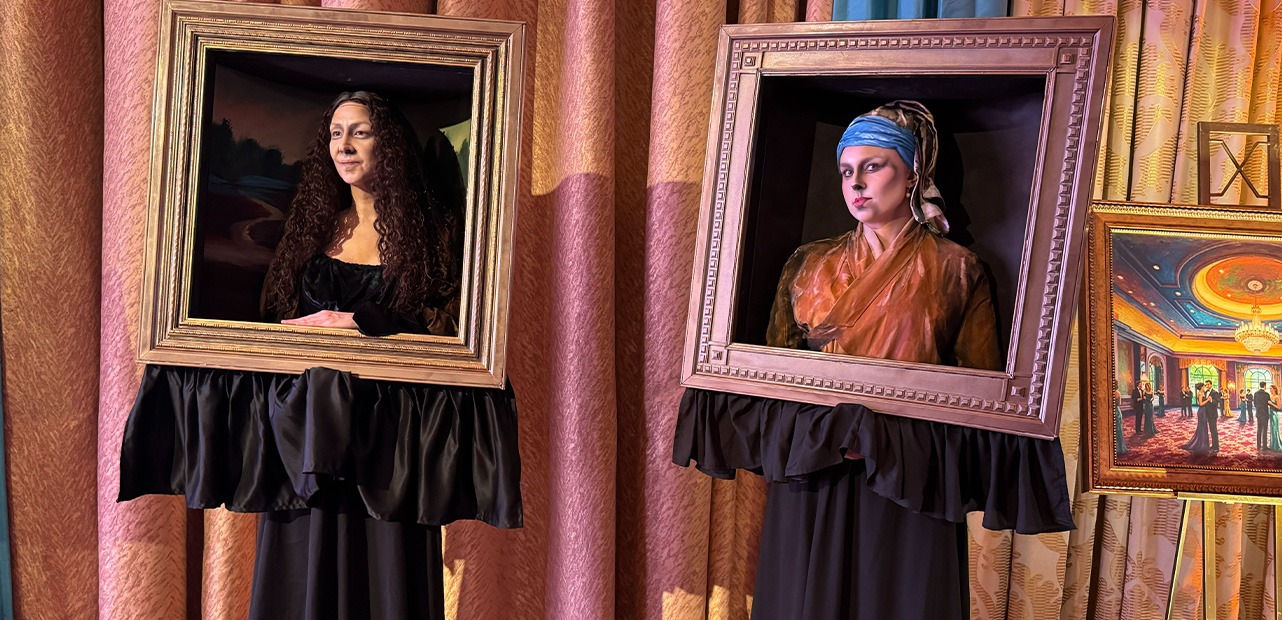
JB This came from wanting to play with the idea of art in different ways, but also from the history of portraiture and old drawing salons. When you think about 18th-century France, you think of these beautiful portraits of royalty and aristocracy and salons where artists, patrons and creatives would gather.
In Le Louvre Vivant, guests were watching artwork come alive. Then, in the Salon de Minuit, we wanted to take that old-world idea of sitting for a portrait and make it modern. Suddenly, the guests became the artwork.
We developed the portrait concept and worked with Voodoo Productions to find four artists who could create sketches quickly enough for an event environment. The stations themselves were also designed to feel like part of the installation, so it was really our modern interpretation of an old French drawing salon.
SM How did you manage timing and lines for the portrait artists?
JB We knew one artist wouldn’t be enough, so we had four artists working simultaneously at their own portrait stations. The style was intentionally something that could be completed relatively quickly. That helped with capacity and lines, but it also made the artists themselves part of the experience rather than having one separate portrait station tucked away somewhere.
SM How did the portrait artists and living artwork contribute differently?
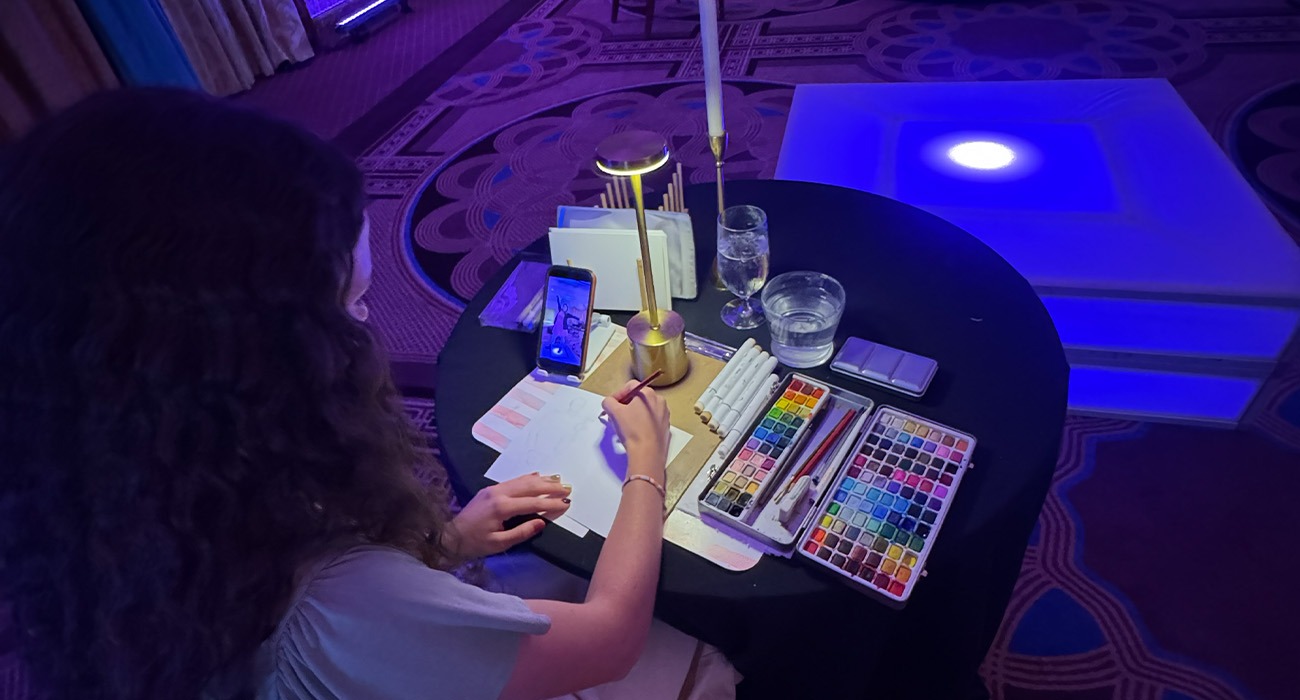
JB Le Louvre Vivant was about watching art come alive, while the Salon de Minuit was about becoming the artwork yourself. Both were inspired by traditional art experiences, museum galleries, royal portraiture and drawing salons, but we turned them into something interactive. That was really the theme throughout the Reverie: taking something rooted in the past and asking, “What could this look like now?”
SM How were the dancers, mime and musicians integrated into the environment?
JB We developed entertainment directions for each space and then worked with Voodoo Productions to bring it to life. We didn’t want performers who looked like they had just been hired and dropped into a ballroom. They needed to feel like they belonged there.
The mime and accordion player made sense in the market, the living masterpieces and acrobatic performers belonged in Le Louvre Vivant, and the Antoinette-inspired performers lived in the Grande Cour. The inspiration was 18th-century France, but it was never meant to be a historical reenactment. We could have fun with it.
SM What role did the LED screens and French-inspired imagery play?
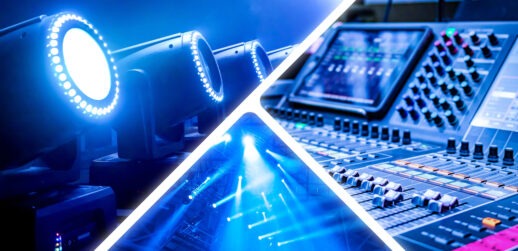
JB This was actually one of the most important pieces of the concept because it showed that classical and cutting-edge elements can coexist. We didn’t want to make The Grand feel modern by taking away the things that make it The Grand. Instead, we wanted to put something completely modern next to them.
We had gilded mirrors beside digital displays, traditional artwork alongside LED technology and Antoinette-inspired performers around a modern LED installation. To us, being modern doesn’t mean abandoning who you are. It means finding new ways for people to experience it.
SM How did you approach the ballroom layout and guest flow?
JB Our team wanted people to explore. There wasn’t supposed to be one main attraction where everyone gathered. Food, bars, entertainment and activations were intentionally spread throughout the different spaces, so guests always had another reason to keep moving.
You could see living artwork, have your portrait drawn, wander through the market, make a bouquet, grab a drink, sit in the garden and suddenly come across a performance. That’s really why we called it a Reverie. We wanted it to feel a little dreamlike, as though you weren’t quite sure what you were going to discover next.
SM Which elements could other planners adapt for different group sizes and budgets?
JB Almost all of them. You don’t need seven market stands; do three really great ones. You don’t need four portrait artists; have one. A flower bar can have 100 stems instead of 500.
Experiential design doesn’t have to mean spending a fortune. It’s about being intentional. We would rather see three really thoughtful things that all connect than 15 expensive things that don’t.
SM What was the most challenging element to execute, and what did you learn?
JB The hardest part was taking something that existed completely in our heads and figuring out how to physically build it. We could see how all these completely different pieces worked together long before anyone else could see them. Then it became hundreds of decisions: audiovisual equipment, rentals, performers, lighting, food, florals, timing, guest flow and determining who was responsible for each piece.
We were lucky to have our hotel teams and some really talented outside partners who helped us bring it to life. The biggest thing we learned is that being the creative doesn’t mean doing every piece yourself. It means having a clear enough vision that dozens of people can work on completely different things and, when it all comes together, it still feels like it came from one imagination.
That really goes back to why we love experiential design. We’re not just thinking about what guests are looking at. We’re thinking about what they’re discovering, what they’re interacting with, how they feel in the space and what they’re going to talk about afterward.
That’s what we wanted the Reverie to be: a celebration of 25 years of The Grand that honored its history without living in the past.