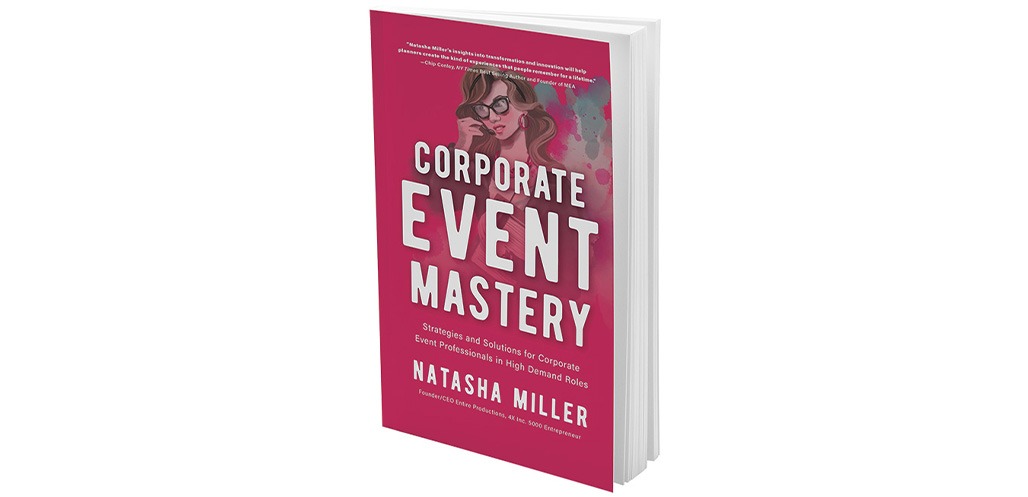
If you’ve ever wondered what separates a good corporate event from a truly great one, Natasha Miller has answers that feel like a conversation with a trusted mentor. In Corporate Event Mastery, Miller shares practical insights that go beyond décor and catering, diving into what really makes an event shine—clear objectives, thoughtful strategy, and a roadmap that brings it all together.
Her approach reminds us that success starts long before the big day. By aligning event goals with a company’s broader mission, planners can create experiences that not only impress but also prove their value in meaningful ways. Whether you’re looking to boost employee morale, build client relationships, or make a case for a bigger budget next year, this book offers the tools to position yourself as a strategic asset to your organization.
Miller shared an excerpt from the first chapter of Corporate Event Mastery with Smart Meetings, so read on for a taste of top-tier advice.
Excerpt from Corporate Event Mastery: The Foundation of Event Success
Successful event planning starts long before the day of the event—it begins by defining clear objectives that align with your company’s broader goals. Whether your event is designed to boost employee engagement, showcase a product, or build relationships with clients, knowing exactly what you aim to achieve will guide every decision along the way. Without clear objectives, even the best-executed event risks falling short of expectations.
Developing a comprehensive strategy to demonstrate proof of value to your stakeholders serves multiple purposes. It showcases your elevated level of professionalism and highlights the return on the time and financial resources invested in the event. It can even justify increased budgets for future initiatives. The ability to clearly prove the value of your events makes you a strategic asset to your organization—providing you with greater support, trust, and resources for future efforts.

“A strategic roadmap provides the structure and sequence required to achieve your event objectives.”
– Natasha Miller
Defining Clear Objectives and Aligning Them with Company Goals
The first step in planning any event is asking a simple but powerful question: What does success look like? Your answer should be specific, measurable, and directly aligned with your company’s overall goals. It’s not enough to say you want to host a “great event” or “impress attendees.” You must define what success means in concrete terms.
Steps to Define Clear Objectives:
-
Start with the end in mind: Identify the broader corporate goals the event should support.
-
Be specific: Instead of vague goals like “engage employees,” aim for measurable objectives such as “increase employee satisfaction scores by 10%.”
-
Consult key stakeholders: Ensure leadership and other relevant departments agree on the event’s objectives to keep everyone aligned.
Once your objectives are defined, the next step is building a strategic roadmap to bring them to life.
Building a Strategic Roadmap for Successful Events
A strategic roadmap provides the structure and sequence required to achieve your event objectives. This roadmap isn’t just about logistics: it’s a comprehensive plan that outlines the key milestones, timelines, and resources required to make your event successful. It helps your team stay organized and ensures that all efforts are working toward clearly defined objectives. Below are the key elements of a strategic event roadmap:
-
Milestones and deadlines: Identify key decisions and deadlines, such as vendor selection, budget approvals, and content production schedules.
-
Resource allocation: Assign the appropriate budget and personnel to each phase of the event, ensuring you have the necessary resources to meet your objectives.
-
Stakeholder communication: Regular check-ins with executives, sponsors, and department leads keep everyone informed and aligned.
-
Risk management plan: Identify potential obstacles and establish contingency plans for vendor issues, weather disruptions, or unexpected budget constraints.
-
Post-event analysis: Establish a framework to collect data and feedback, measuring success against your initial objectives.
Excerpt from Corporate Event Mastery©, Natasha Miller, 2025, Luminary, a Poignant Press imprint
This article appears in the July/August 2025 issue. You can subscribe to the magazine here.