Island destinations such as the Caribbean and Hawai‘i are proving their value goes far beyond beautiful beaches
There is a reason why island destinations continue to dominate incentive travel wish lists year after year. Beyond the obvious appeal of ocean views and warm weather, islands offer the ability to create experiences that feel emotionally meaningful and genuinely rewarding, something increasingly valuable in today’s meetings landscape.
For attendees navigating packed schedules, constant connectivity and growing workplace pressures, island meetings and incentive programs create an opportunity to disconnect from routine while reconnecting with colleagues, partners and loved ones in a more intentional way. For planners and organizations, that emotional response is becoming a major driver behind destination selection.
According to the Incentive Research Foundation’s 2024 Attendee Preferences for Incentive Travel study, beaches and sunshine remain the top preferred destination features among attendees, appearing in the top three rankings 56% of the time. The data also revealed increased popularity across several experience categories, including beach and sunshine destinations, adventure travel and mountain destinations. Hawai‘i and Caribbean destinations ranked especially high among attendees who were asked which destinations they would recommend based on previous incentive travel experiences.
“North American incentive programs have gone to the Caribbean, Mexico and Hawai‘i for years, and the interest just keeps growing. The Incentive Travel Index reports that programs frequently return, and the use of these island destinations continues to increase as new luxury properties open and activity options are introduced,” said Stephanie Harris, president of the Incentive Research Foundation.
From the Caribbean to Hawai‘i and beyond, island destinations are continuing to evolve to meet the expectations of attendees who increasingly prioritize flexibility, personalization and elevated experiences.
At the same time, incentive travel itself is shifting. Today’s attendees are not simply looking for luxury accommodations or polished receptions. They are seeking experiences that feel memorable, emotionally resonant and worth working toward. Island destinations, with their combination of natural beauty, slower pace and experiential opportunities, are uniquely positioned to deliver exactly that.
Why Islands Continue to Win
Island destinations have long benefited from strong emotional associations. They represent reward and relaxation in a way few other destination types can replicate. But the continued growth of island meetings and incentives is not based on emotion alone. Increasingly, planners are selecting these destinations because they align with what attendees actually want from travel experiences today.
“Today’s attendees are not simply looking for luxury accommodations or polished receptions. They are seeking experiences that feel memorable, emotionally resonant and worth working toward.”
“Luxury and a lack of friction matter,” Harris said. “The top destination ‘must haves’ reported in the Incentive Travel Index were direct air access and top-tier accommodations, and planners noted the importance of a good DMC. Leadership also places an emphasis on attendee preferences and the motivational appeal of the destination. For channel partner programs, they are also considering where competitors are taking their top performers and really looking to maximize the luxury experience.”
That balance between aspirational and accessible has become increasingly important. Island destinations that succeed today are not simply beautiful. They are also easy to navigate, well-equipped for meetings and capable of delivering high-end experiences without creating logistical headaches for attendees or planners.
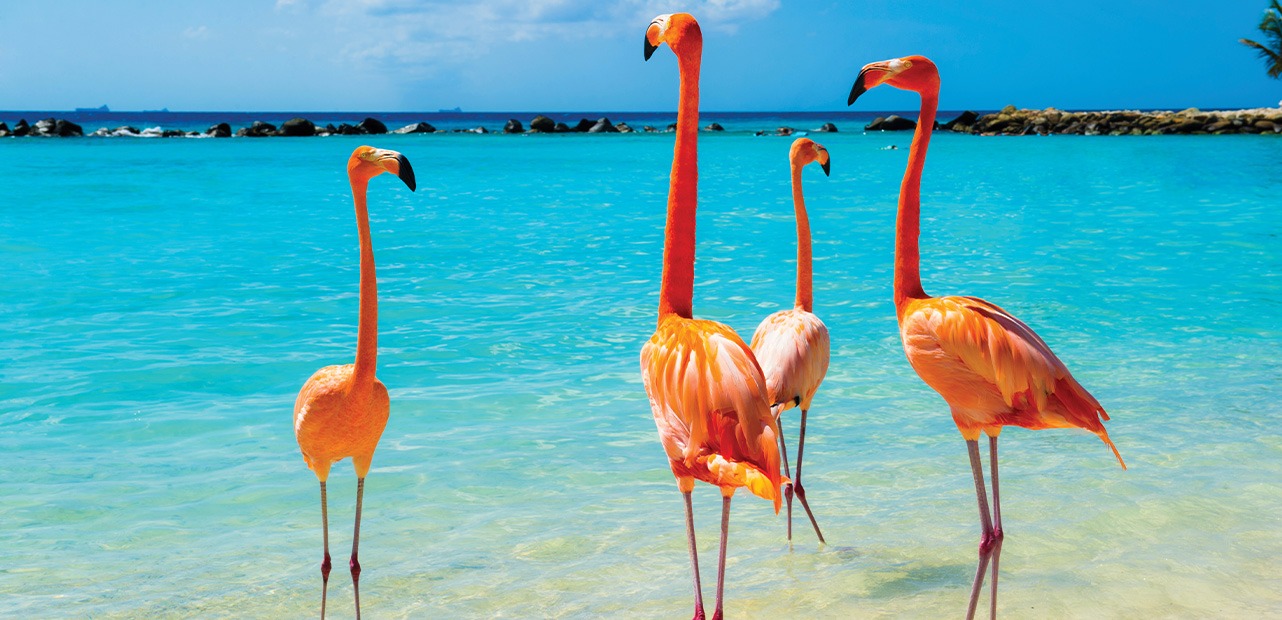
In Aruba, for example, planners are drawn to the destination’s accessibility, reliable weather and compact resort areas that allow attendees to move seamlessly between meetings, dining experiences and offsite activities. The destination’s walkability and strong hospitality infrastructure help reduce the sense of friction attendees often experience during larger meetings or incentive programs.
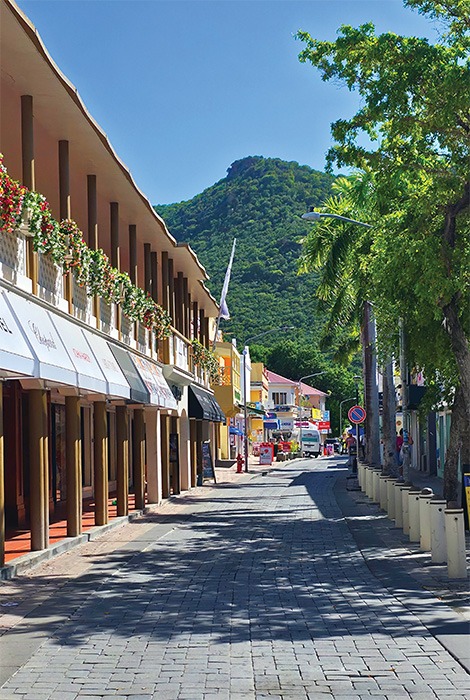
Meanwhile, St. Maarten offers a distinctly international feel that appeals to groups seeking something more globally inspired without requiring extensive long-haul travel. The island’s blend of Dutch and French influences creates opportunities for culturally immersive experiences, while its marina settings, beach clubs and luxury resorts provide the elevated atmosphere many incentive programs seek.
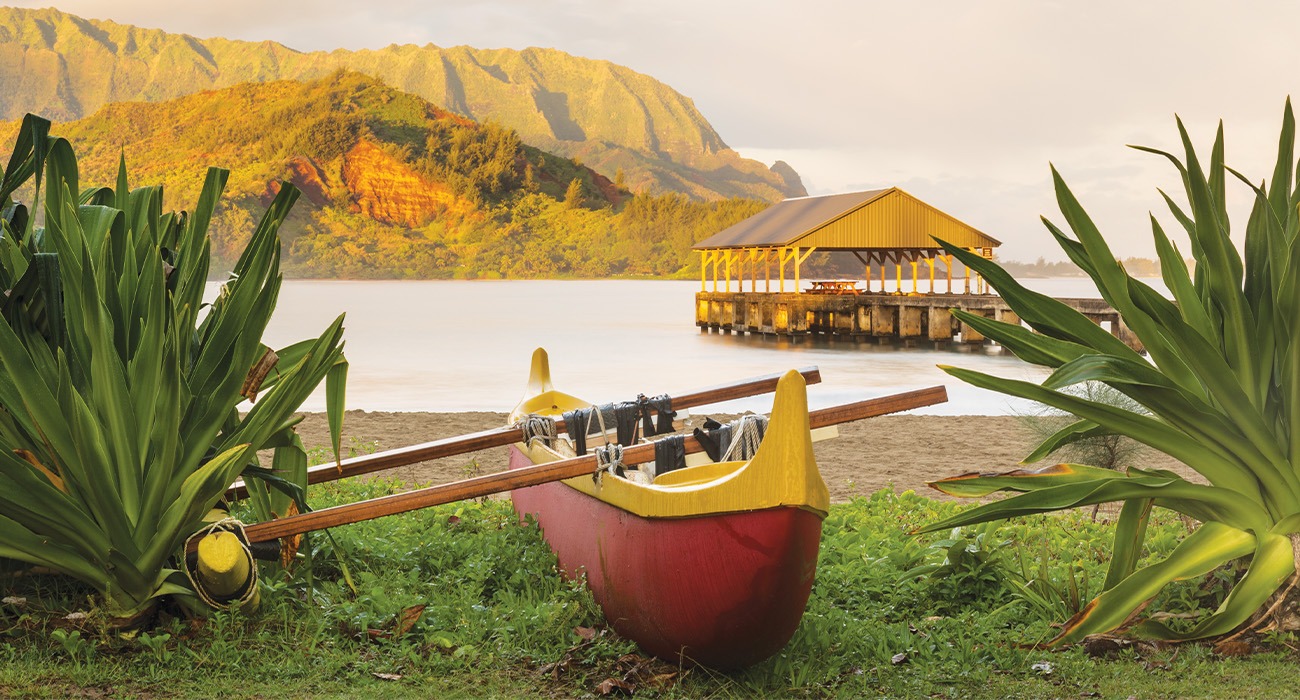
Hawai‘i, of course, continues to occupy a category entirely its own within the incentive space. According to IRF attendee data, Hawai‘i was recommended by 95% of attendees surveyed, making it one of the highest-performing destinations in the study. The Caribbean followed closely behind at 89%.
The continued popularity of Hawai‘i reflects both familiarity and aspiration. For many attendees, Hawai‘i represents a bucket-list destination that still feels approachable and emotionally meaningful. The destination offers luxury accommodations and strong meeting infrastructure while also providing attendees with the emotional appeal associated with nature, wellness and escape.
The meeting industry’s continued investment in these destinations is also reflected in booking trends. According to the data shared in 2024 IRF materials, “Cvent bookings continue to trend toward Mexico and the Caribbean….Nine of the top ten booking destinations are in Mexico or the Caribbean. Playa Del Carmen, Nassau and San Jose del Cabo remain the top three booked destinations for the third year in a row.”
Those trends suggest that while planners continue to explore emerging destinations, there is still enormous confidence in island destinations that consistently deliver strong attendee satisfaction.
Emotional ROI Takes Center Stage
As organizations continue to evaluate the value of incentive travel programs, emotional impact is becoming a more significant part of the conversation.
Incentive travel is no longer viewed solely as a reward mechanism. Increasingly, organizations are using these programs to drive loyalty, strengthen relationships and create experiences attendees remember long after the program ends.
That emotional connection is part of what makes island destinations particularly effective.
“Sharing the experience with a loved one is a top driver of a positive incentive experience,” Harris said. “In our Attendee Preferences survey, 76% of attendees said they wanted to bring a guest. When incentive travel is a ‘once in a lifetime’ or bucket-list experience, bringing a guest increases emotional impact and perceived value of the trip. It also ties directly to motivation. When the spouse feels rewarded in this way, they are more likely to encourage the employee to go the extra mile at work to reach the goals and qualify for the next trip.”
That insight highlights how incentive travel has expanded beyond the attendee alone. Increasingly, organizations recognize that these programs often impact families, partners and personal relationships as well.
Island destinations naturally support that dynamic because they appeal to both structured group programming and individual leisure experiences. Attendees may participate in daytime meetings or organized excursions before spending evenings exploring waterfront dining, local culture or wellness experiences with a guest.
That balance between organized programming and personal freedom has become increasingly valuable.
“Attendees want flexibility for downtime, to explore on their own, to exercise or even to take a nap,” Harris said. “This unstructured time is also an opportunity for the attendees to experience the property and destination on their own terms.”
The ability to personalize the experience helps attendees feel less like participants moving through a rigid schedule and more like travelers engaging meaningfully with a destination.
In Hawai‘i, that personalization may look like attendees choosing between surfing lessons, wellness treatments, hiking excursions or simply spending uninterrupted time by the water. Aruba’s compact geography makes independent exploration especially easy, allowing attendees to comfortably move beyond the resort environment. In St. Maarten, attendees can spend free time exploring both the Dutch and French sides of the island, creating a dual-destination feel within a single program.
Those opportunities for autonomy are increasingly important as attendees place greater value on flexibility and work-life balance.
The Rise of Bleisure Extensions
One of the strongest indicators of attendee enthusiasm may be what happens after the official program ends.
According to the Attendee Preferences study, 66% of recent winners extended their North American incentive trips, while 70% extended their international incentive trips. Those numbers reinforce a broader trend toward bleisure travel, particularly in destinations where attendees already feel emotionally invested in the experience.
Island destinations are especially well-positioned to benefit from this behavior because they naturally lend themselves to additional leisure time. Rather than rushing home immediately after a program concludes, attendees are increasingly choosing to add personal vacation days, invite family members or extend their stays for relaxation and exploration.
For planners, that trend creates opportunities to rethink how programs are structured. Rather than filling itineraries with nonstop programming, many organizations are shifting toward schedules that intentionally leave room for flexibility and self-guided exploration. That does not mean group experiences are becoming less important. In fact, Harris noted that relationship-building activities remain central to successful programs.
“The Incentive Travel Index tells us that group activities are very important,” Harris said. “The top activities for a successful program are group cultural sightseeing experiences, group dining experiences and activities that promote relationship building.”
Island destinations offer an ideal backdrop for those experiences because the environment itself often encourages interaction in a more organic way. Outdoor dinners, sunset catamaran cruises, beachfront receptions and cultural excursions create opportunities for attendees to connect outside of traditional ballroom settings. The pace of island destinations also tends to encourage more relaxed networking and conversation.
At the same time, attendees still value moments of solitude and recovery.
“Attendees also need a break from all that togetherness, putting free time at the top of the [priority] list,” Harris said.
That insight may be one of the most important shifts happening within incentive travel today. While connection remains central, attendees are increasingly prioritizing balance. They want opportunities to socialize and network, but they also want time to recharge, explore independently and engage with the destination in a personal way. Island destinations naturally support both needs simultaneously.
As incentive travel continues to evolve, island destinations appear poised to remain at the center of the conversation. Part of that continued momentum stems from consistency. Destinations like Hawai‘i, Aruba and St. Maarten continue to deliver the elements attendees and planners value most, such as strong hospitality infrastructure, memorable experiences, luxury accommodations and emotional appeal.
But their continued success also reflects broader shifts in what attendees expect from travel itself. Today’s incentive attendees are increasingly looking for experiences that feel meaningful rather than overly programmed, luxurious without feeling inaccessible and restorative without sacrificing opportunities for connection.
Island destinations check each of those boxes. Whether attendees are snorkeling, exploring waterfront experiences or diving into a wide range of other sun-soaked itinerary stops, these destinations create opportunities for attendees to engage more intentionally and create memories that extend beyond the formal structure of the meeting itself.
As organizations continue investing in experiences designed to motivate and retain top performers, island destinations are proving their value is not simply about escape. Increasingly, they are becoming strategic tools for creating loyalty, strengthening relationships and delivering the kinds of emotionally resonant experiences attendees increasingly value most.
This article appears in the May/June 2026 issue. You can subscribe to the magazine here.