How declining drinking habits impact event costs
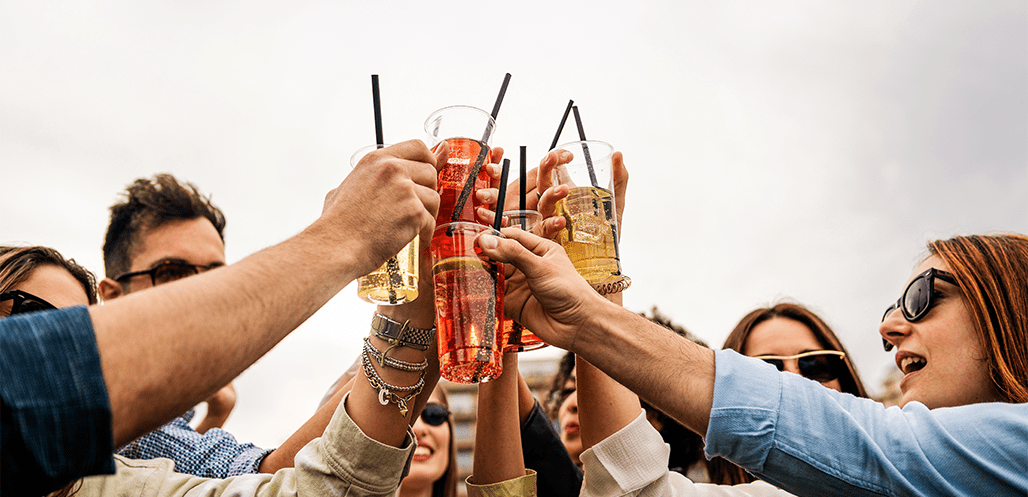
Walk into almost any reception today and you will notice something different. Glasses of wine and cocktails are still there, but fewer people are reaching for them. Guests are just as likely to be sipping sparkling water or a thoughtfully crafted alcohol-free drink. That shift matters. It matters for your attendees, for inclusivity and for your budget.
Gallup recently reported that only 54% of U.S. adults say they drink alcohol, the lowest level since Gallup began tracking in 1939. Just as important, for the first time, a majority of Americans, 53%, now believe that even moderate drinking is harmful. The average number of drinks per week has also dropped, and only about a quarter of drinkers had consumed alcohol in the previous 24 hours. These are not fringe statistics. They represent a fundamental cultural shift that directly affects planning and budgeting events.
Read More: Is Your Event Inclusive? Why Non-Alcoholic Drinks Matter Year-Round
For decades, the open bar has been a default line item, almost a badge of hospitality. But if half of your attendees are not drinking, does that spend still make sense? Alcohol service is expensive, not only because of the product itself but also because of staffing, liability and the add-on costs that accumulate. Every dollar tied up in alcohol is a dollar not available for wellness-forward options, higher-quality meals or meaningful engagement opportunities. As an event professional and a business professional, you need to be watching these trends closely. Participant behavior impacts not just your budget, but also the value and impact your event delivers to the organization at large.
But serving fewer alcoholic drinks is only part of the picture. What we call the alternatives matters too. Recently, I sparked a lively discussion on LinkedIn about the word “mocktail.” The comments revealed just how divided the room can be. One person shared, “Alt-Tail is a popular one for me.” Another admitted, “Eh, I like mocktail!” A third weighed in with, “Oh, I like soft cocktail.” Someone else added nuance, pointing out that younger generations may be driving this trend and are more sensitive to the connotations of “mock.” Another participant cut through with humor: “If I said ‘botanical elixir,’ I’d throw myself out of the bar.”
Beyond the laughs, there is a serious point here. Language shapes perception. “Mock” can imply fake or second-rate, which is not what we want when we are trying to create inclusive experiences. One comment captured the heart of the matter: “Not everyone drinks, and it’s great to be able to offer them something other than water, pop or juice.” When attendees see thought put into alcohol-free offerings, they feel seen and valued.
This is not just semantics. Think about how often a single word sets the tone for an entire guest experience. Calling something an “alternative cocktail” versus a “mocktail” can change whether someone feels proud to order it or hesitant. As planners, our job is to create environments where people connect, feel comfortable and engage. That requires attention to both the hard numbers and the soft signals.
Read More: Don’t Call Them Mocktails
So how do we bring this all together? The data tells us alcohol consumption is declining. The budget case is clear: Reduce or rethink the open bar and free up funds for options that benefit everyone. The community conversation tells us that the words we use matter just as much as the drinks we serve. When we align these two perspectives, we deliver events that feel modern, inclusive and financially responsible.
I believe the future of event beverages will look very different. Imagine a welcome reception where the alcohol-free station is as dynamic as the cocktail bar, where guests do not feel like outsiders for skipping a drink and where budget decisions reflect both fiscal responsibility and cultural inclusivity. The planners who get this right will not only save money but also strengthen the sense of belonging and wellness that every event should deliver.
The choice is in front of us. People are drinking less. The budget opportunity is real. The language we use will shape the experience. Let’s embrace the change and lead the industry toward events that are more inclusive, more intentional and more sustainable.

—
David T Stevens, co-founder of Olympian Meeting and 6x Fittest #EventProf, champions holistic, sustainable and joyful events that put people first.
This article appears in the September 2025 and September/October 2025 issues. You can subscribe to the magazine here.