Animatic Media founder shares a harrowing (and inspiring) tale
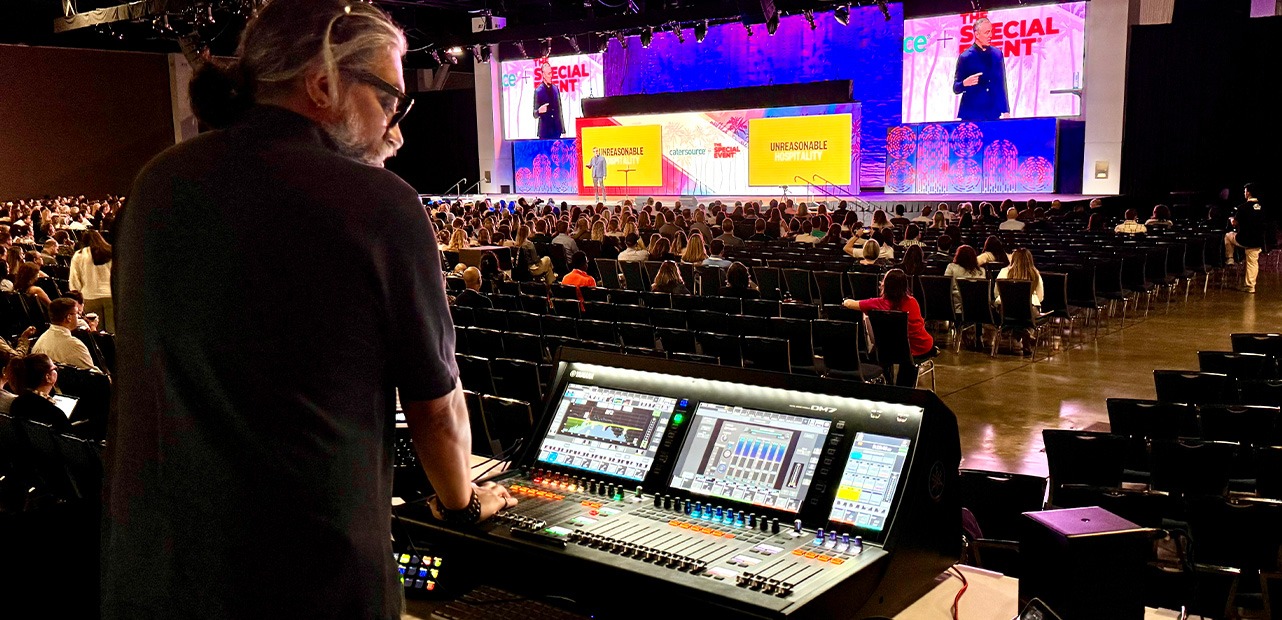
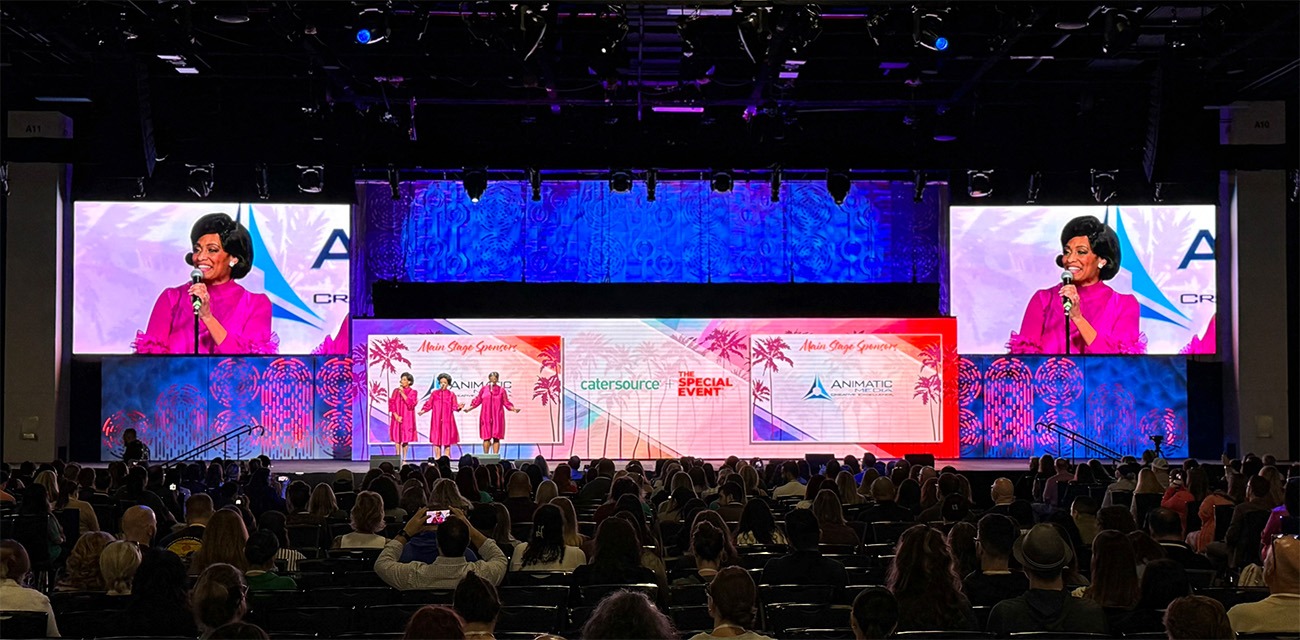
When attendees walked into the Main Stage for the Opening General Session at this year’s Catersource + Special Event Show, they saw glitz, glamour and the seamless execution that months of planning were meant to deliver. What they didn’t see was the chaos that had unfolded just 48 hours before load-in.
In the middle of the night, I got a call no producer ever wants to receive: Our truck—packed with millions of dollars’ worth of video, audio, lighting and computer gear bound for Fort Lauderdale—had been in a terrible highway accident in Mississippi. The driver survived with broken ribs and a leg that would need surgery. But our equipment was scattered across the interstate.
I’ve been producing events for more than three decades, and I can’t remember a time my stomach was in such knots. Beyond concern for our driver, I knew the stakes were enormous. This wasn’t just any general session—it was for thousands of event professionals, perhaps the most discerning audience imaginable, all about to see a show with Animatic Media’s name front and center. The clock was ticking, and our show was on the line.
My mind went into overdrive. Checklists. Priorities. Contingency plans. All firing at once in what felt like twenty minutes of thought compressed into thirty seconds. To make matters worse, we were scheduled to head straight to Orlando after this event to produce another conference using much of the same gear.
As my teammate on the other end of the line kept talking, his voice slowly came back into focus—like surfacing after being underwater. That’s when it hit me: Our team was already on it. Before I’d even processed the crisis, they had solved 80% of the problem. The remaining 20%? I knew we’d overcome it together.
Read More: Close Calls: Managing Disruption from Both Sides
And then another thought crept in—this was the same event where I was being honored with a Lifetime Achievement Award. The irony wasn’t lost on me. Here I was, supposed to be celebrated for decades of major productions, while praying we could even get this one on its feet.
The mission was clear: source replacement gear—fast. We tapped into every reliable contact we had: vendors, partners, even friendly competitors. Piece by piece, we rebuilt what we’d lost. Thanks to the deep network and trust our team had earned over the years, we found nearly everything we needed in time.
I didn’t share with our client what had happened. Not out of secrecy, but out of confidence. I didn’t want to worry them unless I had to. Sure enough, a day later, I received a text from my client. It’s a small world, and it was a big event. My client said that they’d heard about the accident and hoped everything was okay. By that point, it was. The show would go on.
Normally, my philosophy is simple: When something goes wrong, be transparent with the client. Explain the problem, outline the solution and manage expectations. But in this case, I knew our team had it under control—and I couldn’t have been prouder of that.
Throughout the show, people approached me after hearing whispers about the accident. I showed them a few pictures and told them what happened. Almost everyone said, “You should share this story with the audience.”
At first, I hesitated. But after thinking it over, I realized they were right. During my Lifetime Achievement acceptance speech, I decided to tell it.
We’ve seen an influx of new professionals in this industry since the pandemic, and I wanted them to understand something important: No matter how long you’ve been doing this, things will go wrong. It’s not about avoiding disaster—it’s about how you respond. You can’t plan for every scenario, but you can prepare by surrounding yourself with the right people.
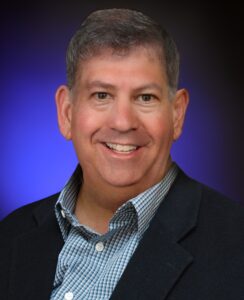
That week, I received a lot of praise for “pulling it off,” but the truth is, I was the least important person in the recovery. My job was simply to bring together great people and trust them to do what they do best.
“It’s not about avoiding disaster—it’s about how you respond. You can’t plan for every scenario, but you can prepare by surrounding yourself with the right people.”
I am endlessly grateful to my team—not only for salvaging what could have been a disaster, but for turning it into one of our proudest moments. And in front of the toughest audience in our industry, they reminded everyone—including me—that the show truly can, and must, go on.
This article appears in the November/December 2025 issue. You can subscribe to the magazine here.