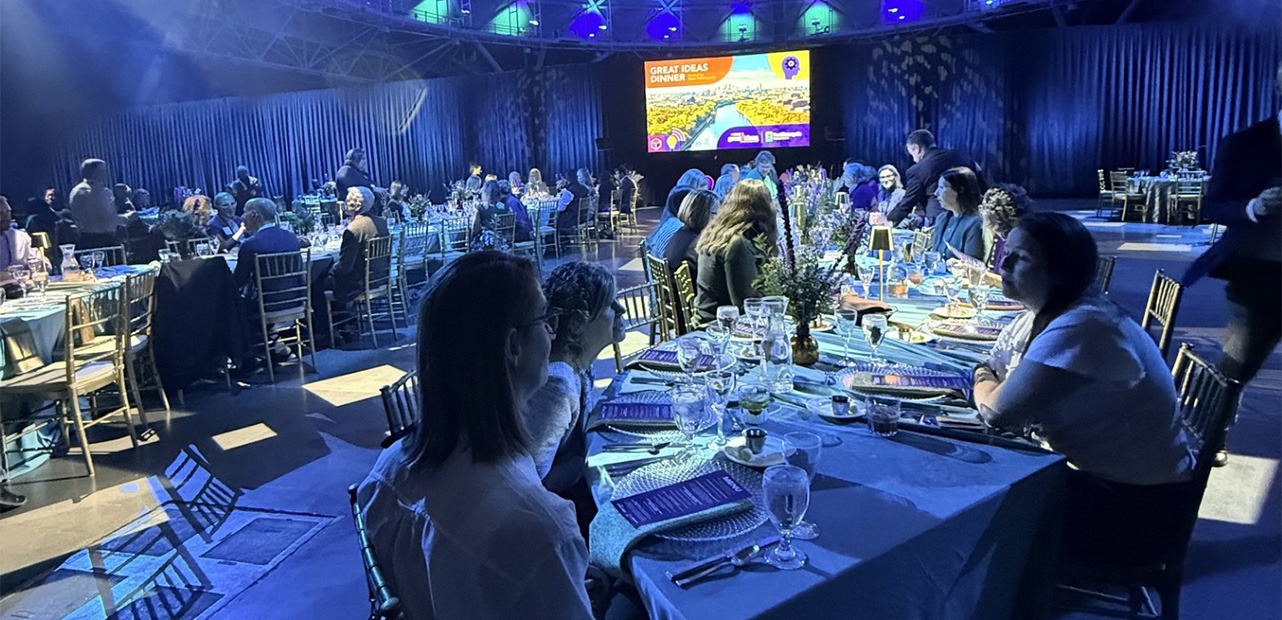
Failure is fuel. That was the message resonating in Mill City Ballroom at Sheraton Minneapolis Downtown Convention Center following the return of ASAE Great Ideas Conference after a six-year hiatus.
Deanna Singh, chief change agent of Flying Elephant, challenged the crowd to share their “failsume,” showing all the hard times that brought them to this destination rather than a summary of just the high points on their resume journey.
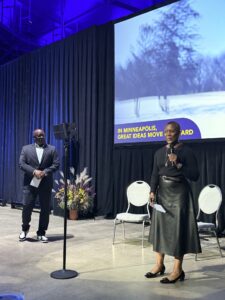
The present moment requires the courage to try things, fail fast, figure out what worked and what was learned. “Failure is a universal part of the human experience,” she said. It turns out making mistakes is essential to growth.
From the first tentative steps of a toddler to asking ChatGPT to build an event website, everyone has to crawl at some point or they will never advance. This event was dedicated to celebrating the messy experiments instead of hiding them under the high-boy tablecloth to focus on the pretty centerpiece that came at the end. By embracing failing forward, Great Ideas Conference normalized considered innovation.
Real-World Examples
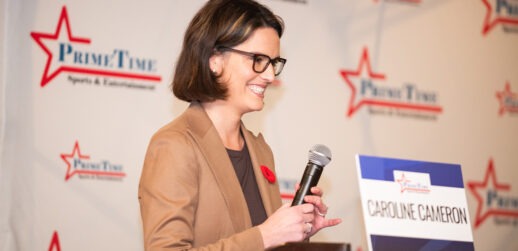
The conference was an interactive experience with vulnerable presentations from five association professionals who described a daring change they tried to make, the missteps along the way and how they course corrected. The fast-paced, Shark Tank-style Fail Fest competition built on the Drawing on ASAE Research Foundation’s Association Innovation Impact Study outlines the importance of addressing meaningful problems in a different way—and measuring the outcomes for members, stakeholders, the organization and the profession. The winner, Michigan Association of Administrators of Special Education’s paraeducator Bootcamp, created a multi-path learning model for the desperately needed staffing in the field, helping them better prepare for the workforce.
The Joy of Solving Problems
Experimentation is both an art and a science. Dr. Jayshree Seth, chief science advocate at Minnesota-based 3M, shared the importance of putting people first when solving problems and innovating. Her The Heart of Science books offer questions designed to better understand the issues underlying organizational, structural and human quandaries using dialectical thinking.
“Megatrends represent broad and global shifts that create vast changes and challenges with the potential to impact daily life,” she said.
Inside-the-Box Ideas

Dr. Simone Ahuja, change consultant, founder of Blood Orange and author of Jugaad Innovation, had good news for association planners who don’t have an unlimited budget, time and staff: Constraints actually advance innovation and growth. Limitations unlock creative thinking, unleashing the MacGyver method or in South Asian vernacular, using jugaad, the ability to fix a problem using available resources.
She walked teams through The Ease Equation to identify the most pressing problem and solve it using the simplest test possible based on the needs of the end-user, not the planner. Everyone in that room focused on real-world problems and immediate action.
Off-Site Innovation

Meeting in Minneapolis put an explanation point on the innovation theme. An elevated dinner at a snaking king’s table at Minneapolis Convention Center celebrated the beauty of the four seasons (complete with snow falling from the rafters) and the advances made in the Midwest urban center. Everyday items, such as the Post-it note, the pop-up toaster and roller blades were pioneered in the city, along with the Honeycrisp apple.
Minnesota was also home to one of the most rule-breaking artists to ever live and perform. A dinner at Paisley Park, Prince’s studio and museum, celebrated the creative spirit behind some of the most inspired performances of all time.