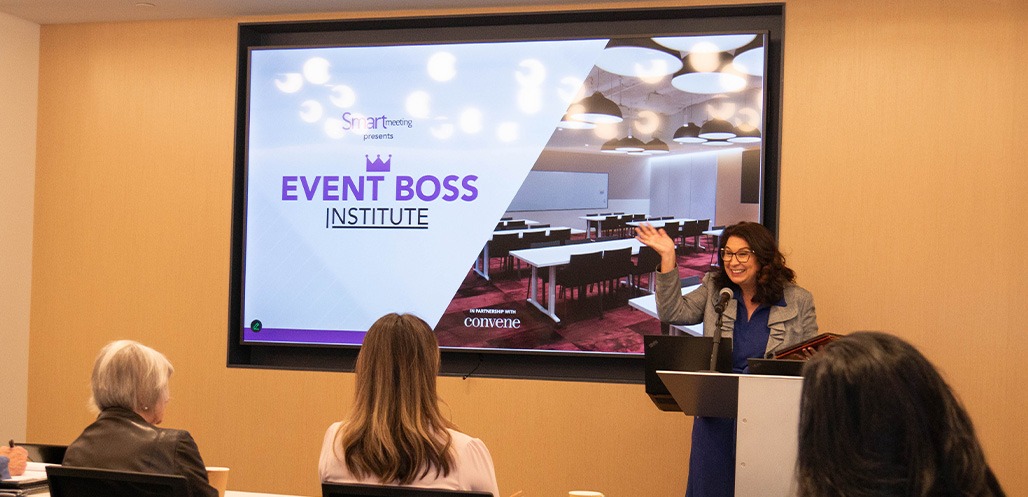
Event Bosses rule the world—with a little help from Smart Friends. At the Inaugural Event Boss Institute one-day workshop at 100 Stockton, Convene’s meeting space on Union Square in San Francisco, entrepreneurs heard directly from finance, legal and business development experts about how to grow and protect their companies and brands.
Structured for Success
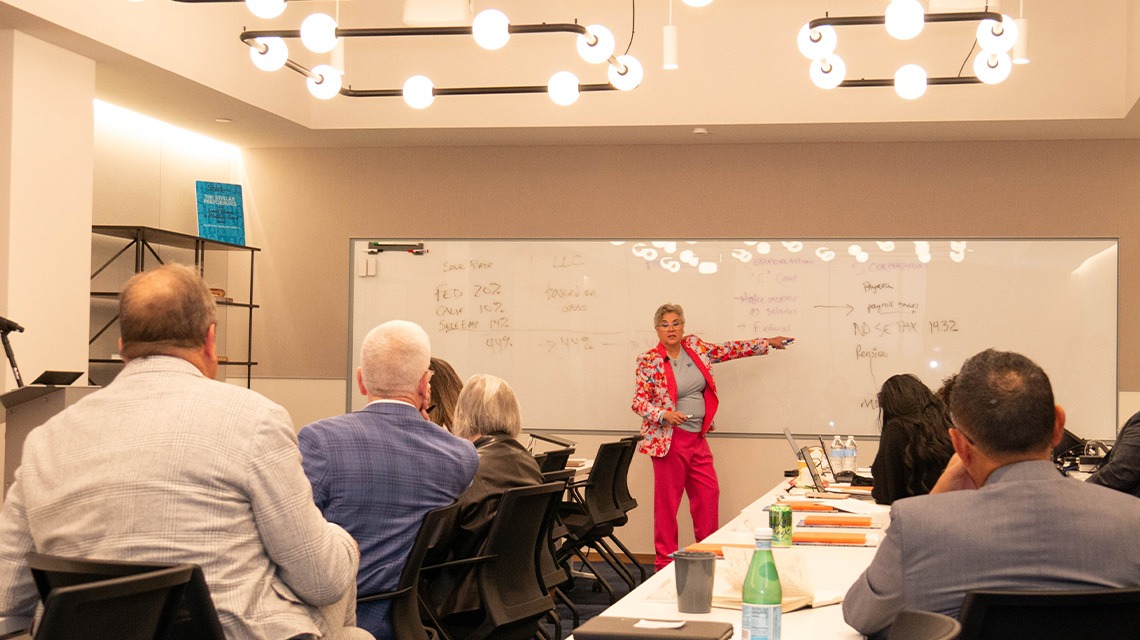
Shirley Nakawatase, founding partner of San Diego-based HNK CPAs, boiled down the profit equation quickly. “As a meeting concierge, you put all the pieces together and create value. Your goal is not to pay the least amount of tax, but to keep the most money in your pocket for the hard work you do,” she said.
1. The first step toward the end-game of freeing up time and money to do what you want to do is to structure the business to reduce liability, taxation and complexity.
For example, moving from a sole proprietorship or partnership (possibly the most fraught with danger) to a Limited Liability Company (LLC) offers legal protection similar to a corporation without the requirement for a board of directors or shareholder meetings. Filing it as an S Corp would alleviate double taxation.
2. To determine the health of your growing business, the most important parts of a financial statement are the measurement of cash flows and the balance sheet. A two-year comparison of the balance sheet, starting with profit and loss will give you a picture of exactly what is going on in your company.
That is much more important than net income because it isn’t subject to the hocus-pocus of unrealized income, deferred revenue, unpaid expenses, depreciation, amortization and other factors that aren’t real cash. The balance sheet is the most important indicator of financial health as it is a snapshot of assets and liabilities. Spoiler alert: If liabilities are magnitudes larger than assets, it may be time to dig deeper to determine the causes.
3. One of the most important business moves is to build a banking relationship, preferably with a small local business bank that is not a credit union. Small banks treat customers like royalty and can quickly secure loans when they are needed most.
Build a Healthy Funnel

Gary Hernbroth is founder and chief motivating officer of Training for Winners and author of the book, “Twist the Familiar.” He helps clients build sustainable businesses based on trust. Here’s where to start.
1. Start by defining the ideal client. A clear understanding of your client profile will ease the acquisition and retention of the right customers. When it is the wrong client, saying, “no,” is the most lucrative decision because it frees time for the right client.
2. Take stock of the brand. What are the strengths? What could be better? Where is it the most brittle? Where are the gaps and the pain points? What will it take to fill those gaps? What are the competitive advantages?
3. Be easy to do business with. Be responsive, timely and prepared with critical thinking. That is the road to being a trusted advisor.
Get It in Writing
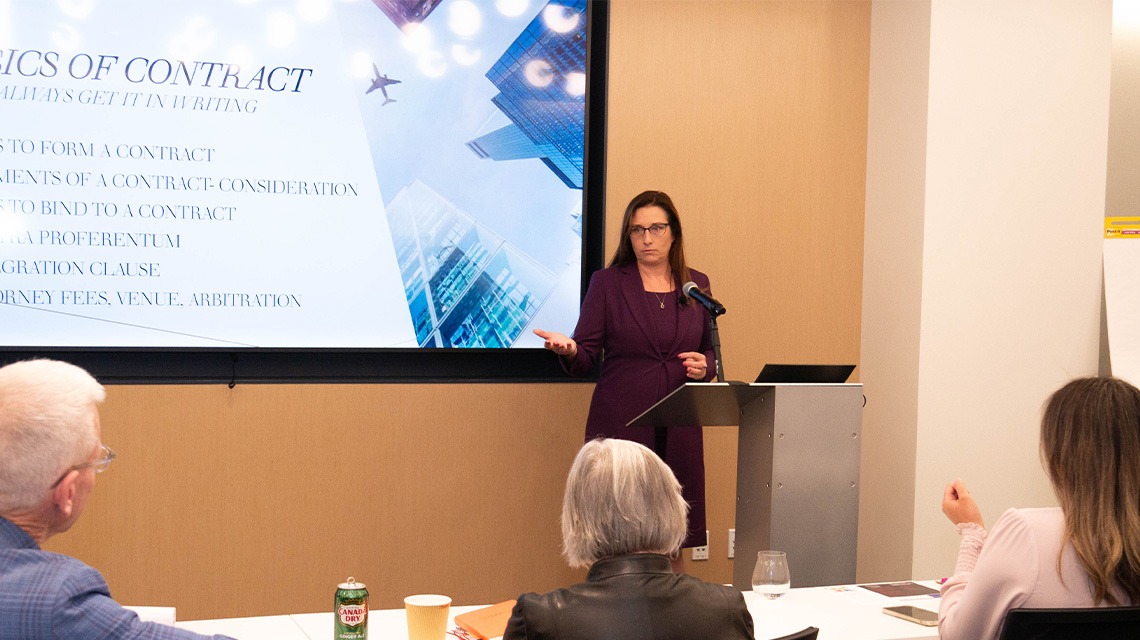
Katy M. Young, founder of Ad Astra Law Group, PC., shared tips on the art of fine print. “The whole world runs on contracts—oral contracts, written contracts, texts, emails, any conversation or performance is a type of binding contract. Her suggestions were straightforward.
Read More: Event Contracts: What to Watch in 2025
- “Always get it in writing.” She added that the most fraught conflicts are between loved and trusted family and friends. Always keeps a legal arm’s length in dealings with these people.
- Have an attorney look at the contract. Yes, it’s expensive to hire an attorney to write your contract but it’s way more expensive to not have an attorney look at it.
- Take the word “partnership” out of your agreements unless you plan to create a general partnership business with that person. The word has legal meaning that can be a big problem later.
Her final bit of wisdom: “How it starts is how it goes. If there’s any trouble at the beginning, it’s going to fester and grow and get way worse, and that’s how you lose your business and end up having to hire someone like me. Please don’t have to hire me.”