The strongest trends are human
Global Meetings Industry Day is an annual moment to recognize the economic and human impact of business events. Meetings drive commerce, advance ideas, support destinations and create the conditions for relationships that rarely happen through a screen alone.
This year, the wellness conversation belongs in that same discussion, because the numbers point to a clear shift in what people value from the experiences they choose to attend.
The Global Wellness Institute reported that the global wellness economy reached $6.8 trillion in 2024, growing 7.9% from the year before. Wellness tourism reached $893.9 billion. These are not small lifestyle indicators. These are serious economic signals that show people are investing in experiences, products and environments that support how they want to feel, function and live.
At the same time, Eventbrite’s recent report on phone-free experiences found that phone-free events grew 567% globally between 2024 and 2025, with attendance rising 121%. The category expanded from five to 12 countries. In the U.K., phone-free event volume grew 1,200%, while attendance grew 1,441%. In the U.S., attendance grew 913%.
What the Data Tells Us
Those numbers matter for meeting professionals because they are not abstract wellness statistics. They are participant behavior numbers.
Read More: Wellness Tourism Association Releases Responsible Retreats Framework
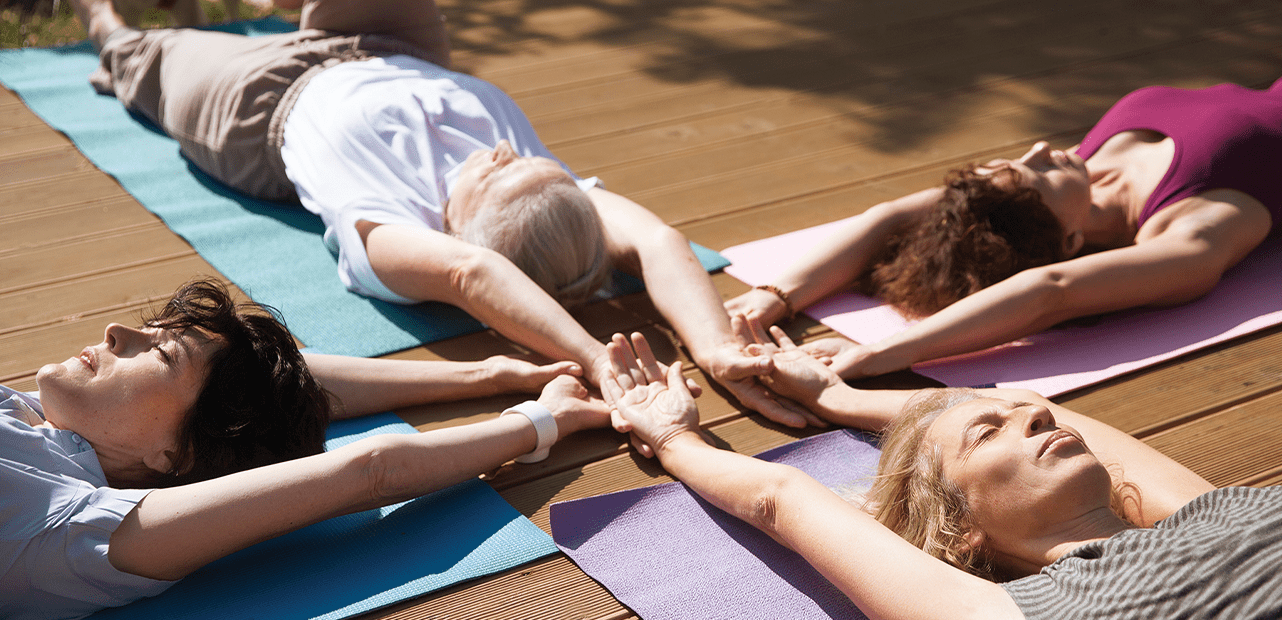
People are showing interest in experiences that help them be more present. They are choosing environments with less digital distraction. They are responding to moments that feel more human, more connected and less curated for performance and for business events; that creates a clear opportunity.
Designing for the Whole Participant
The best meetings have always been built around anticipation. We anticipate traffic flow before someone feels lost. We anticipate dietary needs before someone is left without a meal. We anticipate accessibility before someone is excluded. We anticipate production needs before a speaker walks on stage. Wellness should be viewed through that same lens. As part of the participant experience.
Read More: Chronodiversity: The Next Frontier in Event Design
A meeting participant is not just processing content. They are managing attention, energy, stress, hunger, movement, social connection, sleep, home life and digital overload. These factors influence how they show up in the room, how much content they retain, how confidently they contribute and how connected they feel to the people around them. Which means the design choices we make should better reflect the humans experiencing them.
Food can be designed to fuel knowledge retention instead of an attention crash. Breaks can create actual recovery. Networking can be structured to reduce friction and increase meaningful conversation. Technology can create ease without requiring every interaction to happen through a screen. Movement can be built into the day in ways that feel accessible and natural. These decisions directly impact the business.
The Business Case for Well-Being
People value experiences that respect their attention, energy and humanity. Business events already have the infrastructure to deliver that. We bring people together with purpose. We shape environments. We design schedules. We influence what people eat, how they move, when they rest and how they connect. The next opportunity is to use that influence more intentionally.
“People value experiences that respect their energy and humanity.”
Global Meetings Industry Day celebrates the power of gathering. The growth of the wellness economy shows that well-being is a major force in how people spend their time and money. The rise of phone-free experiences shows that presence itself has market value.
Together, they offer a practical direction for the future of meetings: Deliver what participants already value.


—
David T. Stevens, cofounder of Olympian Meeting and 6x Fittest #EventProf, champions holistic, sustainable and joyful events that put people first.
This article appears in the July/August 2026 issue. You can subscribe to the magazine here.