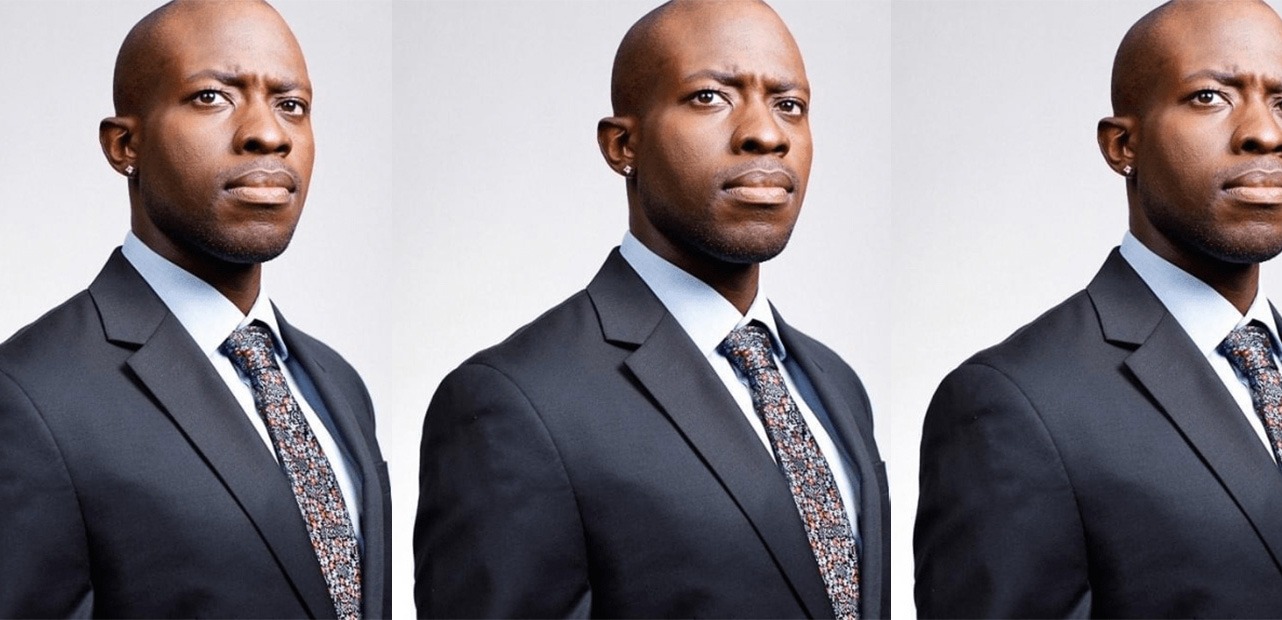
Derrick Johnson, CMP Fellow, carries decades of diverse experience in the meetings world. He now dedicates his talents to event strategy, creative direction and DJing—infusing his industry acumen with creative flair. In this CMP Spotlight, published in partnership with Events Industry Council (EIC), Johnson shares with Smart Meetings his early exposure to association meetings, the importance of interactive learning and the challenges of executing intimate events.
Smart Meetings How did you get your start in the meetings and events industry?
Derrick Johnson It honestly wasn’t intentional. My mom worked for the National Medical Association, so every summer, my brother and I would go to the organization’s kids camp while she was at work. Then, one summer, instead of sending me to camp, she asked if I wanted to help the director of meetings, Pat Norman, at the annual conference.
I spent that week running all over the convention center, checking rooms against Banquet Event Orders, delivering materials and helping with whatever needed to get done. It was my first real look behind the scenes of a major conference, and I was hooked. I loved the energy, the pace and seeing how all the moving pieces came together to create one experience for attendees. That exposure really changed the trajectory of my life.
SM Was there an early experience or turning point that shaped your career?
DJ Working at the Council of Insurance Agents & Brokers was probably the biggest turning point in my career. I had the opportunity to help design the Leadership Academy, and for the first time, everything felt possible. We weren’t just asking, “What’s the next session?” We were asking, “What’s the best way for someone to actually learn this?”
That completely changed how I thought about meetings. I realized you could teach leadership through almost anything—a challenge, a game, an unexpected conversation or a hands-on activity. Every idea was on the table if it helped people experience the lesson instead of just hearing about it.
SM What year did you earn your CMP and why did you decide to pursue it?
DJ I earned my CMP around 2009 or 2010. The meetings industry looked very different back then, and earning the designation carried a tremendous amount of weight.
I had grown up in the industry and had spent years learning by doing, but I wanted to validate that experience against the profession’s highest standard. For me, it was never about adding three letters after my name. It was about proving to myself that everything I had learned over the years could stand alongside the best in the industry. It challenged me to fill in the gaps, think more strategically and commit to becoming the best meeting professional I could be.
SM What is your favorite tech platform or productivity tool?
DJ AI platforms have become my most valuable strategic thought partners. I use them to brainstorm programming ideas, pressure-test event concepts, improve communications, organize complex projects and accelerate creative thinking. It’s less about replacing expertise and more about expanding what’s possible.
SM Share your most helpful career resource.
DJ Without question, the CMP community. I’ve had the privilege of meeting some incredibly talented professionals through the years, and many of those relationships have turned into lifelong friendships.
One of the things I love most about our industry is that people are genuinely willing to share what they’ve learned. Whether it’s bouncing around ideas for a new conference, troubleshooting a challenge or celebrating a big win, there’s always someone willing to help. Those conversations have made me a better meeting professional than any single book or course ever could.
SM What was the toughest concept for you while preparing for the CMP exam? How did you master it?
DJ Finance required the most deliberate practice because it demands both conceptual understanding and practical application. Rather than memorizing formulas, it’s important to understand how financial decisions influence event strategy and organizational outcomes. That shift makes the material much easier to retain.
SM What’s the most challenging event you’ve delivered and what did you learn?
DJ Most people would probably expect me to say one of the largest conferences I’ve led, but honestly, some of the hardest events I’ve delivered have been the smallest.
When you’re designing an intimate leadership experience, every detail matters because every participant matters. You’re not creating a one-size-fits-all conference. You’re trying to create an experience that feels personal for every individual in the room. That means balancing different personalities, learning styles, expectations and objectives while still creating a shared journey.
Those experiences taught me that great event design isn’t about how many people are in the audience. It’s about how well you understand the people who are there. The smaller the group, the more intentional you must be, because every conversation, activity and interaction has the potential to shape someone’s experience.
SM What’s one industry topic that deserves more attention?
DJ Experience architecture. We spend a tremendous amount of time discussing logistics, but not enough time intentionally designing emotion, curiosity, energy and human connection throughout an event.