In this episode of Smart Start Radio, host Eming Piansay sits down with Yush Sztalkoper, founder of NeuroSpark+, to explore how neurodiversity can reshape the way meetings and events are designed.
Drawing on nearly two decades in the events industry and her personal journey following an ADHD diagnosis, Yush reframes neurodivergence not as a limitation, but as a powerful lens for understanding human energy, behavior and connection. Together, Eming and Yush unpack how sound, lighting, pace, navigation and choice can either drain or energize attendees and event professionals alike.
The conversation moves beyond theory into practical application, offering planners tangible ways to design more inclusive, grounding experiences that support diverse nervous systems without sacrificing creativity or impact. Yush also shares simple, in-the-moment tools attendees can use to regulate stress and stay present in high-stimulation environments.
At its core, the episode makes the case that designing for neurodivergence is not just about inclusion. It is a competitive advantage that leads to better experiences, healthier teams and events that leave people energized instead of exhausted.
Further Resources
Why Human Capacity Is the New Competitive Advantage for Events in the AI Era
Neuroscience-Backed Meeting and Event Design: How to Design Brain-Friendly Experiences
Eming Piansay
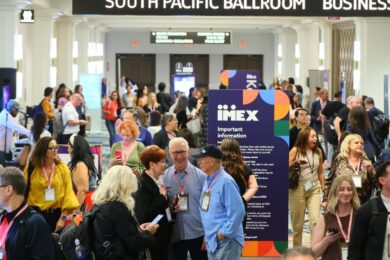
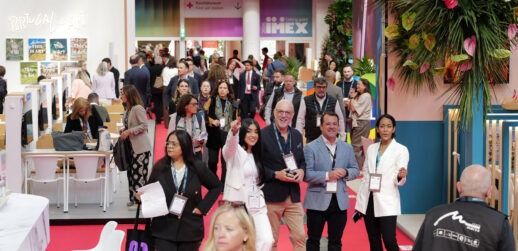
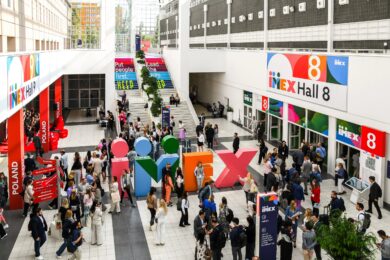
Welcome to Smart Start Radio and the first episode of our 2026 season. I’m Eming Piansay, multimedia editor at Smart Meetings and your host. Today’s conversation goes back to a moment at IMEX that truly shifted how I think about events, design and the human experience.
Joining me is Yush Sztalkoper, founder of NeuroSpark Plus. I attended one of Yush’s sessions at IMEX, and it completely reframed how I understand neurodiversity in our industry. Welcome.
Yush Sztalkoper
Thank you, Eming. I’m really grateful to be here and to continue this conversation.
From Events to Neurodiversity
EP
You spent nearly 20 years in the events industry before founding NeuroSpark Plus. What led you to this work?
YS
For most of my career, I was successful on paper but internally masking burnout and disconnection. About a year and a half ago, I was diagnosed with ADHD. That discovery came through my son, who is twice exceptional, meaning he is both gifted and neurodivergent.
As I learned how his brain works, I began recognizing the same patterns in myself and in others across our industry. That’s when I realized neurodivergence wasn’t just personal. It was systemic. I saw a major gap in how we understand and support neurodivergent individuals, especially in events.
Reframing Sensitivity as a Strength
EP
One of the things you said that really stuck with me was reframing sensitivity as a strength rather than a flaw.
YS
Highly sensitive is a specific brain wiring, and it’s actually a strength. Highly sensitive individuals are deeply attuned to people, energy and emotional cues. They read rooms quickly, even if they can’t always articulate how.
In the events industry, that sensitivity is what allows people to design meaningful experiences, anticipate needs and create strong human connection. The challenge is that many people internalize this wiring as something negative rather than recognizing it as an asset.
The Nervous System at Events
EP
At IMEX, you shared a moment where a loud sound triggered a physical stress response during a panel. That really validated my own experience.
YS
That moment illustrated how the nervous system works. For neurodivergent individuals, event environments are often already overstimulating. When something unexpected happens, like a loud noise, the nervous system goes into alert mode.
Heart rate increases, adrenaline is released and focus is disrupted. This isn’t emotional. It’s biological. Awareness is important, but so is knowing how to bring yourself back to safety in the moment.
Designing Events That Energize
EP
How can planners begin designing events that feel more supportive and less draining?
YS
I start with one core question. Does this experience energize or drain?
Navigation is a big factor. If someone can’t easily find where they’re going, that creates stress. Choice is another key element. Whether it’s food, seating, lighting or pacing, choice allows people to regulate their own experience.
We also need to rethink pace. Our industry defaults to louder, faster and more stimulating, but regulation, not stimulation, is what helps people leave events energized rather than exhausted.
Designing From the Edges
EP
You often talk about designing from the edges. What does that mean in practice?
YS
When you design for those who are most sensitive to overstimulation, you elevate the experience for everyone. This is universal design in practice.
If an experience is intuitive, grounding and calm enough for a neurodivergent individual, it will almost always feel better for neurotypical attendees as well. Very few people benefit from constant sensory overload.
Leadership and ROI
EP
For leaders who aren’t directly designing events, what should they be thinking about?
YS
This isn’t just about attendee experience. It’s about the entire event ecosystem.
When leaders support neurodivergent planners, strategists and partners, their strengths ripple outward into better events. This becomes a human sustainability issue. Events should not require people to recover for weeks afterward. Neuro-inclusive design becomes both a leadership advantage and a competitive advantage.
Grounding Tools for Overstimulation
EP
Before we wrap, can you share a few grounding tools people can use onsite?
YS
These are simple micro-tools anyone can use.
Touch. Rub your fingertips together and focus on the texture.
Sight. Focus on one object and notice its details and patterns.
Sound. Close your eyes and listen for different layers of sound.
Breath. Inhale for four counts and exhale for five.
Taste. Chew gum or focus on a flavor.
Where to Learn More
These tools redirect attention to the senses, which helps regulate the nervous system in real time.
EP
Where can people find you if they want to continue this conversation?
YS
You can find me on LinkedIn or at neurosparkplus.com.
EP
Thank you so much for this conversation. It was grounding, affirming and incredibly insightful.
YS
Thank you, Eming. I really enjoyed it.