Each January, PCMA Convening Leaders gathers thousands of meeting professionals from around the world to huddle around strategic planning and kick off the events conference calendar for the year—hence the Super Bowl of meetings.

This year, the association went back to its roots 70 years ago in Philadelphia where a group of medical association planners gathered for what has now become known as Convening Leaders. A PCMA Museum in The District show floor at Pennsylvania Convention Center marked the growth, globalization, strategic shift and diversification of the organization while a ceremony on the main stage and at National Constitution Center recognized past board chairs with a Rocky statue for their service.

The milestone event coincided with the country’s 250th anniversary America250 playing out all along the Northeast corridor.

“We will never move forward if we forget our past,” said PCMA CEO and President Sherrif Karamat L. But the gathering was also focused on the road ahead for technology, international economics and social connection. A new integrated brand communicated through a simplified logo, dance and spoken word art signified a purpose-driven organization that will attract the next generation of event professionals.
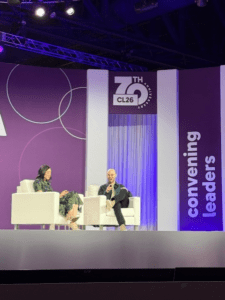
Holly Ransom on left and Adam Grant on right
Holly Ransom (left) and Adam Grant (right)

The 20 under Twenty cohort joined sessions on AI for Event Marketers, conversation starter workshops on Developing High-Performance teams and Building Safe, Story-Rich Menus.  The voices from the main stage offered something for planners at every level of their career.

Jay Kiew made the idea of driving disruption at the speed of change seem fun. Erin Stafford shared powerful personal stories to illustrate the best ways to burn bright, not out despite previously unthinkable challenges. Jahkini Bisselink broke down the Gen Z guide for leading with trust and empathy in an over-connected world.

Read More: Gen Z Has Entered the Building
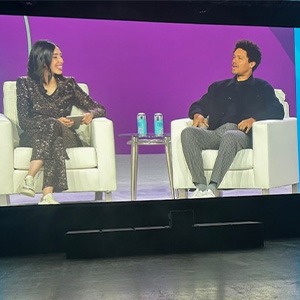
Holly Ransom on left and Trevor Noah on right
Holly Ransom (left) and Trevor Noah (right)

Author and professor Adam Grant put the exclamation mark on the importance of encouraging growth through smarter interactions. He cited research that shows those who experience mild imposter syndrome perform better. Flickers of doubt make people work harder and add more value.

Comedian, author and Microsoft Chief Questions Officer Trevor Noah encouraged a curiosity-driven approach to problem-solving in the age of AI with a focus on human connection.
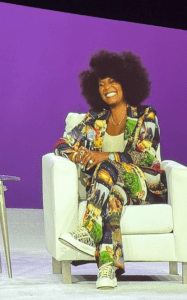
Tabitha Brown
Tabitha Brown

On a serious note, The Economist Editor-in-Chief Zanny Minton Beddoes offered up a global economic outlook for 2026. After explaining all the ways the post WWII order has ended, she encouraged optimism. “Despite the shift toward more transactional and power-based international relations, maintaining core values and principles remains crucial for long-term success and leadership,” she said.

From lifestyle influencer Tabitha Brown to rapper Pitbull who led the Worldwide Wrap party on the final night at Xfinity Mobile Arena, PCMA Convening Leaders gave meeting professionals permission to pursue what felt right for them.

Destination Updates

Convening Leaders is also where destinations share progress briefings. This year, the platform was a mobile backstage trailer from ADM Creative Group parked on The District show floor and broadcasting to a screen in a viewing area with headsets. The 60-ft. by 20-ft. space houses the production crew and “stage” area and can be ready to stream in under an hour.

The host city of Philadelphia is meeting central this year with more than 300 events planned for 2026 in addition to America250 celebrations and FIFA World Cup. A new alliance between Pennsylvania Convention Center and Philadelphia Convention & Visitors Bureau will make booking citywide events even easier. Since Convening Leaders was last in town 20 years ago, 60% more space has been added along with an executive suite level, sensory room and massive LED signage throughout the building.

Miami, which will host PCMA Convening Leaders Jan. 10-13, 2027, at Miami Beach Convention Center, shared that a new 800-room Grand Hyatt Miami Beach headquarters hotel connected to the convention center will break ground with two floors of meeting space in late 2027.

In New Orleans, more than $1 billion in hotel renovations are in progress. That doesn’t include a new 250-room Fairmont New Orleans opening in June in the Central Business District and a major campus development happening at Ernest N. Morial Convention Center where 40 acres of undeveloped land is planned to transform into a new River District neighborhood of offices, housing, event and activation spaces and an anticipated 400-500 room hotel. Already in development is a 1,006-room property with 100,000 sq. ft. of meeting space across street from the convention center with groundbreaking slated for later this year.

A new “More Austin” campaign will focus on live music, local culinary scenes and neighborhood-specific experiences in the Music Capital of the World while Austin Convention Center is torn down and rebuilt from below ground up. When the new building is revealed in 2029, it will offer a 336,000-square-foot exhibit hall, a 92,000 square-foot flex hall, and a 47,000 square-foot ballroom inspired by Texas dance halls along with a 30,000-square-foot open-air plaza and a dedicated shuttle drive that can be closed for street festivals.

Houston First Corporation, which hosted PCMA Convening Leaders 2025 at George R. Brown Convention Center, released details of a master plan to reconnect the city’s East End with downtown through a 700,000-square-foot convention center expansion that will provide access to Toyota Center via a new 100,000-square-foot pedestrian plaza.

New Discover Puerto Rico CEO Jorge L. Pérez announced that the destination had experienced its fifth consecutive year of tourism records, with Luis Muñoz Marín International Airport (SJU) welcoming more than 6.8 million passenger arrivals in 2025, a 3% increase compared to 2024. 

Orange County Convention Center officially broke ground on its Grand Concourse Expansion, a $560-million project that will bring new meeting space and another ballroom to the North-South Building. RFPs are already being accepted for groups wanting to use the space when it opens in 2029. This is in addition to renovations all over Orange County, including a 100,000-square-foot addition at Walt Disney World Swan & Dolphin opening this year and $5.9 billion in modernization and expansion at Orlando International Airport (MCO).

The Great Offline Rush is here.

As artificial intelligence reshapes how brands connect with audiences, in-person experiences are emerging as the last place where trust is built face-to-face, where human connection happens without mediation, and where presence still carries weight. CMOs are moving budgets. CEOs are paying attention. The industry that once fought for a seat at the table now has the whole table looking its way.

And yet.

Walk any major trade show floor. Scroll through industry award submissions. Attend the conferences that are supposed to set the standard. You won’t find breakthrough thinking or bold experimentation. You’ll find sameness at scale.

AI-powered photo booths. Gamified lead capture. Personalized swag stations. Activations that look impressive on Instagram but feel interchangeable in person. We’ve gotten remarkably efficient at incremental innovation, taking what worked last year and making it 10% more interactive, 15% more data-driven, 20% shinier.

The industry has become proficient at executing well-known ideas more effectively. We’ve lost the muscle for unknown ideas.

This momentum problem has been building for years, and now AI culture is accelerating it. Every algorithm suggests the logical next step. Every model optimizes for what worked before. The tools themselves remain neutral. The culture forming around them pulls us toward consensus, toward optimization, toward rational decision-making that feels safe.

We’re thinking on autopilot. We’re building for consensus, not futures.

And just as events become central to marketing strategy—just as the stakes get higher and the investment grows—we’re all reaching for the same playbook.

Read More: Cheers to Better Marketing: Embrace the ‘Tipsy Best Friend’ Strategy 🍹

Here’s what that means: right when differentiation matters most, we’re becoming less differentiated. Right when brands need to stand out, everyone’s standing in the same place.

The word we need? Irrationality.

Not chaos. Not recklessness. Strategic irrationality. 

The drive to outrun ordinary without proof that it will work first. 

Right now, most event professionals are looking at the same things from the same angle. Keynotes framed by executive priorities. Booths filled with LED screens, mascot plushies, and laptop stickers. Networking receptions and braindate lounges that feel like 2018, still. And on and on.

When everyone’s looking in the same direction, no one sees what’s actually missing. Strategic irrationality requires both new perspective and new practice. Here’s how:

1. Invite outsiders in. Your true stakeholders—your audiences—see things you don’t. They know what’s boring. What’s missing. What they wish existed but never say out loud. Ask them. Not in a survey. In actual conversations where you’re genuinely curious about what they’d change.

2. Look where no one’s looking. Everyone designs the main stage. Who’s designing the hallway? The coffee line? The moment right after the keynote ends, when people are deciding whether to stay engaged or check their phones? These transition spaces shape experience as much as the programmed ones. Maybe more.

3. Try the opposite. If everyone’s going loud, go quiet. If everyone’s scaling up, scale down. If everyone’s adding more, subtract. As Rory Sutherland says beautifully in his book, Alchemy, “the opposite of a good idea is often another good idea.” 

4. Make small bets. Not every experiment needs executive approval or a business case. What can you test at a small scale? One session. One corner of the expo. One evening event. Give yourself permission to try something that might not work. Small experiments build credibility. 

5. Mandate the experiment. Make trying something new a requirement, not an aspirational nice-to-do. Before the brief is finalized and the budget is locked, establish that every event will include one untested element. 

The pressure event professionals face works directly against this kind of thinking. As events become more central to marketing strategy—budgets grow, stakes rise, scrutiny increases—the instinct is to play it safe and stick with what’s proven. The path to least resistance is to optimize what already works.

But when sameness is the norm, playing it safe becomes the riskiest move. 

Forgettable is far more dangerous than experimental. Logic doesn’t make you memorable.

The experiences that will stand out in the next few years won’t be the ones with better AI photo booths or more gamified lead capture. They’ll be the ones willing to try something that might fail. The ones who understand that in an increasingly rational, algorithmic world, irrationality becomes a competitive advantage.

If it feels safe, it’s probably not irrational enough.

This doesn’t mean abandoning strategy or ignoring data. It means remembering that breakthrough ideas rarely come from following the most logical path. They come from shifting perspective. From looking where others aren’t. From being willing to experiment in the spaces between what’s expected and what’s possible.

The industry has the tools. And, as events become the number one priority for marketing, we have the attention of leadership.

What we need now is to champion the irrational.

Brent TurnerAcross a portfolio of world-shaping businesses—including Amazon, Dell, Microsoft, Salesforce, ServiceNow, and many more—Brent Turner and his Opus Agency teams are fueling the future of brand movements.
As a member of Opus Agency’s global executive team, Brent leads teams across strategy, go-to-market, and their fast-growing international studios, including their EMEA hub in the heart of London. 

Growing up on the cloverleaf of media, technology, and community, including two startup to IPO adventures, successfully selling his own agency, and a stint as the chief digital officer at MIT, Brent’s three-decade-long career is filled with the achievements, stories, and scars that come from sharing intrigue, obsessing excellence, and grouping things in threes.

Connect with what’s next on LinkedIn, his personal site, and in his popular—and often irreverent—personal newsletter, The New New.


CES 2026 brought a world of ideas

CES 2026 brought more than 140,000 attendees to Las Vegas. From Jan. 6–9, these attendees attended keynotes, exhibition booths, and education sessions at the newly renovated Las Vegas Convention Center, Aria Las Vegas, and The Venetian Las Vegas.

More than 4,500 companies attended the convention, showcasing developments in AI, healthcare, mobility, computing and more. AI has been a topic of discussion over the past couple of years. Deloitte hosted a keynote on the latest trends to come.

Tech Trends 2026

I think if you walk the floor, the one word you’ll see across almost every exhibitor in every industry is going to be AI,” said Bill Briggs, chief technology officer for Deloitte. “I’d argue that in a few years, we’ll see less of the emphasis where it’s a part of the billboard, the headline, the booth display, it’s just embedded in how we’re thinking about new features, capabilities, how we unlock new value.”

Just as 100 years ago, Briggs said, there were probably many booths emphasizing that they were electrically powered; we’re still in that exciting moment regarding AI.

Briggs discussed Deloitte’s latest annual trends reports, highlighting five themes centered on upcoming technological advancements.

1. AI’s Physical Transformation

Briggs suspects the physical structure of AI will become another trillion-dollar industry. Using applications like digital twinning and world modeling, soon AI will be able to act physically in the world around it.

Robotics will play a significant role in AI’s physical capabilities. According to the report, AI-enabled robots are likely to transition from a niche to mainstream adoption, and the next iteration will eventually be humanoid robots that can navigate with capabilities beyond what we currently see.

Read More: AI: Resistance Is Futile

2. Agentic AI

Agentic AI refers to an AI system that can operate autonomously and with minimal human direction. “The hard work is beyond just the agentic models and platforms; you have to have the underlying data. You got the underlying systems ready,” Briggs says.

Another concern Briggs brought up is the impact the introduction of autonomous AI agents will have on the workforce. “What does it mean to the workforce as we have more machines and humans working together? What does that mean for collaboration and culture? We’re just getting to the point where we’re thinking about the HR equivalent processes for agents and bots.

He said companies aren’t talking enough about what it means for people to have to interact increasingly with their “technical coworkers.” Deloitte’s study found that 93% of AI investments are being allocated to the tech and 7% to work culture, training, learning, and development. “This is a huge piece we need to close the gap on if we want to see its full potential,” he said.

3. AI Infrastructure

Briggs says the question of what to do with AI is becoming an increasingly Important discussion for CEOs. “Where compute and infrastructure were line items on the infrastructure IT budget, now it’s becoming elevated, because the decisions we make, the partners we choose, have real implications to broader business strategy,” he says.

4. The Great Rebuild

In this year’s report, only 1% stated that they weren’t in the midst of a technological transition. Briggs said we’re at a time when the initial perception of IT and tech as a back-office function has been completely turned on its head.

“Sixty-five percent of enterprises said they expect their technology organizations to be revenue-generating, not just back-office efficiency,” he says. “We’re seeing this convergence between information technology, operational technology and product technology; the investments we need to make and the things that have to be true to make all that potential real are converging, which is exciting, but we don’t have the skill set, we don’t have the infrastructure, we don’t have the budget to make that real.”

He said we’re in the midst of creating what the next generation of this technology looks like.

5. The AI Dilemma

Briggs said the AI dilemma is mostly the cybersecurity aspect of it. He mentioned that there are two sides to this.

“The good news, the ‘hero’s journey,’ we’re using AI to have a completely different approach and tactics for cyber and security and regulatory and plunge is amazing,” he said. “The upside is we’re embedding cyber into our embedding AI or cyber response. The flip side is we’re seeing new and new vectors of threat and new and new avenues of attack because of AI, especially as we move into physical form and critical infrastructure.”

Read More: CES 2025: Engaging Activations

Activations

While walking around the exhibition floor, I noticed several eye-catching booths that caught my attention and that of many other attendees.

While many companies used activations that highlighted the capabilities of their products, others employed engagement tools that had no direct connection to their products. Either way, attention was garnered.

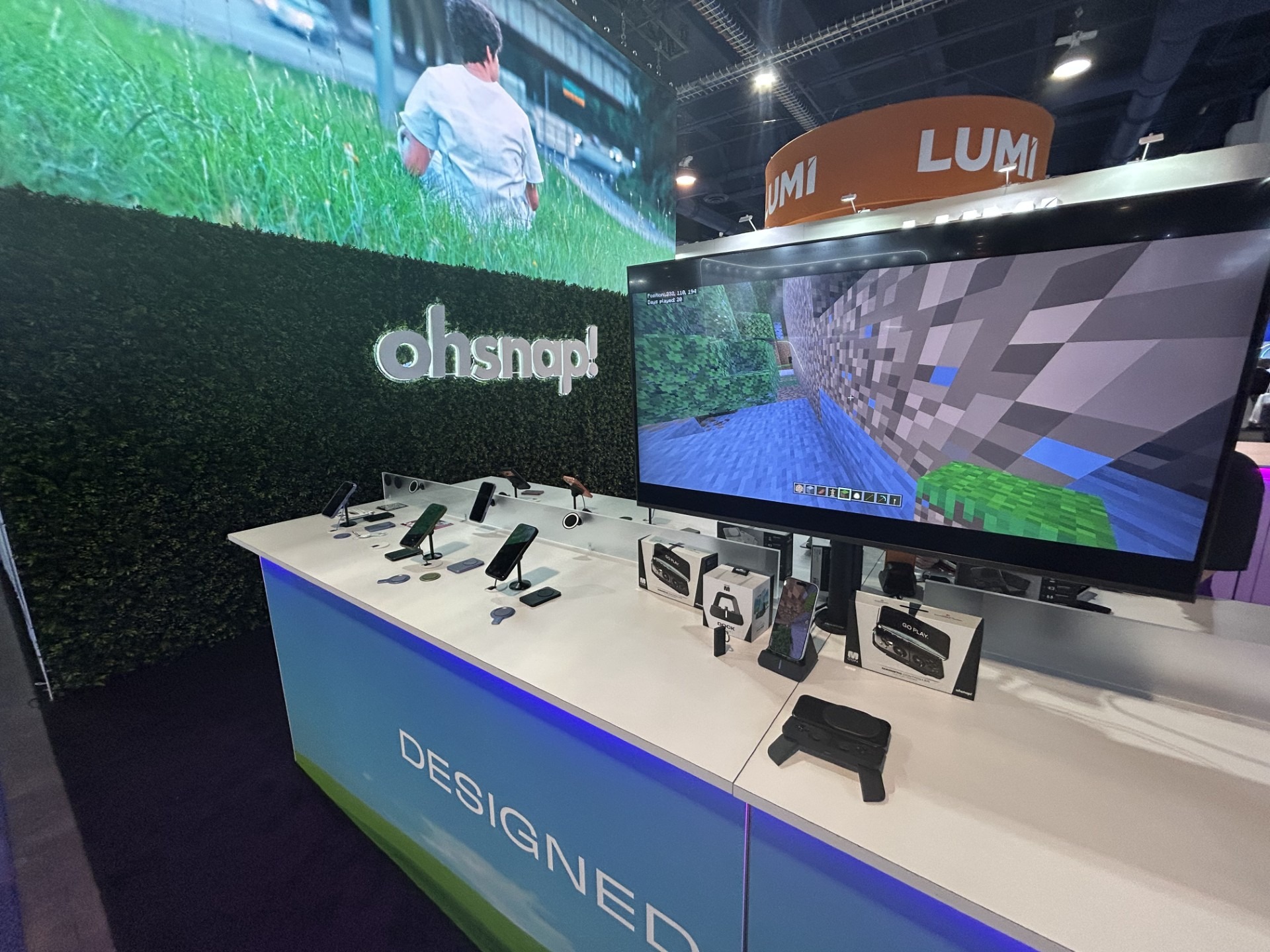
Ohsnap!

Ohsnap booth

Ohsnap started as a phone grip company in 2010 and has since gone on to create other phone-based products, such as grip wallets, car mounts, chargers, and cases. The booth displayed its Mcon gaming controller, allowing visitors to play various games with it.

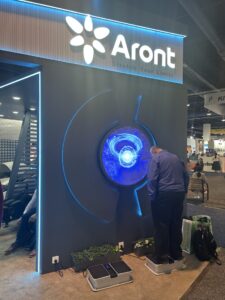
Aront boothAront

Aront is a company that specializes in massage chairs.
While their chairs were inside the booth, just outside, they placed foot stepper machines that received a lot of attention.

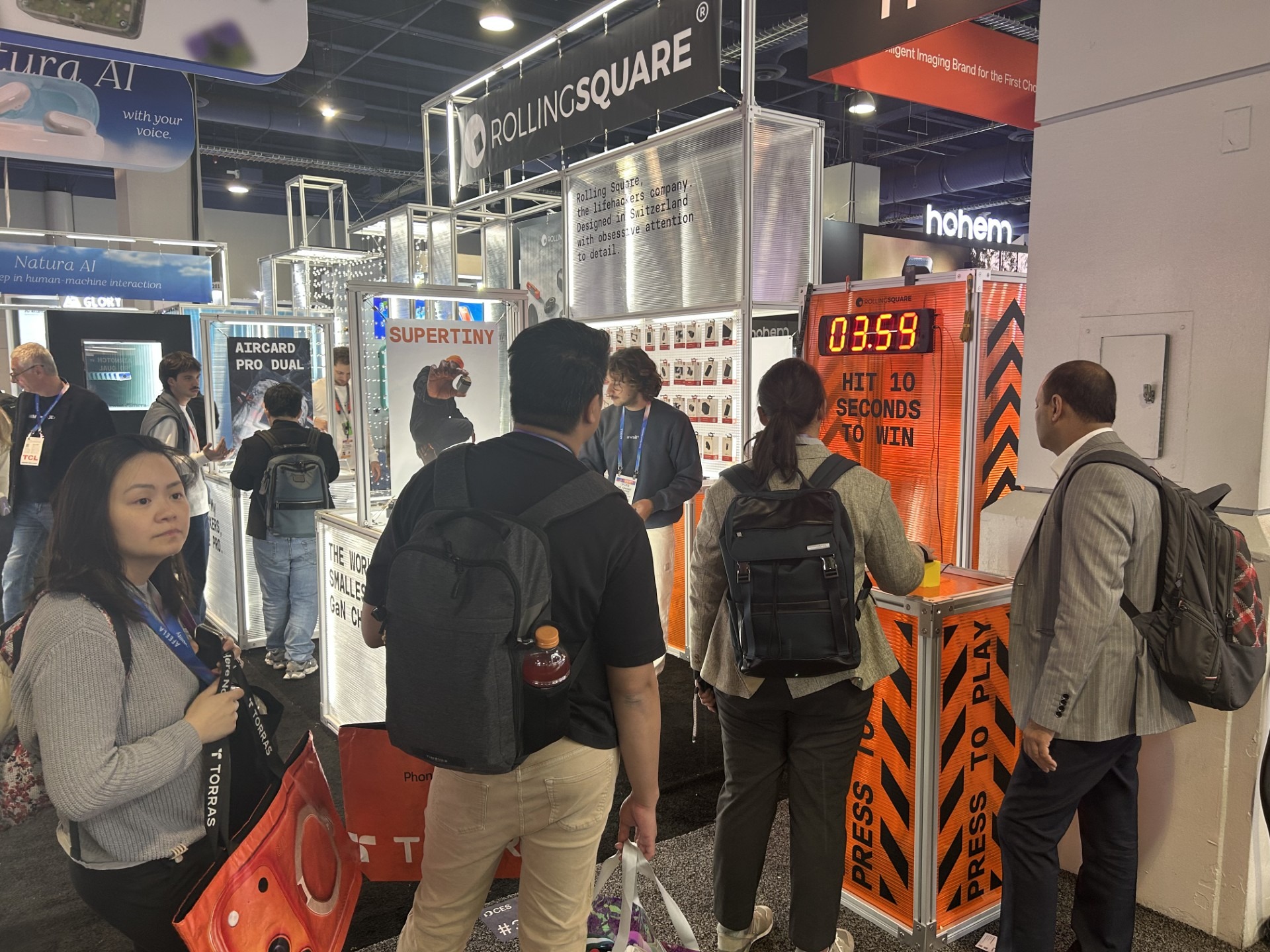
Rolling Square

Rolling Square booth

Rolling Square is the producer of charging cables, wireless chargers, power banks and phone tracking devices. It’s a tool of engagement: a button timer. Attendees were asked to press a button at exactly 10 seconds against a timer.

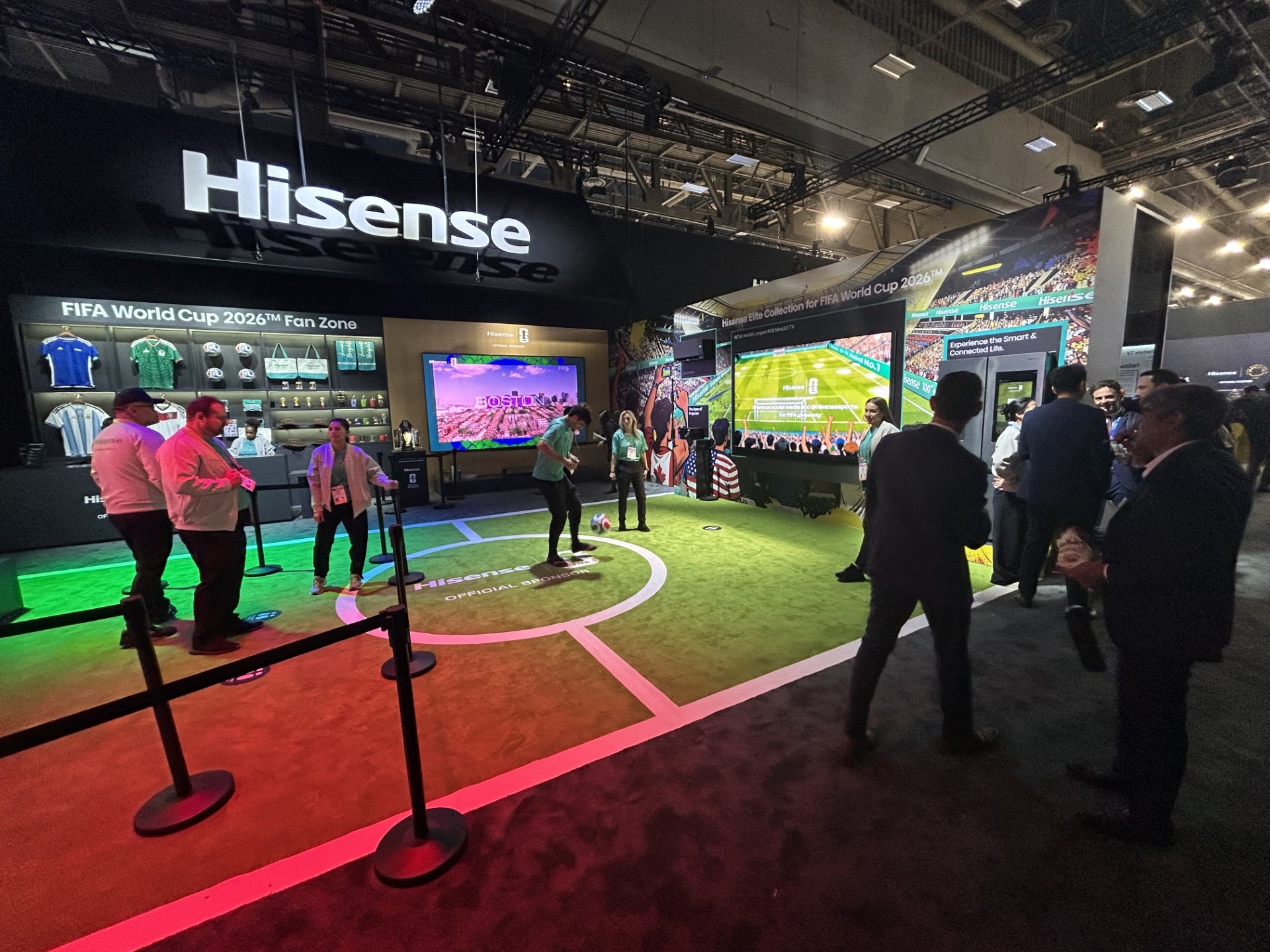
Hisense

Hisense soccer activation

Hisense had one of the largest booths at CES, showcasing its new RGB Mini-LED TVs and gigantic Micro-LED models.

The booth featured several engaging activations that showcased the brightness and color of their TVs while providing entertainment. There was simulation golf, video games on its TriChroma Laser TV and simulated soccer.

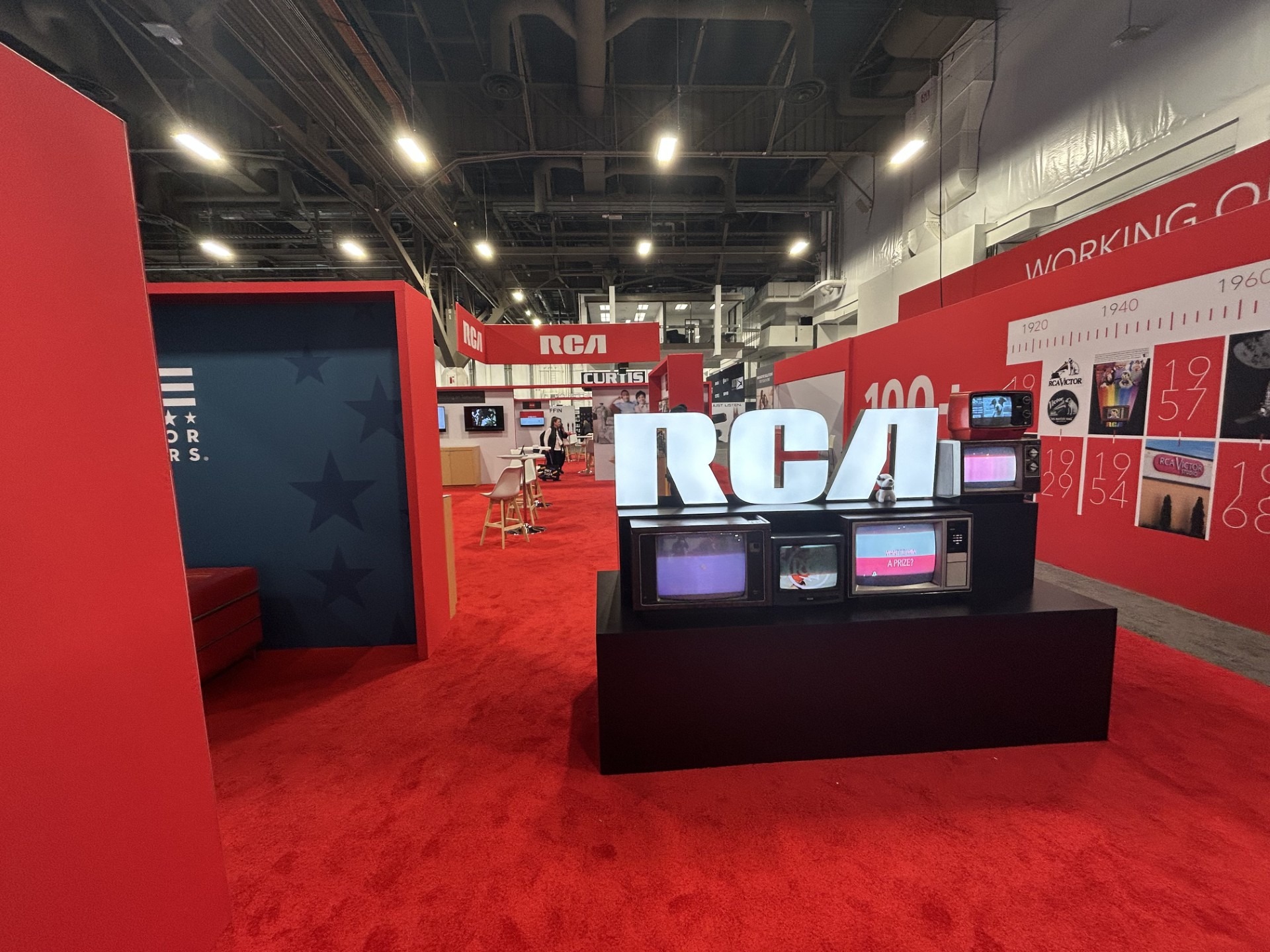
RCA

RCA booth

RCA aimed to trigger attendees’ sense of nostalgia with its throwback to its early model color TVs.

LG

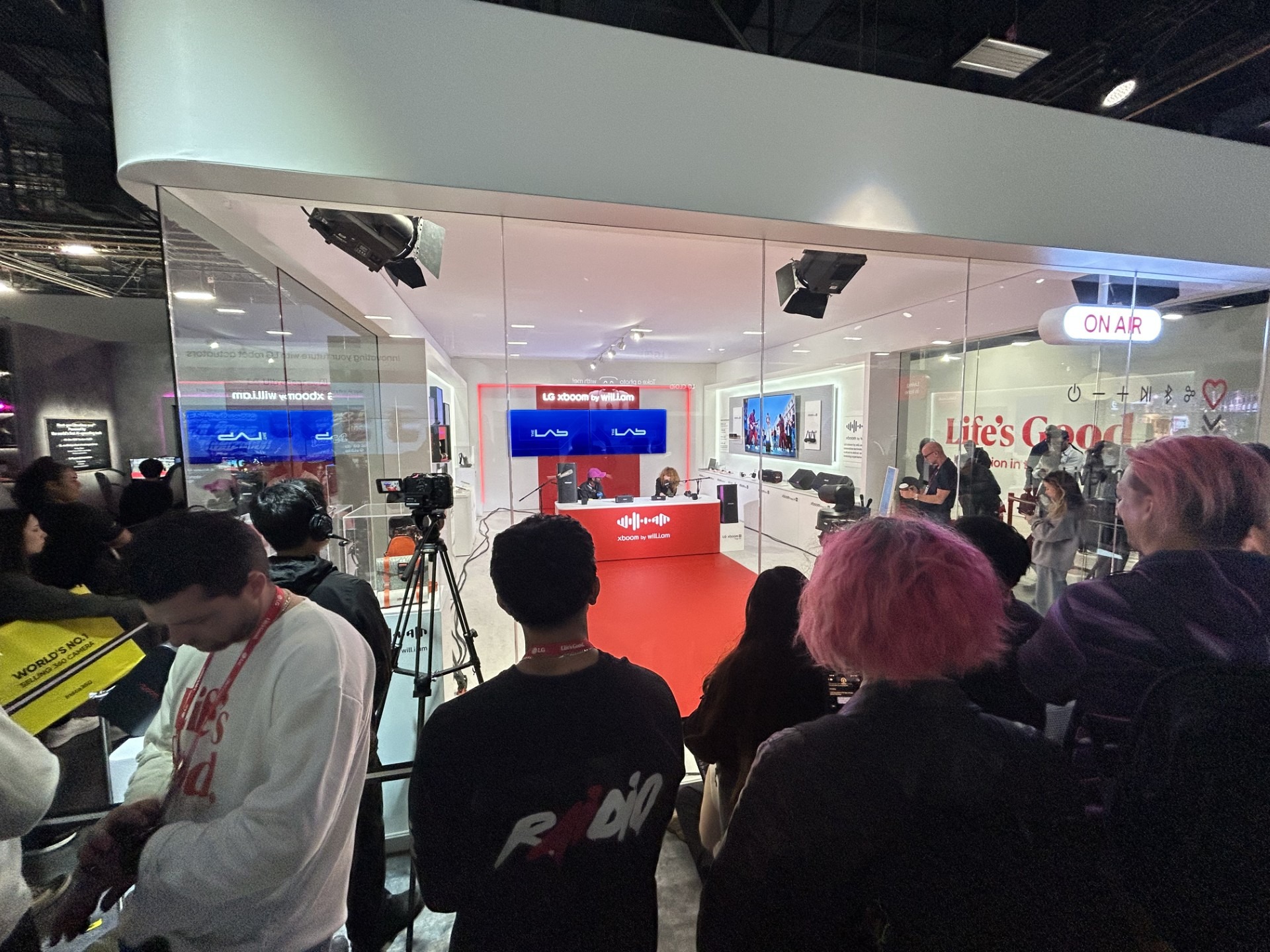
will.i.am and natasha lyonne podcasting at LG booth

LG was also another brand with a large booth. There were tons of people in this booth, surrounding a room encased in glass.

They weren’t crowding around to look at new techthey were watching singer will.i.am and actress Natasha Lyonne live podcast. Another eye-catcher in the booth was the brand-new transparent OLED T Smart TV.

Greenland has been making headlines again for a very strange reason. You’ve probably heard that U.S. President Donald Trump has expressed a desire to purchase the island. Or seize it.  His seriousness is yet to be determined, so stay tuned on that front. Meantime, should Greenland should be on your site selection radar?

Here’s what you need to know.

Greenland Is Frozen…But Wants Meetings

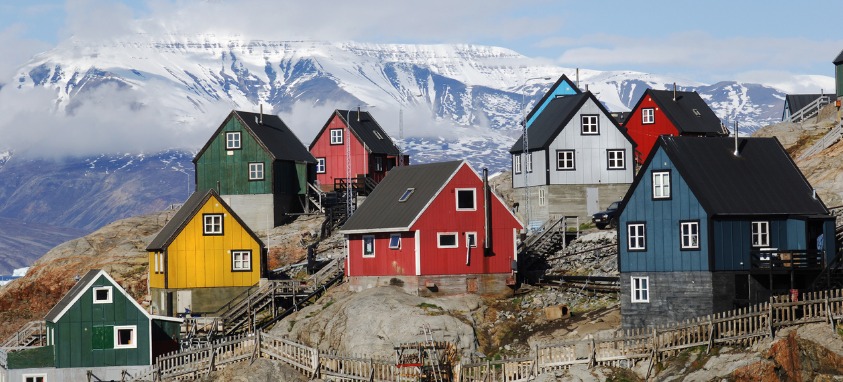
As the old joke goes, Greenland is ice and Iceland is green. Indeed, 80% of the island is covered in ice (as compared to some 10% glacial ice in Iceland). But Visit Greenland is undeterred by that. It says: “There can be no doubt that lots of meetings and conferences are especially successful, thanks to the Greenlandic cocktail of the sophisticated and the simple, the comfortable and the tough, the warm and the cold.”

In particular, that resident DMO and travel experts alike cite the island’s unspoiled nature (glaciers, fjords, icebergs, stark landscapes), wildlife (polar bears, musk oxen, whales, seals), Northern Lights (especially in fall and spring), indigenous culture (Inuit communities) and adventure possibilities (hiking, ice cap exploration, snowmobiling).

The pristine, hushed environment offers a balance of isolation and natural beauty well-suited for incentives, focused corporate retreats, strategy sessions and teambuilding. Event infrastructure is growing. Cities like Nuuk and Ilulissat offer hotels with meeting spaces (e.g., Hans Egede Hotel, Hotel Sisimiut) and dedicated conference centers like the five-star Katuaq cultural center, which can accommodate up to 508 attendees.

Who Owns Greenland?

While we think that ultimately, a country belongs to the people who call it home, Greenland is officially an autonomous, yet Danish, dependent territory. This means that while Greenland has its own parliament and a certain level of sovereignty, it is still part of Denmark. About two-thirds of Greenland’s revenue comes from Denmark, and the country must adhere to the Danish constitution.

Therefore, while the question, “Who owns Greenland?” is a bit complicated, the easy answer is Denmark. However, the complicated nature of Greenland’s autonomy means that Denmark might not necessarily have the power to “sell” the territory. In fact, Denmark Prime Minister Mette Frederiksen has stated that not only is Greenland not for sale, “Greenland is not Danish. Greenland belongs to Greenland,” demonstrating her recognition of the importance of its cultural and political sovereignty.

Why Does Trump Want Greenland?

While many throughout the world see it as an affront to both Greenland and Denmark, the Trump administration apparently looks at the purchase of Greenland as a smart geopolitical move. The position of Greenland, in between the United States and Europe, could be strategically advantageous. Additionally, China has shown interest in the area, as a state-owned construction company proposed to build new airports on the island not long ago.

Perhaps most importantly, Greenland is rich in minerals such as zinc, copper, coal, iron ore–and the rare earth minerals highly coveted by the technology sector.

Downsides to a Greenland Meeting?

Apart from the political volatility of the island at present, accessibility and travel time head the list of challenges. Travel to Greenland for U.S. attendees typically involves connecting flights, often through Copenhagen or Reykjavik, Iceland. It’s also a relatively expensive destination, with internal travel requiring air or sea transport.

Smart Meetings says: If your small-to-medium-sized group resonates with a truly unique, authentic, bucket-list experience–and is willing to put up with a modicum of inconvenience and ruggedness to gape at polar bears and a suddenly “rediscovered” destination, this might just be the ice that crackles, pops and clinks in your perfect après-adventure cocktail.

From hydrogen-powered cruise ships to AI reshaping how travelers discover destinations, 2025 delivered a steady stream of headline-making developments for meeting and incentive planners. Sustainability took tangible steps forward, major brands expanded into new markets and technology quietly changed how travel decisions get made. Here’s a look back at some of the travel news that mattered most this year—and why it’s worth keeping on your radar.

Viking to Launch World’s First Hydrogen-Powered Cruise Ship

coral reef in Fiji for Smart Travel 4/11/2025
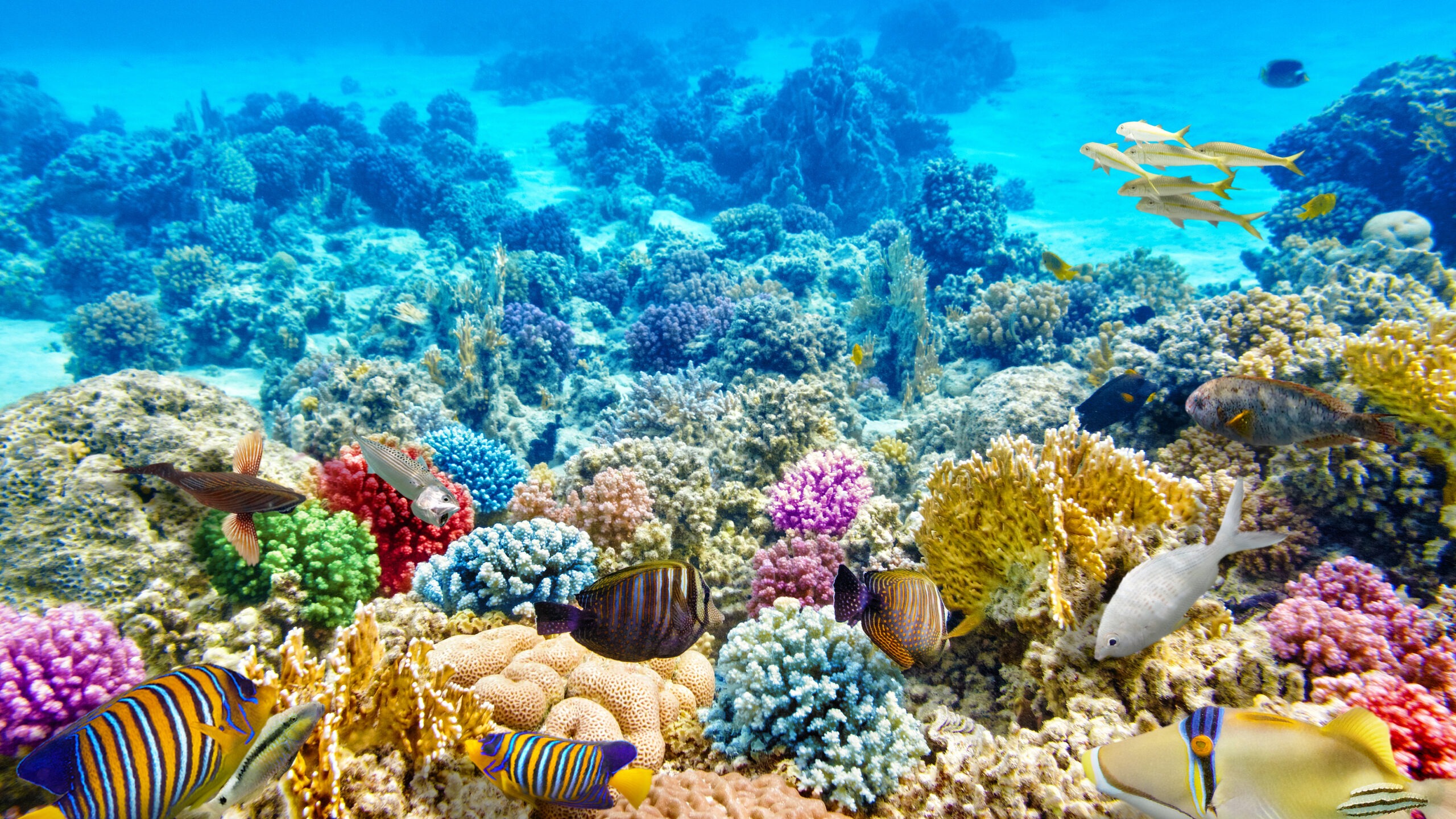
Coral reef in Fiji

Viking, in partnership with Italian shipbuilder Fincantieri, announced plans in 2025 for the Viking Libra, set to become the world’s first hydrogen-powered cruise ship when it launches in late 2026.

Currently under construction at Fincantieri’s shipyard in Ancona, the Viking Libra will use a hybrid propulsion system powered by liquefied hydrogen and fuel cells, allowing it to operate with zero emissions. The milestone marks a major step forward in sustainable cruising. The ship will carry just under 1,000 guests in 499 staterooms, offering the same small-ship experience Viking is known for while navigating sensitive marine environments safely.

“Viking made the principled decision to invest in hydrogen, which offers a true zero-emission solution,” said Torstein Hagen, chairman and CEO of Viking. “We look forward to welcoming the world’s first hydrogen-powered cruise ship to our fleet in 2026.”

Viking also confirmed that its next ocean ship, the Viking Astrea, scheduled for 2027, will feature hydrogen-based technology. As part of a larger growth plan, the company signed contracts for four additional ocean ships, with two confirmed for delivery in 2031 and two more under option for 2033.

Universal Plans New Theme Park Destination in the U.K.

Universal Destinations & Experiences made waves in 2025 with plans to bring a new Universal theme park, hotel and entertainment complex to the United Kingdom. Parent company Comcast NBCUniversal announced the proposed destination just south of Bedford, about 35 minutes by train from London.

The 476-acre site, purchased in 2023, is slated to include multiple themed lands, immersive attractions and an on-site hotel with 500 guest rooms, along with a surrounding retail, dining and entertainment district. While still subject to government approval, construction could begin as early as 2026.

With more than 80% of England’s population (and half of the U.K.’s) within a two-hour drive, plus easy access from continental Europe, the location is well-positioned for both domestic and international visitors, including planners seeking fresh incentive trip options.

“Bringing the Universal brand to the United Kingdom is another exciting step forward in generating future growth,” said Mark Woodbury, chairman and CEO of Universal Destinations & Experiences.

AI Surpasses Social Media in Travel Discovery, Says Accenture

ocean view in oahu, hawaii
Makapuu Lighthouse Lookout, Oahu, Hawaii

A 2025 report from Accenture signaled a major shift in how travelers discover and plan trips. According to “Me, My Brand and AI,” generative AI overtook social media and online travel agencies as a primary source of travel inspiration. Among active users, 37% turned to AI first, compared to 29% who used social platforms and 14% who relied on OTAs.

For meeting planners, the implications are significant. As AI becomes more trusted—36% of users described it as a “good friend,” according to the report—it is increasingly shaping how destinations, venues and experiences enter the consideration set.

“Brands that hesitate risk falling out of the consideration set altogether,” the report warned, while those that act now can help shape the future of AI-driven marketing and commerce.

The takeaway for planners: As the way people research and decide where to go evolves, so should the strategy behind how events get discovered.

American Airlines Introduced a New Business Tier for High-Spending Companies

Gaz, Austria
Gaz, Austria

In 2025, American Airlines rolled out AAdvantage Business Select, a new tier within its AAdvantage Business loyalty program aimed at companies spending $250,000 or more annually on travel.

Launching July 21, the enhanced tier offers up to 4% savings on eligible fares, Group 5 boarding for travelers and immediate access to use or transfer company-earned miles. The broader AAdvantage Business program allows both companies and employees to earn miles and loyalty points on bookings made through aa.com, the app or agency channels.

Businesses with at least five active travelers and $5,000 in spend can redeem or transfer miles, a threshold waived for Citi/AAdvantage Business cardholders.

“This new tier allows us to further enhance the benefits that our most valuable members earn,” said Lucas Martin, American’s senior vice president of sales.

For planners managing small or midsize travel programs, the update added new flexibility and incentive potential when aligning group travel with loyalty strategy.

‘Meaningful Travel’ Map of Hawaiian Islands Published by Tourism Cares

Bangkok night view in the business district

Nonprofit Tourism Cares expanded its global Meaningful Travel Map initiative in 2025 with the launch of a dedicated map for the Hawaiian Islands. The tool connects travel professionals and travelers with community-driven experiences that prioritize sustainability, cultural preservation and local well-being.

The map highlights eco-conscious tours, accommodations and organizations committed to protecting Hawaii’s natural and cultural resources. Its inclusion reflects a broader effort to create positive, lasting impacts through tourism, from immersive cultural experiences to community-led initiatives.

The Meaningful Travel Map project, relaunched globally in 2023, now includes more than 30 destinations and over 400 local impact organizations worldwide.

“At the core of our mālama Hawaiʻi message is an invitation to visitors who care,” said Daniel Nāho‘opi‘i, interim president and CEO of Hawaii Tourism Authority. “We support Tourism Cares’ work to expand the Meaningful Map Program to include Hawaiʻi.”

Marriott to Open Six New Hotels Across India in Major Deal with Brigade Group

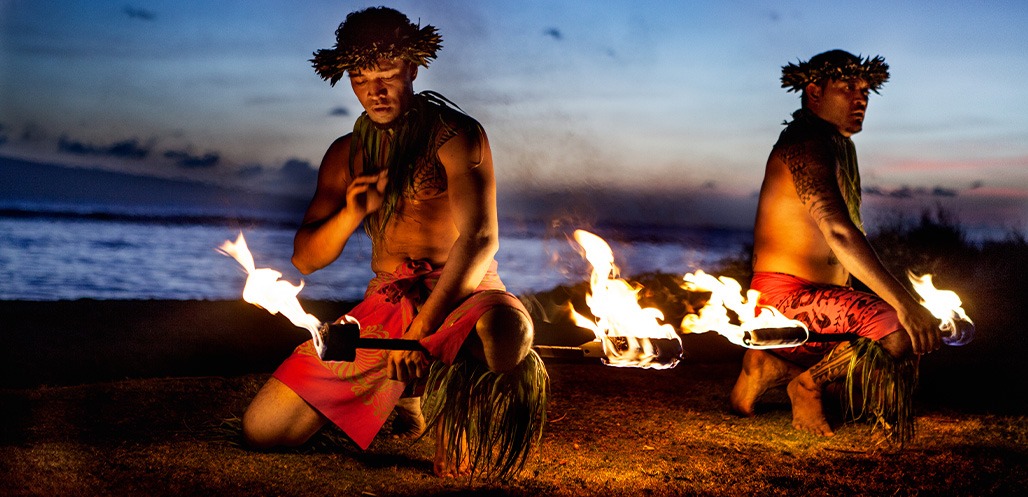
Two Hawaiian Men preparing to Dance with Fire in Maui

Marriott International closed out 2025 with a major expansion announcement, signing a multi-property deal with Brigade Hotel Ventures Limited to open six new-build hotels across four Indian cities.

The agreement adds nearly 1,000 rooms under five Marriott Bonvoy brands, significantly expanding Marriott’s footprint in southern India. Highlights include The Ritz-Carlton Vaikom Island, Kerala, a 70-villa retreat with private pools and backwater access planned for 2029, and the 250-key JW Marriott Chennai OMR, set to open in 2030 with a spa, gardens and 1,400 sq. m. of meeting space near the city’s IT corridor.

Additional Marriott, Courtyard and Fairfield properties are planned for Thiruvananthapuram, Chennai and Bengaluru, signaling continued growth in luxury and business travel—and new opportunities for planners seeking elevated venues in both emerging and established markets.

The 2025 Maritz Industry Trends report started out sunny. “The post-Covid years have been characterized by steady recovery of business events with a positive trend in bookings and attendance.” Sounds good so far.

Then the ominous clouds blew in. “With new political administrations in the U.S. and elsewhere, event organizers faced tariff whiplash, federal funding cuts and shifting international dynamics. Words we hoped to leave in 2020 like ‘attrition’ and ‘cancellation’ re-surfaced.” Oh, wow. Inflation, government shutdowns and the return of force majeure conversations. That wasn’t the blue sky we were looking forward to a year ago at this time.

Read More: Maritz 2025 Industry Trends Report

We sat down with Martiz Vice President of Sales Jamie Murdock who has been watching the industry from perches at Hyatt Hotels, Gaylord Entertainment and The Walt Disney Company over the last 30 years and asked him how meeting professionals can win in a volatile world.

Take the Long View

Murdock stressed that regardless of current conditions, meetings and events are a relationship business. Talking to brands about a package that locks in concessions and savings for multiple years could be a win-win that will smooth out the short-term spikes in chicken and egg prices. “If you are talking about multiple properties over years, some of the consolidation happening in hospitality might actually help,” he said.

Read More: 25 Unexpected Event Trends from 2025

Another suggestion was to bring in the destination marketing organization as early as possible as they can help with finding the right location, incentives and connecting with local vendors. These local flavor enhancers can also introduce nonprofits for CSR events that add meaning to a gathering.

“This is an untapped resource that isn’t just for large events,” he said. They can’t help if they don’t know about the event.

Talking to local experts will be even more important in 2026 as they will know what dates and places are tied up with FIFA World Cup and other big sporting events and when those expanded facilities will be open for corporate events to reserve.

This might be the year you consider a “discovery destination” or second- or third-tier city as an alternative to the likely suspects. “Look at destinations that maybe are not on your radar, that could be more budget friendly,” Murdock suggested.

Bonus, the 2025 Incentive Travel Index from SITE Foundation and IRF found that participants are eager to see new destinations so finding previously unvisited cities might help keep the program fresh and within budget.

Read More: Incentive Travel 2025: Trends, Challenges and Opportunities

Plan for the Next Generation

Sometimes planners throw everything possible into the event mix to try and satisfy everyone, but taking a moment to ask potential attendees what they want could help to focus dollars where they will be most appreciated. “We encourage planners to invite constituents to the design table and include them in the dialog,” Murdock said.

Read More: Maximizing the IRL Boost in the Era of AI

This collaborative approach will be even more important as 2030 approaches when 75% of the workforce will be comprised of Gen Z and millennial participants. “If we don’t start preparing for what they are looking for and what’s going to attract them then the show floor could be pretty quiet because there are so many options out there for how people can spend their time,” he said. That includes asking people who haven’t attended before what would make them want to travel instead of relying only on serial attendee to rate the things that are already in place. “Diversity of thought is only going to help make the event better by building a road map that fulfills the business outcomes attendees want,” Murdock added.

Once you have an agenda that appeals to a wider audience, ease new attendees into the action with pre-event virtual calls and on-site first-timer gatherings. That way everyone leaves with some familiar faces to find in the crowd. “Set the foundation at the beginning so that those first timers feel welcomed,” he advised.

Read More: How AI Can Weave Personalized Experiences in Your Event

To ensure the first is not the last time, planners may have to “pull a Netflix” and immediately begin personalizing messaging based on attendee behavior about why they might like to sign up for the next experience. “AI making us smarter and faster. Let’s use that data to make events better,” Murdock concluded.

Corporate Social Responsibility (CSR) is a business framework that looks how companies intentionally operate in ways that are ethical, sustainable and beneficial to society—while still achieving financial success. Here are some of the ways Smart Meetings focused on CSR and how best practices impact people, communities and the environment.

How to Organize a Build-A-Buddy Team Building Activation

Groups of hands in a circle

The good folks at Experience Kissimmee provided readers with step-by-step instructions on how to create sweet plushies that can be donated to charitable organizations supporting children in crisis. It’s all about working together to give back to the communities where we meet.

Hospitality Cares

Volunteers packing bags

This roundup looked at the specific ways hotels, DMCs, DMOs and more create opportunities to give back through in-event activations, donations and community outreach.

AI’s Environmental Impact: What You Need to Know

AI environmental impact article feature image of ree with soil growing on the converging point of computer circuit board. Blue light and wireframe network background

Editor Sara Robertson takes a deep dive into how AI use affects the environment, from electricity and water use to sourcing rare materials for processing in data centers—and how planners can use this information to reduce the carbon footprint of events.

Destination Management Companies: Good to Great

Outdoor event space

Partnering with a DMC is invaluable. They know how to source locally, not only to provide the sense of place attendees want, but also to help you achieve your sustainability goals, reduce your carbon emissions and leave the destination better than you found it.

Incorporating Sports into Meetings: A Game-Changer for Event Planners

Woman holding pickball paddle and ball

Attending sporting events is a fantastic way to give a sense of place to an event while also supporting local economies. Whether through competitive play, relaxing adventures or cheering on a team, sports can elevate the overall event experience, leaving participants energized, connected and more productive.

As the holiday season winds down, I hope you’ve had time to reconnect with the people who matter most and are already looking ahead to the adventures 2026 has in store. This first Smart Travel edition of the year opens with fresh momentum, packed with timely updates across destinations, hotels, airlines and beyond.

Thinking about a new European setting for your next meeting or incentive? Poland may be ready for its close-up. Is Chicago a key hub for your attendees? American Airlines has news worth noting. And if you missed CNN’s New Year’s Eve broadcast, one sun-soaked destination stole the show, so I’m here to press rewind.

As always, Smart Travel is here to bring you the latest updates shaping the way we move, meet and plan.

Kraków Strengthens Its Standing as a Leading European MICE Destination

Kraków wrapped up 2025 with a growing presence in the European meetings and events market, reinforcing its reputation as #TheHostCity through a year defined by growth, sustainability and high-profile partnerships. A major highlight: The city climbed 19 places in the GDS Index, earning recognition as one of the world’s fastest-improving destinations for sustainable development.

According to the latest Meetings Industry in Kraków report, the city hosted 4,647 business events in 2024, a 6.4% year-over-year increase, while overall event participation surged more than 35%, driven largely by a sharp rise in international meetings. Corporate and incentive programs dominated the mix, accounting for nearly 58% of all events, with hotels emerging as the leading hosts for business gatherings.

Kraków Convention Bureau played an active role in supporting 65 events and responding to 165 planner inquiries, including major conferences connected to Poland’s Presidency of the Council of the European Union. Kraków also boosted its global visibility through trade shows like IMEX Frankfurt, IMEX Las Vegas and IBTM Barcelona, hosting hundreds of B2B meetings and welcoming planners from the U.S., Japan, Finland and across Europe on site visits and fam trips.

Looking ahead, initiatives such as Kraków Network 2.0 and the new “Otwarta Bracka” industry forums signal a continued focus on collaboration, premium offerings and responsible growth, positioning Kraków for an even stronger presence on the international MICE stage.

American Adds 100 Daily Departures from Chicago

American Airlines is adding to its Chicago expansion with the launch of 100 daily departures from O’Hare International Airport (ORD) this spring. The boost, bringing total peak-day operations to more than 500 flights, marks a 30% jump from last year and restores American’s presence at O’Hare to prepandemic levels just in time for spring break travel.

The new schedule includes expanded service to more than 75 destinations, doubling flights from ORD to popular markets like Las Vegas, Panama City, Sarasota, Savannah and San Francisco. It also includes longer summer seasonal service to Paris and Dublin and improved connectivity to smaller cities such as Bloomington, Flint and Cedar Rapids.

Read More: Headlines vs. Reality: Chicago

“We’re committed to rebuilding our Chicago hub to be stronger and more compelling for our customers,” said Steve Johnson, American’s vice chair and chief strategy officer. “Strategic investments at O’Hare in 2025 set the stage for a record-breaking 2026, reflecting our unwavering commitment to our customers, team members and the Chicagoland communities we serve.”

The airline’s recent ORD investments include new gates, enhanced premium offerings and improvements to baggage handling and on-time performance. Enrollment in American’s AAdvantage loyalty program has surged 20% in Chicago—twice the systemwide growth rate.

The move solidifies American as the fastest-growing legacy hub carrier in the country and positions O’Hare as the airline’s third-largest hub overall.

Visit Lauderdale Debuts Global Campaign: “Never Lose Your Splash”

Visit Lauderdale kicked off the new year with a bold new global brand campaign, “Never Lose Your Splash,” celebrating the spirit and communities that define Greater Fort Lauderdale. Launched during CNN’s New Year’s Eve broadcast, the campaign showcases the destination’s carefree energy, diverse neighborhoods and expansive waterways, using storytelling and immersive visuals to inspire both first-time and returning visitors.

Read More: Florida: An Intersection of Meetings and Coastal Contact

“‘Never Lose Your Splash’ is about celebrating the spirit that makes Greater Fort Lauderdale feel different the moment you arrive,” said Stacy Ritter, president and CEO of Visit Lauderdale. “It’s a place where people feel free to be themselves, connect through our waterways and rediscover the joy of travel in unexpected ways.”

The campaign builds on strong momentum for the region, including new hotel openings, enhanced airlift and the expanded Broward County Convention Center.

Federal Appeals Court Blocks Hawaiʻi’s Cruise Ship Tourist Tax

A federal appeals court has temporarily blocked Hawaiʻi from enforcing the cruise‑ship portion of its new climate‑related tourist tax—just hours before it was scheduled to take effect at the start of 2026, CBS News reports. The law, signed in May 2025, had included an 11% levy on cruise passengers’ prorated fare while docked in Hawaiian ports, with counties allowed to add up to 3% more, all part of a broader effort to fund climate resilience efforts such as shoreline protection and wildfire mitigation.

Cruise Lines International Association challenged the tax in court, arguing it violates constitutional protections and would drive up travel costs. The 9th U.S. Circuit Court of Appeals granted an injunction pending appeal, halting enforcement of the cruise tax while the legal process unfolds.

Hawaiʻi officials have said they remain confident the law will be upheld on the merits, but the ruling underscores the complex legal and policy debates around new tourism‑related levies in the state.

The court order currently affects only the cruise ship tax; other portions of Hawaiʻi’s expanded tourist tax, such as increases on hotel and vacation rental stays, are not addressed in this ruling.

Blackstone to Acquire Australia’s Iconic Hamilton Island Resort

Blackstone is set to acquire Hamilton Island, a landmark resort destination in the heart of Australia’s Great Barrier Reef. The deal, announced Dec. 23, 2025, underscores Blackstone’s investment in luxury hospitality across Asia Pacific and globally. The 2,800-acre property spans two islands, includes five hotels (including the luxury qualia), more than 20 restaurants and bars, a full-service marina and an 18-hole championship golf course on neighboring Dent Island.

Chris Heady, chairman of Asia Pacific and head of real estate Asia for Blackstone, noted the firm’s commitment to “the long-term success of Hamilton Island, its people and its local businesses and community.” The acquisition builds on Blackstone’s portfolio, which includes Crown Resorts in Australia and a growing hospitality footprint across Japan, India and the Maldives.

The Oatley family, which has owned the island for more than two decades, called the sale a continuation of founder Bob Oatley’s legacy of transforming Hamilton Island into “one of Australia’s most loved and visited destinations.”

John Hazard

John Hazard

Salterra, a Luxury Collection Resort & Spa, announced the appointment of John Stanford Hazard as managing director. Hazard brings more than two decades of luxury hospitality experience across the Caribbean and U.S. markets. Most recently managing director of Grace Bay Club and Private Villa Collection, he was named Hotelier of the Year at the Star Awards. He will lead operations, brand strategy and guest experience as Salterra establishes itself as a premier destination in Turks and Caicos.

Gayle Klein

Gayle Klein

PRA appointed Gayle Klein as regional vice president for Northern California and Seattle. Klein will lead strategic direction, sales goals, client relationships and team leadership while contributing to the PRA business management team. She brings nearly two decades of experience across hospitality and event production, including leadership roles with Four Seasons, Fairmont and Kimpton Hotels. Heather Matusiak will continue overseeing Southern California and Las Vegas as regional vice president.

Steve Janicek

Steve Janicke

Montage Healdsburg named Steve Janicek as general manager. Janicek will oversee daily operations of the 258-acre resort in Sonoma wine country. He brings nearly three decades of hospitality experience across mountain and coastal destinations, including leadership roles at Omni Mount Washington Resort and multiple Ritz-Carlton properties. A graduate of Humboldt State University, Janicek brings strategic vision and operational expertise to further elevate the guest experience at Montage Healdsburg.

Hiren Prabhakar

Hiren Prabhakar

Fairmont Century Plaza appointed Hiren Prabhakar as general manager. Prabhakar brings more than 30 years of luxury hospitality experience across five continents and will lead the continued evolution of the 400-room Los Angeles landmark. His career includes leadership roles with Oberoi Hotels and Resorts, Burj Al Arab, The St. Regis, InterContinental and Marriott. He joins Fairmont Century Plaza following a distinguished record of award-winning hotel openings, operations and guest experience excellence.

Ed Silver

Ed Silver

Explore Asheville has named Ed Silver vice president of business development. Silver brings more than 25 years of experience in travel and hospitality with executive leadership roles at Flight Centre Travel Group, iSeatz and the Global Business Travel Association. In his role, he will lead business development strategy focused on growing meetings and group travel, building new partnerships and advancing tourism goals while strengthening Asheville’s visitor economy for residents and visitors.

Jason Baer

Jason Baer

Hyatt Regency Huntington Beach Resort & Spa announces the appointment of Jason Baer as director of sales and marketing. Baer brings more than 15 years of Hyatt experience and will oversee sales, marketing and event initiatives for the 519-room oceanfront resort. Most recently, he served as director of sales and marketing at Hyatt Regency Maui Resort and Spa, leading record group performance and innovative digital campaigns. He previously held leadership roles at Hyatt Regency Indian Wells and Manchester Grand Hyatt San Diego.

Joe Hautem

Joe Hautem

Jackson-Shaw and Holualoa Companies have named Joe Hautem director of sales for the dual-branded AC Hotel by Marriott North Phoenix at Norterra and Element by Westin North Phoenix at Norterra. Hautem brings more than 20 years of luxury hospitality sales experience with leadership roles at Arizona Grand, The Scott Resort, FireSky Resort and Aloft Phoenix. He will lead sales strategy and market visibility for the 277-room dual-branded property serving business and leisure travelers in North Phoenix.

Keola Shimooka

Keola Shimooka

Keola Shimooka has been named director of sales at Hilton Madison Monona Terrace. Shimooka will oversee the sales team with a focus on elevating guest experience and driving client satisfaction. Most recently he served as convention sales manager at Destination Madison and previously spent more than 20 years at Marriott West in Madison in banquet, events and sales roles. He is a recipient of Meeting Professionals International Wisconsin Chapter’s Industry Advocate Award for 2024 and 2025.

Chris Watson

Chris Watson

Grand Hyatt Baha Mar has appointed Chris Watson as director of sales and marketing. Watson brings more than 20 years of leadership experience with Hyatt Hotels, most recently serving as area vice president of field sales, overseeing more than 300 hotels across the U.S., Canada and Mexico. In his role he will lead on-property sales and marketing teams, driving revenue growth, market share and brand presence across group, transient and catering segments.

Chevaz Chambers

Chevas Chambers

Atlantis Paradise Island has appointed Chevaz Chambers as manager of Harborside Resort at Atlantis Paradise Island, complementing his role as vice president and general manager of The Coral. Chambers brings extensive hospitality experience across food and beverage, hotel operations and guest services, including prior leadership at Harborside Resort and Melia Hotels International. He also serves as Treasurer of the Bahamas Hotel and Tourism Association and will continue driving excellence across both properties.

Madeline Wolfe

Madeline Wolfe

The Jay, Autograph Collection has appointed Madeline Wolfe as marketing and partnership manager, a new role for the hotel. Wolfe will lead integrated marketing campaigns, local partnerships and on-property activations to elevate the hotel’s visibility and connect with San Francisco’s culture and community. A San Francisco native, she brings experience in campaign strategy, digital marketing and client engagement from previous roles at J. Wade Public Relations and af&co and holds a Bachelor of Science in Advertising from the University of Oregon.

The Smart Meetings webinar series enables our team to have in-depth and engaging conversations with experts across various fields, while also allowing attending meeting professionals to earn continuing education units (CEUs). These were the five most popular sessions of the year.

Contract Negotiation Strategies for 2025

Tyra Warner, associate professor and chair of the Department of Hospitality, Tourism and Culinary Arts at College of Coastal Georgia, offered a clause-by-clause presentation on how to successfully negotiate contracts to get what you want at a price you can afford.

2025 Hospitality Predictions from Michael Dominguez

Image of a waiter in the service and hospitality industry and restaurant industry no face

Dominguez, president and CEO of Associated Luxury Hotels International, made his annual January appearance to explore evolving trends, shifts in consumer behavior and innovative strategies that could reshape the way we think about meetings and events.

AI-Powered Career Success

This popular webinar lifted the curtain on how AI is transforming the future of work for event professionals and what this means for your career path. The session included reviews of practical AI tools to improve efficiencies, as well as access to a free, custom tool specifically designed for event professionals.

Expert Tricks for Meaning-Rich Events on Any Budget

Smart Meetings invited three industry leaders to provide real-world examples, teaching about what can be negotiated, how to explain budget realities to decision-makers and what minor adjustments can make a big difference in the contract and attendee impressions.

Demystifying AV Contracts

Audiovisual can be one of the highest costs for your event. Scott Frankel, president of Animatic Media, brought his decades of experience to explain how to negotiate a package that includes all the things you need and none of the things you don’t, even if you don’t speak tech.