Kevin Sterling

Headshot of Kevin Sterling
Kevin Sterling, Ocean Edge Resort & Golf Club

Ocean Edge Resort & Golf Club welcomes Sterling as executive director of food & beverage. He brings over 25 years of experience in leadership and upscale hospitality management. He has spent his career delivering exceptional results in the food and beverage operations under his direction, and brings an innovative approach to menu programming and implementing mixology initiatives.

Jason Hammett

Headshot of Jason Hammett
Jason Hammett, Radisson Salt Lake City Downtown

Radisson Salt Lake City Downtown appoints Hammett as executive chef. He will oversee all food and beverage operations at the hotel, including Copper Canyon Grill House & Tavern and all banquets and events. Hammett brings over two decades of experience and a vision for a culinary program focused on elevated, traditional favorites that feature the best of Utah’s produce, meats and cheeses and seasonal ingredients.

Scott Rackliff and Stefan Pierce

Smart Moves headshots of Scott Rackliff (left) and Stefan Pierce (right)
Scott Rackliff (left) and Stefan Pierce (right), Paséa Hotel & Spa

Paséa Hotel & Spa, in Huntington Beach, California, brings in two executive members to lead its culinary team at new restaurant Lōrea and rebranded Treehouse on PCH.

Rackliff will serve as executive chef for Lōrea. He has held culinary roles at numerous luxury resorts, including The Equinox Resort and Spa in Vermont and Sanderling Resort in South Carolina, in addition to serving as the corporate chef for celebrity chef David Burke, through all of which he brings years of experience creating unique dishes.

Pierce takes on the role of chef de cuisine for Lōrea. With a background in esteemed Los Angeles dining establishments, such as Barton G. The Restaurant in West Hollywood and Steak 48 in Beverly Hills, he brings strong experience and a deep understanding of what it takes to make Paséa a true culinary destination.

Scott Han

Smart Moves headshot of Scott Han
Scott Han, The Watermark Hotel

Han joins Wren at The Watermark Hotel as sous chef. He has spent 15 years in the hospitality industry, and 13 of those years in the kitchen, owning and operating restaurants throughout. He brings experience in Chinese, Korean, Thai, Indian and Modern American cuisine, but focuses especially on Japanese cuisine, which he looks forward to furthering at Wren.

Harry W. Siebert

headshot of Harry W. Siebert
Harry W. Siebert, Tampa Marriott Water Street

Tampa Marriott Water Street appoints Siebert as director of restaurants. He will oversee all aspects of the property’s food and beverage management, including restaurant staffing, strategic planning and community involvement. His career has taken him to numerous notable establishments such as The Meritage Resort & Spa and more recently Omni William Penn and The US GRANT.

Peter Chea

Smart Moves headshot of Peter Chea
Peter Chea, The Fenway Hotel

The Fenway Hotel in Dunedin, Florida brings in Chea as chef de cuisine of its signature restaurant, HEW Parlor & Chophouse. Chea will draw from over 10 years of culinary experience to play a role in menu development, food presentation and kitchen operations. His experience spans both chef de cuisine and executive chef roles at organizations including The Chateau Restaurant Group and Simply Gourmet Caterers. He has worked alongside James Beard-winning chefs, and won first place in his culinary class portfolio at The International Culinary School at the Art Institutes.

Hugo Goodwin

headshot of Hugo Goodwin
Hugo Goodwin, The Rusty Parrot Lodge & Spa

Goodwin joins The Rusty Parrot Lodge & Spa as executive chef of the property’s acclaimed restaurant, Wild Sage. With a passion for food etymology and terroir, he aims to break down barriers of perceived authenticity and increase accessibility. At the restaurant, he will establish a contemporary American style with a strong sense of place rooted in the northern Rockies. He brings over 20 years of experience in the culinary world.

Richard Hutton

Smart Moves headshot of Richard Hutton
Richard Hutton, The Hermitage Hotel

The Hermitage Hotel appoints Hutton as executive chef. He will oversee restaurant Drusie & Darr and The Pink Hermit café and wine bar, working under and collaborating with world renowned chef and restauranteur Jean-Georges Vongerichten. Hutton brings over two decades of culinary experience, most recently serving as the corporate executive sous chef of Liberty Entertainment Group.

Reyn Nishizuka

headshot of Reyn Nishizuka
Reyn Nishizuka, The Westin Hapuna Beach Resort

The Westin Hapuna Beach Resort welcomes Nishizuka as chef de cuisine at the property’s premier dining venue, Meridia. He brings 15 years of culinary experience, through which he has developed a rich culinary background in a diverse array of cuisines, including French, Chinese, Italian, Mediterranean, Fusion and more. Nishizuka will work to craft the restaurant’s menus, oversee daily kitchen activities and supervise the kitchen.

Stephan Fitz

Smart Moves headshot of Stephan Fitz
Stephan Fitz, The Adolphus

Dallas hotel The Adolphus appoints Fitz as director of food & beverage. With two decades of experience in the industry and in notable leadership roles, Fitz will oversee the hotel’s five distinct dining experiences, as well as its banquets and catering program. He has served in multiple director of food and beverage roles across leading hotels, including The Boca Raton in Florida and The Capital Hilton in Washington, D.C.

Read More: F&B Smart Moves in Orlando, Puerto Rico and More

Cost-effective, accessible and trendy

Are you a stateside planner looking for a change of scenery? Canada, our neighbor to the north, packs a hefty offering for event planners looking to entertain and entice guests.

Smart Meetings reached out to Laura Pallotta, regional vice president of sales and distribution of Canada Marriott International, who offered up some insights to the latest relevant travel trends for planners looking to sculpt an international experience.

Big Meetings Love Canada

Following Covid-19 pandemic, Canada is seeing the return of U.S. association customers.

“We’re also seeing a rise in corporate meeting and launch events with tradeshows and incentive trips. Canada is currently the top destination for incentive trips among U.S. and European buyers,” says Pallotta.

Some of the major cities that are being sought out by international travelers include Vancouver, Toronto and Montreal—what all these cities have in common is a cosmopolitan appeal and stellar convention centers.

Calgary is also an excellent choice for planners, with venues like Canada’s first purpose-built convention center, the Calgary TELUS Convention Centre. Planners also have the choice of the newly expanded BMO Centre, with 1 million square feet of space, making it the largest convention center in all of western Canada.

“This infrastructure, along with additional air lift into the market and incredible pre and post opportunities to visit the Canadian Rockies, makes Calgary an exciting option for meeting planners,” says Pallotta.

The Gen-Z Factor

To prepare for the future, it is always important to remember the kind of clientele you want to attract, and Canada is well-aware of who that is.

“Gen Z is our future traveler’s meeting planner and decision maker. Based on research derived from booking trends, it’s clear that experiences (and travel) are at the top of their list,” says Pallotta, “Marriott is building and evolving our portfolio of brands to meet those needs into the future including diversifying into apartments, mid-scale hotels that meet every budget, glamping and cruise offerings.”

Marriott has also opened Moxy Halifax Downtown and Moxy Banff, which Pallotta says is well suited for the Gen-Z demographic.

Read More: Gen Z Meeting Professionals Navigate Industry Challenges and Hope for Future

Marriott Bonvoy has also made substantial efforts in building local partnerships that allow for visitors to get opportunities. “Our partnership with Live Nation Canada provides our guests with one-of-a-kind opportunities like early access, premium seating, meet and greets and more,” says Pallotta.

Gen-Z travelers will also appreciate the outdoor activities available to them such as cycling and skiing (heli-skiing: off-trail, downhill skiing. Participants use a helicopter to get to remote mountain areas that aren’t usually reachable via ski lift.)

International Value

By selecting Canada for their next meeting, planners can expect get great value, despite concerns of inflation.

“Our hotel rates compared to most major U.S. cities are more cost effective—especially between November and April when hotel occupancies are more driven by business and group travelers rather than leisure,” says Pallotta.

If access is a concern, Pallotta says, “in addition to being very safe, we have convenient access through airline partners such as Air Canada/United; and Delta/WestJet and Porter are expanding to many major US cities. Border (drive market) traffic is also strong and provides easy access, as most large Canadian cities are within two hours of the U.S. border.”

Unique Meeting Spaces

In Canada, Marriott Bonvoy has 280 hotels across 21 brands and offers a diverse collection of spaces and offerings for meeting planners to think beyond the traditional boardroom.

Read More: Eastern Canada: Take to The North

Here are a few examples:

Muir, Autograph Collection

Halifax, Nova Scotia

This one-of-a-kind oceanfront property boasts multiple meeting spaces with 360-degree water views as well as a 36-foot Morris yacht, Little Wing, available to rent for a truly extraordinary gathering.

Delta Hotels, Mont Sainte-Anne, Resort & Convention Center

Beaupré, Quebec

Because fun and games don’t have an age limit! In the hotel’s lively Game Room, rack ‘em up post-meeting for a game of eight-ball at the pool table, strike a mean serve at ping-pong, score a goal during a game of air hockey or foosball, or challenge an opponent at several other game options.

Montreal Marriott Chateau Champlain

Montreal, Quebec

With its over-the-top Moulin Rouge inspired décor, the hotel’s Le Caf Conc theatre space will steal the show for a meeting or a special evening event for up to 200 guests.

Marriott Downtown at CF Toronto Eaton Centre

Toronto, Ontario 

The hotel’s PAR BAR Topgolf Swing Suite combines an intimate lounge experience with an exciting virtual games venue including two semi-private bays featuring oversized screens. This interactive space can be rented for private parties or for after-work team building fun.

Kananaskis Mountain Lodge, Autograph Collection

Kananaskis, Alberta

Gain exclusive access to 50,000 sq. ft. of relaxation at the hotel’s Kananaskis Nordic Spa and treat your group to indoor-outdoor hydrotherapy amid a tranquil space. Buyout packages are available for group bookings of 10 or more.

As event and meeting professionals, our lives are filled with tight schedules, constant travel, and the pressure to perform at our best, often leaving little room for self-care. For women, understanding and aligning with your body’s natural rhythms can be a game-changer in managing these demands. Our menstrual cycle is much more than just menstruation.

It’s a dynamic process driven by a delicate balance of hormones that influence every aspect of our well-being—from mood and energy levels to strength, cravings, and mental clarity. By understanding these hormonal shifts, you can tailor your workload, travel plans, and projects to optimize both your professional performance and personal health.

The Menstrual Phase (Days 1-5): Rest and Reflection

During the menstrual phase, estrogen and progesterone levels are at their lowest, leading to lower energy and a natural need for rest. This is the time to focus on lighter tasks, strategic planning, or even take a step back if possible. Embrace this phase as an opportunity for reflection, allowing yourself to recharge before diving back into high-intensity work.

For event professionals, this could mean scheduling fewer meetings, avoiding long-haul travel, or delegating responsibilities that require a high energy output. It’s also a great time to engage in gentle exercises like yoga or walking to maintain a connection with your body without overexertion.

The Follicular Phase (Days 6-14): Energy and Creativity Surge

As you move into the follicular phase, estrogen levels begin to rise, boosting your energy, mood, and overall vitality. This is the time when you’re most likely to feel optimistic, creative, and ready to take on new challenges. It’s an ideal phase for brainstorming sessions, creative projects, and high-energy events that require you to be on top of your game.

Read More: New Group Focuses on Physical, Mental and Career Health of Meeting Profs

Maximize this phase by tackling your most demanding tasks, setting ambitious goals, and even scheduling travel if needed. Your body is primed for action, and your mind is sharp, making this the perfect window for high-performance activities.

The Ovulatory Phase (Days 15-17): Peak Performance

The ovulatory phase is marked by peak estrogen levels and a surge in luteinizing hormone (LH), which not only triggers ovulation but also boosts your confidence, sociability, and mental clarity. This is when you’re likely to feel your most energetic and driven—a great time for public speaking, client presentations, or launching new projects.

For event professionals, this is your moment to shine. Schedule important meetings, network aggressively, and take on challenging projects with the confidence that you’re operating at your best. Physically, it’s also an excellent time for intense workouts or activities that push your limits.

The Luteal Phase (Days 18-28): Balance and Self-Care

As you transition into the luteal phase, progesterone levels rise, creating a calming effect but also potentially leading to premenstrual symptoms (PMS) as the phase progresses. This is a period of introspection and creativity, but it can also be challenging if not managed well.

Read More: The Convergence of the Events and Wellness Industries: Why Event Planners Should Care

During this phase, it’s crucial to balance your workload with self-care. Prioritize tasks that require focus and attention to detail, but avoid overloading your schedule. This is also the time to practice mindful nutrition—opt for foods that stabilize your blood sugar and reduce cravings, such as complex carbohydrates and proteins. If you’re traveling, plan for shorter trips or build in recovery time to avoid burnout.

Tailoring Your Professional Life to Your Cycle

Understanding your menstrual cycle’s impact on your mood, energy, and performance allows you to align your professional life with your body’s natural rhythms. By scheduling your most demanding tasks during your peak phases and allowing for rest and reflection during lower energy periods, you can maintain high performance without sacrificing your well-being.

For event and meeting professionals, this biohacking approach can be a powerful tool in managing the unique challenges of your field. Whether it’s planning events, handling logistics, or traveling frequently, aligning your work with your cycle can lead to better health outcomes and a more sustainable career.

Start the Conversation

How do you manage your workload and well-being as an event professional? Have you tried aligning your schedule with your menstrual cycle? Share your experiences in the comments, and let’s empower each other to thrive in our personal and professional lives.

For more practical insights on how to biohack your health and optimize your performance on event sites or when traveling to and from events, follow our Fit Mindful Mavens #fit4events LinkedIn page or reach out to discuss how you can implement these strategies in your daily routine. Let’s harness the power of our natural cycles together—because when we understand our bodies, we can truly optimize our lives.

Anca Platon Trifan wearing black shirtAnca Platon Trifan, CMP, DES, PMED, is CEO of Tree-Fan Events, a 2023 Smart Meetings Catalyst Award winner, 2024 Smart Meetings Smart Speaker Award winner.

Comfortable & convenient is calling your name.

Three new and renovated hotels in Corpus Christi, Texas, Detroit and Grand Mound, Washington, offer the latest and greatest with refreshes that keep guest (and attendee) comfort, ease and access top of mind.

From the classic convenience of an airport hotel to the fun-filled water park of a Great Wolf property, here are three reinvigorated options to meet the unique needs of your next conference or meeting.

Back to the Roots

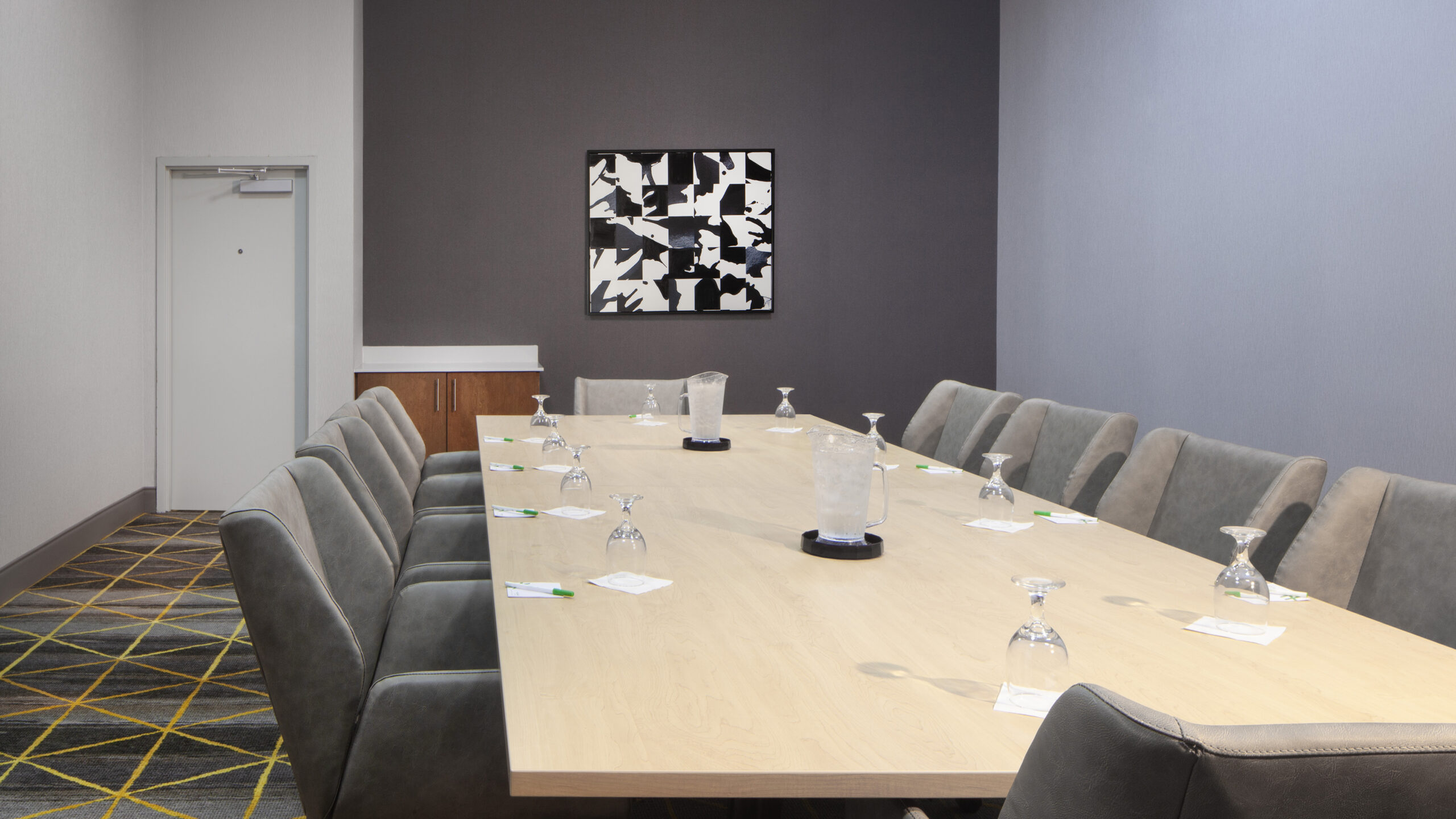
Holiday Inn Corpus Christi Airport & Conference Center for New and Renovated
Meeting space at Holiday Inn Corpus Christi Airport & Conference Center

Holiday Inn Corpus Christi Airport & Conference Center wraps up a full renovation and rebranding, now managed by Remington Hospitality. The hotel originally opened in 1981 as a Holiday Inn and later transitioned to the Corpus Christi Airport Hotel. This renovation brings it back to its roots as part of the Holiday Inn brand.

In addition to its convenient location as an airport and conference center hotel, it stands near the Port of Corpus, making it particularly ideal for guests associated with Corpus Christi’s oil and gas enterprises and welding firms.

With 236 guest rooms for prime relaxation and an on-site bar and restaurant, in addition to a lobby designed to function as a communal space catering to both productivity and rest, the hotel creates a prime meeting atmosphere. Its 6,800 sq. ft. of versatile meeting space will meet the demands of local and visiting business travelers.

In the Center of it All

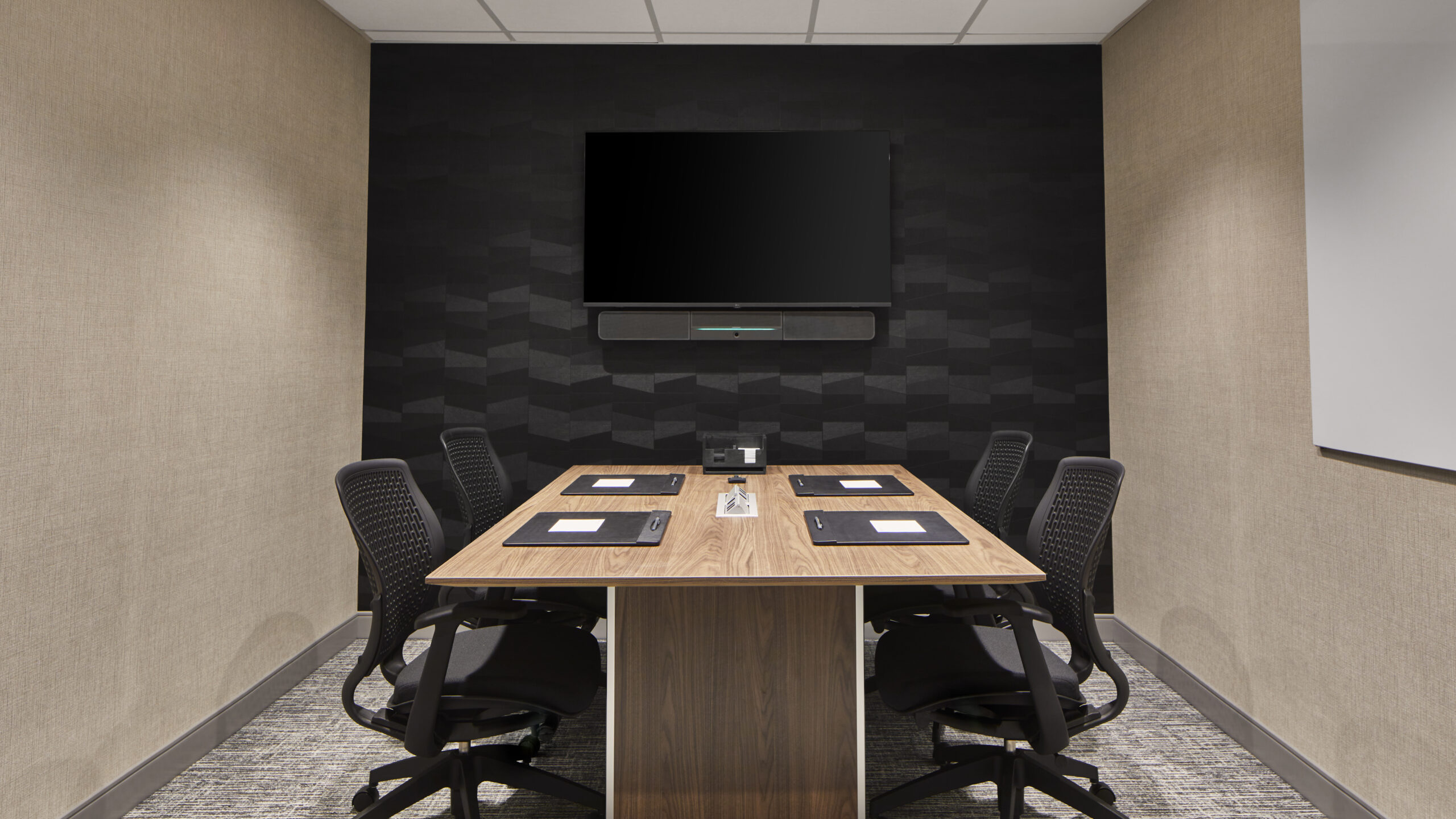
Courtyard by Marriott Detroit Downtown
Conference room at Courtyard by Marriott Detroit Downtown

Courtyard by Marriott Detroit Downtown unveils an expansive renovation of both its interior and exterior. Its location inside the Millender Center provides guests with easy access to the Renaissance Center, Millender Center Detroit People Mover Station and the Coleman A. Young Municipal Center through an enclosed skyway.

The hotel offers 260 of some of downtown Detroit’s most sizeable guest rooms, upgraded with modern fixtures and a contemporary design. It also offers an indoor pool, sauna and upgraded fitness amenities in its COR fitness center—and its cardio center features an overlook of downtown Detroit.

All existing meeting and event spaces have been upgraded to include all-in-one meeting system NodesNow, which offers 86” display projection screens with multi-touch interface. New meeting spaces have also been added, and the hotel offers everything from individual breakout rooms to mid-size rooms and large conference rooms, bringing the grand total of meeting space to 5,200 sq. ft.

Read More: Detroit: A Very Welcome Buzz

For Great Conferences (and Fun!)

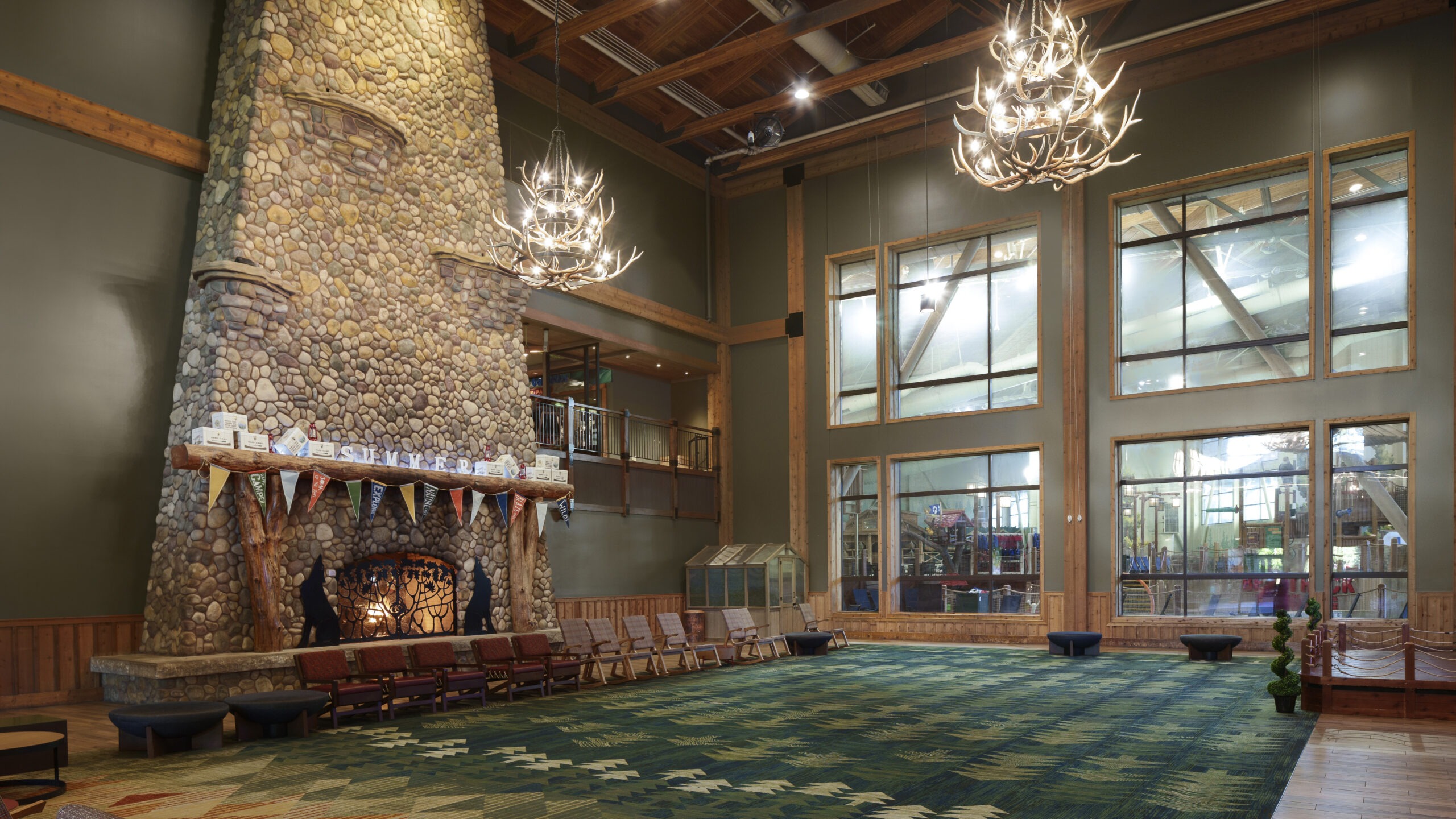
Great Wolf Lodge Grand Mound for New and Renovated
Lobby at Great Wolf Lodge Grand Mound

Great Wolf Lodge Grand Mound completes a $40 million renovation with additions and updates across all guest suites, the water park, attractions, restaurants and the expansive 20,000-square-foot conference center.

All guest suites now feature brand new furniture, mattresses, flooring and more, with the addition of themed rooms with character art and a new room category in the Wolf Den Skylight Suites, which include a cave-themed sleeping area with bunk beds.

The resort introduces two new full-service restaurants with Fireside and Timbers Table & Kitchen. Multiple new quick service eateries include Fatburger, Buffalo’s Express, Hot Dog on a Stick and Pretzelmaker. These new eateries are in addition to the existing Freshwoods Market, ideal for grab-and-go, which includes the new Woods End Creamery, and the existing quick service Great Wolf staple, Hungry as a Wolf.

The conference center has been fully upgraded with new flooring, paint and fixtures. The flexible design with numerous breakout rooms, and essential technologies such as built-in A/V, and convenient customizable catering round out to make an ideal conferencing space.

At a recent conference for business-event planners, executives from four hotel-ownership companies sat on stage and presented the ugly truth: Costs for just about every element of group events are up a lot compared to pre-pandemic days. What’s more, those executives say that today’s elevated rates are not a temporary blip, but rather the foundation for future prices.

Especially at hotels and convention centers in the top 25 cities in America (known as “first-tier” destinations), the costs for labor, food and beverage, energy, and other items have gone up between 20 and 30 percent over the past four years—far above the rate of general inflation. And as event planners nationwide will attest, their budgets have not risen anywhere near 20 percent in the last few years.

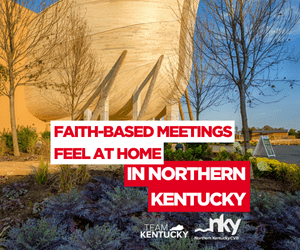
On the other hand, there is at least one destination where business events, faith groups, military reunions, sports tournaments, and others can have a great experience without worrying about blowing up their budgets or charging attendees a lot more than they did in the past.

That destination is Northern Kentucky, and here are just some of the reasons why that’s the case:

NKY’s central location and well-served airport make event travel easy. Stefanie Wyckoff, Director of Convention Sales for Northern Kentucky Convention & Visitors Bureau—also known as meetNKY—points out that nearly 40 percent of the U.S. population lives within an eight-hour drive of the Cincinnati/Northern Kentucky metro area. In addition, the average round-trip airfare for Cincinnati/Northern Kentucky International Airport is just $346, more than $20 lower than the national average.


With the international airport just 12 miles from the Northern Kentucky Convention Center, the cost of getting from the airport to the convention district in Covington is small.


The Northern Kentucky Convention Center is known for its reasonable rates for various event elements, including its food and beverage. For instance, a gallon of coffee—which can be $150 at hotels and event venues in many large cities—is less than $60 at NKYCC. You can check out the center’s full catering menu and its friendly prices here.

Another NKYCC budget benefit: There’s free Wi-Fi throughout the center, helping to keep down audiovisual costs while making the attendee experience smooth and easy.


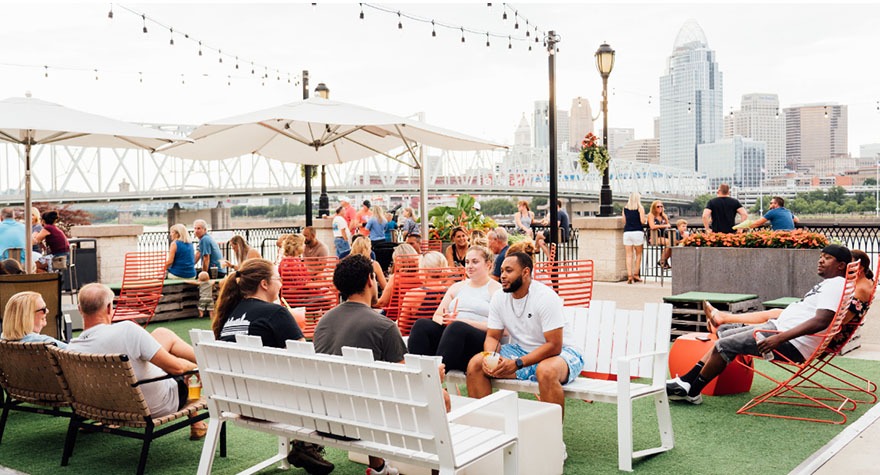
The neighborhoods surrounding Covington’s convention district—including Roebling Point, Madison Street, and Mainstrasse Village—each have a variety of restaurants that offer local flavor at good prices. And getting to those neighborhoods is easy and inexpensive, because the Southbank Trolley System operates nearby to all those neighborhoods and costs only $1. The trolley even crosses the Ohio River and runs through downtown Cincinnati, giving event attendees several more restaurant choices. Then again, that district is an easy walk from NKY Convention Center across the Roebling Bridge—a no-cost adventure!


With all of these financial advantages available in a centrally-located destination with great hotels and gathering spaces plus a unique history and culture, it’s clear that Northern Kentucky should be on the radar of any event planner looking to deliver a great experience without busting the budget.

An interview with MAS Chief Experiential Officer Aaron Levinthal

You remember it clearly—the last event you attended that featured an infernal racket masquerading as background music. The audio element of any meeting is essential, setting the mood and defining the energy upon attendees’ arrival. Is your event fast-paced, slow and steady or a buttoned-up formal affair? For each of these (and everything in-between), the right music is crucial to the overall enjoyment of your meeting or event.

Aaron Levinthal wearing black long sleeve shirt, crossing arms
Aaron Levinthal

I spoke with Aaron Levinthal, chief experiential officer of MAS, an experience agency that works “from ideation to execution to evoke emotion through bold moments—big or small, physical or digital.” When it comes to setting the soundtrack to meetings and events, Levinthal has seen it all, and shares a few key takeaways for meeting profs.

When music is not the focus of an event, not everyone fully grasps its importance. What are some reasons why the audio element is so crucial?

You’re trying, ideally, to affect the energy of your attendees in one way or the other, either to get them excited, or get them to settle in before a heavier presentation. We always encourage a live DJ, even if they’re not onstage. Then, you have a live curation of those moments and someone reacting to how anything is working. “Okay, I thought this song would work to get this effect, but it’s not. So, let’s try something different.”

You need someone in that moment just as you need a technician  running your lighting for your video cues. When you try to save money by doing it with a playlist, it doesn’t evoke the same emotion and isn’t that much of a savings. It doesn’t have to be someone in a booth with lasers up on the stage.

What are some key considerations you think about when curating music? Where do you begin?

I’m a big believer in turning to professionals. Even if we’re going with a playlist, we try to put someone who understands the client, the clientele and the brand, to put a playlist together as opposed to just buying a premade playlist. We just don’t find they work so well. And inevitably, you’re standing there onsite with your client, when some song they hate comes on that you didn’t even know was on the playlist. And then you have to explain it.

Are there any “safe bet” genres for meeting profs without a budget to hire an expert? Do you have any recommendations for those who need to do it on their own?

Unless you are incredibly confident in your ability to put a playlist together—you’ve been doing it for years and all you get are compliments from all your friends who enjoy different genres—I wouldn’t take that on myself. Another great opportunity is finding a DJ you wish you could hire and ask them to make a playlist.

You could also ask your client, “Do you have anyone in-house who works for you that knows your brand and could give us some direction?” Don’t be afraid to ask your clients questions to help them solve the situation they’ve asked you to help them solve.

What are some resources you recommend to meeting profs who are new to this process?

If the venue is already chosen, go stand in the middle of it. Because that’s going to tell you how loud the space is, how reflective it feels, if there is going to be a lot of echo. Is there a lot of traffic outside, or does it make a lot of noise when I walk across the floor? Understanding the environment you’re working in is key. Maybe the goal of the music isn’t just to inspire or move people, but it’s also to cover something or highlight key moments.

I’ve never walked into a venue where the first thing I do in the center of the room isn’t slam my foot down on the floor, because it’s going to tell me so much of what I need to know. Do I need to bring in drape? What do I need to do to try and soften it? That’s always a good spot to start.

Find out if there’s a vendor you are required to use. They can tell you a lot of the things you need to know about that room such as “Every day at three o’clock a whistle goes off across the street.” With that knowledge, you can build your programming to make sure it’s not a key moment in the presentation.

Ask your clients questions. Anyone who’s been in the room before you is more of an expert than you are. One of the true goals of a producer or an event designer is to put together the best program they can before they have all the information they’ve got. It’s educated guessing. You want to get as much data as you can about the space, the people, the attendees, the presenters, the CEO of the company… If you can put those things in a single bucket, you’re going to get a pretty good sense of what you’re trying to do at those moments.

The Circular Joy of Aligned Attendees

How do you get everyone singing from the same songbook, as it were? How about a drum circle? At an activation for the new Convene 100 Stockton in San Francisco’s Union Square, Entire Productions brought the music scientists from Rhythm Quest to the 53,000-square-foot, tech-enabled venue spread over two floors in the former Macy’s Men’s Store building to bring out the playful side of a group of meeting professionals. By establishing a beat to set a shared purpose, the team made space for individual expression around the room. The result was music to this editor’s ears.

– JT Long

Long wait times and inflationary pressure linger at in-person-only medical meeting

The arrival in Seattle of 11,631 attendees for the 2024 Association for Research in Vision and Ophthalmology (ARVO) conference in May was the culmination of a logistical struggle to return to bringing the world of eye doctors together to 2019 levels. Challenges with visa approvals, global economic conditions and attendee procrastination required creative planning on the part of the ARVO team.

Last Minute Registration Shuffle

Lancey Cowen smiling
Lancey Cowen

A recent Maritz study showed that 45% of attendees from 30 trade shows register within four weeks of the event date. The Vision for the Future ARVO 2024 conference didn’t see half of attendees waiting until the month before, but more than 600 were late registrants, according to Lancey Cowan, chief officer for meetings and community engagement at ARVO, the only event of its kind where ophthalmologists can publish their research.

“They don’t register onsite as much as they used to,” she reported. International visitors, in particular, must plan ahead more now (more on that later), but the number who registered in the last month was on par with what she saw in 2019, when 700 registered onsite for the From Bench to Bedside and Back ARVO conference in Vancouver.

Cowan canceled her May 2020 event, allowing researchers to upload their abstract presentations to a library. The event went fully virtual in 2021 and was staged as a hybrid event in 2022 in Denver. The New Orleans 2023 conference drew 9,800 people with some virtual content available. The 2024 conference at Seattle Convention Center was heralded as a return to almost completely in-person, with the ARVO Foundation Gala at the new Seattle Convention Center Summit Building ballroom.

Read More: Seattle Convention Center Summit Expansion

“This year feels a little bit easier,” Cowen said. Only the general sessions and award lectures were recorded. “We found that people weren’t engaging with the recorded content,” she said. Streaming, too, was limited because of the challenge of presenting live to attendees in different time zones who were busy performing surgeries, conducting clinical duties and, generally, working.

While the annual meeting focuses on sharing scientific abstracts in person, an online virtual education department covers education courses and a virtual professional development conference in the fall is where reporting on health outcomes is the centerpiece.

A Global Resource

The annual ARVO conference is known as the best of the best for sharing research in the industry. For that reason, Cowan watches international attendance numbers closely. “Our internationals came back a little this year,” she said.

Read More: Best Practices for Visas and International Travel

Cowan pointed to a confluence of factors constricting the number of international attendees, including extended visa wait times and denials, inflation and exchange rates.

“We have always had visa issues for a set of our membership, and we’ve always had certain regions who can’t travel every year because of funding or cost challenges,” she said. “But this year we had a lot more visa denials and a lot longer visa times and requests for intervention.”

ARVO does provide a letter that states, in Cowan’s paraphrase, “This person is supposed to speak on this date and it’s important that they come,” but that is the extent of intervention the organization can offer. “It’s hard because we have 16 international chapters organized as loosely affiliated groups of members. In India and Egypt and some other countries, if they’ve never had a U.S. visa before, it can take over a year to get an appointment,” Cowan reported. The Middle East, China and India, particularly, are getting a lot of visa denial notices, but other countries are impacted as well.

Read More: Toolkit for Bringing International Conferences Home

Cowan estimates the total number who might be able to come with more efficient screening processes is only a couple of hundred, but the unfortunate result is that often it is students and young people who are denied.

ARVO’s developing country fellowship program is particularly impacted. Out of 12 to 15 participants, every year at least one or two can’t come because of visa denials or inability to get appointments. For those who do qualify, in addition to long wait times, often they have to travel long distances for appointments.

The good news is, after long lockdowns, Asian attendees are back, but even when they have visas, many struggle because the number of flights hasn’t fully recovered since the pandemic and that means increased prices for fewer seats.

When she produced the event in Canada in 2019, a different set of travel challenges awaited. Some attendees were able to get visas to enter Canada who couldn’t get U.S. visas, but international students working in the U.S. on a visa may not have enough entry and exit availability to get back into the U.S. if they leave. Still, Cowan is booked in Canada two more times for future years. “The issues seem to offset each other,” she said.

Exchange Rate Roulette

Financial concerns are another factor in international medical meetings. “People value face-to-face meetings, but organizations might not be able to support multiple people traveling to the U.S. for five days,” Cowan said.

Read More: It’s Time to Demand Support for International Programs

The exchange rate from a developing country is also a challenge in the U.S. A $ 300-a-night hotel room for someone from India could be a month’s salary. “It is getting more expensive for me to do a quality meeting in the U.S. that will attract international attendees,” she said. “We’re fighting against leisure travelers, especially in top-tier cities where we like to go.”

To help counter that narrative, some of the content ARVO shared with attendees on its blog this year included where to go in downtown Seattle on a budget and what to do if it rains:

“ARVO 2024 attendees have a lot to feast their eyes on in Seattle this year. Much has happened since ARVO’s last annual meeting here in 2016, including a major convention center expansion, the addition of several downtown waterfront parks, and upgrades to Seattle Center. If it’s your first time visiting, you are in for a treat whether you’re an outdoors person, a foodie, a music lover, a sunset photographer, or are just looking for a quiet space between meeting sessions. Little can beat Seattle on a sunny day, but if you happen upon one of this year’s 150 rainy days, there are plenty of places to cozy up with some reading, gather with friends and colleagues or seek indoor adventures.”

Cowan tries to plan 10 years ahead. She is in the midst of pre-qualifying about 20 cities she has never really considered because the big cities are too pricey for many attendees. “I’m working on sourcing 2030, 2034 and 2035 right now,” she said.

Back to “Normal”

For now, Cowan is enjoying the afterglow of a successful 2024 event in Seattle and planning for 2025 in Salt Lake City. She is also excited that an ARVO Asia meeting that was being morphed into ARVO International just before the pandemic is coming back. “It is all part of the goal of getting back to normal,” she said.

How America’s northern neighbor is setting a new standard

With its beautiful scenery and rich history, Canada has always had much to offer meeting profs. Many Canadian vendors have focused on elevated food and beverage options to stand out in an increasingly competitive global market for meetings and events. Smart Meetings spoke with representatives of Canada’s top vendors about the positive evolution of F&B.

Brunch: Offer a Favorite Sunday Pastime to Your Attendees

Let’s begin with how to start the day. The old model of an early-riser breakfast followed by an early afternoon lunch has become somewhat tired now that schedules during meetings can vary widely. From a financial perspective, serving two meals instead of one is always going to be more expensive. Canada’s solution? Brunch is king. A late-morning meal that includes both sweet and savory options is perfect to suit a wide variety of preferences.

There are many professionals who either skip breakfast entirely or prefer a small bite alongside a cup of coffee. Also, an early morning breakfast is not always a great time to gather the team for a social activity; people are starting their days, checking their emails and preparing their schedules, and many prefer to eat on their own while they do so. The St. Regis Toronto, for example, offers groups of 25 or more an option for a two-course brunch including starters and entrees.

In general, the brunch trend has exploded and become a staple Sunday routine for Americans (though many other countries, such as France, regard a late morning breakfast enjoyed at leisure as standard protocol). For Americans, a business brunch is an opportunity to enjoy a meal that is more often eaten before rushing out the door or wolfed down while sitting in traffic (or the infamously American habit of eating at our desks). Incorporating brunch into professional meetings will both inherently elevate the experience for Americans and be appealing to non-Americans who are more acclimatized to eating this way.

Step It Up: How Canadian Vendors Are Elevating Their F&B Options

In addition to offering a more relaxed first-meal option, Canadian vendors are also passionately committed to an elevated dining experience all-around. Meeting profs are focused more and more on the dining experience of attendees as a response to a rapidly growing demand.  The culinary atmosphere is a crucial element of what many refer to as a “sense of place” at a meeting.

Read More: Travel and Tourism Trends in U.S. and Canada

Efforts such as locally sourced food, seasonal ingredients, and a connection to a larger theme such as the surrounding area’s history (such as is done by Sheraton Centre Toronto) are several examples. The Westin Bayshore, Vancouver hosts a hydroponic garden with fresh herbs and greens, as well as an on-site apiary.

In Their Own Words:

Smart Meeting: In what ways do Canadian Marriott vendors consider both local and international attendees when planning their F&B offerings?

John Hart, Senior Director, Global, US and Canada Meetings + Events, Marriott International: During a group planning and discovery stage, we take time to understand attendee demographics, preference and past events so we can design menus and experiences based on that information. We also seek to offer menus that represent local cuisine and culture to create a sense of place for our guests, allowing guests to walk away with an experience, as well as stories unique to the destination.

Stacey Rodrigues, Hotel Manager, The Westin Harbour Castle, Toronto: At The Westin Harbour Castle, Toronto we offer customizable menus, with the flexibility of adding a variety of items that align with the tastes and preferences of those specific attendees (local or internationally focused, or a mix).  For example, our teams work closely with meeting planners to understand the cultural needs of our guests and offer local cultural cuisine items as part of the overall food and beverage experience.

Tim Reardon, General Manager, Sheraton Centre Toronto Hotel: As the largest Marriott-managed hotel in Canada, our kitchen is enriched by a culturally diverse team, enabling us to offer a wide array of culinary delights, while creating memorable experiences for our guests.

For example, during the recent Song and Dance Festival, we crafted traditional bacon buns and sourced authentic Latvian beer, delighting our Latvian guests. Our mission is to balance comfort food with the unique local flavors of Toronto, providing guests with a taste of the city’s culinary heritage.

SM: What are some innovative approaches to considerations such as sustainability, diet preferences, and local history?

JH: Sustainability continues to be a top priority for Marriott and one that holds significant importance to our customers. From local, responsibly sourced food to food waste reduction initiatives and limiting use of single-use plastics, our hotels activate numerous efforts that help customers reach their sustainability goals.

Read More: Sustainability Tools for Easier Green Planning

By actively utilizing local vendors, we support communities, offer the best products available, and support sustainability by reducing shipping and storage costs. We strive to design menus with inclusivity in mind by incorporating often requested dietary needs and preferences, including vegan and gluten free.

SR: Some of our sustainability efforts include using edible packaging or vessels for things like small bites or canapes which are easier on the environment to produce and contribute to lower food waste. This also allows us to lean into seasonal menus, and locally produced ingredients while helping guests understand the environmental impact of our food choices.

In terms of dietary preferences, we add in a number of “functional foods” with labelled ingredients highlighting nutritional impacts and benefits to align with guest preferences, and we often create separate food stations for guests with specific dietary needs to ensure they don’t consume certain foods in error (especially in the case of allergies).

TR: Sustainability is especially important to us, so we have created food surplus management protocols to help us manage food waste. This includes partnering with a local organization to freeze and donate all untouched excess food. In May and June 2024 alone, we donated 97.5 kg of food, which is equivalent to 325 meals. We have also developed fully vegan menus and utilize water coolers in our meeting areas to reduce water waste.

 SM: Please share details on one example of top-tier F&B offerings at a Canadian Marriott vendor for large-scale meetings.

JH: The Ritz-Carlton, Toronto recently curated an event inspired by Taste of Toronto. This reception-style event fully transformed the hotel space by creating neighborhoods with unique culinary experiences from that area. Like the actual Taste of Toronto event, the hotel activated areas representing Little Italy, Little Portugal, China Town, St. Lawrence Market, Danforth, and Queen Street.

The hotel partnered with a local décor company to produce street signs, road markings on the floor, and streetlamps and further enhanced the event with a local Toronto musical entertainment. The event touched upon all the senses, creating a truly memorable experience for guests.

SM: What are some key considerations for meeting profs when planning F&B, whether that be buffets, plated meals, or something else?

JH: It is important to create a strong partnership with your hotel team by sharing information about your group history, budget, and event goals. This information enables hotels to highlight menus and event concepts that are focused on your needs and highlight the best of the hotel and local area. Our property culinary and event teams are excited to engage with our meeting planners to curate creative food and beverage experiences.

SR: First, planners should consider the overall attendee goal. After the pandemic, the desire to connect and network is stronger than ever, which works well for reception style, mixed seating events rather than plated meals with assigned seating. Be sure to look at the overall attendee profile when selecting food and beverage offerings, with a lens on current global trends.

Read More: Making a Tasteful Impression Through a Food and Beverage Program That’s a Cut Above

Healthy, clean eating is becoming increasingly popular, so ensure that plant-based options are available along with healthier alternatives to traditional items such as muffins (e.g. homemade granola). There is also less of a focus and desire for alcoholic beverages but still a craving for original, tasty and well-presented beverages, so we suggest offering a good variety of mocktails that offer the same fun, event-like experience for attendees without the alcohol.

TR: Consider the event type. Meal services should be tailored according to event formality. Buffets are preferred for casual gatherings, providing guests with flexibility in their choices. Plated meals are often the best choice for formal events as they ensure consistent quality and portion control, while maintaining an elegant presentation. Boxed meals are offered for efficient service during tightly scheduled events or when attendees have limited time between sessions.

Considerations should also be made for budget constraints and dietary restrictions to accommodate all guests and enhance their dining experience. In terms of beverages, planners should ensure that beverage offerings respect cultural and religious backgrounds, and alcohol service complies with a client’s consumption policy.

Fresh air, challenge by choice and Aloha spirit make competition fun

With the world watching as international teams compete in Paris at this year’s Summer Olympics, sports-themed team-building activities are garnering more attention than ever. I spoke with Darlynne Menkin, owner of Out of the Ordinary Group & Team Adventures in San Diego, about team building and how to incorporate activities that require communication and strategy in a fun way.

She explained the benefits of competitive activations, “People get outdoors, which is very good. A lot of folks are sitting in offices and staring at computers. There’s something about being dressed in shorts and sneakers that really relaxes people and gets them out of the office atmosphere. Once [participants] meet up with us and relax and realize what is going on, that they won’t be embarrassed, that this is about fun, that’s when the magic happens.”

No Such Thing as Ordinary

Menkin and her company have been putting on Team Olympics since 1996, and she makes clear that Out of the Ordinary isn’t any kind of catchphrase. “We really do want to live up to our name. Just because we have a program in place, we aren’t going to just keep it like that. We are always trying to evolve our programs. We very often change up the games or add a little bit of a surprise element. We keep it fresh, as we have a lot of repeat clients, so we don’t always want to be doing the same thing,” she says.

Read More: Will the Paris Olympics Get the Gold from Meeting Profs?

When Work Becomes Play

Menkin finds a lot of joy in her work, and the notes of appreciation she receives weeks or even months after a Team Olympics event are evidence that she’s not the only one having a great time. “We always say team building is fun building. We just find that if we can get people having fun and laughing then we know that the team-building is going to naturally happen. There is no need to force anything.”

With that being said, there is always plenty to plan. I asked Menkin some key questions for those wondering about the process behind Olympics-themed team building.

How do you adapt sports like gymnastics, archery and tennis to be accessible to people who aren’t athletes?

As a team-building company, we’re all about bringing people together. So, when a corporate group requests a competitive, active program such as our Team Olympics, we give this a lot of thought because chances are good that not everyone is into sports. Or, there may be some people who don’t feel comfortable running or hitting a ball. Whenever we’re designing a program, it’s important to us that everyone feels comfortable…that they feel safe, and they don’t have any anxieties about looking bad or feeling embarrassed in front of their colleagues.

We do several things to put people’s minds at ease. First, we let them know we practice something called “challenge by choice.”  We structure our programs as a team-building activity so that means each game (or challenge) typically requires several important roles. For instance, in our popular “Wiffle Ball Launch Challenge,” there are catchers (people catching the ball), launchers (people launching the ball using a slingshot) and retrievers (people gathering the balls and tossing them back to the launchers so they never run out of balls.)

And lastly, if someone doesn’t feel comfortable with any of these roles, they can be cheerleaders. We find that by structuring our games in this fashion, people are more receptive because they can choose how they want to contribute. As a general practice, we always make sure our games are designed for all fitness levels.

How do you use competitiveness as an advantage rather than a disadvantage for team building? In other words, how do you use competition to bring people together?

If it’s done the right way and with the right intentions, competition can foster collaboration and strengthen relationships. My family roots are Hawaiian, so we practice the “Aloha Spirit,” meaning everything we do, we do it in an encouraging and positive manner. When it comes to designing our games, they’re always team-oriented instead of individual contests.

Read More: Togetherness Through Team Building

We find that when people work together as a team, they’ll naturally bond over shared goals. We also train our staff to always be positive and to celebrate the efforts of all competitors, not just the winners.  Finally, we believe you can never underestimate the power of play. If you can keep things fun, and your staff exuberates joy, the client is going to feel that.

How do you structure an awards ceremony that unites the team; how do you acknowledge the victor while also celebrating everyone?

Instead of simply announcing the winning team, we actually make it a point to talk about specific people on each team and how they stepped up for their team. If there’s time, I love incorporating my reporting skills where it’s more interactive and participants get to talk about what they enjoyed the most. For us, the awards are definitely more than just announcing the winning team. It’s about celebrating and recognizing the efforts of everyone.


Where Meetings End Too Soon

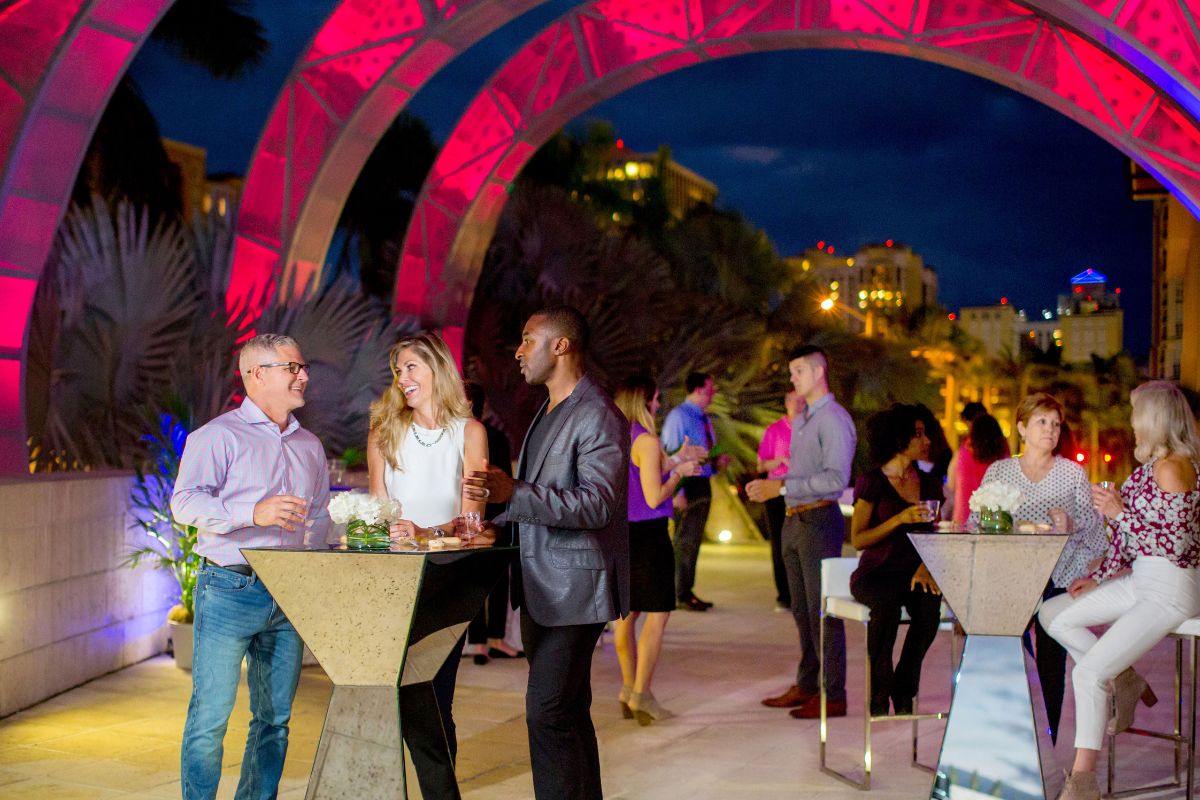
This is where meeting spaces of every size boasting the latest technology share the stage with vibrant communities and breathtaking natural beauty. Beyond the insights and connections gained within the boardroom, The Palm Beaches take care of the rest with inspiring venues, unique opportunities to connect, and Between-The-Sessions experiences that set meetings apart.

Endless Opportunities Between-The-Sessions

Between-the-Sessions, The Palm Beaches’ community partners, local flavor and breathtaking natural beauty seamlessly become part of the meeting experience. Plan an evening team-building event to play at the world’s largest dedicated croquet facility, schedule a group CSR program at a renowned sea turtle rehabilitation and conservation facility or treat guests to a local food tour to showcase the flavor of The Palm Beaches.

When you’re here, you can explore 47 miles of golden coastline, improve your swing on one of our 160+ golf courses or unwind at an award-winning spas. From Jupiter to Boca Raton, our 39 coastal cities and towns offer even more to discover: hundreds of cultural attractions, world-class shopping and a critically-acclaimed culinary scene.

In vibrant West Palm Beach, the hub for meetings in The Palm Beaches, visitors can walk just steps from the Palm Beach County Convention Center (PBCCC) and it’s connected hotel, the Hilton West Palm Beach, to the Kravis Center for the Performing Arts, a bustling shopping and dining scene at The Square and the colorful nightlife on Clematis Avenue.

Venues For Every Group

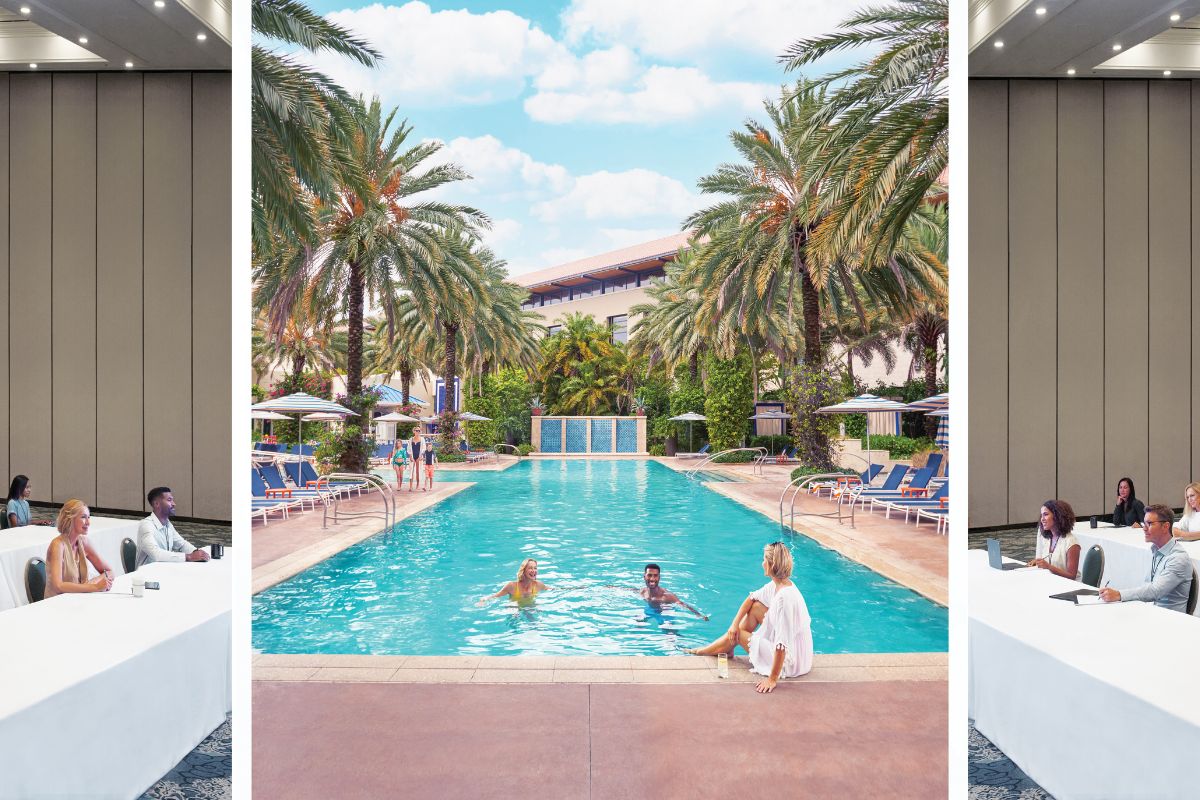
More than 170 hotels offer 18,000+ total rooms within The Palm Beaches, and 1,000,000 square feet of meeting space allows for groups of every size to gather. In West Palm Beach, the PBCCC offers 350,000 square feet of flexible meeting space and is connected to the Hilton West Palm Beach, a perfect fit for groups looking for an all-in-one solution. The Palm Beaches have the amenities and offerings to elevate experiences, create engaging moments and bring successful meetings to a whole new level.

Planning Has Never Been Easier

Plan in a destination that knows meetings—and understands how to make yours stand out. Our award-winning team and community partners collaborate with you in planning from day one, while our world-class hotels and meetings venues shine against the backdrop of a destination that’s unmatched in natural beauty. The Palm Beaches’ outdoor spaces, dining and entertainment options, cultural institutions, attractions and commitment to service will elevate your event and energize attendees.


The Palm Beaches are a hub of bustling industries, including agribusiness, life sciences, finance and technology. Connect your attendees with innovators and thought leaders who will bring expertise and star power to your event.

Contact the Sales team at The Palm Beaches at [email protected] or 561-233-3062 to plan your next event!