bliss-dance-by-night_credit-barry-toranto 2016 tourism recordsBliss Dance by Barry Toranto, Las Vegas

The 2016 numbers are starting to roll in, and it’s is looking like last year was huge for tourism records as evidenced by reports from Las Vegas and Los Angeles this week.

Las Vegas set an all-time record in 2016 as it welcomed 42.9 million visitors, which surpassed its 2015 total of 42.3 million. Las Vegas Convention and Visitors Authority (LVCVA)  also reports that the city drew 6.3 million business travelers.

“Las Vegas continues to see increased interest in the destination, and we are excited to announce that once again we are celebrating record visitation,” says Rossi Ralenkotter, president and CEO of LVCVA. “Together with our resort partners, we look forward to aggressively marketing the destination around the world to continue attracting more visitors and break the record again this year.”

Tourism generates nearly $52 billion annually in Southern Nevada and the Las Vegas valley. The industry supports nearly 370,000 local jobs, representing more than 40 percent of employment within Clark County. The destination boasts nearly 150,000 available guest rooms.

Los Angeles welcomed 47.3 million visitors in 2016, breaking tourism records for the sixth consecutive year. The new record is 1.7 million visitors higher than 2015 for an increase of 3.8 percent.

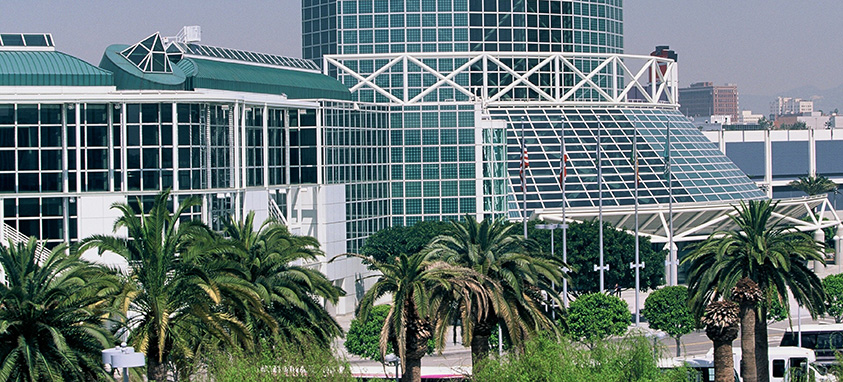
downtown-los-angeles-convention-centerLos Angeles Convention Center

“Global desire for the Los Angeles experience is at an all-time high, a fact largely attributable to our city’s celebration of diversity and creativity, from which thriving culinary, cultural and lifestyle scenes have emerged,” says Ernest Wooden Jr., president and CEO of the Los Angeles Tourism & Convention Board. “Fantastic new hotels are opening their doors with frequency, chefs are exploring innovative creative territories, noteworthy cultural institutions are choosing to call L.A. home and people want to be a part of the L.A. lifestyle. We are thankful for all of these individuals and entities which make Los Angeles the place that record-setting numbers of people want to visit.”

Tourism records were set for domestic and international visitors. Total domestic visitation reached 40.2 million for a 3.8 percent increase over 2015. Los Angeles drew 7.1 million international visitors for a 3.5 percent increase.

The average occupancy rate for Los Angeles County in 2016 reached 81.3 percent, surpassing the 80 percent achieved in 2015. A record 29.2 million hotel room nights were sold countywide with ADR reaching a new high of $171.95, an increase of 8.6 percent.

Los Angles County is the only U.S. market to reach double-digit RevPar growth at nearly 11 percent.

Tourism is among the largest contributors to Los Angeles’ economy, supporting an average of more than 500,000 jobs in the leisure and hospitality sector in 2016.

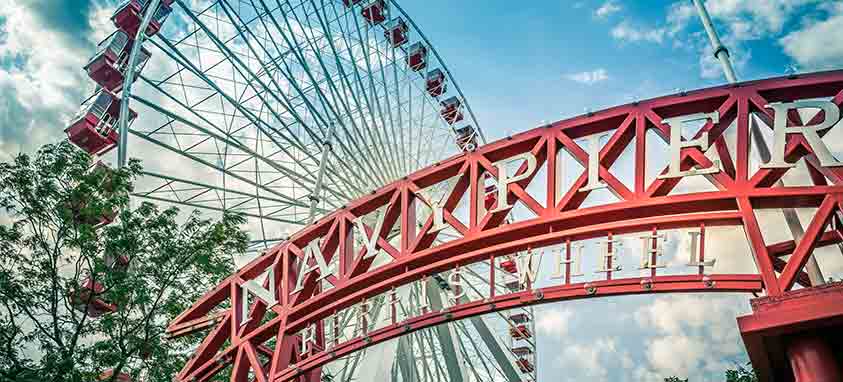
pier-39-san-franciscoPier 39 in San Francisco

In September, California passed a law that prohibits state-sponsored travel to states with legislation deemed to be discriminatory to lesbian, gay, bisexual and transgender (LGBT) groups. As of Jan. 1, the law is now in effect.

The new law was created in response to legislation in states such as North Carolina, which has caused an uproar across the country with its House Bill 2 (HB2) law forcing transgender individuals to use restrooms in public schools and government buildings that correspond to the gender on their birth certificate, rather than the gender they identify with.

Since it was passed in March, the HB2 law has caused many groups to reconsider holding events in the state. Bruce Springsteen canceled a concert in Greensboro, North Carolina, and the NBA, NCAA and ACC have all pulled their tournaments from the state. Several major corporations, including Paypal and Deutsche Bank, have also canceled plans to open or expand offices in North Carolina.

Forbes estimates that HB2 has cost the state at least $630 million dollars in lost revenue as of Nov. 2016. During December, after North Carolina Governor Pat McCrory lost his bid for reelection, North Carolina’s legislature tried but failed come to an agreement that would repeal the law.

California is not the first state to ban state travel to North Carolina. Connecticut, Minnesota, New York, Vermont, Washington and the District of Columbia, as well as a number of counties across the country, have enacted similar travel policies.

The other states listed in California’s ban are Kansas, Mississippi and Tennessee. In March, Kansas passed a law that allows religious student groups at public universities to deny membership to LGBT students based on their beliefs. Mississippi’s Religious Liberty Accommodations Act states that marriage is a union of one man and one women and allows religious organizations to deny employment or services to certain LGBT individuals if it is against their beliefs. The law was to be enacted on Jul. 1, but a U.S. District Court Judge filed an injunction to block it.

In April, Tennessee passed a law enabling counselors and therapists to decline to serve LGBT individuals if it violates their beliefs. In response to this, the American Counseling Association, which planned to hold its 2017 national convention in Nashville, decided to move its event—and an estimated $5 million in spending—to San Francisco, instead.

smerf-meetings

There are many acronyms in the world of meetings, but SMERF is one you should not forget. SMERF stands for social, military, educational, religious and fraternal groups who, while not snagging quite as much attention as corporate events, provide a necessary market for the industry. While SMERF meetings tend to be smaller in size, the numbers do add up.

Nowhere was this more apparent in 2016 than in Jacksonville, Florida. Last year marked the loss of Florida Country Music Superfest in Jacksonville, which was replaced by the Country 500 at Daytona International Speedway over 90 miles away.  “The perception was that without this big event, our community would see a dip in our destination appeal,” says Paul Astleford, president and CEO of Visit Jacksonville. Instead, Jacksonville saw a 6.5 percent increase in occupancy from June 2015. It was SMERF groups to the rescue: Several religious and fraternal groups, including Gospel Rescue Mission, Hebraic Roots Network, Jehovah Witnesses, Special Forces Network and U.S. Green Building Council helped fill the occupancy gaps. “We were able to fill that gap with group business and increase our marketing outside the region to promote leisure visitation to our city, and it worked flawlessly!” says Astleford.

SMERF groups also keep the industry afloat during particularly difficult economic times. When big-budget hotel chains are struggling to fill their occupancy, SMERF groups bargain their way to cheaper rates, which prevents hotels from cutting their losses entirely. Suppliers have since come to understand the importance of SMERFs in an unpredictable economy and continue to work out deals that benefit the hotel’s bottom line and SMERF’s budgets.

The new year brings welcome news from the government-regulated SMERF segment. The Obama administration has loosened the reins on government conference spending. Since the crackdown in 2011, which involved a 30 percent reduction in travel expenses through 2016, senior-level review of conference-related spending of more than $100,000 and many other restrictions, government meetings have been scaled back, to say the least. According to the White House, agencies have saved roughly $30 million in conference spending over the past few years. While the government is still wary of excess, the new rules will mean that only meetings with a budget of $500,000 will be closely monitored, freeing up a huge portion of government oversight.

There’s also a rising sector of SMERF meetings that doesn’t fall within the traditional grouping: sports. Locations such as Virginia Beach, Virginia, have long benefited from SMERF groups. “With the growth of our sports market, Virginia Beach has become a national leader in hosting marquee competitions and tournaments,” says Todd Bertka, VP of convention sales and marketing for Virginia Beach CVB. Still, Bertka knows it’s best to diversify: “Due to our central mid-Atlantic location and affordable, diverse hotel selections, Virginia Beach is also a perfect location for religious meetings of all sizes. And given our rich history, robust military community and variety of attractions, Virginia Beach also excels in the military reunion arena.”

los-angeles-most-popular-meeting-destinationsLos Angeles

Las Vegas, New York City, Paris and other perennial favorites were among the world’s top meetings destinations in 2016, but several other locations significantly enhanced their appeal largely due to major expansion and renovation projects.

Here are 15 of the leading meetings cities in 2016.
atlanta

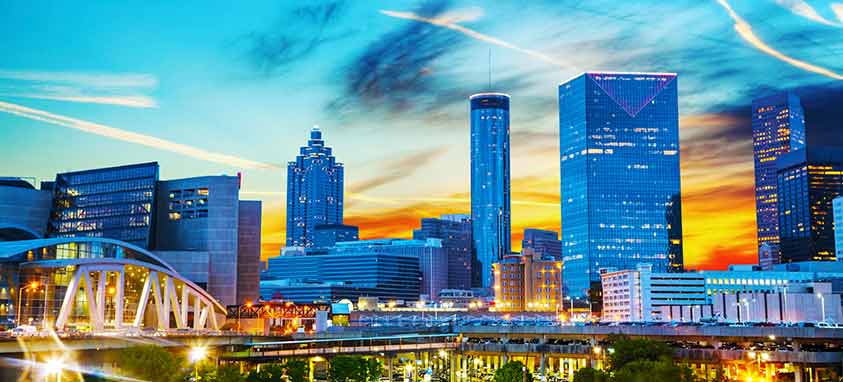
Atlanta: One of the hottest destinations in the Southeast, Atlanta attracts 51 million visitors per year. It provides more than 11,700 hotel rooms and nearly 300 restaurants and major conference venues, including Georgia World Congress Center and Atlanta Convention Center at AmericasMart.

Lonely Planet selected Atlanta as the sixth-best destination to visit in 2017, noting that the city’s neighborhoods are in the midst of a boom that includes new brew pubs and innovative restaurants. And the momentum will continue in 2017 with the opening of two stadiums, Mercedes-Benz Stadium and SunTrust Park, and the addition of a new Major League Soccer franchise, Atlanta United FC.
austin

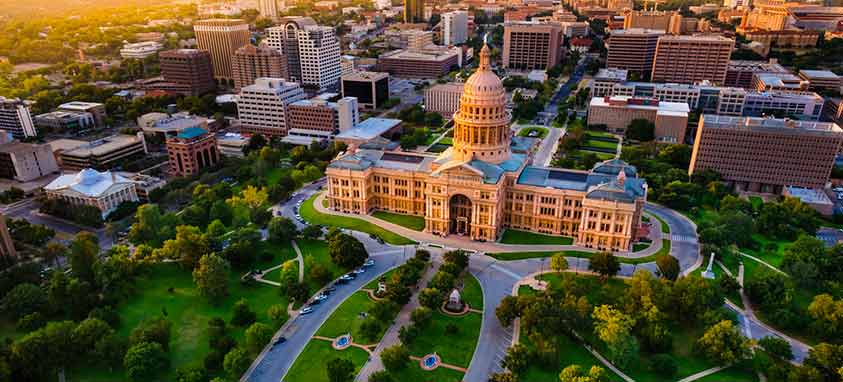
Austin: This lively city is best known for its 250 live-music venues, but that only begins to tell its story. Its growth as a major technology hub—in 2015, Forbes named it the top city for tech growth in the United States—has gone hand-in-hand with its expanded food and beverage options, and several attractive new hotels, including the 1,012-room JW Marriott Austin, which has 112,000 sq. ft. of event space.

All of this has led to Austin’s emergence as a leading national and international meetings destination. It was ranked the top city in the Southwest region in the J.D. Power 2016 Destination Experience Satisfaction Study, which measures customer satisfaction. Austin received particularly high marks for infrastructure and activities.
chicago

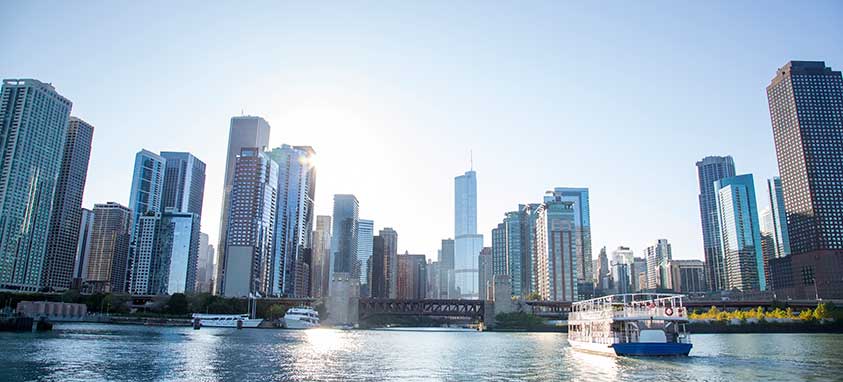
Chicago: This city along the shores of Lake Michigan keeps attracting meeting groups due to its excellent dining, exceptional cultural offerings, urban recreation and world-class entertainment.

Chicago, ranked by Cvent in 2016 as the second-best U.S. meeting and event city, also offers outstanding hotels and convention centers, including  McCormick Place, the largest meeting and convention center in the United States. It features 2.6 million sq. ft. exhibition space, 600,000 sq. ft. of meeting room space, six ballrooms and assembly seating for 18,000. McCormick Place attracts close to 3 million visitors each year.
las-vegas-trade-shows

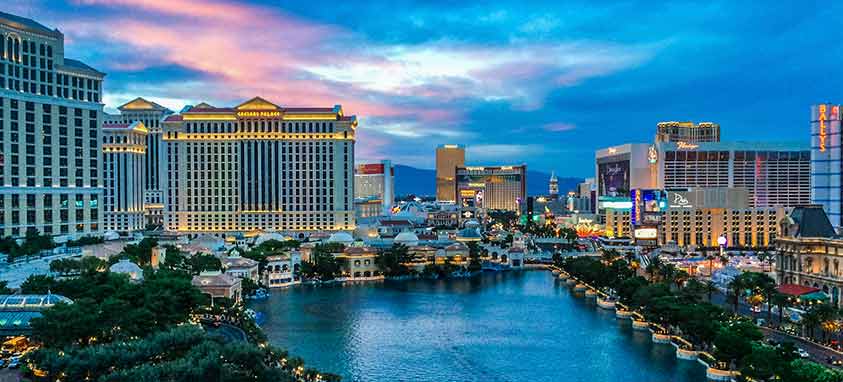
Las Vegas: Often referred to as the Entertainment Capital of the World, Las Vegas occasionally reinvents itself and consistently serves up what meeting groups want and need. MGM Resorts International has been especially busy, opening The Park, T-Mobile Arena and the Park Theater in Las Vegas this year.

The city was ranked as the top U.S. travel destination for business and leisure this year in the J.D. Power study, performing particularly well in the travel, lodging, infrastructure, and lost and fees categories. Also, this year Cvent ranked Las Vegas as the third top meetings and events destination in the United States, based on statistics from the previous year.
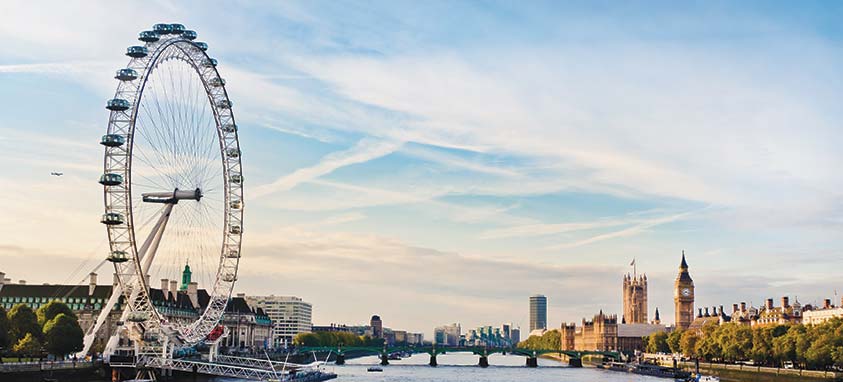
london-eye-european-meeting-cities

London: Chosen as the world’s top destination in TripAdvisor’s 2016 Travelers’ Choice Destination awards and Cvent’s top meeting city in Europe in 2016, London also is the most talked-about travel destination on Twitter and London Eye observation wheel, perched on the River Thames, is its most tweeted attraction.

More than 65 million people visited London in 2015, an increase of 1.61 percent from the previous year. The city was a particularly hot meeting and tourism spot in 2016 due to celebrations of Queen Elizabeth’s 90th birthday, 400 years of William Shakespeare’s legacy and the first-ever Rolling Stones art exhibition, at Saatchi Gallery.

Los Angeles: Many planners find the City of Angels ideal as a meetings destination due largely to its warm climate, abundance of attractive meeting facilities, fantastic beaches, fabulous entertainment options and cutting-edge restaurant scene.

The city is experiencing a surge of new hotel development, including InterContinental’s recently opened Hotel Indigo Downtown Los Angeles, with 350 guest rooms and 21,483 sq. ft. of meeting space. The always-evolving L.A. Live, located steps from Staples Center and Los Angeles Convention Center, added several event venues, including the newly rebranded Microsoft Theater.
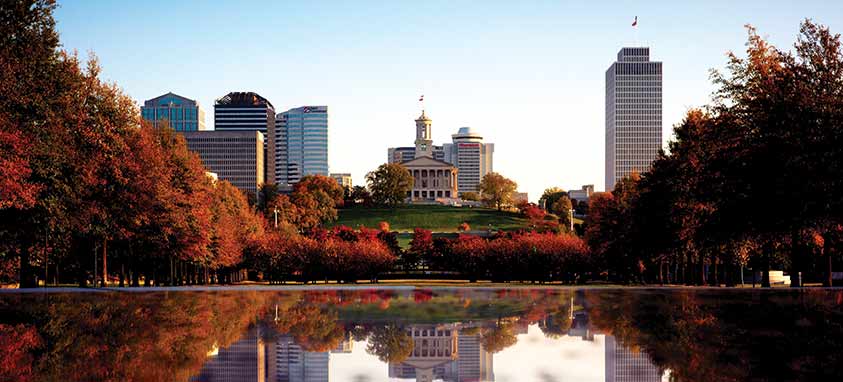
bicentennial-capitol-mall-state-park-nashville

Nashville: Country music remains the heart and soul of music city, but new sounds—including the clanging of construction work and the excited chatter of patrons at new attractions and businesses—also are filling the air.

It’s one of the fastest-growing cities in the United States and Lonely Planet named Music City as one of the top 10 worldwide destinations to visit in 2016. Creativity abounds in this vibrant city, particularly popular among younger attendees.

new-york-city-tourism

New York City: The Big Apple ranked as the top city in the Northeast/Mid-Atlantic region of the United States in the J.D. Power survey. The city, with its abundance of world-class hotels, restaurants, attractions and more, seems to offer something to every attendee.

The city’s offerings were enhanced in 2016 with the addition of the Westfield World Trade Center and several new hotels, including Four Seasons New York Downtown, The Beekman and Tommie Hudson Square.
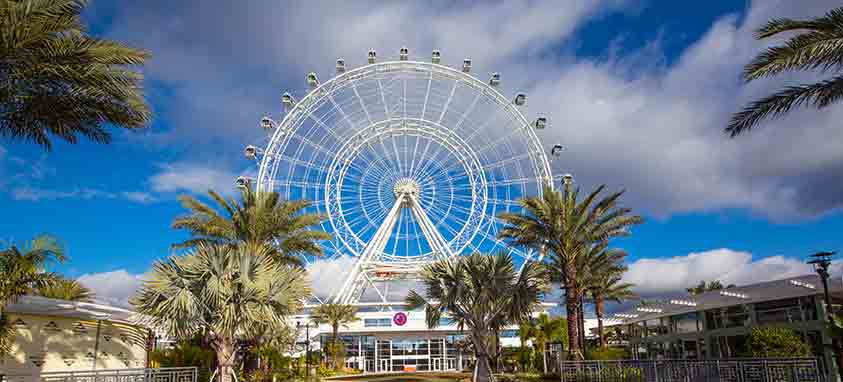
greater orlando

Orlando: This city continues to build on its solid foundation as a business and tourism destination. Orlando welcomed 66 million visitors in 2015, a 10 percent increase over the previous year. It also was the highest-scoring city in the South region in the J.D. Power study, and scored particularly well in infrastructure and activities.

Recent development highlights include Universal Orlando Resort wrapping up a large project in September with the completion of The Loews Meeting Complex, with 2,000 guest rooms and 247,000 sq. ft. of meeting space between the new Loews Sapphire Falls Resort and Loews Royal Pacific Resort.
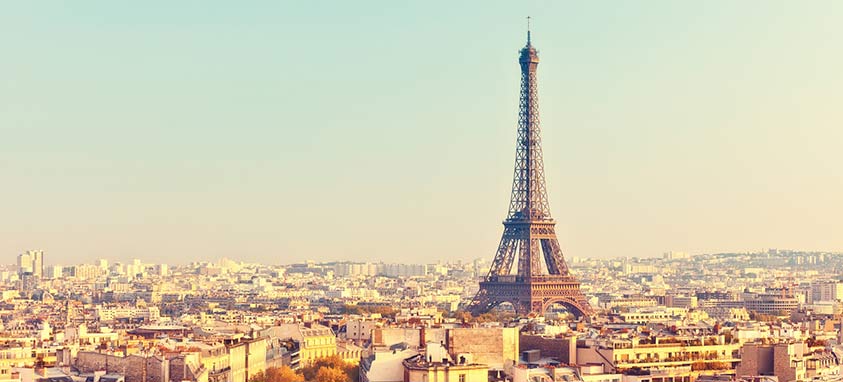
paris

Paris: The City of Light in the midst of a hotel boom, enhancing its reputation as one of the world’s most desirable meetings destinations.

Perhaps the biggest hotel news in 2016 was the reopening of the luxurious Ritz Paris after a renovation that kept its doors shut for nearly four years. The property, which originally opened in 1898, features 142 guest rooms, including 71 suites, as well as eight banquet rooms that can be used for meetings, conferences and receptions.
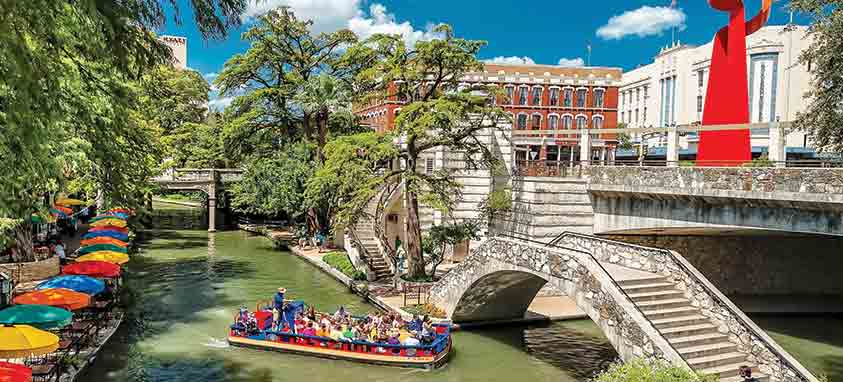
Cruising-the-Riverwalk-Bob-Howen-VisitSanAntonio

San Antonio: The Alamo City was already coming on strong as a meetings destination even before the completion this year of a $325 million renovation of Henry B. Gonzalez Convention Center added 270,000 sq. ft. of exhibit space, bringing the total to 514,000 sq. ft.

Also, a $358.3 million project lengthened the city’s famous River Walk from 3 to 15 miles, connecting downtown with museums, cultural districts and the historic Pearl neighborhood. The largest ecosystem restoration in an urban area, Mission Reach links the original River Walk to four Spanish Colonial missions in South San Antonio. Hiking and biking trails now are available along the river.

This fall, SmartAsset, a New York City-based personal finance technology company, ranked San Antonio as the best U.S. city for conferences for the second straight year, citing its large number of event spaces, affordability and warm weather.
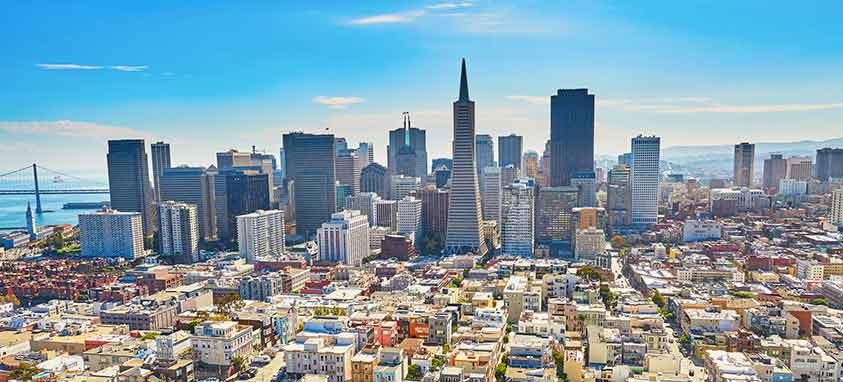
san-francisco-citywide-convention-dreamforce-2016

San Francisco: The City by the Bay seems to become a more popular and beloved destination every year. A big part of the appeal is its historic ethnic neighborhoods, including Chinatown, Japantown, North Beach (Italian) the Mission District (Latino) and more.

But San Francisco is also a highly progressive city in almost every way imaginable, from trend-setting designers in Union Square to high-tech innovators South of Market, to cutting-edge chefs throughout the city. It also boasts some of the world’s top hotels and the ever-expanding Moscone Center, a model for green convention centers that provides 700,000 sq. ft. of exhibit space, up to 106 meeting rooms and nearly 123,000 sq. ft. of prefunction lobbies. One of the year’s main events was the opening of San Francisco Museum of Modern Art, adjacent to Moscone Center.
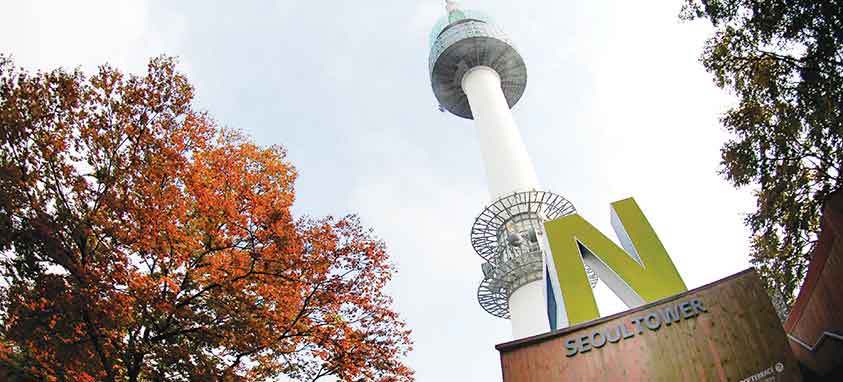
namsan-park-n-seoul-tower2-2

Seoul: In the early 2000s, Seoul was by no means a meetings hot spot. But in 2008, the Seoul Convention Bureau, a division of the Seoul Tourism Organization, was founded and it spawned the Seoul MICE Alliance, a partnership between government agencies and private-sector organizations that strives to enhance the city’s competitiveness for global meetings, incentives, conferences and exhibitions.

Seoul ranked third in the world, trailing only Singapore and Brussels, in the number of meeting held, according to the 2016 International Meetings Statistics Report by the Union of International Associations. Seoul held 494 meetings in 2015, an increase of 98.4 percent from the 249 it hosted in 2014.

Seoul is now one of the world’s hottest places to visit—it was projected to rank 10th in the world, with 10.20 million visitors in 2016, an increase of 10.2 percent from 2015.
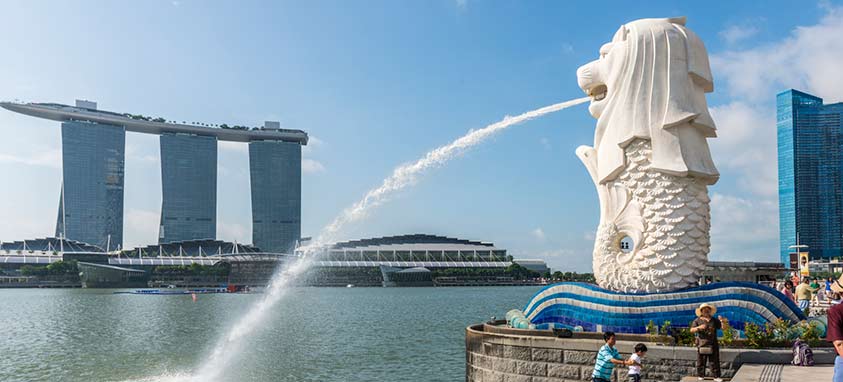
singapore

Singapore: Ranked the top meeting destination in Asia/Pacific by Cvent in 2016, Singapore welcomes 15.5 million visitors annually, and 20 to 35 percent of them are meetings and other business travelers. The city offers 237 meeting hotels and 53,126 guest rooms.
Singapore Airlines has been adding more flights and services, and many venues are focusing on providing more unconventional meetings for attendees, including outdoor gatherings amid lush greenery.
taipei

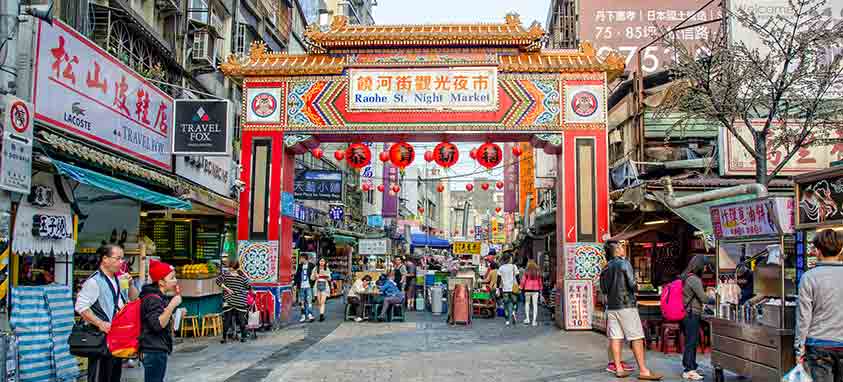
Taipei: This Taiwanese city has been booming as a meetings destination, largely due to a five-year promotional campaign by Taiwan’s MICE events . Taipei now hosts nearly 1,000 meetings annually, with most gatherings based in the capital city’s Taipei International Convention Centre and World Trade Centre Nangang Expo Hall.

One of the newest hotels, the five-star Taipei Marriott Hotel, opened in 2015 near National Palace Museum and the World Trade Center. The 320-room property is the towering anchor of a new shopping, dining and convention center complex. The hotel’s 21,000 sq. ft. of event space, pillarless ballroom and rooftop garden have been transformed into areas for nightlife, garden parties, interactive screenings and company trainings.

safest-airlines

Qantas tops the list for the fourth year in a row on AirlineRatings.com’s list of safest airlines for 2017. The site, which is the world’s only safety and product rating website, takes into account numerous factors, including audits from aviation’s governing bodies and leading associations, government audits, airline’s crash and serious incident record, profitability and fleet age. The site’s editorial team also examines each airline’s fleet history and its track record of initiating new safety technology to arrive at the top safest airlines.

Australia’s Qantas won the crown again with a fatality free record over its 96-year history, an extraordinary achievement. U.S.-based carriers Alaska Airlines, Delta Air Lines, Hawaiian Airlines and United Airlines all received spots on the list as well. In fact, of the 425 airlines surveyed, 148 of them have the top seven-star safety rating. There are only 50 airlines worldwide that have three stars or less.

World’s safest airlines, in alphabetical order:

Air New Zealand
Alaska Airlines
All Nippon Airways
British Airways
Cathay Pacific Airways
Delta Air Lines
Etihad Airways
EVA Air
Finnair
Hawaiian Airlines
Japan Airlines
KLM
Lufthansa
Qantas
Scandinavian Airline System
Singapore Airlines
Swiss
United Airlines
Virgin Atlantic
Virgin Australia

AirlineRatings.com also named its top ten safest low-cost airlines. All of these airlines passed the stringent International Air Transport Association Operational Safety Audit (IOSA), which has over 1000 audit items, and have excellent safety records.

Safest low-cost airlines, in alphabetical order:

Aer Lingus
Flybe
HK Express
Jetblue
Jetstar Australia
Jetstar Asia
Thomas Cook
Virgin America
Vueling
Westjet

The site has also determined that—despite some high-profile accidents in 2016—the number of crashes has shown a steady decline over the past two decades. Statistics from the Netherlands-based Aviation Safety Network (ASN) show that 2016 was the second safest year on record to take a flight, with only 19 fatal accidents and 325 deaths. Unfortunately, this is actually an increase from 16 accidents in 2015, but 2016 is still the second safest year on record. The ASN’s analysis of a five-year average also found that accidents occurring during approach and landing fell to their lowest point in 45 years. Just goes to show that aviation is still by far the safest way to travel.

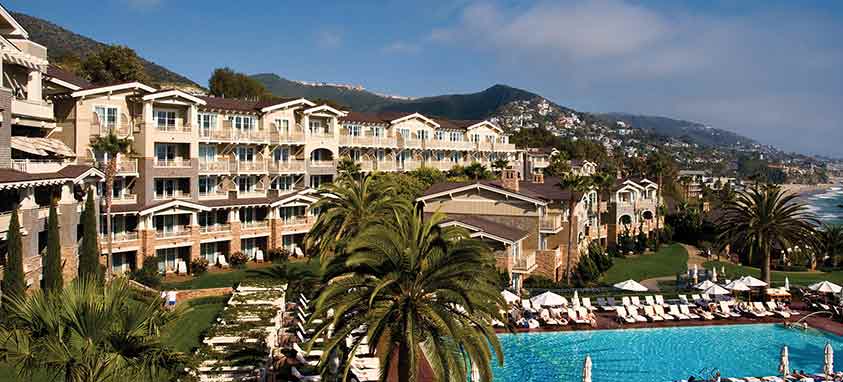
montage-internationalMontage Laguna Beach

With an international expansion and a new hotel brand on the horizon, fifteen-year-old Montage Hotel & Resorts has created a new parent company brand: Montage International. The next two years mark some major expansions for the brand, including its first international hotel in Los Cabos, Mexico, slated to open in 2018, as well as the launch of a secondary hotel brand, Pendry Hotels, this year. By creating a parent company, Montage hopes to streamline communications and development activities around their growing families of hotels.

This announcement comes on the heels of the Montage Palmetto Bluffs resort, the brand’s first East Coast hotel, which opened late last summer. Montage Los Cabos will be the first international Montage location and will include 122 guestrooms and 52 villas, expected to open in 2018. Pendry Hotels will bring the Montage’s luxury, clean design and exceptional service to metropolitan locales, starting with San Diego and Baltimore this year and potentially more down the road.

“I had a strong vision for the company when we first started, and through our ability to retain and secure dedicated investors, hard work from our devoted associates, and loyal brand enthusiasts, we’ve been able to grow significantly” Alan J. Fuerstman, the company’s founder, chairman and CEO says in a press release. “Under our new Montage International parent company branding, we look forward to continued momentum. Our future is bright and we are enthusiastic about sharing more developments on the horizon.”

And plenty of development there will be: Annual revenues are expected to exceed $400 million in 2017. With oversight of the $1 billion Montage Residences portfolio, Montage International is positioned for some aggressive growth, with a goal of expanding to 12 to 15 additional properties by 2020.

Health and Wellness Predictions for 2017

According to the Global Wellness Summit, human health will be addressed from a more holistic perspective in 2017 and beyond. From the reinvention of the sauna to health and wellness in architecture design, more than 500 wellness experts from 46 countries discussed future trends affecting the $3.7 trillion global wellness economy during the international gathering, held in October in Kitzbuhel, Austria. The evolving landscape of health and wellness is expected to shape various industries, including travel, spa, beauty, fitness, nutrition, technology, medicine and architecture.

For meetings and events, this has far-reaching implications. Here are eight health and wellness predictions that will have an impact on the future of travel and lifestyle.

Sauna 2.0

The private sauna as we know it is already becoming a more social experience in certain parts of Europe. Sauna facilitators during Sauna Aufguss events conduct theatrical performances involving song and dance. Saunas are also taking place in hip amphitheater settings or social hangout spaces, such as Helsinki’s new high-design Loyly sauna complex and Scotland’s new loch-side Hot Box, complete with a DJ and bar. There are also quirky pop-up saunas on floating lakes and even ones hanging from bridges. Trendy urban sweat lodges offer infrared sauna treatments, such as Higher Dose in New York City. No longer a solitary, quiet experience, social saunas take sweating out of the box—literally.

Wellness in Architecture

Architecture has typically been focused on surface aesthetics, paying little attention to creating buildings designed to improve the health of humans living within. But not anymore: Living buildings will become a standard model for all types of accommodations. Buildings will be able to cultivate their own energy, feature dawn-simulated lighting and will have responsive architecture that tailors indoor health for every inhabitant. Phone apps will alert people when entering a building that could have adverse effects on health and air quality.

Silence is Golden

In a world of 24/7 connectedness, wellness destinations are embracing a dramatic approach to turning off the noise: true silence. For example, the first completely silent spa, with stunning church-inspired architecture, opened in Therme Laa–Hotel & Silent Spa in Laa an der Thaya, Austria. New wellness monasteries are also on the rise. Retreats based on contemplative values are taking place in ancient sacred spaces, such as the soulful Eremito Hotelito Del Alma in Parrano, Italy. With no Wi-Fi or phone signal, silent lodgings and candlelit dinners are part of the ambience. Brenner’s Park–Hotel & Spa in Baden-Baden, Germany has even installed digital kill switches to ensure rooms are completely silent. The silent wave is sure to hit restaurants, salons, gyms, stores and perhaps even airports.

Art & Creativity

The creativity-wellness-spa connection is making a Renaissance comeback by integrating more art, music, literature and dance with wellness programming. The headline act at Schloss Elmau is a musical experience integrated with wellness offerings at the luxury spa resort in Krun, Germany. A “play-to-stay” program for musicians and writers provides more than 200 concerts a year for guests to enjoy. At Gainsborough Bath Spa Hotel in Bath, England, guests enjoy live classical violin music while taking a dip in thermal waters. Future creative programming could include painting classes under the stars, yoga concerts, sound baths and other multisensory experiences.

Wellness Infiltrates Beauty

The beauty industry makes up $1 trillion of the $3.7 trillion wellness economy, and is remaking itself to meet the standards of a wellness-oriented population obsessed with authenticity and inner beauty. Organic cosmetics have already taken the beauty world by storm. The next phase in clean products could be edible beauty boosters, as more medical evidence suggests beauty comes from total health. Cosmetic repair will give way to preventative approaches as we continue to learn that beauty is more than skin deep.

Future of Mental Wellness

Mental wellness has a bleak outlook worldwide, according to the World Health Organization. Depression and anxiety are skyrocketing, and by 2030, mental health will overtake obesity as the number one area of concern. That’s why more dramatic wellness approaches could be on the horizon. Espa Life at Corinthia hotel in London implements the knowledge of neuroscientists and psychotherapists in its wellness retreats and spa facilities. And meditation is becoming more mainstream, even playing on-demand in hotel rooms. In the future, new mind-body workout brands and apps that track mental states will upgrade the traditional workout. Think MindBit, not FitBit—because mind will finally gain equal status with body.

Embracing the C-Word

The wellness world is also waking up to the needs of a surprisingly underserved population: cancer patients. Julie Bach’s pioneering Wellness for Cancer program means wellness companies and spas are trained to deliver comfort and dignity to cancer patients. From Espa’s Nurture and Support program to Natura Bisse’s oncological aesthetics and the Mindful Touch Massage at Two Bunch Palms in Desert Hot Springs, California, wellness practitioners are opening their hearts and healing practices to cancer patients.

Egalitarian Outlook

The wellness trend has often under criticism for its association with rich elites, leaving out those who cannot afford expensive spa treatments and $300 yoga pants. Wellness will leave behind this stereotype and become a more egalitarian concept. More wellness-related business will give back to the underserved. For example. Fogo Island Inn in Newfoundland, Canada, donates every dollar of profit back to the economically challenged island community. Eventually a development model will create whole towns, regions and possibly entire nations that operate under a comprehensive wellness vision geared toward nature conservation and sustaining a healthy food supply. Democratized wellness will bring about more affordable health supermarkets and spa chains with reasonable, yet labor-conscious pricing.

Move over, Manhattan. It’s time to meet Brooklyn.

When NYC & Company heads to Austin, Texas, for the annual PCMA Convening Leaders event Jan. 8-11, representatives from the CVB plan to talk up Brooklyn for good reason. With more than 28 hotels in the pipeline, the borough expects to be home to over 3,500 hotel rooms by 2019.

“Brooklyn’s popularity has resonated more in recent years with meeting planners thanks to global hotel brands investing in the borough’s meetings industry, the borough’s lively culture and its appeal to a new generation of attendees,” says Jerry Cito, senior vice president of convention development for NYC & Company. “With these new developments, along with unique venues and easy transportation access to Manhattan by subway and ferry, we are inviting planners to see why more people are choosing to Make It NYC in Brooklyn.”

The 1 Hotel Brooklyn Bridge in Brooklyn Heights will open in February. Situated beside the Brooklyn Bridge Park waterfront, the property will offer 194 guest rooms and suites, a 3,475-square-foot rooftop venue, more than 20,000 sq. ft. meeting space. For small presentations, there’s a 50-person screening room. Guest rooms feature floor-to-ceiling windows with views of the Manhattan skyline.

New York Marriott at the Brooklyn Bridge in Downtown Brooklyn completed a $45 million transformation last summer, including the renovation of its 667 guest rooms and suites. The hotel’s 40,000 sq. ft. banquet and meeting spaces was modernized, too.

William Vale debuted in Williamsburg last summer. It overlooks the Manhattan skyline, offering 183 guest rooms, a 4,100 square-foot ballroom and a 15,000-square-foot green space. The rooftop bar on the 22nd floor provides amazing views of Manhattan.

For entertainment or major events, Barclays Center is in the heart of Brooklyn. Besides being the home to the NBA Brooklyn Nets and the NHL New York Islanders,  it hosts premier concerts, professional matches and college basketball. Major events have included the MTV Video Music Awards, Rock and Roll Hall of Fame Induction Ceremony, 2015 NBA All-Star weekend and four NBA Drafts.

The Brooklyn EXPO Center in Greenpoint has 60,000 sq. ft. of event space for design shows, tech expos and product launches.

NYC & Company says that Brooklyn offers attendees an authentic New York City experience without breaking the bank. Yet another reason to meet Brooklyn.


chicago

In 2016, the Windy City experienced a record number of visitors. Mayor Rahm Emanuel and David Whitaker, President & CEO of Choose Chicago, announced that 54.1 million travelers visited the city in 2016. The increase of 1.5 million represents a 2.9 percent improvement from the previous year.

“Three years ago we set a goal for Chicago to reach 55 million visitors by 2020,” Mayor Emanuel said. “We had an incredible and record-breaking year in 2016, but we are not stopping there. We have seen record increases in jobs and investment from our tourism industry, which is creating economic opportunities that reach every neighborhood in the city of Chicago.”

“We are thrilled to be pacing so well in our collective efforts to grow visitation to Chicago,

and the impact of these numbers speak to the importance of our industry and the role we can play in moving Chicago forward not only as a great city to live, work and play but also a great city to visit or meet in,” Whitaker said. “As we look ahead to 2017 and beyond, it remains imperative for us to focus on building the destination’s profile internationally and educating and reminding our partners in the travel industry, and the travelers we target, that Chicago is not only an amazing city to visit, but a top-notch place to convene and do business.”

According to Choose Chicago, group business plays a key role in the city’s economy. Of the 31 major meetings and conventions held in Chicago in 2016, several set records: eight saw record-setting attendance; four had their most exhibiting companies participate; and four had their highest net square footage of exhibition space. These 31 meetings and conventions welcomed 916,888 attendees to Chicago in 2016. The estimated overall economic impact of major meetings and conventions held in Chicago in 2016 totals $1.32 billion.

Looking ahead, there will be 35 major meetings and conventions coming to Chicago in 2017. The number of room nights projected to be generated from these groups is 1.04 million, a 6.4 percent increase in room nights from those hosted in 2016.

Assisting in continuing the momentum, Choose Chicago’s convention sales team surpassed its 2016 annual sales goal by successfully booking 59 new major future meetings and conventions to be held at and in collaboration with McCormick Place (up from 55 new meetings secured in 2015). Choose Chicago’s convention sales team collaborated with the local hotel industry to secure commitments from bids on 2,173 future “in-house” meetings. Total bookings resulted in 2,505,207 room nights for Chicago hotels. The economic impact of these combined meetings is estimated at just under $3.8 billion in estimated future spend in Chicago.

Choose Chicago is aggressively working to bring in meetings and conventions that have never been held in Chicago. The strategy is paying off – of the 59 new future major meetings and conventions that have chosen to meet in Chicago, 22 will be convening in the city for the first time with an additional eight choosing to meet in Chicago for the first time in over ten years. Supporting Choose Chicago and the City’s 2020 strategy, 30 of the 59 meetings bid on and won are scheduled to meet in Chicago in the next three years.

Eight new hotels opened their doors in Chicago’s Central Business District in 2016, bringing the total number of daily rooms available to 40,947, an increase of 4.2 percent. Overall room demand trailed closely at nearly three percent growth in 2016, setting a record in nine out of twelve months of the year, with leisure room demand reaching record levels eleven out of twelve months of the year. Chicago has welcomed 24 new hotels since 2013 resulting in more than 5,400 daily rooms added over the past four years. Another six new hotels are scheduled to open in 2017 and eight in 2018, further demonstrating investor confidence in Chicago.

workplace-diversity

Many employers find that having a diverse workforce enriches the workplace while providing a healthy variety of perspectives. But establishing diversity in the workplace is much more complicated than simply achieving desired hiring quotas.

Employers need to take several steps to assure that everyone is comfortable in the workplace, regardless of race, culture, age, gender, faith and sexual orientation. Here are a few ways that this can be done.

1. Make it clear that your company welcomes everyone, without bias: This should be done when advertising jobs and even more importantly, in the workplace. Diversity training might be useful, depending on the situation, but needs to be done in an engaging way that enables employees to see its clear benefits.

2. Make a point to get to know all of your employees: Remember that your employees are complete people, not just workers. Get to know them as the unique people they are. This will help to make them feel involved and appreciated—not to mention enrich you—and thereby create a stronger, more engaged workforce.

3. Offer plenty of opportunities for collaboration: Much of the time, biases and prejudices between people are simply due to lack of familiarity. Encourage projects that enable people to work together. This helps employees to get to know each other better, and appreciate each other. And often, they find that they are much more similar than they would have ever imagined.

4. Provide effective ways to address diversity problems: Employees feel much more comfortable in workplaces that have clear, impactful ways of dealing with concerns, including diversity issues.

5. Don’t expect to achieve an exemplary diverse workplace overnight: Diversity issues can be complex, and require time and patience. Be open to changing your diversity initiative as needed, and know that it alone probably won’t be sufficient to address diversity issues. A Harvard Business Review study of 829 U.S. companies discovered that some of the most effective programs that enhanced diversity in the workplace weren’t even created with diversity in mind. Improving the workplace as a whole goes a long way toward helping to promote diversity.