asae

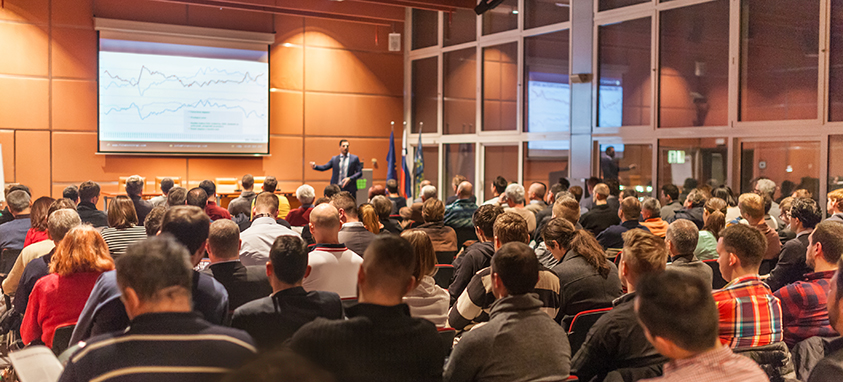
The Center for Association Leadership (ASAE) Annual Meeting in Toronto opened bright and early Aug. 13 with a selfie—a critical look at what the organization stands for and what it will not stand by and accept. John Graham, ASAE president and CEO, walked on stage to take a photo of the 4,500 attendees (registration beat projections by 63 people) and then launched into a rejection of discrimination in all its forms.

“Our industry stands for a welcoming and inclusive environment for all. We cannot support the idea of a travel ban, especially a ban aimed at those of a specific nationality or faith,” he said.

The same is true of vetting so severe that it discourages people from visiting some cities to attend conferences. “It is not only bad for the country, but detrimental to the free flow of ideas,” Graham said. The fear of not being allowed into a country or back out once in has a negative effect on conference attendance and progress, he warned. The stifling of ideas is particularly felt in the medical and scientific world, where sharing research is a crucial step in developing cures.

This was a sentiment that was immediately welcomed on social media. Many attendees took to Twitter and the conference app to thank the association for taking a stand.

As an organization, ASAE has a policy to not hold a meeting in a city where discriminatory laws are in effect, but he said he understood that some organizations don’t have a choice if that is where their membership lives. “We do not impose our position on others,” he clarified in a press conference. “We also understand that the people hurt by the loss of business are often the front line workers, the people who clean rooms and drive taxis rather than the politicians. We don’t want to hurt them, but it is a matter of values.”

Graham also said that laws requiring people to use the bathroom of the gender on their birth certificate are discriminatory, and shared ASAE’s lobbying efforts in Austin, Texas, to stop them. “We will fight any legislation that makes our country, or any place, less than welcoming for all,” he said. “This requires constant vigilance.”

He was aware that the location of the meeting—Toronto, a globally diverse city where fully half the residents were born in another country—is known for being very open and welcoming to all cultures. “The decision was made to hold it here in 2010, before we could have imagined that travel bans would be an issue, but it is very fitting,” he said.

The official theme for the conference was “What Inspires,” a sentiment that encourages people to focus on positive things, which Graham said is “needed particularly now, when we have a lack of civility in a lot of circles.”

Graham said his inspiration comes from being able to work in a diverse community that has such an impact on the quality of everything from the food we eat to what we wear, the roads we drive on and the medicines we take. “Association play a key role in maintaining our quality of life,” he said. “And everything we do [advocacy, education platforms, risk management, research studies, assessment tools and events] is designed to help our members be more productive. That is very inspirational.”

As the conference was preparing for its last day, Graham was looking forward to 2018 in Chicago, a city known by many as “the Heart of America.”
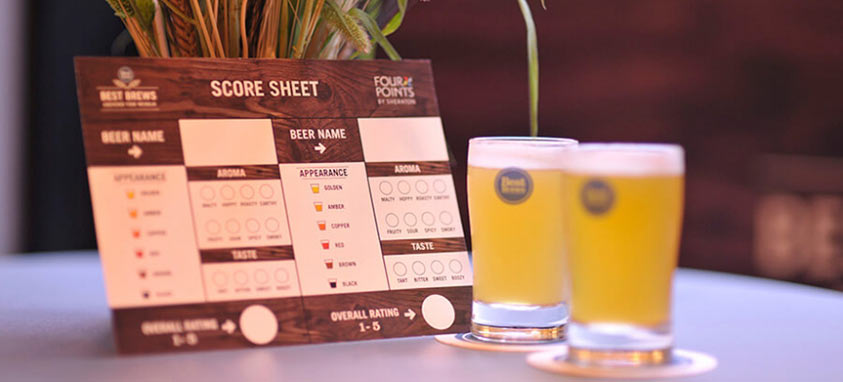
Four Points Searches for the World’s Best Beer

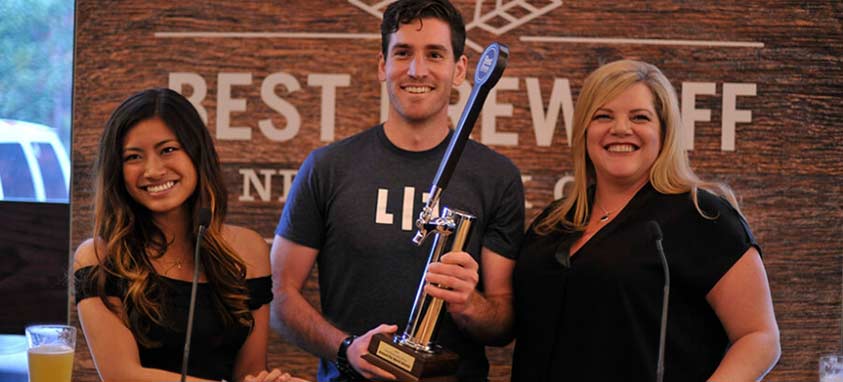
Beer influencer Bella; Thomas Desrochers, sales manager, LIC Beer Project; and Callette Nielsen, vice president and global brand leader, Marriott Classic Select brands.

Four Points by Sheraton, a Marriott International brand known for its passion for beer, kicked off its global mission to find the best brews around at the Four Points Manhattan Midtown West—notably, on the eve of International Beer Day last week. It boiled down to Pee Peekskill Brewery and LIC Beer Project, with LIC ultimately dominating.

Winning breweries are crowned their respective hotel’s newest Best Brew (not to mention, gain bragging rights).The expedition will continue across the globe before winding up at the Four Points Barcelona Diagonal in October.

During its signature initiative, the brand will venture to more than 225 global properties. The hotels will showcase a local, craft beer that embodies its surrounding culture. Some factors that will be assessed are taste, popularity, quality and proximity. The Four Points properties will also offer their Best Brews on tap so that guests can also indulge in the bubbly goodness.

Four Points Searches for the World’s Best Beer

Photo credit: Hotel Management

At each property on the beer trail, a beer expert will host a head-to-head tournament between two local breweries. The Best Brews initiative also assigns associates from Cicerone Certification Program to each hotel. The certification is highly regarded in the food and beverage industry. Each associate will complete the first four levels of the program, and will then be deemed a Cicerone Certified Beer Server and an “on-property beer aficionado.” The competition will be judged by the hotel’s certified Cicerone, a group of beer enthusiasts and hotel guests.

“Four Points has a love for locally crafted beers, which is why we’re traveling to the far corners of the globe to discover the best brews the world has to offer,” said Callette Nielsen, vice president and global brand manager for Four Points. “We know the perfect pint has universal appeal, which is why we’re celebrating International Beer Day with the launch of our ‘Best Brews Around the World.’ From Manhattan to Barcelona and Melbourne to Nairobi, we are taking our love of beer on the road. We invite local beer lovers and thirsty travelers to join us as we discover new Best Brews.”

Hospitality giant Melia Hotels International (MHI) will be implementing the cloud-based solutions of revenue-strategy technology firm Duetto as part of the company’s ongoing digital transformation.

The implementation of Duetto’s price optimization application, GameChanger, and revenue intelligence application, ScoreBoard, is intended to further boost Melia’s revenue-strategy marketing and distribution capabilities.

“Melia’s revenue strategy includes next-generation pricing and distribution tactics, the digitization of its loyalty program and a movement toward personalizing the guest experience from booking to post-stay, leading to optimizing the customer experience and to offering the best personalized vale proposals for specific audiences,” said Thomas Adler, vice president of global revenue strategy for MHI.

Adler says that a modern revenue strategy is an important part of  the hospitality company’s ongoing efforts, and thinks that open pricing—the strategy that drives GameChanger—will also help to lead the hotel industry into the future while pursuing goals such as personalization and widely embracing data.

“We are thrilled to partner with Melia, one of the industry’s leading companies, and it’s gratifying they saw our company as a change agent that could help their transformation,” said Patrick Bosworth, co-founder and CEO of Duetto. “We look forward to helping Melia remake its revenue organization into one that proves the power of open pricing… which will also enable Melia to leverage new tactics and data sources that continually disrupt the industry.”

Founded in 1956 in Palma de Mallorca, Spain, MHI is one of the largest hotel companies in the world and the largest hotel chain in Spain, in terms of both resort and city hotels. The company operates more than 370 hotels in 43 countries and four continents under its brands: Melia, Gran Melia, ME by Melia, Paradisus, Innside by Melia, TRYP by Wyndham, Sol Hotels and Club Melia.

Duetto, based in San Francisco, delivers revenue strategy solutions to the world’s leading hotels and casinos, allowing them to better manage pricing, revenue and business-mix decisions with superior, actionable data. Due to rapid marketplace adoption, Duetto has been expanding in key markets throughout the Americas, Europe and Asia. Nearly 2,000 hotel and casino properties in more than 60 countries use Duetto’s solutions.


One of the challenges for any company is to make everyone feel involved in a meaningful way. But unfortunately, many large companies, in particular, are structured and organized in such a way that only the leaders are aware of—and have a voice in—many important developments.

Increasingly more companies have implemented regularly scheduled, all-hands meetings, in which all executives and employees get together in the same room to discuss the business philosophy and recent developments. Ray Gillenwater, co-founder and CEO of SpeakUp—a tool that facilitates all-hands Q&A—has observed companies that have had varying degrees of success in stimulating the active involvement of all employees during and after all-hands meetings.

He recently wrote about his observations, mainly focusing on large companies, but his findings are applicable to smaller firms, as well, including those in the meetings industry. These points are adapted from his findings.

  1. Sincerity: The leaders of some companies that implement all-hands meetings do so mainly because it will show that they seem to care, even if they aren’t wholeheartedly invested in them. This can do more harm than not having the meetings at all! On the other hand, when leaders seem fully receptive and invested in the process, this can help to stimulate companywide involvement, and thereby enhance worker productivity.
  2. Execution: Companies sometimes hamper their efforts by running hastily prepared, disorganized all-hands meetings. This reflects poorly on them, whereas meetings that are carefully and thoughtfully planned make employees excited about working for such efficient firms.
  3. Frequency: Some companies offer all-hands meetings sporadically, thereby leaving employees in the dark as to when the next one will occur. This irregularity can frustrate employees, and make them feel “out of the loop” for extended periods of time. Regularly scheduled meetings assure employees that they will be consistently involved and informed.
  4. Receptivity: Leaders sometimes do not display sufficient receptivity during all-hands meetings. They need to approach the meetings with a spirit of openness—even a willingness to be vulnerable. Employees shouldn’t be afraid to say anything, as long as it helps to improve the company and enhances their involvement with it.
  5. Input: Employee input is critically important at all-hands meetings, but often only the most extroverted and talkative people speak up. So, leaders receive input from only one segment of their employees. To rectify the situation, a process needs to be devised that elicits input from the full employee workforce. One solution is to enable employees to write down questions before the meeting.

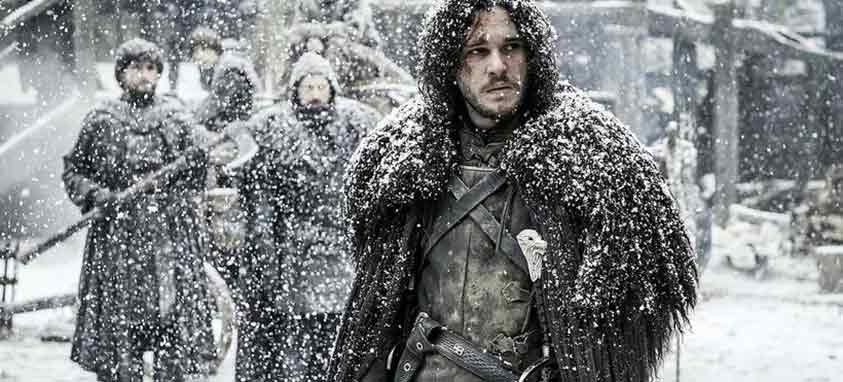
After a riveting midseason episode of HBO’s Game of Thrones on Sunday, the show’s omnipresent buzz is stronger than ever. One major appeal is the transcendent scenery. It turns out, these places aren’t all that other-worldly. That’s right, you can actually stroll through the streets of King’s Landing or venture beyond the wall—minus the threat of White Walkers. So rather than dreading Thrones’ impending end, plan a trip that fully absorbs its marvels. Even if you’re not a fan, no one can deny the grandeur, beauty and intriguing history of these travel hot spots.

Planner bonus: the list includes top hotels around these incredible sites!

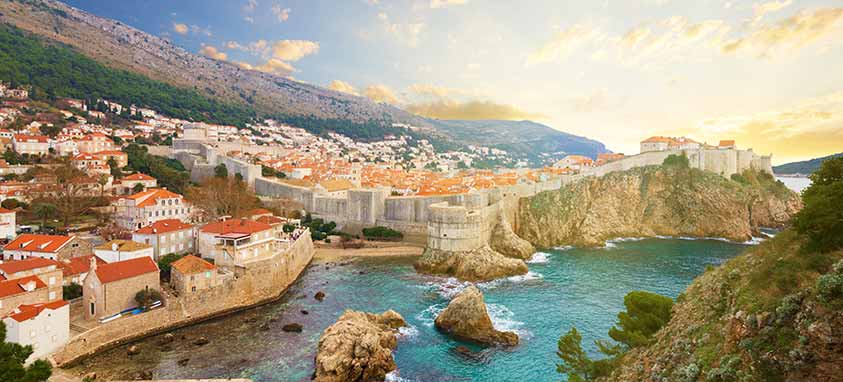
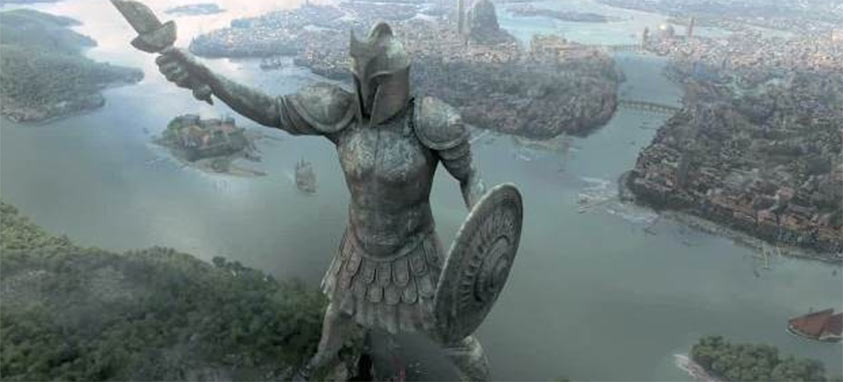
Dubrovnik, Croatia—King’s Landing

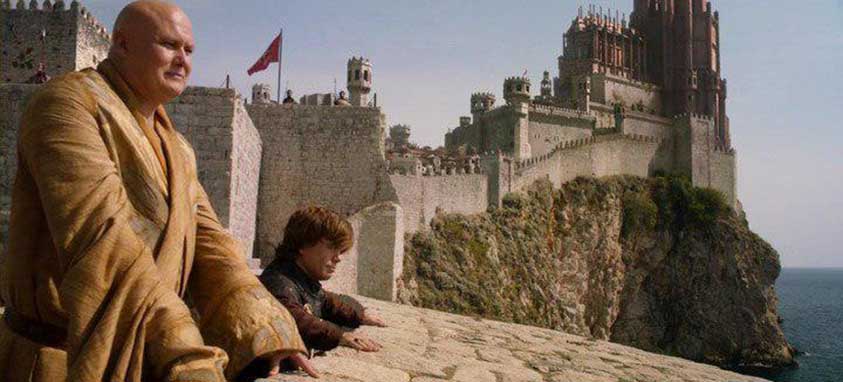
Dubrovnik’s historical St. Dominic Street is the backdrop for many market scenes in King’s Landing, including the moment when the Gold Cloaks kill one of King Robert’s illegitimate sons. Perhaps most notably though, it’s where Cersei’s “shame” walk occurs in the season five finale. Another key sighting in Dubrovnik is Bokar Fortress. The 16th century, fairytale-esque fortress appears in numerous Lannister interactions throughout seasons two and three.

Photo credit: HBO

Where to stay?

Built in 1895, The Hilton Imperial Dubrovnik brims with old world charm and offers 5,000 sq. ft. of meeting space and 147 guest rooms. The hotel won the Connie Award for Best Hilton in Europe in 2010, 2012 and 2013. Sun Gardens Dubrovnik is another luxe option. The 5-star Forbes Travel Guide and AAA Five Diamond hotel provides 12,000 sq. ft. of meeting space and 408 guest rooms.

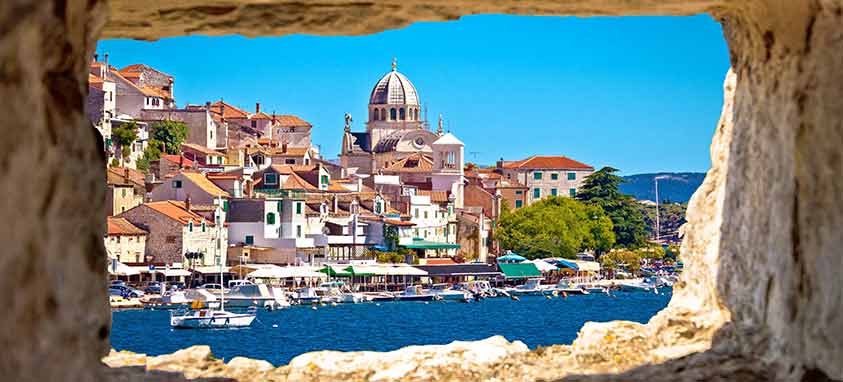
Sibenik, Croatia—Braavos

Mandroc, a small fisherman’s port in Sibenik, appears as Arya Stark enters the fictional city-state of Braavos. And later, St. James Cathedral doubles as the home of the “many-faced God.” This grand dome is the most significant Renaissance architectural monument in all of Croatia. Adding to the authenticity, the people of Sibenik are historically known for being talented sailors and swordsmen—just like like the Bravoosi!

Photo credit: HBO

Where to stay?

A Mediterranean style permeates Hotel Ivan. The 372-room hotel is a great match for the nearby, recently-opened Convention Center Sibenik. As Croatia’s largest convention center, the facility’s largest room can hold court to up to 1,500 with state-of-the-art facilities.

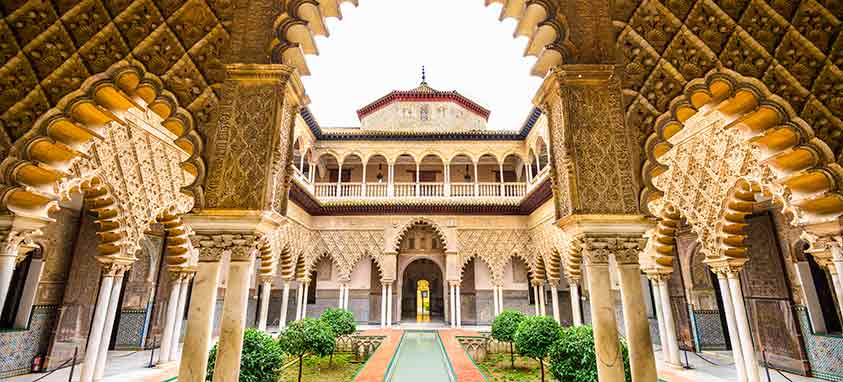
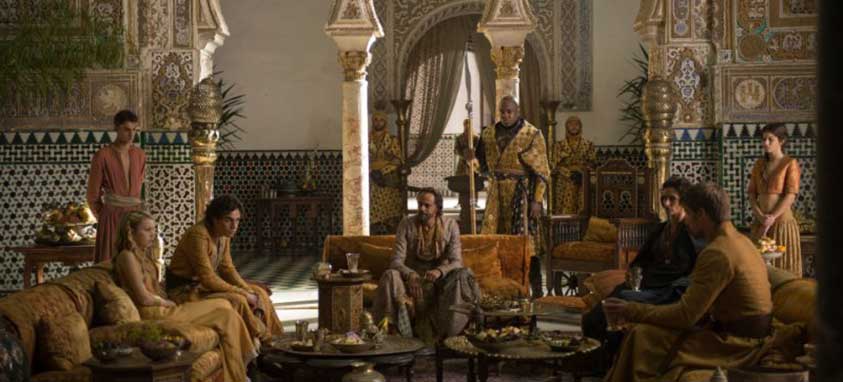
Seville, Spain—Dorne

The Water Gardens of Dorne are just as stunning in person as they are on screen. Reales Alcázar of Seville supplies the exquisite home of Dornish royalty on the show. The Spanish palace was first established as a fort in 913 when the region was ruled by the Moors. Several updates have followed, but its Islamic/Moorish architecture has been preserved. Just as rich ornamentation defines Dorne on the show, the palace remains a major emblem of Spanish culture.

In the region, you can also find Plaza de Toros de Osuna. The arena once staged bull fighting. On the show, it acts as the slave fighting pit of Meereen. The arena holds a great deal of significance on Game of Thrones, considering this is where Daenerys first flew her dragon.

Photo credit: HBO

Where to stay?

Melia Sevilla offers 365 (all external) guest rooms and 40,000 sq. ft. of meeting space. Another option is the Guggenheim-inspired Barcelo Sevilla Renacimiento, which provides 295 spacious guest rooms and  25 meeting rooms at its own Barecelo Convention Center.

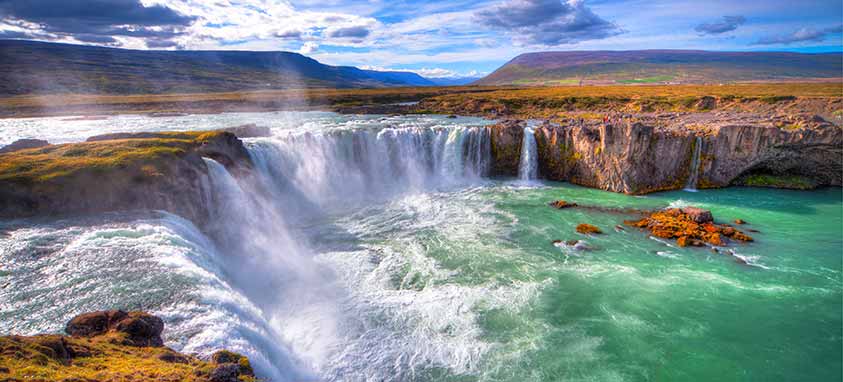
Myvatn, Iceland—North of the Wall

A chillier route takes form in the remote area of Myvatn. Lake Myvatn and its basaltic lava structures were created by a volcanic eruption 2,300 years ago. Much of what you see beyond the wall in Game of Thrones is filmed in Myvatn. It’s icy structures are the perfect climate for the fictional, northern area.

Photo credit: HBO

Where to stay?

Hotel Reynihlid is the only 4-star hotel in the region. It has 41 guest rooms and a conference room with a 60-person capacity. Hotel Kea by Keahotels (about an hour drive from Lake Myvatn) has 37 guest rooms, a restaurant, bar/lounge, meeting rooms and conference facilities.

Ulster, Ireland—Dragonstone, Stormlands and King’s Road

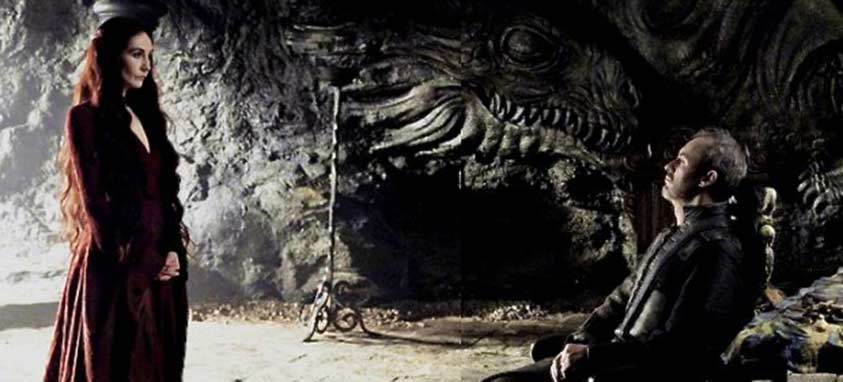
Ulster providence hosts a wide variety of Game of Thrones settings. For instance, Downhill Beach is where Dragonstone is filmed, the long-standing Targaryen residence reclaimed by Daenerys this season. You also might recall Dragstone as the place where Melisandre declared: “For the night is dark and full of terrors,” as the Seven Idols of Westeros burned. In our world, Downhill is an Area of Special Scientific Interest (ASSI) and a Special Area of Conservation (SAC). The sublime region is comprised of dramatic waterfalls, sprawling sand dunes and the 18th century Mussenden Temple.

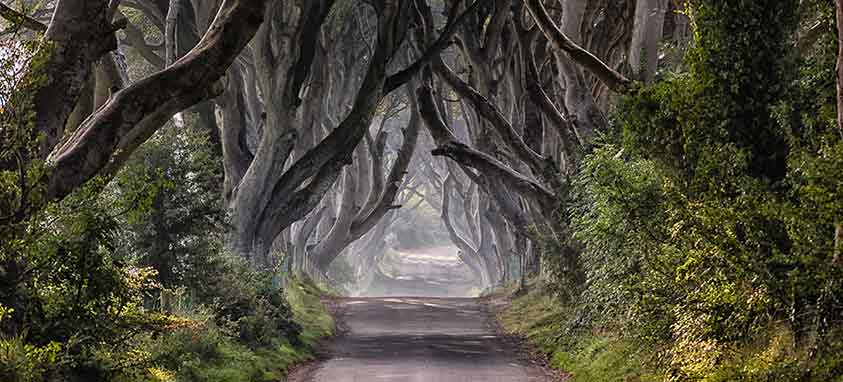
The Dark Hedges are also located in Ulster. Thrones’ fans identify the highly-photographed attraction as King’s Road, which appeared as Arya escapes King’s Landing disguised as a boy in the season two premiere. The Dark Hedges were grown by the Stuart family as a path to their Georgian mansion in the 1800s. Even though many of the trees have fallen over the years, a long stretch is still intact.

Photo credit: HBO 

Where to stay?

Winner of the 2017 Travelers’ Choice award, Bishop’s Gate Hotel (Derry), offers 30 guest rooms, a conference facility, a business center and a 90-person-capacity ballroom.

Ait Benhaddou, Morocco—Yunaki (Slaver’s Bay City)

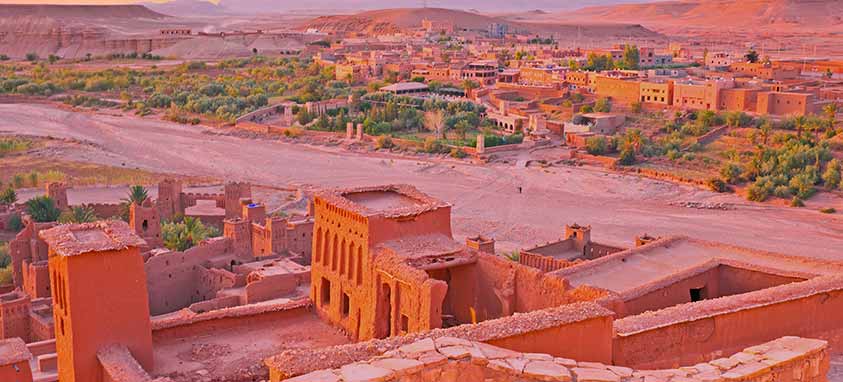
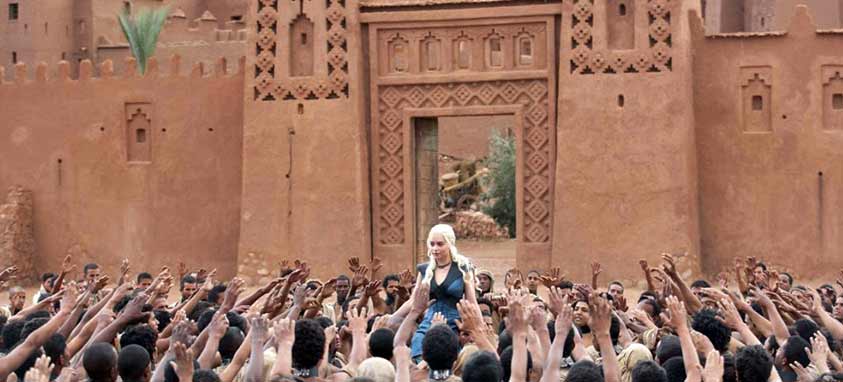
Ait Benhaddou stands in as Yunaki, also referred to as the Yellow City. Yunaki is one of the Slaver Cities on the eastern coast of Slaver’s Bay—that is until Daenery’s abolishes the practice and earns the title of their queen. Ait Benhaddou is mostly visited by tourists, while most local citizens live in a more modern village across the river. The aging homes and merchant houses are prime displays of Moroccan earthen clay architecture.

Photo credit: HBO 

Where to stay?

Ksar Ighnda, which offers 23 guest rooms, supports a wide variety onsite and offsite activities. The hotel offers a spa, gymnasium, swimming pool, hiking, biking trails and conference facilities equipped with modern audiovisual and computer equipment. Full business services are accessible to guests, including video conferencing, a 300-seat ballroom, boardroom and numerous breakaway rooms.

8 Scenic Restaurants in Top Meeting Cities

The flowers are in full bloom, the sun is shining—and everyone enjoys taking scenic routes during the summer.  And what better to pair the idyllic experience with than delicious food?

This week, OpenTable released its annual 100 Most Scenic Restaurants list. Based on analysis of more than 10 million verified reviews, the list honors restaurants with spectacular sights, ranging from natural wonders to glowing cityscapes. So here are eight striking beauties in top destinations for your meeting or event, or to simply enjoy time off while visiting!

Bertrand at Mister A’s (San Diego)

Only a few minutes from downtown San Diego, Bertrand at Mister A’s offers a French fine-dining experience at eye level with jetliners. The view encompasses the entire city, including the San Diego Bay skyline. Several rooms can host groups and full buyouts are available for 300 seated.

Dauphin’s (Mobile, Alabama)

Atop the recently resorted Trustmark Bank Building, Dauphin’s serves “classic coastal” cuisine, which includes Creole and Caribbean dishes, amid panoramic views of Mobile Bay. Its seasonal menus emphasize farm-to-table and local ingredients. Dauphin’s also has a special kitchen table for private groups of up to six people.

Different Pointe of View (Phoenix)

Located in the Pointe Hilton, Different Pointe of View sits on a mountain at 1,800 feet above the Valley of the Sun. Local and organic ingredients are incorporated in the restaurant’s contemporary American dishes. Different Pointe of View hosts more than 150 special events per year. Its Terrace Room can hold 140 standing and 120 seating.

Five Sixty by Wolfgang Puck (Dallas)

Five Sixty is Chef Wolfgang Puck’s first fine-dining restaurant in Dallas. The landmark building is part of the city skyline, standing at 560-feet tall (50 stories). The elegant and modern interior includes floor-to-ceiling windows throughout the restaurant, providing 360-degree views as guests delight in outstanding Asian cuisine. The Main Dining Room can seat 175 and host 250 reception style.

Flagstaff House (Boulder, Colorado)

Since 1985, chef Mark Monette has been treating diners to his unique, “French with Asian accents” cuisine at Flagstaff House. The restaurant has attracted the Emperor and Empress of Japan along with the Prime Minister of Japan and his foreign ministers. Only a five-minute drive from Boulder, Flagstaff House provides a variety of group accommodations with a capacity of 200 people.

Portland City Grill (Portland, Oregon)

Portland City Grill serves up USDA Prime steaks, fresh Hawaiian Pacific Coast and Alaskan seafood with a Northwest, island and Asian twist. In the restaurant, guests enjoy a sweeping look at downtown Portland and the Cascade Mountains. Several private rooms can hold groups ranging from six to 120 people seated or 175 for a cocktail event.

Top of the World Restaurant (Las Vegas)

Part of the Stratosphere Hotel, Top of the World Restaurant fulfills the promise of its name. At 840 feet above the valley floor, guests can enjoy 360-degree views in the contemporary steakhouse. There are several private dining options, including Level 107 Sky Lounge and the Observation Deck, which can accommodate 2,200 standing and 350 seated.


Jeju island South Korea

Jeju Shinhwa World, South Korea

In a major boost to meeting planners, Four Seasons Hotels and Resorts has announced plans to open a luxury property on scenic Jeju Island in one of South Korea’s most dynamic resort developments.

Featuring 240 lavishly furnished guest rooms, condominiums and villas, Four Seasons Resort Jeju Island at Jeju Shinhwa World will also include several restaurant and bars, state-of-the-art meeting facilities suitable for regional and international gatherings, and a luxurious spa designed in the style of a traditional Korean tea house.

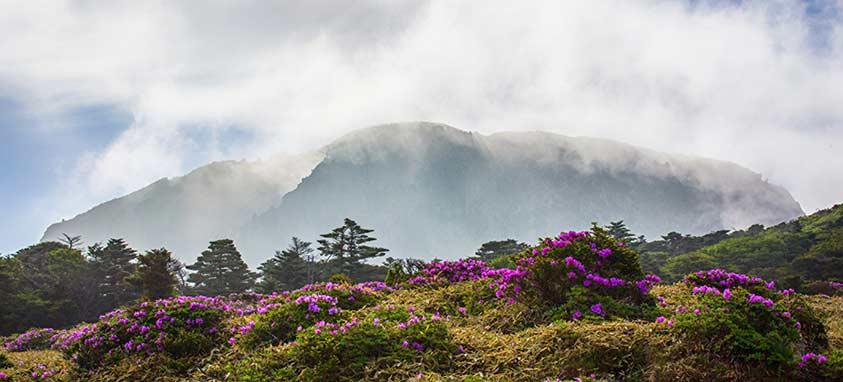
Located near Seoul, Jeju Island boasts several UNESCO sites, waterfalls, underground lava caves, coastal hiking and Hallasan, the highest mountain peak in South Korea.

Four Seasons is collaborating on the project with Landing Jeju Development Co., Ltd., which is a subsidiary of Landing International Development Limited as well as with the developer and operator of Jeju Shinhwa World, a 26.9 millon-square-foot integrated leisure, entertainment and gaming destination resort that is being created.

“Korea is an important market for leisure and business travelers,” said J. Allen Smith, president and CEO of Four Seasons Hotels and Resorts. “Landing International has an incredible vision for Jeju Shinhwa World. We look forward to working in partnership with them to create a world-class Four Seasons resort of Jeju Island, offering yet another destination in Korea for local and international travelers to experience the personalized service and thoughtful attention to detail that define Four Seasons.”

Jeju Shinhwa World, which has been opening in phases since the beginning of this year, will include a destination spa; theme parks, with many thrill rides and attractions inspired by the world’s myths and legends; an adventure water park; and Jeju’s first food and beverage, and retail complex.

“Jeju Shinhwa World is set to be one of the most popular leisure and entertainment destinations in Northeast Asia,” said Yang Zhihui, chairman and executive director of Landing International Development Limited. “Jeju attracted close to 16 million visitors in 2016, and tourism is expected to continue to grow with a strong momentum for many years to come.

“We believe with its world-class products and service quality, Four Seasons will enhance the hospitality offerings in Jeju and further strengthen Jeju Shinhwa World’s market position as a desired tourist destination in Jeju.”

AlliedPRA Acquisition Could Lead to DMC Consolidation

The announcement that destination management company Allied PRA was purchased by the large private equity firm CI Capital Partners for an undisclosed sum led to some predictions that more purchases might be coming in the future. The announcement came with a statement that defined the destination management sector as a sub-segment of a $280 billion business events industry and defined the acquired as a company that supports its clients’ offsite business events by providing activity and transportation solutions. “AlliedPRA works closely with its clients, which include Fortune 100 companies, to ensure their business events are successful.”

Tony Lorenz, CEO of Allied PRA, will presumably continue in his role as the announcement said the management team of Allied PRA will continue to lead the company and have a significant equity ownership in the company.

“We believe there is an opportunity to extend AlliedPRA’s scale and scope, creating more value for our customers in this critical area,” Lorenz said.

CI Capital Managing Director Timothy Hall was more direct: “We believe [AlliedPRA] is well-positioned to consolidate the fragmented destination management industry.”

Game of Thrones

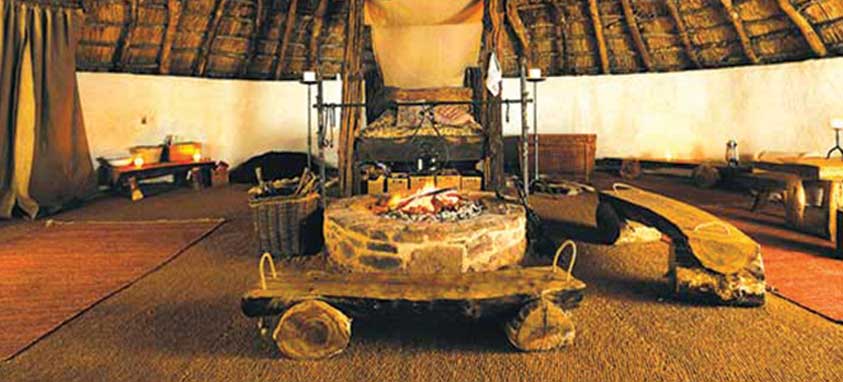
Are the latest happenings in the Seven Kingdoms of Westeros a primary concern for you, your family or your staff? Well then, how about getting back to the basic lifestyle of the Starks, the top family in Game of Thrones, by visiting—and staying in—Upcott Roundhouse, an Iron Age hut nestled into the rolling hills of Devon, England?

The B&B was built by farmer Charles Cole, who was inspired by a documentary about the re-creation of an Iron Age settlement. He and his family built the home by hand, using materials available on his farm.

The roundhouse is a large single room. Warmth is dependent on an open-stone fireplace that is also used for cooking. The vaulted thatch ceiling is made from water reeds and provides ventilation for the fire. Don’t even think about electricity; the warm light of candles will provide the romance and ambience adventurous travelers seek.

Becky Pemberton reports on mailonline.com that some guests say that despite the Iron Age design, “the experience is like a night in a Flintstones episode.” Hand-woven carpets cover the hard-packed floor, and the four-poster canopy bed is made from the farm’s wood and piled high with a duvet and cushions. The roundhouse’s website says a torch-lit walk through a narrow passageway leads to a mini roundhouse with a hot shower and compost toilet. It’s a safe bet that most in the Seven Kingdoms would be happy to draw swords over that particular luxury.

For more information, go to Canopy & Stars or [email protected]

Strategic Meeting Management Webinar

Strategic meetings management (SMM) means controlling costs of an event from end-to-end. That requires managing a lot of moving pieces. To help event professionals get a handle on some of the variables to be considered, we invited Betsy Bondurant, a San Diego-based consultant, to share some of the best practices that make everything from stakeholder management and meeting registration to sourcing and data analysis look easy. You can listen to the complete strategic meeting management webinar here, but following are some of the questions she was asked that just might be keeping you up at night.

Q: What would be the first step in establishing an SMM program?

A: Gather some data on meetings and make a hypothesis as to what the volume could be, based on industry statistics (meetings can be 1% to 3% of revenue). Estimate the number of meetings that are being contracted by non-professional planners, who are unintentionally opening the company to risk. Suggest a simple pilot to centralize the sourcing and contracting of meeting through one area.

Q: There are many definitions of cost avoidance vs. cost savings. Please elaborate.

A: The answer depends on how your internal procurement and/or finance department defines cost avoidance vs. cost savings. For example, for many companies if the difference in-first rate quoted and final contracted sleeping room rate was $25 per-room, per-night and there were 200 total rooms, there would be $5,000 in cost savings. Other companies would say this was cost avoidance, and that only year-over-year savings can be truly counted as cost savings.

The main point is to come to an agreement on the savings methodology at the start of program, so that everyone understands the metrics being utilized in order to avoid confusion while evaluating success of the SMMP.

Q: What is the GBTA link or resource to gauge your SMM skills?

A: The GBTA maturity model is accessible to GBTA Direct members free of charge.

Q: Can you please share some reference materials or articles discussing the concept of SMM?

A: White papers and session slide decks are available on GBTA.org and MPI. Plus a number of the technology companies and third-party agencies have good reference materials and case studies on their websites.

Q: Can you recommend a stand-alone tool for creating meeting specifications/ function books?

A: According to Corbin Ball, the meeting technology professional, the most complete product for event specs is Meeting Evolution. Plus, it is also APEX (Events Industry Council “Accepted Practices Exchange”) compliant.

Q: What is the best way for a third-party or private planner to ‘get in’ to a heavily structured SMM-based company?

A: Follow the prescribed procurement practices. Ask how a new supplier can be added to the preferred supplier list, or ask when they will next go out to bid for the services your company provides. If you have a category of service that they don’t manage, ask if you can come in to do a brief capabilities presentation that will highlight how your company can benefit them.

You can view the entire webinar on demand here.