
While email is a vital aspect of business communication, getting your clients to open and read through it can be challenging. No matter how well-designed your marketing emails look, if they lack clear and concise content, it is probably going to make its way into the trash or spam folder. A well-written, plain-text email can perform just as well as a highly designed email.
As an event professional, you are probably sending a lot of emails. Here are some tips to help you write a great marketing email.
Be Personal
Before you start, imagine you were sending the email to just one person or a good friend. Make sure to address your reader by their first name rather than “Greetings,” “Hello,” “Hey There” or “Sir/Madam.” This assures the reader that he or she is not part of a large email group. Remember, each client means business, so take a few extra minutes to write in a language that is friendly, conversational and connects well with the reader. Always direct your email to the reader and not the brand you are writing for. Use pronouns such as “you,” “your” and “yours” rather than “I” and “we.”
Write for the Web
Don’t forget that email is part of the web. Write short and crisp sentences and try not to sound too formal, redundant or robotic. Follow a simple structure and write short paragraphs. Use subheadings, bold text or bullets to highlight important information and make your copy scannable. Write assuming the client is not going to read every single word.
Write a Great Subject Line
Once an email makes its way to a reader’s inbox, the subject line is the first thing that meets the eye. Don’t rush into writing your subject line. We suggest you write it after you have drafted the entire email, as it helps to reflect the text in the body, or you can write it first and get the text to reflect your subject line. Try to restrict your subject line to a maximum of 30 characters.
More: 7 Ways to Increase Your Open Rate with Intriguing Subject Lines
Give Importance to Preview Text
The next thing that attracts the eye is the preview text, and it is just as important as the subject line. It is the first few words of the first sentence in your email and gives a quick peek into the content inside. This can also help your reader identify if the email is spam or not. Start with a killer opening line.
Body
According to a recent study by Microsoft, the attention span for an average human being is only eight seconds. This is all the time you have to engage your reader and convince them to read further. When you write the body of your email, ask yourself three questions:
- What is your goal?
- How does it benefit the reader?
- Is your content easy to read?
You probably have a lot of information you would like to include, but you have to be picky. Would you read chunks of text in an email? Probably not! First, establish a goal and make sure content reaches that goal. Your text needs to be short, easy to read and beneficial to your reader. Maintain clear formatting as it can help your text be scannable and still provide all the essential information your reader needs.
Urge Action
Your email should motivate your reader to act once they have read through it. Instill the urge to click by using actionable language such as: “sign up,” “order,” “reserve,” “buy,” “start,” or “get.” If you are offering an incentive, include words such as “free” or “complementary.” Place the call to action (CTA) preferably after the first few lines of your text so your reader knows exactly what to do.
Avoid Attachments
Resist the need to include attachments in your marketing emails. If you feel an attachment covers essential information, consider adding it as text within the body. Readers don’t trust attachments as they may contain viruses, and if your reader is viewing the email on a smartphone, then it might not translate well.
Read and Re-read
Read, read and read is the name of the game. Ensure your copy is error-free before you send. Mistakes reflect poorly on the business. Make sure you got the client’s name right, do a spell and grammar check, and fact check if needed. Get an extra set of eyes to scan through it and send it to yourself first to check if everything appears right and the CTA works. Then press send.


 Drivers are the leaders who keep the team focused and moving forward. Often, these are designated leaders, but in flat teams or organizations where everyone is meant to be equal, leaders often emerge naturally. If there’s no clear leader, one of the first team tasks should be to choose someone to direct the team. Typically, that person will be charged with guiding group discussions, assigning roles, and managing conflict—in short, keeping the team moving efficiently toward the end goal.
 With a strong organizer on board, the team leader may be able to shift some of the administrative activities. Organizers are process-oriented and often adept with lists, calendars and charts. Rather than impose their will on others (as some Drivers tend to do), they love to put systems in place to create an atmosphere of order and harmony where everyone can thrive. Be grateful if you have someone like a former assistant of mine who told me proudly at our initial interview, “I live to organize.” It was music to my Driver ears and the beginning of a long and fruitful relationship.
 Visionaries are the creative engines of the team machine. Though they may sometimes seem lost in the clouds, it is precisely their ability to dream—and dream big—that can bring a breakthrough idea to the team. These creative types aren’t just found in positions like marketing or design. Learn to tolerate their flights of fancy, give them encouragement to express their thoughts and you may find they’re full of fresh process and people solutions that can help solve even the thorniest problems.
 Contrarians of the corporate world have gotten a bad rap for being negative. But that’s actually their blessing. If you can put up with the Naysayers’ occasional sourpuss style, you’ll discover that their out-of-the-box way of looking at the world can bring an enormous amount of innovation to the group. Deal with their disruptive attitudes, listen to their wild ideas, embrace their sometimes-unusual methods and you may strike gold.
 Like the Organizer, the Diplomat is focused on the common good. Diplomats are relationship-builders and talented team players who can soothe ruffled feathers and bring out the best in others. They may not always like to take the lead, but they’ll happily weigh in with their own thoughts and encourage input from others. Respect their emotional nature, appreciate their calm demeanor and you’ll have a connector who can rally the team even in the most difficult moments.
 Though everyone on the team should have skills that allow them to contribute to problem-solving and organizational growth (except for the Wild Card), there should be at least one person on the team with deep subject matter knowledge. The Expert is the go-to answer person on the problem at hand, a skilled researcher, and someone who can pose and answer the questions no one else even thought to ask. Treasure them.
 Not every team needs a Wild Card, that is, a person who comes from a completely different discipline and might not normally interact with the group. But by bringing a Wild Card onto a team or even just an occasional meeting, particularly brainstorming sessions where all ideas are welcome, you may get some great surprises. People who are new to the organization or business unit can often be great Wild Cards, bringing fresh perspectives and competitive knowledge that can be invaluable.
 It’s summertime, and that means a lot of people are traveling, both for business and pleasure – and sometimes both.
 Internal meetings are a necessary yet often dreaded part of the business day. As Stephanie Vozza notes in an
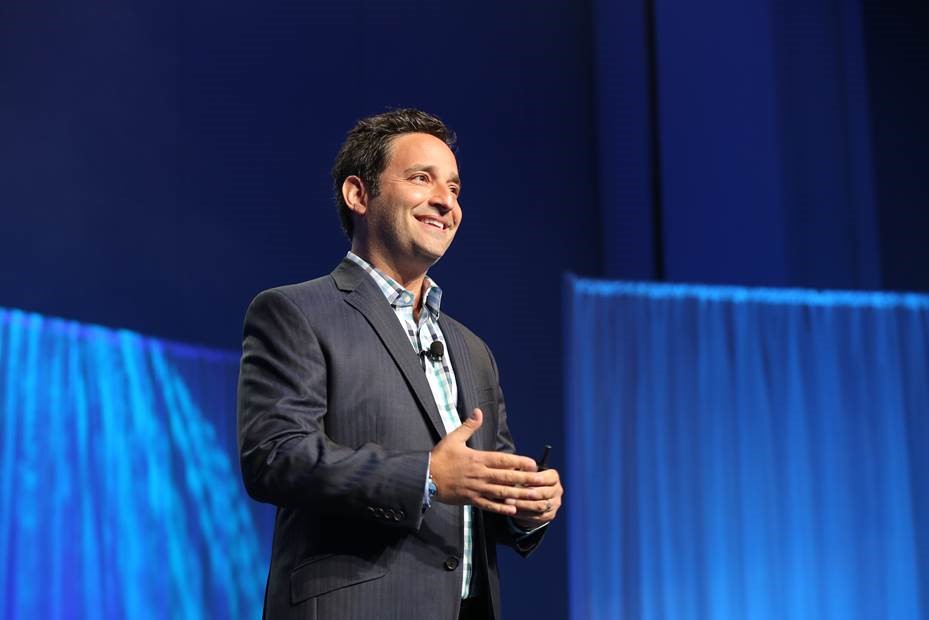
 Author and businessman Mike Michalowicz has come up with 3 productivity hacks that he believes can help individuals get twice as much done, in half the time.
 Business travel is expected to be positively impacted by today’s 12-nation Trans-Pacific Partnership agreement, according to U.S. Travel Association.
 The Global Business Travel Association (GBTA) just released their fourth quarter report for economic trends and business spending in 2015, and the results are hinting at a stable 2016, despite the current status of most countries to date.
