Equal Pay traffic sign message

Despite efforts to close the gender pay gap, a recent survey suggests that if it continues decreasing at its current rate, it will still take about 20 years before pay equality is reached.

The WiH2020 (women in hospitality) survey found that there has been a 0.4 percent annual decrease in the pay gap across hospitality, travel and leisure (HTL). The survey was created in collaboration with PwC, WiH2020 and UKHospitality. These three groups emphasize that promoting diversity and inclusion is pivotal, and work to make sure they have an impact on their communities.

Now in its second year of reporting, the WiH2020 survey has shown marginal overall improvement to the gender pay gap in the HTL sector. Results show that 10,442 companies disclosed their 2018-2019 figures, 9,352 companies have made their second disclosure and 742 of the companies are in the HTL sector.

The survey found that men still hold most of the top jobs. There are far more men in higher paying, senior positions and technical roles and more women in lower paid, unskilled jobs in HTL, such as housekeeping, that have a high turnover rate and insecure seasonal work.

More: How Four Wise Women are Leading the Way in Hospitality
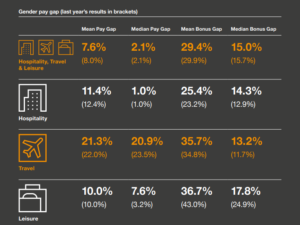
Photo Credit: WiHi2020

Last year, the mean pay gap between men and women in HTL—which considers all data, with equal weighting, including outliers—was 8 percent. This year, it has dropped to 7.6 percent. Although not very significant, it is still lower than the overall mean pay gap, which stands at 13.1 percent. In hospitality the mean pay gap has dropped to 11.4 percent, travel has decreased to 21.3 percent and leisure has stayed constant at 10 percent.

Raising the Bar

“Being transparent about our data was a positive move for us. It was the catalyst for change and triggered a very open and productive conversation about the actions we were taking and what actions we needed to take,” said Nikki Humphrey, senior vice president for People of Virgin Atlantic.

The pressure is on to show year-on-year improvements and that promises are being met, as most survey participants see gender pay reporting as a three- to five-year journey. Additionally, ethnicity pay gap reporting will soon become mandatory to further highlight the lack of diversity within high-paying positions.

What’s Been Done?

Gender pay-gap reporting is one of the things being done to close the gap, and now that systems are up and running and payroll systems are aligned with reporting, it is easier for companies to comply.

Reviewing gender balance within teams, introducing unconscious bias training, setting up gender pay forums and implementing flexible working polices are some ways HTL companies are working to close the gender gap.

In a press release on Sept. 6, 2018, Caesars Entertainment reported that 99 percent of women at the company’s corporate headquarters and 98 percent of women working in nonunion roles at the company’s domestic properties had “no meaningful differences in average pay when compared to men in the same positions.” These results were released as part of its “Gender Equity Initiative,” which was launched in 2017 in collaboration with Billie Jean King and the Billie Jean King Leadership Initiative.

More: How Five Women are Leading the Way in Hospitality

Caesars Entertainment has pledged to review pay equity on a regular basis, reflecting its commitment to ensure equity for all employees and progressing toward its goal of 100 percent pay equity across all sectors.

What is Needed and What Can We Do Now?

There are still limited options available for women in HTL, and many take lower paying jobs to allow for greater flexibility in working hours, which leaves little room for career progression.

Diversity and inclusion are also needed as strategic priorities to close the gender pay gap. According to Wi2020 Review, diverse and inclusive businesses are gaining in motivation, innovation, talent appeal and customer reputation. However, leadership within each business must reflect the diverse make-up of the staff and customers; without this, businesses are likely to miss out on vital employee and customer understanding, causing their performance to suffer.

Looking into the Future

There are six key foundations outlined in the survey for how to continue to facilitate effective change.

  1. Alignment with business strategy: Promoting diversity and inclusion should articulate how to support specific business priorities such as strengthening customer satisfaction and attracting hard-to-secure talent.
  2. Clear direction ownership and tone from the top: Executive teams set the tone for the business, and ensure that diversity and inclusion are recognized as priorities. This needs to be more than a statement of intent. It can be supported by turning diversity and inclusion metrics into individual performance objectives and incentives as part of a business-wide accountability framework.
  3. Set realistic objectives: It’s important to identify top-priority diversity and inclusion objectives that address a business’s shortcomings. Strengthening the well-being of your workforce, changing attitudes about mental health, improving the experience of women, and increasing the representation of people from minority groups in senior and technical positions are some objectives to consider.
  4. Turn objectives into an action plan for delivery: Top priority objectives set the direction and help shape values within a business. It’s important to translate these objectives into an action plan that establishes measurable goals and how they’ll be achieved.
  5. What gets measured gets done: Data, analytics and tracking to gauge progress as well as targeting intervention and driving accountability will help support the action plan—because what gets measured gets done.
  6. Tell it how it is: Instead of just promoting initiatives and strengths, reporting should also focus on plans for addressing a business’s shortcomings and communicating progress over time. Acknowledging deficiencies can create opportunities by setting out plans for accelerating progress.

More than half of meeting planners participating in a newly released survey said they will not return to a venue due to lack of professionalism and nearly half of them cite communications problems as why they chose not to submit an RFP to a venue.

These are among the findings in Cvent’s 2019 Planner Sourcing Report: Global Edition, a survey of 2,650 planners in North America, Europe, Asia, The Middle East and South Africa. Participants in the annual survey were unusually young this year: Twelve percent of those surveyed are from Gen Z (ages 18–24), 35 percent are millennials (ages 25–34) and 46 percent are from Gen X (ages 35–54).

What Planners Need from Hoteliers

The survey noted that respondents expect “transparency, professionalism and efficiency” when dealing with hoteliers and other venue staff.

“Even if a venue does not provide something we want, this should be clearly stated in their RFP response,” wrote one survey participant. “We do appreciate, however, when a venue applies lateral thinking to our needs and makes unexpected recommendations.”

The survey found:

  • 59 percent will not return to a venue due to a lack of professionalism.
  • 72 percent expect cost savings of at least 6 percent before considering making a switch to a second-choice venue.
  • Almost 50 percent say they manage room blocks manually, but 59 percent would prefer a tech-driven solution.
  • 45 percent rank event space and layout as the most influential element when selecting a venue.
  • 44 percent say will not choose to submit an RFP to a venue due to communication problems.

Survey results indicate, however, that planners may now be more trusting of hoteliers in responding to RFP matters: 16 percent of respondents said trustworthiness is the primary RFP area that needs improvement, compared with 30 percent in 2018. The respondents singled out attention to detail (32 percent) and speed (20 percent) as the main areas that now need improvement.

“Overall, the message from this year’s Cvent Planner Sourcing Report is this: Planners are busy,” the report states. “They’re searching for hoteliers who provide a collaborative partnership that emphasizes speed, efficiency and an exceptional event experience.”

Heavy Workload

Other findings in the report indicate that planners are carrying a very heavy workload. Sixteen percent say that they manage 100 or more events per year, 37 percent organize 50 or more events each year and 69 percent plan 11 or more events per year. More than half of them say that attendance at most primary meetings has increased.

Eighty-one percent of those surveyed said they experience difficulties sourcing, from negotiations to research and RFP responses, with 80 percent of them saying that research is difficult due to the amount of time it takes and 69 percent saying they have difficulty comparing proposals due to the amount of time required.

Planners surveyed expect increases in their food and beverage, travel and venue budgets, but the report suggests that rather than providing relief, these will be needed to address rising costs.

“This reflects the practical reality that as the number of attendees at events increases, so too do costs associated with attendance, like food and beverage,” the report states.

Some Relief for Planners

One way that planners can lessen their workload is by utilizing outside resources.

“The reality of handling so many meetings and the need to deliver a great experience may be why the number of planners who seek assistance from third-party agencies, DMCs or CVBs is significant,” the report states. “Nearly half [of those surveyed] say they often or always work with external planning of destination-related organizations.”

Frequency of Planning Collaborations

Third-Party Planners

Never—20%

Rarely—17%

Sometimes—22%

Often—25%

Always—16%

DMCs

Never—27%

Rarely—17%

Sometimes—20%

Often—21%

Always—15%

CVBs

Never—22%

Rarely—17%

Sometimes—24%

Often—21%

Always—16%

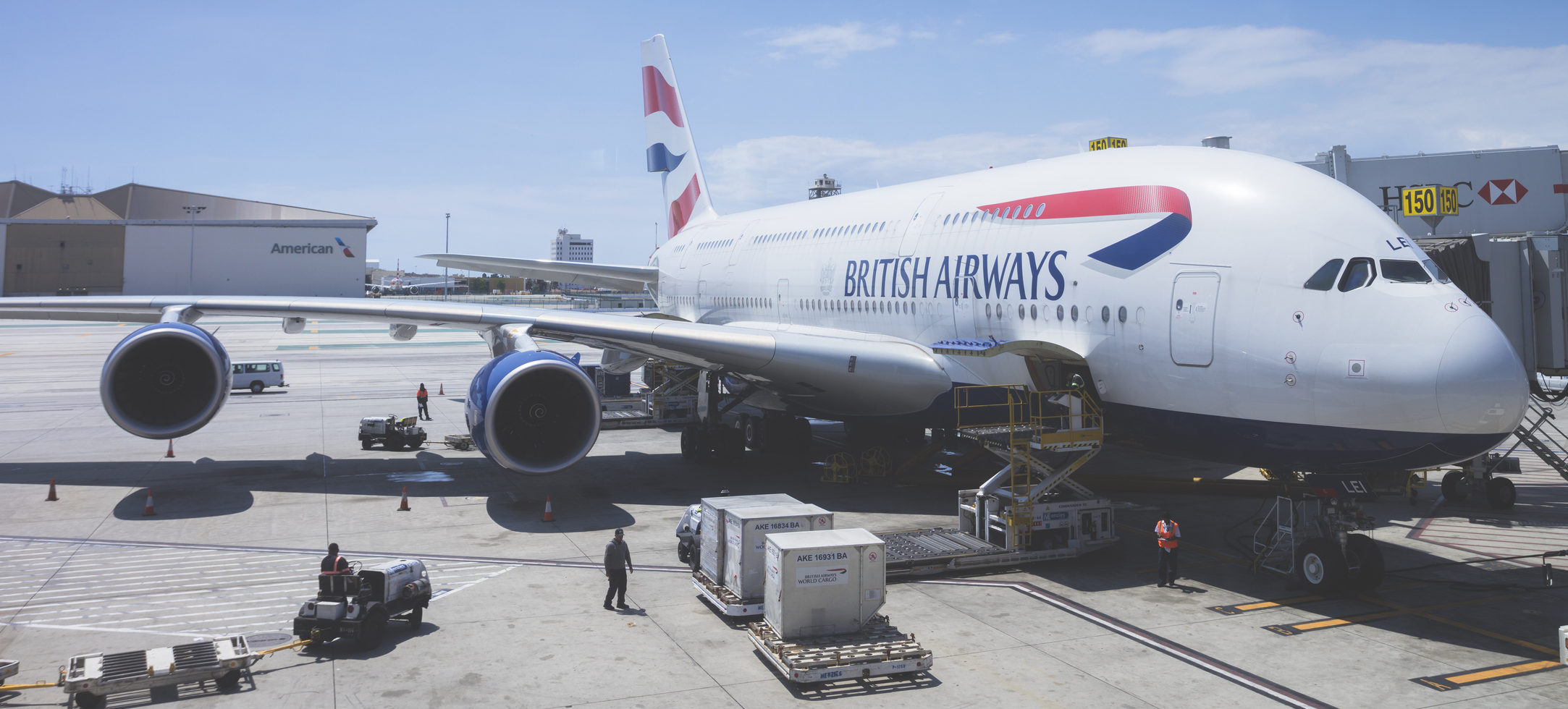
British Airways looks like it’s on track to cut its carbon footprint in half by 2050. Both the airline and Shell have made plans to reduce emissions by turning commercial waste into fuel.

Altalto Immingham, a subsidiary of U.K.-based renewable fuel company Velocys, has submitted plans to create a site that would take more than a half-million tons of nonrecyclable waste, such as coffee cups and meal packaging, and turn into cleaner, sustainable jet fuel.

MoreCaesars Aims to Build Most Sustainable Pillar-less Ballroom in World

This technology will reduce greenhouse emissions by 70 percent for every ton of sustainable jet fuel that substitutes conventional jet fuel, equal to taking 40,000 cars off the road every year. British Airways intends to purchase this jet fuel from Velocys’ site for use in its aircrafts.

Whether this a response to the advent of Europe’s flygskam (Swedish for flight-shaming) movement, which encourages people to stop flying and seek alternate modes of travel, such as trains—is unknown.  It’s a movement that gained steam when opera singer Malena Ernman announced she would stop flying, and other Swedish celebrities followed suit. Either way, reduction in the production of carbon emissions into the earth’s atmosphere is good news.

MoreAn Event Planners’ Guide to Sustainability

Not only will emissions be cut in half, but the sustainable fuel will result in air quality improvement with up to a 90 percent reduction in soot build-up from aircraft engine exhausts and an almost 100 percent reduction in sulfur oxide production. This process also offers a lower emissions route to process than if it were to go to the landfill or be burned.

Alex Cruz, CEO of British Airways, called this move a “game-changer for aviation.”

He added, “This development is an important step in the reduction of our carbon emissions and meeting the industry targets of carbon neutral growth from 2020, and a 50 percent in CO2 reduction by 2050 from 2005 levels. It also brings the U.K. another step closer to becoming a global leader in sustainable aviation fuels.”

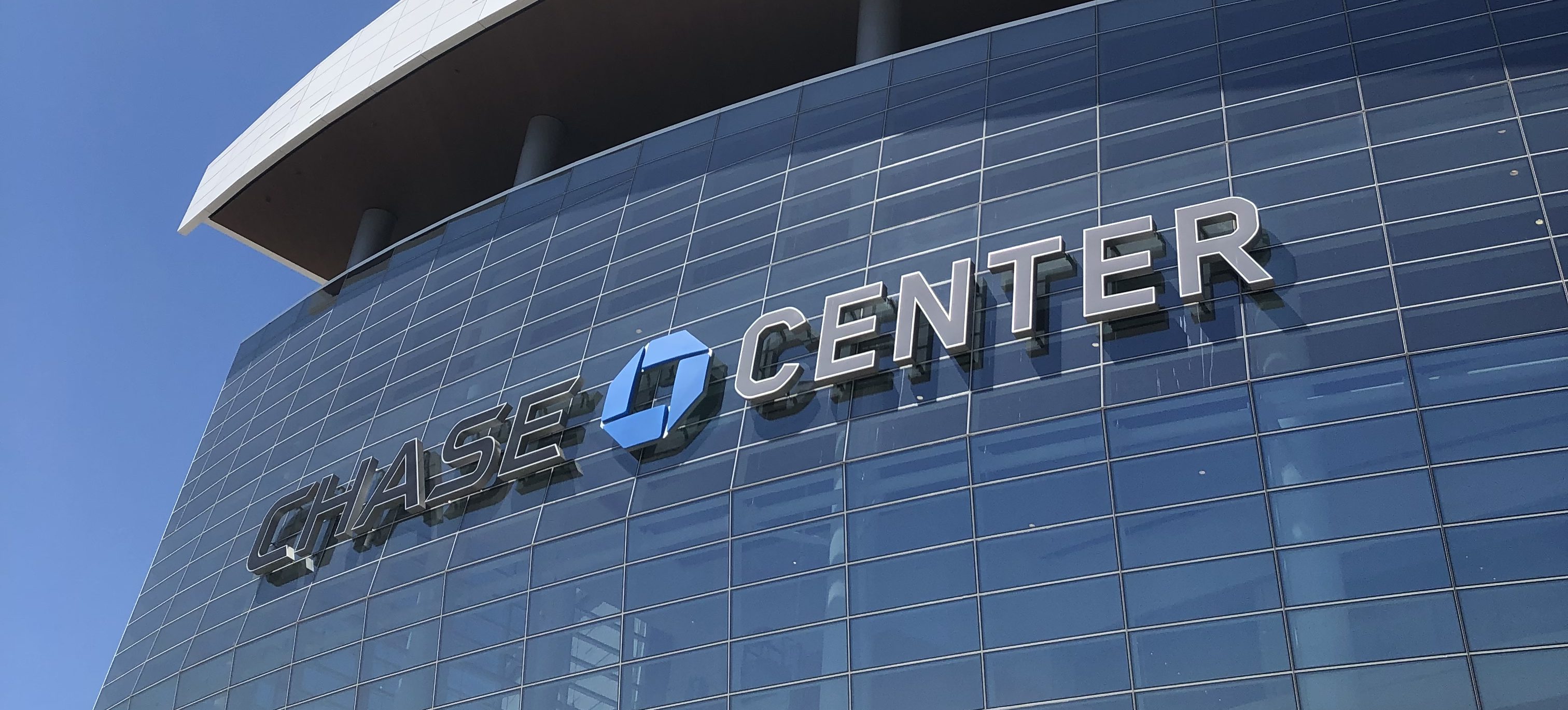
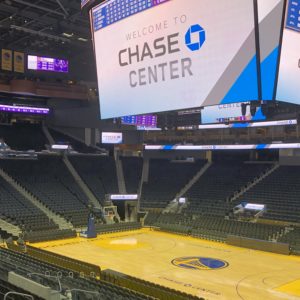
When the new 18,000-seat Chase Center opens Sept. 6 in San Francisco’s Mission Bay with a Metallica/ San Francisco Symphony concert, it will be more than a new home for NBA’s Golden State Warriors. The stadium is the centerpiece of Thrive City, a 3.2-acre mixed-use development that will include office, restaurant, retail—and meeting space.

Smart Meetings got a sneak peek of the building as contractors were putting the final touches on it and came back with lots of suggestions for creating exciting experiences at the new venue.

Stadium Spaces

In addition to two rows of suites, the facility is home to five club spaces, including the upscale J.P. Morgan Club, where guests can watch the big screen while enjoying upscale food and beverage options during the game or as part of a meeting on concert and other nongame days. Even closer to the action, 42 suites in Google Courtside Lounges were built for VIPs, with personalized wine refrigerators and luxurious details steps from premium seats.

At Center court is the NBA’s largest scoreboard, with more than 8,500 sq. ft. of LED space that can be programmed to share real-time stats, basketball action, or a company logo and messaging, then retracted into the ceiling when it is time for a concert. Outside, the entry plaza is anchored by a 5,000-square-foot building and stadium seating up to 250 people. Imagine an all-star incentive program or a team-building experience inspired by one of the most winning teams in sports.

MoreIncorporate Sports into Your Events: A Smart Play

Elevated Art

More than 30 artists designed pieces for the site, including the feature piece, Seeing Spheres, by Olafur Eliasson, which consists of five, 15.5-foot-tall polished steel globes, framed by a ring of LED lights for a multilayered space that reflects ever-changing views of those interacting with the piece. Medallions along the esplanade will highlight team heroes in a growing walk-of-fame-style dedication. Inside, an Alexander Calder mobile is on loan from San Francisco Museum of Modern Art. J.P. Morgan Chase Club will display a piece commissioned from Oakland-based Creative Growth Art Center, a nonprofit studio for those with disabilities.
Local Nosh

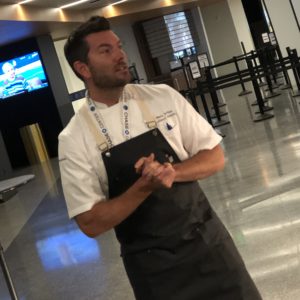
The concourses feature five local Bay Area food “eateries,” rather than traditional concession stands. The fare is prepared largely on-site in eight kitchens and 23 bars from favorites such as Tacolicious, Sam’s Chowder House, Tony G’s Pizza and Hot Dog Bill’s Burger Dog. F&B will be managed by Bon Appetit Management Company, Levy Restaurants and Culinary Director Mark Jeffers. All these resources are also available for inspired catering menus, Jeffers said.
Outside the stadium, star chefs have stepped up to amplify the pregame offerings. High-Energy Food Hall by chef Michael Mina, Gott’s Roadside, Belly & Sweet Belly and Dumpling Time have announced restaurants. Golden State Warriors President Rick Welts called the next 12 months “a year of discovery” as new features continue to open.

Public Access

Although the building includes 950 parking spots, the best access is from public transit. Every event ticket doubles as a muni pass that drops passengers off within a block of the stadium. Central Subway train service is expected to start in early 2020 and improved ferry service is in the works.

Hotel properties and CVBs across the country are enlisting the help of digital innovations to deliver convenience to groups in the ballroom and the guest room. Smart Meetings rounded up some examples you might see in your travels and what that means for your next meeting.

MoreSmart Technology is Reshaping the Future of Hotels

Miami Beach and Aira

Miami Beach is leading the way in using tech to bolster inclusivity. The city recently partnered with Aira, an app-based service connecting trained, remotely located agents with people who are blind or have low vision. The service allows remote agents to communicate with people who are seeing impaired to help them find directions, read street signs and freely discover the city through a video-call. The app works on Android or iOS platforms and video calls can be made through smartphones or video-enabled glasses. The Mayor of Miami Beach, Dan Gelber commented on his excitement at the partnership with Aira: “We’re excited to partner with Aira to continue that commitment and grant individuals in our city the freedom and confidence to roam by covering the cost for travel-related inquiries within the urban-island.”

Hotel Zetta

Viceroy Hotels & Resorts is also taking advantage of advancements in tech to improve the experience of guests. One property, Hotel Zetta in San Francisco, boasts ultra-modern guest rooms with cutting-edge technology and guest amenities. In addition to access to Alexa technology, those staying in suites will be wowed by the Atari Pong Table; a retro style with modern technology coffee table that boasts built-in speakers, USB charging points and a glass covered air hockey table. In the lobby, guests can experience a virtual reality (VR) booth featuring action, underwater and adventure games, OCULUS GO VR headsets and Nintendo Switch gaming consoles. The hotel is also home to a Playroom with pinball machines.

Yotel New York

Japanese-inspired Yotel hotel brand reimagined small-space hotel rooms in 2011 when they opened their first city property in downtown Manhattan. Yotel offers rooms for travelers that have everything they need in a small, well-curated space. From self-service check-in kiosks to a luggage robot storing service, a ‘smart box’ 24/7 food service and a fully adjustable ‘smart bed,’ Yotel is leading the way in tech-forward hotels. YotelAir is the brands’ airport division and has all the amenities a weary traveler might need, at the press of a button or the swipe of a card.

Virgin Hotels Chicago

Lucy runs the show at Virgin Hotels Chicago. Who is Lucy you ask? Lucy is an app that can book your stay at Virgin Hotels in Chicago and help you through your entire visit. From allowing you to check in to controlling the thermostat in your room and ordering room service, Lucy has your back. She will also give you recommendations of things to do and can even put you in contact with fellow guests should you want to chat or connect.

JW Marriott Marco Island Beach Resort

A new adult-only expansion at JW Marriott Marco Island on Florida’s Gulf of Mexico, known as Paradise by Serine in Lanai tower is a hotel within a hotel that includes a bespoke registration process, pairing Champagne and a personalized wrist band that grants access to the exclusive wing of the resort. Guests of Serine can use the chip-enabled bands to access the rooftop pool and private beach complete with a beach butler.

International Tech Hotels

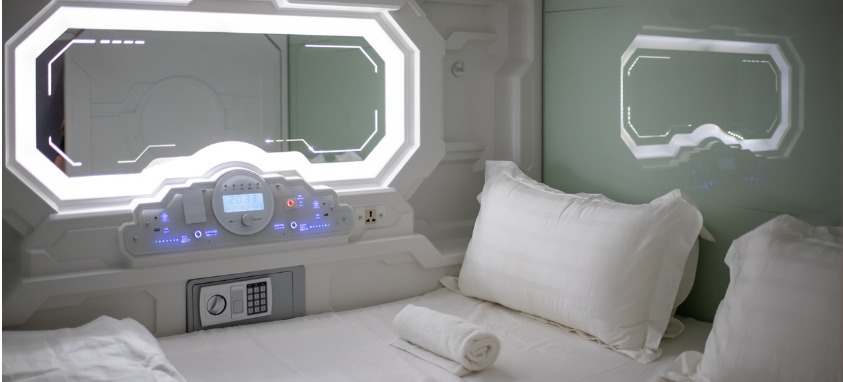
If you’re traveling abroad and want to check out some international tech-advancements these hotels truly are technological havens. Henn na Hotel Maihama Tokyo Bay is entirely staffed by robots for a real futuristic feel. Dinosaur robots will check you in and an in-room robot is available for any needs you may have. W Sentosa at Singapore Cove is a millennial tech paradise. With 24 underwater speakers pumping techno music underwater at the pool to Bose surround systems in every room and colorful lights everywhere, this hotel merges luxury, technology and youthful fun perfectly. City Hub has hotels in Amsterdam and Rotterdam. It is a hostel-esque property with ‘pods’ for guests to sleep in which are accessed by wristbands that are attached to guests’ credit cards. Guests pick up their wristbands from a kiosk in the lobby after downloading the City Hub app and are provided with a portable WiFi box so they can be connected when exploring the city. Folks, the future is here.

In an attempt to eliminate waste production, Marriott International is getting rid of small, plastic tubes of toiletries from roughly 500,000 guest rooms.

The hotel chain announced that it will soon replace plastic, travel-sized tubes of shampoo, conditioner and bath gel with larger pump bottles, which will be made from recyclable material. Marriott says the new bottles will be equal in capacity to 10 to 12 small, single-use bottles.

More10 Items in Every Eco-Traveler’s Carry-on

Already taking place at about 1,000 of its North American properties since 2018, this switch to larger bottles is part of a larger plan. Marriott’s plan is to have 7,000 of its properties around the globe make the change by 2020, including the Courtyard, The Ritz-Carlton, W Hotels and Sheraton brands.

Marriott hopes to reduce plastic waste annually by 30 percent, or almost 2 million pounds, by preventing about 500 million tiny, plastic bottles—which typically aren’t recycled—from going to landfill.

MoreCanada Bans Single-Use Plastics

Other brands are making environmentally friendly changes, as well: InterContinental Hotels Group says it will replace travel-sized tubes with larger toiletries starting in 2021. Hilton recycles used soap, transforming it into new bars after they’ve been broken down and sanitized.

Arne Sorenson, president and CEO of Marriott, stated how important it is that the brand continues to find new ways to reduce their carbon footprint: “Our guests are looking to us to make changes that will create a meaningful difference for the environment while not sacrificing the quality service and experience they expect from our hotels.”

Florida and Nassau, capital of the Bahamas, were open for meetings and tourism as usual on Thursday after escaping the major damages that were widely feared. Florida did experience a storm surge in the northern part of the state earlier, with more than 150,000 power outages statewide and closures of schools, airports and businesses up and down the coast.

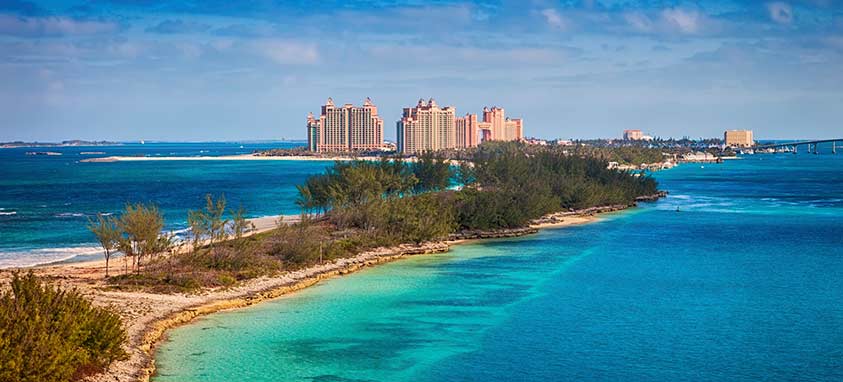
In other parts of the Bahamas, thousands were left homeless and the official death toll rose to 23, with more expected. Lynden Pindling International Airport (LPIA) in Nassau is now the site of a major relief effort to help other islands, such as hard-hit Abaco Island. Atlantis, Paradise Island was not affected by Hurricane Dorian and is working with the Bahamas Red Cross and partner Chef Jose Andres/World Central Kitchen to deliver relief, including food and supplies to Abaco, Grand Bahama and other affected areas. Atlantis started a donation link through GoFundMe that can be accessed here.

Meanwhile, Dorian pounded the Carolinas with wind and rain Thursday. The Category 2 hurricane gained speed and was traveling at 10 mph with sustained winds of up to 105 mph, the National Hurricane Center (NHC) said in an update at 2 p.m. local time. The eye of the storm was some 45 miles southeast of Myrtle Beach.

RelatedRosen Hotels Provides Relief for Dorian Evacuees

“The center of Dorian will continue to move close to the coast of eastern South Carolina for the next several hours, and then move near or over the coast of North Carolina [Thursday night] and Friday,” the NHC reported.

South Carolina Gov. Henry McMaster lifted his evacuation order for Jasper, Beaufort and Colleton counties, but evacuation orders were still in effect for Charleston, Dorchester, Berkeley, Georgetown, and Horry counties.

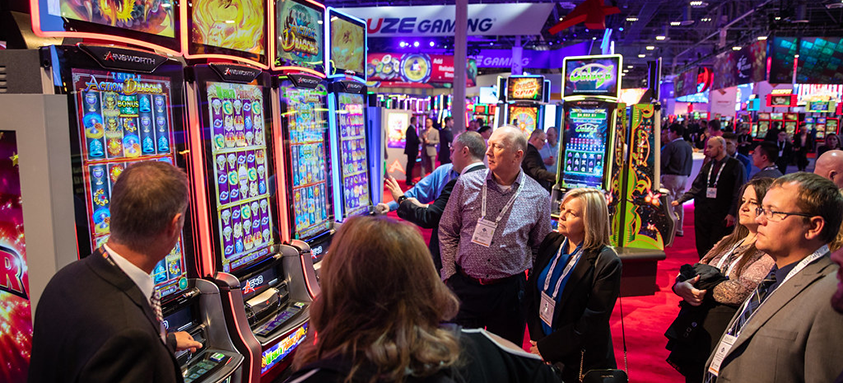
G2E, the world’s largest expo for gaming professionals across the spectrum, is on deck for Oct. 14–17 at the Las Vegas Sands Expo Center.

Presented by the American Gaming Association (AGA) and organized by Reed Exhibitions, the trade show will be a veritable smorgasbord of gaming products and services, from cutting-edge educational sessions with industry experts to a showcase of the latest tech and innovations from vendors around the globe.

For casino operators, suppliers, executives and managers, the scope of offerings at G2E will have you covered, from floor to ceiling and beyond. Whether it’s the newest slot machines to improve gaming experience or expanding your market with non-gaming amenities such as spa products and travel services, G2E promises the payoff.

Special to the gathering for the fourth year running is Innovation Lab, a chance for G2E attendees to learn about pioneering technologies and how they may impact the industry. With an eye to the future (especially for fans of the television series Westworld), the lab will deliver engaging talks on topics such as potential applications for virtual reality and artificial intelligence in the industry. Other industry leaders will speak on subjects of cyber defense, increasing digital engagement and improving guest services.

Insider tip: Before you go, make sure to download the G2E mobile app, sponsored by Konami. On site, there’s no need to fumble with printed maps—get help to your destination from G2E Ask Me Team members, who will be hard to miss in their lime-green shirts.

For further information on speakers, exhibitors and logistics, visit the G2E website.

Planners realize that food is the universal language and plays a vital role at meetings and events. New York City recognizes the importance of food just as well, and this is fully evident during  NYC Restaurant Week—a celebration of dining out.

There are 381 restaurants participating in the festivities (which actually take place for 26 days, Jul 22–Aug. 16) and offering special Restaurant Week dishes. We’ve compiled 11 restaurants that are perfect for the next group outing, all of which are available for private dining.

21

One of the most popular restaurants in New York City, 21 welcomes you with American cuisine and a Wine Spectator Grand Award-winning wine list. A collection of toys is suspended from the ceiling, each of them a gift from sports stars, presidents and celebrities.

Benoit Restaurant & Bar

This Midtown French Bistro is part of world-renowned French chef Alain Ducasse’s list of international restaurants and operations. The large windows and wide-open doors give this restaurant a sense of calm and airiness.

Butter Midtown

Photo credit: Butter

Butter is the brainchild of Iron Chef and Food Network star Alex Guarnaschelli. The high ceilings, hardwood floors and walls give the dining space an appealing, modern look and feel.

Cafe Clover

A perfect location for health-minded attendees, Cafe Clover offers locally sourced and organic food options. In addition to the restaurant, private events can be held at Clover Grocery, Clover’s boutique marketplace.

David Burke Tavern

This American tavern offers private dining spaces, including a solarium in the back area and main dining room upstairs. The menu features plates that reflect chef David Burke’s cooking approach, paired with wine, craft beers and a cocktail program.

Fish Cheeks

Brothers and co-chefs Chat and Ohm Suansilphong create family Thai-style dishes. The food pairs well with the restaurant’s colorful design, which includes vibrant awning resembling fish scales, a bright interior and upside-down baskets that serve as lampshades.

Freemans

Photo credit: Freemans by Daniel Krieger, 2015

Tucked away at the end of an alley, Freemans is for those who enjoy dining in cozy spaces. This inconspicuous American tavern serves early-American cuisine.

JoJo

A wholesome restaurant with simple beginnings, JoJo’s neighborly ethos is made all the better by its farm-to-table menu, which features mostly local, organic ingredients.

Merakia

Groups that have a knack for the antique will love Merakia. The main dining area features natural brick, wood floors, neutral colors and old-style lighting fixtures. At the bar, you’ll find deep booths and copper tabletops.

The Russian Tea Room

The Russian Tea Room, which has been open for 92 years, is a true embodiment of the past. Its unique features include antique chandeliers, bright red booths and vintage carpets.

The Tuck Room

Home to a diverse cocktail menu, this is the perfect place for a post-meeting drink. The dining menu is excellent as well, having been curated by Sherry Yard, a three-time James Beard award-winning chef.

most insta-worthy california

Although homelessness is a global problem, San Francisco Travel and the nonprofit Downtown Streets have teamed up in the wake of the opening of the renovated Moscone Convention Center to address the local impact of people who are living on the streets.

A one-year pilot program will employ and house more than 1,600 people in the Bay Area who do not currently have permanent housing. All Downtown Streets team members are volunteers who are homeless or are at risk of becoming homeless.

MoreCan Hospitality Jobs Cure Homelessness?

“We see partnering with Downtown Streets as a win-win,” said Joe D’Alessandro, San Francisco Travel president and CEO. “Naturally, we want visitors to have a positive experience as they come and go to our convention center.  But we also want to help those who are experiencing homelessness or are at risk of becoming homeless.”

Cassandra Costello, senior vice president, public policy and executive programs, believes this program will serve as a complement to the many programs already up and running in the city. It’s SF Travel’s way of being a part of the solution. “We’ve seen this program [have] successful results in other parts of the city and we’ve seen people’s lives restored with dignity.” Since other areas have reaped positive results, extended this program to other locations simply makes sense.

As a byproduct of people bettering their lives, the streets are getting cleaner, making it much more welcoming for residents those who visit. “It’s a win-win-win for us, the community, our visitors and people who are experiencing homelessness or are on the brink of experiencing homelessness,” said Costello.

MoreRoad to SF’s Moscone Center Expansion

In a little over a month, they’ve already seen positive results. In the brief period between March 21-29, the Downtown Streets Team managed to remove more than 1,000 pounds of debris from the streets surrounding the Moscone Center. As incredible as this is, Costello went on to say that the real achievement here is setting people’s lives on the right path.