Andrew Casperson

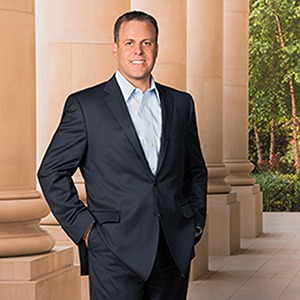
A man in a suit stands smiling at a camera
Andrew Casperson

Casperson is Executive Vice President of Operations at Coury Hospitality, bringing with him the experience of three decades in the industry. He has managed and operated numerous hotels across North America and worked for nine years as Senior Vice President of Operations at Omni Hotels and Resorts. He most recently oversaw twenty-two outstanding properties at Aimbridge Hospitality as Vice President of Operations.

Charley Morales
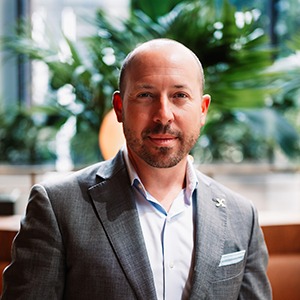
A man in a suit looks into a camera
Charley Morales

Morales has been appointed as general manager at the C. Baldwin Hotel in downtown Houston. Morales will oversee the operations of the 354-key property with a special focus on guest services, recruiting and budget management. He has worked in the industry for over two decades and was awarded Best in Class General Manager by HEI Hotels and Resorts. He is an active board member of the Houston Hospitality Alliance.

Cristina Dalal and Claire Rock
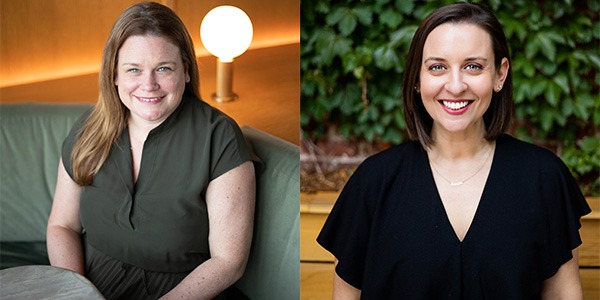
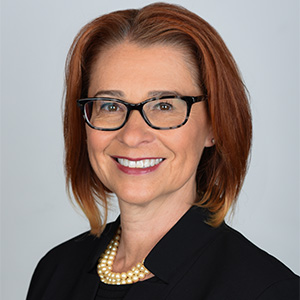
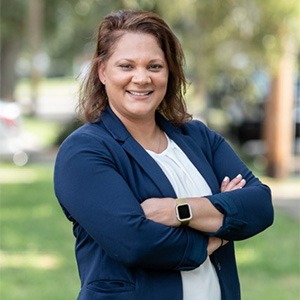
two photos of two different women side by side smiling into camera
Cristina Dalal (left) and Claire Rock (right)

Dalal has been appointed as director of sales at Wythe Hotel. She most recently worked as director of sales at Graduate New York on Roosevelt Island, and earlier worked in sales roles at SIXTY SoHo and TWA Hotel onsite at New York City’s John F. Kennedy International Airport. In her new role at Wythe Hotel, she will develop and execute insightful sales strategies.

Rock takes on the role of marketing director at Wythe Hotel, bringing her eclectic background in publishing, retail, and commercial real estate. At Wythe Hotel, she will lead strategy for their award-winning French restaurant, Le Crocodile, and their rooftop bar, Bar Blondeau. She recently received a Culinary Arts degree from the Institute of Culinary Education.

D’Wayne Leatherland

A man in a suit smiles into the camera
D’Wayne Leatherland

Leatherland has been promoted to chief operating office (COO) at Agenda: USA, Kansas City’s first and only Destination Management Company (DMC). Leatherland has been with Agenda: USA for almost three years in roles as assistant general manager and director of group transportation logistics. As COO, he will work with Alton Hagen, founder and CEO, to manage Agenda: USA’s operations and lead their growth.

Greta Kipp and Brian Smith
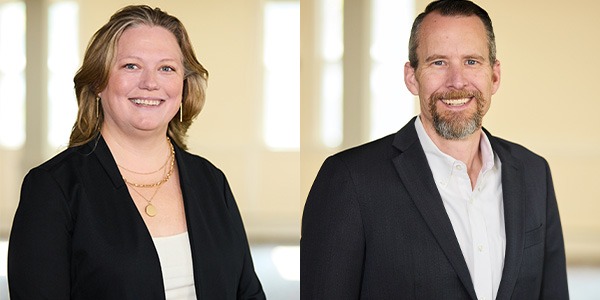
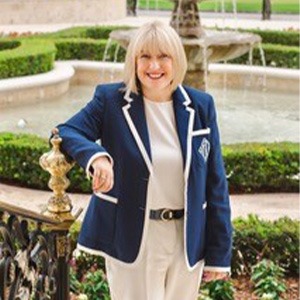
a woman and a man in two separate photos side by side, each smiling into the camera
Greta Kipp (left) and Brian Smith (right)

Kipp has been promoted to chief operating officer (COO) at Main Street Hospitality, and has worked for the group since its founding. She has held leadership roles in operations, revenue management, sales, marketing, finance, and IT. As COO, she will ensure property teams have the resources to achieve their goals and implement strategic infrastructure to encourage growth.

Smith joins Main Street Hospitality as regional director of operations, reporting directly to Kipp, to manage the operations of their dedicated hotels and restaurants with the brand’s core values at heart to optimize hotel performance. He brings experience from his previous management positions at Kimpton Nine Zero Boston, Hilton and Hyatt Hotels and Resorts.

Jillian Stevens
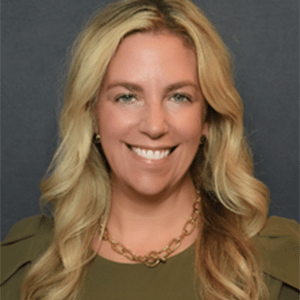
A woman smiles looking into the camera
Jillian Stevens

Broken Sound Club appoints Stevens as director of event sales. She will lead the events team in their efforts to create dynamic programming for residents and front large-scale events in the club’s renovated ballrooms and outdoor spaces. She brings a wealth of experience in her career leading luxury events for notable resort properties in the United States.

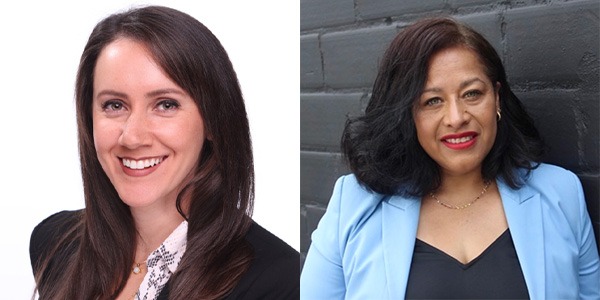
Katelyn Studebaker and Luz Chatman
Two women in two separate photos side by side smile into the camera
Katelyn Studebaker (left) and Luz Chatman (right)

Studebaker joins Discover Santa Clara as the new director of marketing. Born and raised in San Jose, California, she brings her familiarity with the area along with her wealth of hospitality and marketing experience in live events, food and beverage, entertainment and commercial real estate. In this role, she will develop strategies to promote the vibrant community of Santa Clara.

Chatman is the director of sales for Discover Santa Clara. She will strategically lead the sales team in building client partnerships and driving sales of hotel rooms and convention venues to meet revenue performance indicators. She brings over 15 years of experience in Bay Area hotel sales leadership, coming most recently from Kimpton Hotels and Restaurants Alton Hotel.

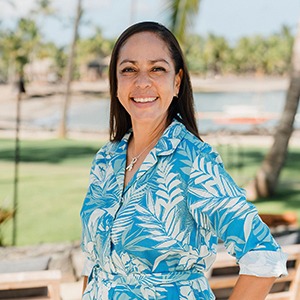
Mariajose Rodriguez
A woman in a blue shirt stands smiling into the camera
Maria Roderiguez

Rodriguez is resort manager at Kona Village, A Rosewood Resort in Hawaii. Rodriguez has been with the Rosewood brand for nearly two decades, most recently working as resort manager at Rosewood Mayakoba in Riviera Maya, Mexico. She has also worked as director of rooms, among other positions, at Las Ventanas at Paraiso, A Rosewood Resort in Los Cabos, Mexico.

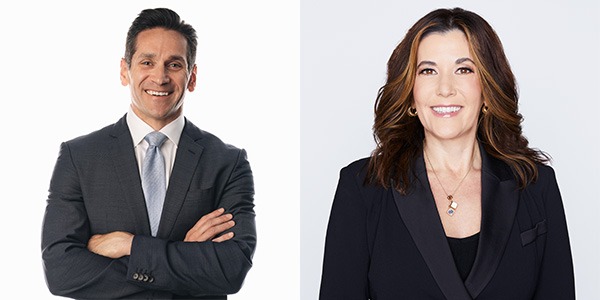
Mark Tricano and Michelle Reda
A woman and a man in two separate photos side by side, each smiling into the camera
Mark Tricano (left) and Michelle Reda (right)

Mark Tricano is president of Fontainebleau Las Vegas. He has seen 20 successful years in roles at industry-leading companies across the gaming, hospitality and finance sectors. In his prior role at Galaxy Entertainment Group, he oversaw operations and labor strategy for over $7.5 billion in annual gross gaming revenue, over 13,000 team members and management of over 4,000 hotel rooms.

Reda is named chief casino marketing officer of Fontainebleau Las Vegas. She brings the experience of 25 years in luxury hospitality and casino marketing for Las Vegas resorts. She spent seven years as director of national casino marketing with Caesars Entertainment, then over 13 years in multiple roles at Wynn Resorts, including vice president of casino marketing.

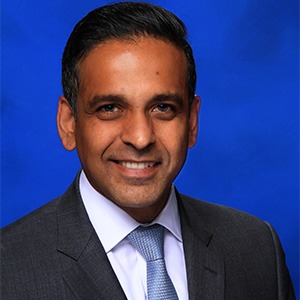
Pradeep Raman
A man in a suit smiles looking into the camera
Pradeep Raman

Raman will lead the opening of Corinthia New York, Corinthia’s first U.S.-based hotel, scheduled to open in late 2023. Most recently, Raman worked as general manager for Baccarat Hotel & Residences in New York City. He has also worked with The Ritz-Carlton Hotel Company, working in management positions at properties in Asia and the United States.

The International Brotherhood of Teamsters which represents 340,000 UPS workers considering a strike, walked away from the negotiating table with the company this week, starting a countdown to July 31 when the union vows to strike.

At stake are wages and working conditions. Recently, the company agreed to add air conditioning to UPS trucks, a move UPS resisted for years. Also at issue: higher pay for part-time and inside workers, removal of surveillance cameras in cabs and an end to a two-tier pay system that favors newer workers over more senior staff.

“We all have a contract ‘til July 31st–we will work under that contract,” Local Teamsters 171 Vice President Scott Barry told Wdbj7.com. “July 31st at midnight, if we don’t have a contract, we’re not working without another contract.”

In a statement, UPS said: “We have not walked away, and the union has a responsibility to remain at the table. Refusing to negotiate, especially when the finish line is in sight, creates a significant unease among employees and customers and threatens to disrupt the U.S. economy.”

While projections on the possibility of a strike vary, meeting planners who often rely well in advance on materials shipped via UPS to meeting sites should plan ahead, says Smart Meetings Event Director Michele Gardner-Kelley.

“Shipping has grown more and more difficult and not dependable,” she says and shared the tips below to ensure any disruption doesn’t negatively impact an event.

Meeting Planners’ Workarounds for Shipping

  1. Plan ahead: Schedule shipping with an extra 5 days for delivery to account for weather and staffing delays.
  2. Diversify shippers: Use other carriers such as FedEx, USPS (US Postal Service), DHL and others.
  3. Restock for onsite offices: Order new items for onsite offices through Amazon and ship directly to the venue.
  4. Use a local printer for marketing materials so delivery of printed materials (agendas, copies, poster boards, etc.) can be locally printed and delivered.
  5. Make Instacart your friend: Use for any items that may not have arrived. This works with Office Depot, Target, Walmart, CVS and Staples.
  6. Uplevel your tracking: Use a live doc like a Google sheet with tracking numbers and share with the onsite venue contact and purchasing team. Require a signature and set reminders and notifications for when items are delivered. Download the shipping app to stay up to date.
  7. If a close turnaround from one event to the next.
  8. Pack office with 2 sets of delivery locations: Ship event items that are always used at one event directly to the next and send other items back to the office.
  9. Restock items, order and ship to the venue.
  10. Arrange a backup plan with those for any AV needs that may be needed.


This week, a series of videos taken by passengers on an American Airlines flight from Dallas Fort Worth (DFW) to Orlando (MCO) showed the web what “War of the Worlds” or “X-Files” might look like in the air: including alien scares and pass-along hysteria. A passenger was filmed screaming about a seatmate who “wasn’t real.” “You all can die up here if you want to but I’m getting off,” she yelled while those around her filmed the scene and posted it to TikTok where it went viral as “#ladyontheplane.”

The aircraft went back to the gate, and the passenger and everyone else was forced to deplane, restaff and leave hours later. Subsequent viral videos queried, “Who is the lady on the plane, and what did she see?” and blew up the internet since Sunday when the Orson Wellesian event occurred.

The Real Issue Behind the Viral Frenzy: Intoxicated Passengers

Tiktok/@knuckelslawncare

Amidst the conjecture and hysteria, some truths are evident. On the same day (Sunday, July 2) a passenger flying on a British Airways flight from the UK to the Caribbean got drunk, raided the galley, broke a bottle and stabbed a fellow passenger. Others on the flight said the group of men he was traveling with were served alcohol although they were rowdy and already visibly drunk.

Some passengers in the “lady on the plane” incident said that the passenger had been drinking to excess in the airport prior to boarding (this cannot be verified).

However, statistics prove that passengers routinely and regularly fly while intoxicated: getting on planes in an intoxicated state and drinking to excess in flight. Add to this the fact that assaults against flight attendants have risen exponentially since Covid lockdowns.

A national survey of nearly 5,000 flight attendants released in 2021 by the Association of Flight Attendants-CWA, AFL-CIO (AFA) found that over 85% of all respondents had dealt with unruly passengers. More than half (58%) had experienced at least five incidents that year. And 17% reported experiencing a physical incident. The Federal Aviation Administration (FAA) has also recorded statistics showing that many of the incidents recorded involve alcohol. In 2022, The FAA investigated 831 unruly passenger incidents, up from 146 four years earlier.

Sobering Legislature

Currently, there are no breathalyzer tests for passengers at TSA checkpoints and flight attendants are not easily able to deny customers more drinks if they board in a pre-inebriated state.

This March, Rep. Eric Swalwell (D-CA), Rep. Brian Fitzpatrick (R-PA) and Senator Jack Reed (D-RI) re-introduced the “Protection from Abusive Passengers Act” to help flight attendants keep themselves and passengers safe from growing mayhem in the air. The Act would prohibit violent passengers from flying after being convicted of assaulting aviation workers. Any passengers who assault a pilot, flight attendant or flight crew will not be able to fly, period. In a press release on the reintroduction of the bill, Swalwell said: Unfortunatelytoo many of our pilots, flight attendants and crew members are dealing with unacceptable abuse from passengerseverything from kicking to spitting to biting. Our bill will ground the handful of bad actors who continue to travel while protecting airline employees and the traveling public.”

Swalwell told Smart Meetings: “The abuse of unruly passengers onboard aircrafts must stop. There needs to be real accountability to protect aircraft crewmembers and the traveling public. That’s why I re-introduced the Protection from Abusive Passengers Act in March with Senator Jack Reed (D-RI) and Congressman Brian Fitzpatrick (R-PA)I will be filing my legislation as an amendment to the Federal Aviation Administration reauthorization legislation, which will be considered in the House in the next couple of weeks.”

AFA has also put forward pleas for limits to alcohol on board but currently, there is little codified legislation on the issue.

In the meantime, flight attendants and passengers will continue to have to deal with flights delayed and canceled because of “unreal” seatmates and other things that go bump in the night and in flight.

The Hospitality Show offered a mix of great insights and lessons to take home

More than 3,500 attendees came together at the first-ever Hospitality Show at The Venetian Conference Center & Expo in Las Vegas June 27-29.

The Show featured keynote speakers and discussions among hospitality veterans within and adjacent to the hospitality industry, covering topics such as what travelers now expect from the industry, how hoteliers can stay vigilant in the $70-billion human trafficking industry, thoughtful leadership tips from retired U.S. Navy Admiral William H. McRaven and more.

Business Across the Globe Post-Pandemic

Steve Hill, CEO and president of Las Vegas Convention & Visitors Authority, and Geoff Ballotti, CEO and president of Wyndham Hotels & Resorts, sat down with Alex Alt, executive vice president and general manager of Oracle Hospitality and Oracle Retail, to talk about all things hospitality post-Covid and its effect on employees and travelers.

Although for many, the pandemic is now a thing in the near and memorable past, the effects, both personally and professionally, are still felt. This is why Ballotti said something he and Wyndham are still focused on is employee mental health and well-being, as it continues to be one of the highest areas of concern.

Read MoreWhy In-Person Events Came Back in a Big Way Post-Pandemic

“There’s a lot of discussion about the guest experience and changes in guest behaviors but I would say the colleague experience has got to be front and center,” Ballotti said. “The pandemic had a different impact on virtually every individual in the world and that’s true for all our colleagues, so we’re paying really close attention to the needs they have, which have changed and evolved and continue to change and evolve.”

“There’s a lot of discussion about the guest experience and changes in guest behaviors but I would say the colleague experience has got to be front and center.”

–  Geoff Ballotti, CEO and president, Wyndham Hotels & Resorts

 As the ways hotels operate have changed in the last few years, so has the role of each hospitality employee, Ballotti said. “F&B operates very differently than it did pre-pandemic, we’ve clustered a lot of positions. It’s both good—we’re learning new things—but it can be more pressure and more challenging learning new areas of the hotel business, so one of the things that’s almost universally on my mind is just being sure we’re doing what we can do to care for our colleagues and make sure they’re holistically doing well, not just physically but also mentally.”

Seeking Company Success? Ask These Three Questions

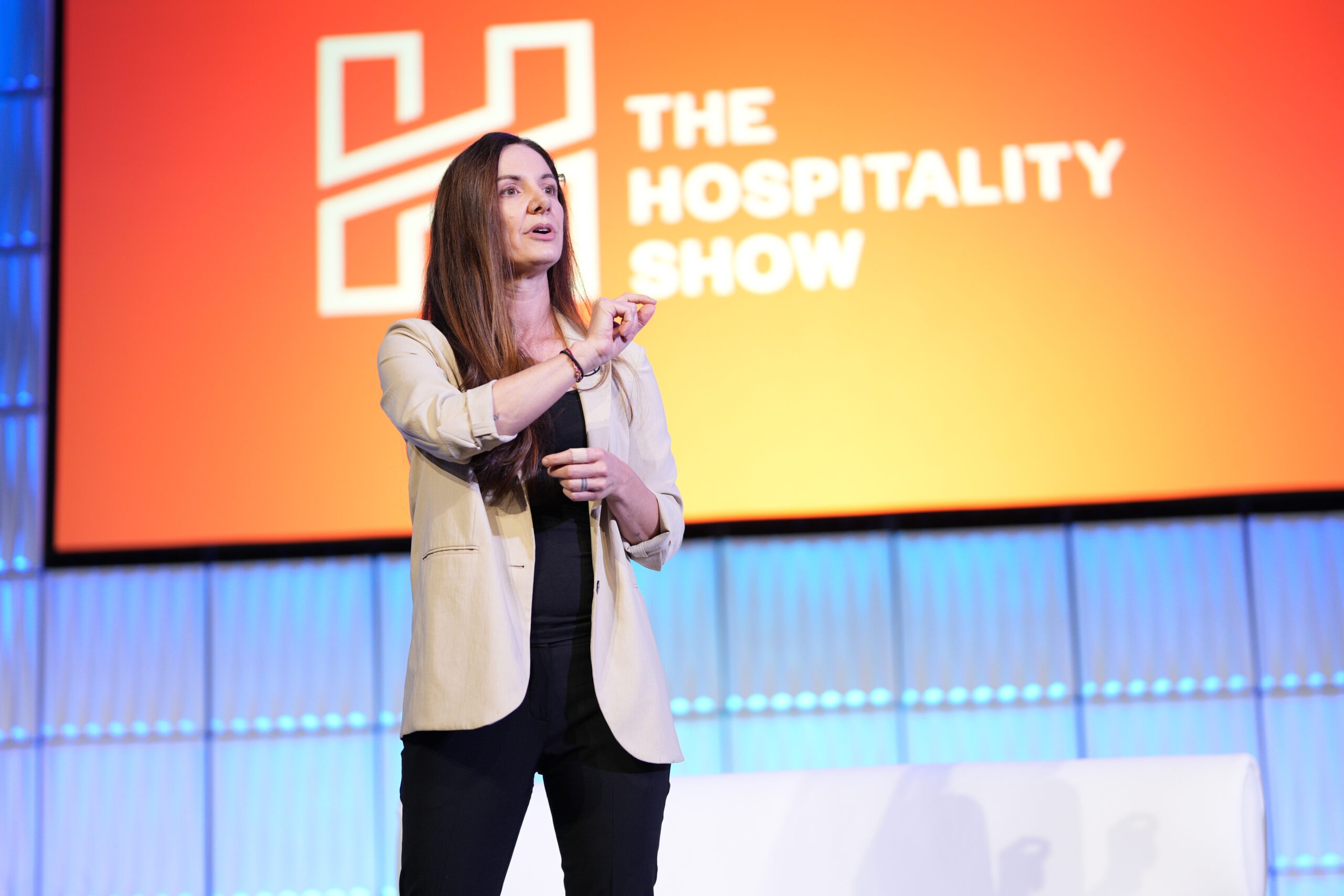
woman speaking on stage
Kat Cole, Photo: Joseph Donato

Kat Cole is COO and president of Athletic Greens and the youngest person to ever appear on CBS’ Undercover Boss but her journey to co-leading one of the fastest-growing nutrition and health brands on the market hasn’t been without lessons to learn. In her keynote, Cole shared the story about how she led Cinnabon as its former president from a company with year-over-year sales declines to a company with a revamped sales model that ultimately led to its revival.

Within six months of working as president for Cinnabon, Cole was already making ambitious changes to the company’s operation. Cinnabon is a 99% franchisee company that stations most of its business in malls and airports, and during the Great Recession of 2008, when traffic slowed to most public spaces, a couple of activities that almost immediately come to a halt are shopping and traveling.

Cinnabon suffered greatly as a result. Upon starting her new role at Cinnabon, Cole experienced the operation of the brand, from working at the front as a cashier and making cinnamon rolls to traveling with the truck drivers. Although the roles of each were different, she posed these three questions to each of them.

  • What should we stop doing?
  • What can we start doing?
  • If you were me, what would you be doing differently to make the business better?

 Sometimes when questions are posed in a certain way, they can be difficult to answer, so she asked the first two differently, the first was framed as, “What are employees/customers throwing away?” And the second as, “Tell me when you say ‘no’ to customers/guests.” These three questions helped her develop an understanding of out-of-date practices the company held onto, whether because of tradition or ignorance of consumer behavior trends.

Future of Hospitality Recruitment

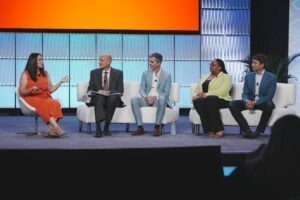
five people on stage talking
Photo: Joseph Donato

“If you are not familiar with Gen Z, they are a different kind of individual,” said Ashli Johnson, executive director at Howard University School of Business Marriott-Sorenson Center for Hospitality Leadership, during the session “Where Hospitality Talent Will Emerge in the Future,” which included Ben Erwin, president and CEO of Encore; Daniel del Olmo, president of hotels and restaurants for Sage Hospitality Group; and Larry Cuculoc, president and CEO of BWH Hotels; and was moderated by Anna Blue, president of AHLA Foundation.

During the discussion, the four talked about the best methods and practices to use to attract new talent. The traditional forms of recruitment don’t work the same as they once did, in a time when prospective employees had less access to information about a company and less concerns about a company’s culture. With this no longer being the case, tactics to recruit new talent needs to be different.

“What’s working best are relationships and experiences,” Johnson said. “What we’ve been seeing work well…in our school of business, where most of our hospitality interest is, is recruiters spending a lot of time on campus, [students] want to know what your company is about, what you’re about. Most candidates buy into the recruiter before they buy into anything else.” As for experiences, Johnson said organizations are offering opportunities for students to engage prior to getting the position, helping them understand the organization and what kind of impact they will have in their role.

Read MoreGen Z Meeting Professionals Navigate Industry Challenges and Hope for Future

Olmo said Sage has adapted to the ever-changing structure of the hospitality industry in a couple of ways. The first has been partnering with Instawork, a technology company that allows companies to find employees on the fly and provide workers with a more flexible schedule. “We fill last-minute positions in 20 minutes. It’s been really helpful,” he said. In keeping with flexibility, Olmo said the general manager in Denver piloted the four-day week there. “What we found was it was not just a great way to retain talent…but it was also a great way to attract talent. Essentially, we’re helping optimize the work-life balance of our team members,” adding that he actually prefers it to be termed as “work-life presence.”

Additionally, Sage has teamed up with the University of Denver and the African Community Center to hire and train refugees for the hospitality industry. “It’s a remarkable program,” Olmo said. “You have hospitality students that are training refugees, they’re learning English and training them on basic hospitality skills, and then we get to hire them.” He said this year they’ve hired about 30 refugees.

To recruit young talent, you don’t need to only look toward hospitality schools, the hospitality industry casts a big net. Cuculoc emphasized just how wide the range of positions in hospitality really is. “We do have colleges that focus on hospitality,” he said, “but when you think about our industry, it’s not just about front desk personnel. Someone can major in marketing, people can focus on sales, we have accountants, culinary, recreational experts, engineers and HR personnel. We have to recognize that we need to reach out across industries and across that talent pool.”

 Johnson said, ultimately, the next generation is looking for a match. “Not in terms of fit. A ‘match’ meaning ‘what was sold in the recruitment process has to match when I get [to the job],’” she said. “[Gen Z is] heavily resourced, they’re on Glassdoor, they’re sending private messages to folks who work at your organization.

“They are doing research independently on your organization to ensure what you’ve sold them throughout the interview is actually going to match. Once they’re on the job, six, 12, 24 months in and they’re experience doesn’t match what they were sold in the recruitment process, that’s when you start to lose them. The feel like they’ve been sold a dream.”

Leadership and Hard Work

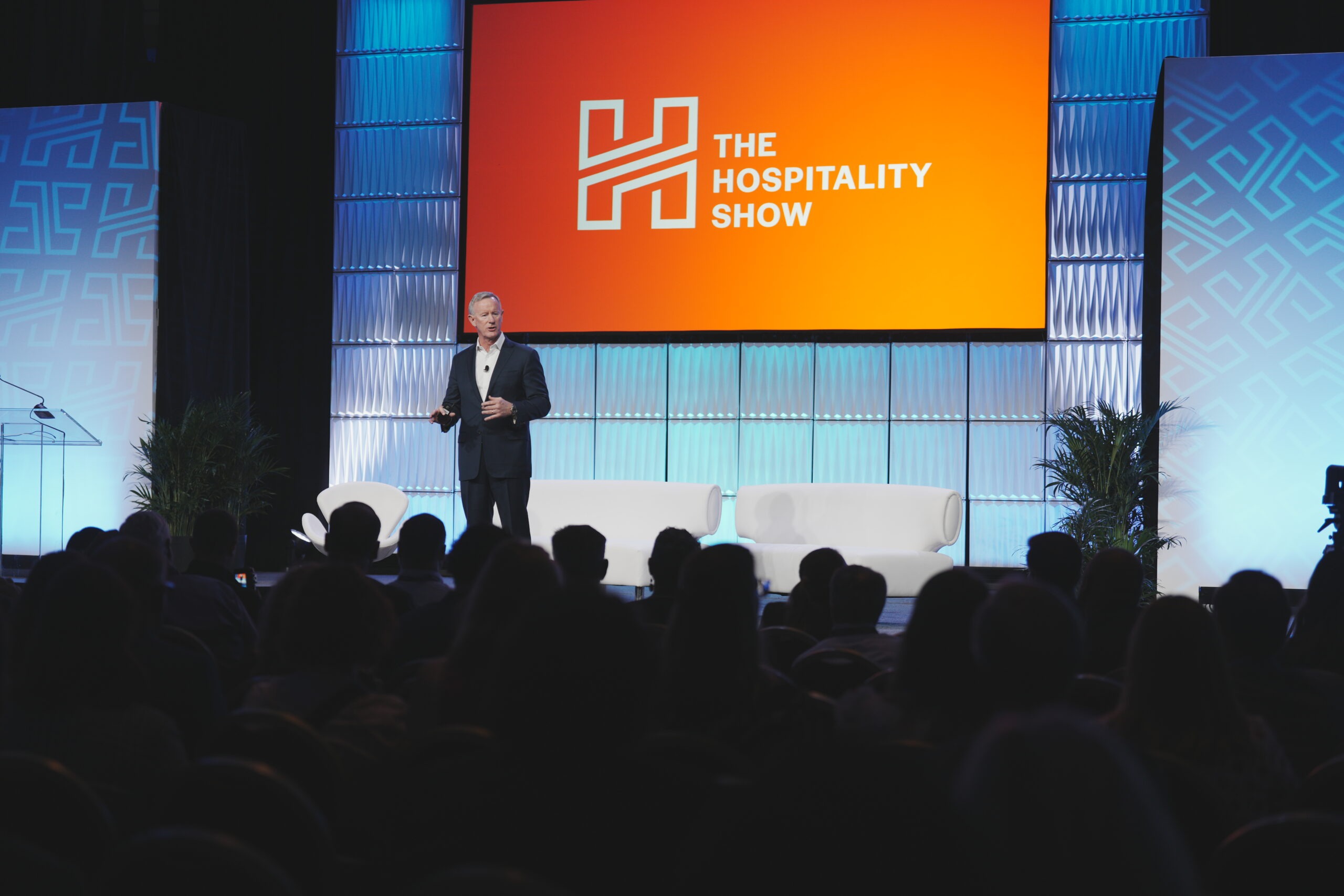
wide shot of man on stage, crowd in foreground
Admiral William H. McRaven, Photo: Joseph Donato

William H. McRaven is a retired U.S. Navy admiral and author who has written about facing uncertainty and overcoming adversity, drawn from his own experiences serving 37 years in the U.S. Navy. After his keynote, which consisted of these themes and a story about how he and his team captured Saddam Hussein during the Iraq and Afghanistan wars, he followed up with a brief discussion and offered a couple of insights about leadership.

 Character, McRaven said, is the single most important thing for any leader in any organization. He said he didn’t need to think very hard about the first lesson of his new book, “Wisdom of the Bullfrog: Leadership Made Simple,” titled Death Before Dishonor. “I debated whether I was going to use that term, because it’s a little bit caustic,” he said. “It’s maybe a little bit over the top. But I thought it was important to recognize that throughout history people of character, people of honor, people of integrity have recognized that it is so important that they’re prepared to die rather than compromise their honor…If you’re not talking to talk and walking the walk, they’re going to know, they’re going to notice.”

 McRaven said there are a lot of things that make a good leader, but the one quality he said will make you successful is hard work. “You get there early, you work hard, you stay late. You come in on the weekends, you do whatever you have to do to earn the respect of the people you’re working for, to make the company you’re working for better.”


New post-Covid report shows bright future in rebuilding group travel

While lounging in a swanky bar or restaurant, sipping craft cocktails and bashfully hovering over large dishes of tasty and pretentious hors d’oeuvres with attendees and fellow meeting profs, you’ve most likely heard the term “post-pandemic” and the technically inclined “endemic,” creating a spiral of memories from an age that seems so distant that it feels like a past life lived by other people. Suffice it to say, the general public in both North America and Canada are eager to travel while also welcoming tourism and events back to their respective communities much in the vein of the storied “before times.”

Destinations International, in collaboration with Longwoods International, produced two separate National Resident Sentiment 2022 reports, evaluating how communities feel about tourism within their respective regions in the United States and Canada which includes data-tracked specific trends related to tourism and how exactly the public perceives these areas. The goal of the report is to provide destinations in both countries with an opportunity to craft well-informed engagement strategies around tourism within their communities.

A Demographic Split

In the United States, 4,000 adults were surveyed for the report with key findings reporting that the tourism industry remains strong but with some generational variations. One notable contrast showed that while older residents said that they see the expansion of the tourism industry in their area as a plus, younger Gen Z residents (18-25) indicated that they are skeptical of any potential benefits of local tourism.

Read More: Gen Z Meeting Professionals Navigate Industry Challenges and Hope for Future

“One of the things that surprised me—and I did find a little bit concerning—was the demographic split with the younger residents not being as supportive,” said Kristin McGrath, executive director at Pasadena Convention & Visitors Bureau. “That’s something that as an industry, we definitely have to keep our eye on,” she added, noting that Pasadena has been thoughtful about the types of events that are held in the city such as the Head in The Clouds music festival geared toward the 20-30-year-old demographic.

“I think that destination marketing organizations, as they’re doing their product development, really need to be thoughtful about the types of events that are happening in their community to ensure that it attracts a wide variety of demographic targets,” McGrath said.

Geographic Variations

However, the 1,008 Canadians surveyed didn’t share the same demographic split seen in the U.S. with two-thirds of Canadian sentiment pointing to the approval of boosting tourism, regardless of resident age. Of those surveyed in Canada, 78% approved of expanding tourism within their province and 72% supported expansion in their local area. The survey shows that Canadians, by significant margins when compared to the U.S., believe that tourism helps to attract new residents, expand the local workforce and create new businesses while easing the tax burden on local residents by leveraging hotel and lodging taxes—good news considering the high level of turnover within the hospitality seen during the pandemic.

“I would say that real-time data is showing us that there’s an overwhelming demand for tourism and travel meetings as we entered into the endemic stage,” said Lesley Pincombe, vice president of meetings and major events at Ottawa Tourism.

Community Members Chime In

entrance to rose bowl

Leveraging new and existing meeting facilities to attract events plays a major role in helping to boost tourism and local governments in both countries. Seeking community approval can ensure all sides benefit from any changes and future events bring the wow factor.

“Pasadena has a long history of being a community that is supportive of tourism,” said McGrath. “For a lot of folks, their first introduction to Pasadena as a destination really comes from watching the Rose Parade every New Year’s Day.”

Rose Bowl Stadium is an example of how community sentiment can make a major impact on local tourism. “The Rose Bowl is a city-owned asset. It belongs to the citizens of Pasadena. And it’s managed by The Rose Bowl Operating Company, which is run by a board appointed by city council members,” McGrath said. As a result, the community has always had very deep roots in understanding tourism as an economic driver.

The first parade happened in 1890 as a result of members of the Valley Hunt Club planning an activity that they could promote to their friends and family in the Midwest that would highlight the beautiful sunshine and flowers in the midst of winter. Pasadena’s efforts to keep tourism in a positive light include gaining approval for any additional local displacement events and mitigating any potential disruptions. “A displacement event is considered anything that’s going to attract more than 20,000 attendees,” she said. “The impact on the local residents and the local neighborhoods is definitely carefully considered as those events are scheduled.”

Similarly in Canada, the Landsdowne 2.0 project, made possible through the Landsdowne Park Partnership with the City of Ottawa, aims to expand and revitalize the park and facilities that have been a central place for culture and community events for over 175 years. “I would say that’s probably the biggest project that is led by the municipality,” Pincombe said. The 40-year partnership with the Ottawa Sports and Entertainment Group also includes the addition of a new mixed-use retail space, reimagined public spaces and subterranean parking. Public engagement sessions are held periodically to give local residents the chance to ask questions and voice any concerns they may have on proposed policies.

Read More: Eastern Canada: Northern Lights

“As citizens of this municipality, we have an invested interest in making sure that it gets built in the right place,” Pincombe said. “And that the amenities and the district itself are really representative of what this community needs.” The expected date of completion for the project is 2029.

What’s Next

Getting groups to return to in-person events was a huge relief for the tourism industry of both countries, but that recovery isn’t free of residual issues. “We’ve lost some incredible ambassadors who shaped the industry over the last 20, 30, 40 years, but we need to replenish that pool,” Pincombe said.

However, Canada has a unique advantage in recruiting new talent for its tourism industry due to the county’s aggressive immigration policy and high rate of international students—many of whom become permanent residents—creating an ever-growing pool of candidates.

“Focus is on the new Canadians and how we can help them. A lot of them are coming from countries where they may already have a background in tourism and hospitality,” Pincombe said. She also stressed the importance of considering how candidates who possess previous experience are “placed in organizations that align with their skill set to help bolster the workforce again so that we can return to not only the same service levels but would also be able to be innovating again.”

Pincombe points to the importance of aligning affordable housing with the push to increase tourism. Canada has a very aggressive immigration plan over the next few years with the ability to accommodate up to 500,000 new people each year until 2025. “In order to attract new talent and even for new Canadians to stay in Ottawa, we have to find affordable housing for them to live in.”

Sheraton Phoenix Downtown embraces CSR and Afghan refugees

The staffing crisis decimating hotel services due to the slow return of employees to front desks and housekeeping carts added to the already brutal disruption in occupancy levels from the global pandemic. One Arizona hotel forged creative partnerships with government agencies, nonprofit organizations and the local Afghan refugee community to address layers of disconnect happening in the city.

Sheraton Phoenix Downtown made a conscious effort to address not only the need for staffing but to demonstrate Corporate Social Responsibility (CSR) and aid Afghan refugees who fled their homes as the Taliban regime took control in August 2021 and were relocated to Phoenix. Not only is this a matter of CSR, but it is also a matter of humanity.

Afghan Refugees Relocated to Phoenix

Sheraton Phoenix Downtown teamed up with the Arizona Refugee Resettlement Program (RRP) just as the staffing crisis from Covid coincided with the Taliban reclaiming control of Afghanistan in August of 2021, forcing more than 1,500 refugees to seek asylum in Phoenix.

Read MoreHow a Storied F&B Kitchen Went Halal to Accommodate Allies

Arizona was one of the top 10 ranking resettlement states from 2001-2021 and Phoenix became one of the assigned locations for Afghan refugees. Government agencies and nonprofit organizations were activated to help refugees gain access to federally funded programs and English language classes to provide a support system for the dislocated population. Local nonprofit Refugee Resettlement Agencies (RAs) provide services for 30 to 90 days while introducing them to federal programs such as Refugee Cash and Medical Assistance, employment services and English language training and linking them with employment opportunities in many arenas, including the understaffed hospitality industry.

As an employer, Sheraton Phoenix Downtown wanted to offer opportunities for those in need while building their staff with dedicated employees establishing lives for themselves and their families.

Arizona Refugee Resettlement Program
Banner for Arizona Refugee Resettlement Program

Support and Inclusion

Erin Flothmeier, director of human resources at Sheraton Phoenix Downtown, has worked with refugees for 30 years. She spoke with Smart Meetings to give insight on how important the partnerships with government agencies and local nonprofits were to restaff Sheraton and provide resources and opportunities to refugees from Afghanistan.

“Imagine the difficulty of being displaced into a country without the cultural, lingual or societal knowledge of your new home,” says Flothmeier. She explains this is the reason Sheraton Phoenix Downtown does not attempt to assimilate the new Afghan employees to American culture, but instead creates an environment of welcome and acceptance for their new teammates.

“We’ve changed our menus in the cafeteria to match their dietary restrictions. We have established a prayer room, a mosque,” says Flothmeier. “It’s not one or two people that we’re changing everything for, it’s a significant part of our team.”

Cultural Differences Are Strengths

When given the proper resources and support, diversity is an incredibly important facet of leading a successful team that is able to grow, adapt and be successful. Flothmeier says this is a benefit of embracing the uniqueness of all employees. For instance, when a team is multicultural, holidays fall on different days so it is easier to cover shifts year-round.

Read MoreThe Diversity Among Us

“Our traditional housekeeping workforce was female and Catholic or Christian,” says Flothmeier. “So, Christmas was super important. Now, with a more diverse department, it is a more supportive team.”

Different perspectives are also an asset when it comes to upper management positions. “My HR generalist was in HR in Afghanistan,” says Flothmeier. “He will ask questions about ‘can we try this?’ or ‘would this work?’ and most of the time it does work, and it hasn’t been something we’ve thought of.”

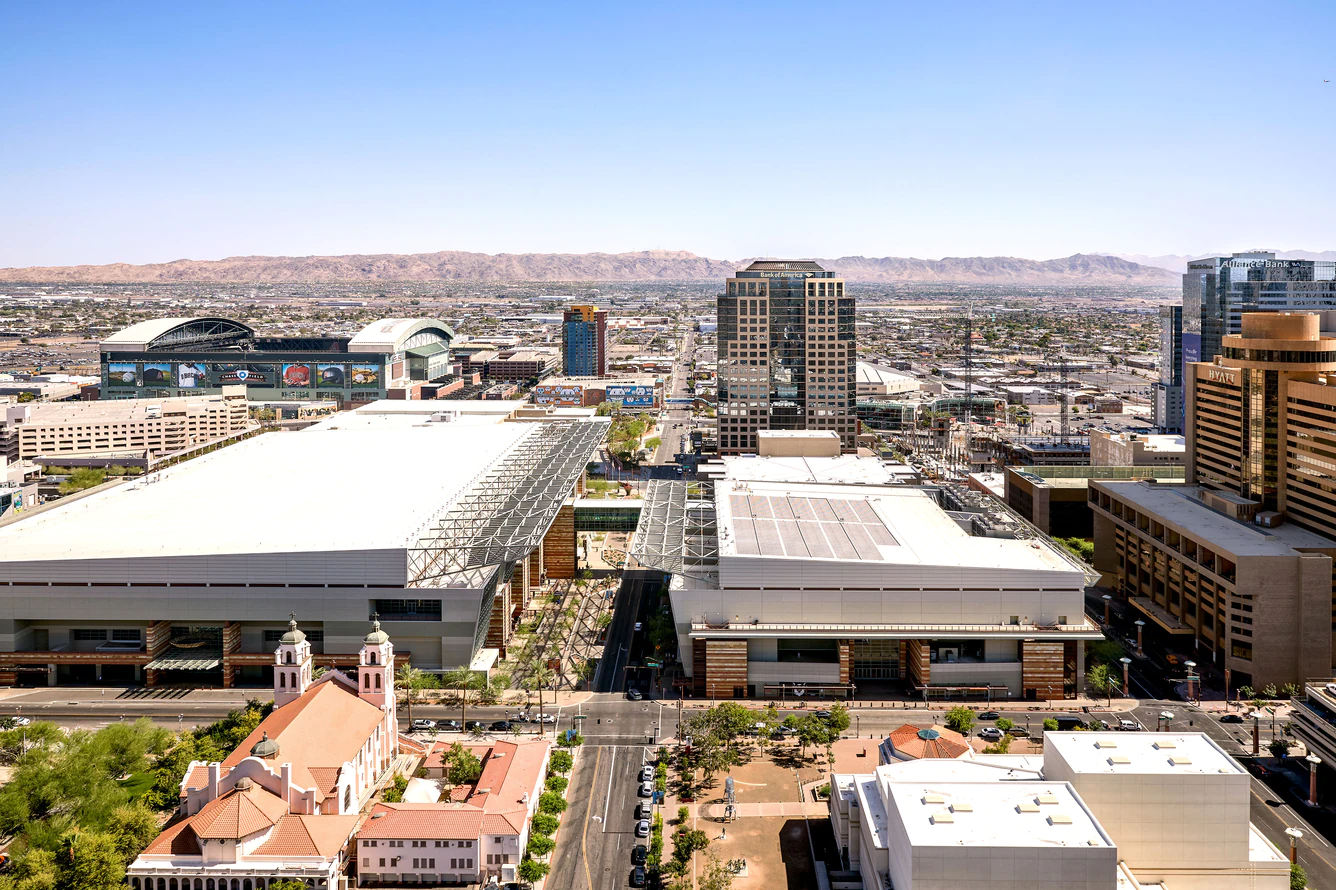
Downtown Phoenix

“It’s refreshing that from any diverse group that you hire, there is going to be a whole different perspective on things.”

Flothmeier also makes sure the hiring process is always focused on the individual, not a preconceived notion of a group of people. She makes it clear that each individual is interviewed, assessed and placed due to their strengths and experiences and not by their status as a refugee from Afghanistan.

“What we’ve done is really look at the individual background, and figure out where was the fit,” says Flothmeier.

“We have a position called an event specialist who’s out on the floor during the event and the liaison between the event planner and the hotel departments making sure everything is running smoothly. All four of those positions are filled with Afghan refugees. And all four of them are rocking it.”

Q&A with Smart Woman Michelle Roark

On Smart Meeting’s What One Thing podcast, we sat down with Michelle Roark with World Cup champion freestyle mogul skier Michelle Roark. She spoke with us about conquering obstacles, both mental and physical, and tackling the sports world and the chemical engineering world in her effort to help others.

Rourke attended Colorado School of Mines for chemical engineering, which our Smart Meetings founder and CEO Marin Bright described as “the Harvard for mining.” She then went on to become the founder and CEO of Phia Lab, studying wellness resources and producing products to increase performance. She speaks about her resilience, her grit and her book Be A Force: Hacking Physics, Persevering Like an Olympian and Realizing the Alchemist in You.

Listen to the Podcast: What One Thing? Overcoming the Unthinkable with Michelle Roark | Smart Meetings

Q: How did you begin your athletic career?

Olympian Michelle RoarkA: When I was five years old, I knew I wanted to do two things. I wanted to compete in the Olympics and be a chemical engineer. I started off figure skating, but when my parents got divorced when I was 15 it became too emotionally draining on them. I was crushed and devastated. But I thought to myself, how can I still accomplish my goal of competing in the Olympics? I knew I was good at skiing, so I jumped right into competing in freestyle mogul skiing when I was 16. I made it onto the US Ski Team in my first year.

Q: What inspired you to not only compete at the highest level of athleticism but to also attend Colorado School of Mines in a male-dominated field of engineering?

A:  It definitely didn’t come without its own challenges and bumps in the road. I got kicked out of my house when I was 15 and moved up to the mountains, working three jobs and enrolled myself in high school to because I still wanted to go to Colorado School of Mines and become a chemical engineer. I was really blessed to have a really unique experience young in life when I went up to the mountains and lived in a tent. It really felt like something larger than myself was always watching over me. I know your podcast is called What One Thing? So that one thing is just being able to get over all of those bumps and hurdles that are thrown at you from so many different directions.

Q: Why did you found Phia Lab?

A: As I was training for the 2006 Olympics, I had missed so many Olympic games and I really wanted to go so I was crossing all of my “t”s and dotting all of my “i”s. My sports psychologist said, “make sure you visualize with all of your senses. So, hear it, feel it, see it, taste it and smell it.” I could do all of them. But smell? I had no idea what it smelled like to ski well. So I thought I’d find a fragrance awareness but was highly dissatisfied with commercial blends. They would often give me a headache and they burned my nose. I did some research and found out how toxic commercial perfumes can be. I decided to apply my background and come up with my own. I found I could combine natural essences and essential oils in such a way that would amplify energy.

Read More: The Story Behind Smart Women in Meetings Awards 2023 | Smart Meetings

Q: What was your inspiration to write your book?

A: I’ve had seven knee surgeries and two near-death experiences. I kept bouncing back and I really look at all of that from the natural laws of physics and explain it from a more scientific perspective. What was causing those tangles in my energy and body? But I needed to release subconsciously and that really made all the difference in the long run. I could connect all the pieces for any young athlete – I highly recommend they read the book because it really does help explain how you can get around all of that with some really simple practices.

Q: What is one word that describes Michele Roark?

A: The word that comes to mind is alchemy, which is transformation. Anything that appears to be bad can always be transformed into something better. Energy can’t be created or destroyed, but it can be transformed.

IACC’s Meeting Rooms of the Future Trends Report shows rising desire for meaningful experiences

Meeting professionals are increasingly turning to unique venues to help design meaningful experiences, according to the 7th annual International Association of Conference Centers (IACC) Meeting Rooms of the Future Trends Report released in June. The report surveys meeting planners from all over the world on their priorities for venue selection in a wealth of categories, including meeting space design, technology, food and beverage and social impact at small to midsize business events—the largest part of the industry overall, but also the most underreported.

In 2023, they heard from a total of 275 meeting planners across four regions: the Americas, Europe, Africa, and the Australia-Asia-Pacific region. Respondents represent a variety of sectors of the industry, from corporate event planning to academia to non-profits.

Smart Meetings spoke with Mark Cooper, CEO of IACC, to break down the survey results and understand how we can apply them to our venue selection.

Curating an Experience

One thread that stood out across multiple categories was the drive to create experiences that stand out, or, as we might term it: experience curation.

Meeting planners have a unique opportunity to combine elements that tap into people’s senses: lighting, audio and acoustics, the feel of the air and the ambiance of a space, to design meaningful experiences that invigorate and inspire people.

Read More: Hear the Event

“Even if we are tired of using the word ‘experiences,’ what we’re really talking about here is creating memories,” says Cooper. “For individuals, it does two things: It gives a legacy for the investment in time and energy to get to the event. It also helps create brand value and attachment to that organization’s event. You’re much more likely to do something with what you learned or the relationships you’ve built after you’ve attended a memorable event.”

The survey showed a shift from more traditional venues like hotels and conference spaces to alternative venues. It showed a rising importance in the adaptability of a space to suit a meeting’s needs.

According to Cooper, the venue types which attendees report feeling most inspired by are those that have a high quality of design, especially in terms of acoustics, lighting and the stylistic environment of the space.

The Spaces Where Memories Are Made

Some of IACC’s certified venues are incredibly creative, Cooper says. “They could be castles in Sweden, chateaus in France.” The report offered examples of vineyards and museums. They provide top-end technology, high-quality socializing and dining spaces and are distinctively un-traditional. Now that’s memorable!

The message to meeting professionals is this: you don’t need to build memorable experiences from scratch—and you don’t have to fit your meeting into a box. “There are some incredibly inspiring venues and setups that are already established,” Cooper advises. By turning to alternative venues, you can reduce your carbon footprint (it’s much more sustainable to use a venue already built and which will be used time and again for events after yours). You also regain much-needed time and energy once you don’t have to invest so much into designing your space from scratch.

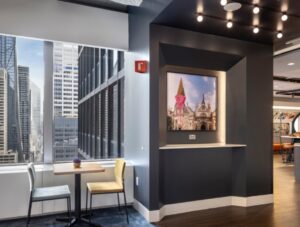
A table and two chairs under a window showing skyscrapers, next to a painting hung on the wall
ETC Venues 810 Seventh Avenue

Read More: New and Renovated: Putting on the Ritz

Underlying all of that, Cooper says, “It’s about choosing the right environment for your meeting. Sometimes that might be a hotel or an urban conference center, or it might be a chateau. We’ve seen gravitation to spaces that inspire, and they are those venues that invest in all aspects, inside and outside the meeting room.”

Cooper lauded ETC Venues in New York as an example. They boast three design-led urban day centers which are meticulous at delivering the best service, lighting, acoustics and technology.

Cooper also recommends Benchmark Pyramid Hospitality, which has venues in Europe and the United States. Their venues are vineyards, ranches and other outdoor environments, which create meaningful experiences while also providing the necessary space for adult learning and team development.

But What About the Zoom Room?

Hybrid or virtual event spaces undeniably have become an integral part of meetings. Sometimes, people who can’t attend an in-person event will attend it virtually. The question is, how do you give an in-person experience to online viewers?

Short answer: you can’t. Rather than try to replicate an in-person event through an online platform, Cooper advises meeting planners to view virtual or hybrid offerings as a “deliberate platform to demonstrate a sense of value from a content perspective that inspires [viewers] to want to be there and get the complete package in the future live.”

Streaming doesn’t replace or replicate live events; instead, “live events are becoming digitally charged.”

Read More: Why In-Person Events Came Back in a Big Way Post-Pandemic

Bringing People Together

The importance of experience curation isn’t new. It’s been on the rise for at least the past half-decade. Cooper shared IACC’s adage: “It’s no longer your parents’ meeting.”

People have been seeking different environments. Especially after the pandemic, they want room to spread out, walk around, be outside, or be in a room lit by sunlight streaming through windows.

“Habits that have come from the pandemic aren’t showing any signs of waning,” Cooper says. And who wants to sacrifice more personal space or more time in nature when that’s proven accessible?

Importantly, people feel an urge to be more active—to attend a meeting where they can move around and get engaged instead of listening to people talk about how to get engaged. They want to solve a problem with their team in real-time rather than learn about problem-solving.

The 2023 Meeting Rooms of the Future Trends Report reiterates the critical point that, as meeting planners and hospitality professionals, we strive to “create experiences that [attendees] can’t get anywhere else, and bring people together.”

Read More: Heart & Mind: Call to the Wild

If you’re looking for a venue that’s designed to impress and inspire, then you won’t want to miss the newly renovated Baird Center (formerly, the Wisconsin Center). This iconic venue is currently undergoing a massive $456 million expansion project, doubling its size to 1.3 million total square feet by May 2024. The result will be an exciting new era of accessibility and innovation throughout the city.

When complete, the expanded Baird Center will offer 52 state-of-the-art breakout rooms, 300,000 sq. ft. of new exhibition space, a stunning rooftop ballroom with city views, and inclusive amenities like gender-neutral bathrooms. Whether you’re planning a corporate event, trade show, or convention, this expanded campus will have everything you need to make your event unforgettable.

But the Baird Center isn’t just a great venue for your next event, it’s also an engine for economic growth in the region. The expansion project is expected to create over 2,300 jobs throughout Wisconsin, and expanded operations will bring in over 100,000 unique visitors annually. Plus, Milwaukee has been recognized as one of National Geographic’s 25 Best Places in the World to Visit for 2023, so you can be sure that your guests will have plenty to see and do while you’re in the city where Unique Unites.

And if you need more proof of the Baird Center’s excellence, just look to the Republican National Committee (RNC), which has already confirmed the Baird Center as the host venue for the 2024 convention. This is a huge win for Milwaukee, making it the first city to host back-to-back democratic and republican national conventions since 1972. With the Baird Center’s cutting-edge innovations and Milwaukee’s world-renowned amenities, there’s no doubt that this convention center will be one for the ages.

So why wait? Host your next event at the Baird Center and discover why Milwaukee is one of the most exciting cities in the country. Whether you’re a planner or an attendee, you’ll find plenty to love about this dynamic and innovative city.

Anton Eckert

Eckert is associate vice president of tourism development at Visit Salt Lake. Eckert most recently worked as chief industry development officer at Travel Nevada. She has also led travel trade sales and marketing teams at DMOs such as Visit California, San Francisco Travel and Visit Vacaville in California

Karen Codilla

Honolulu’s Prince Waikiki has named Codilla corporate director of commercial strategy. Codilla comes from Outrigger Hospitality Group, where she worked as corporate director of revenue and distribution. She has also led leading positions with The Modern Honolulu, Travelocity, Handlery Hotels, Hotel Nikko in San Francisco and Estancia La Jolla Hotel & Spa in California. She is an executive board member at PATA Hawaii and serves on the national HSMAI Revenue Optimization Advisory Board.  

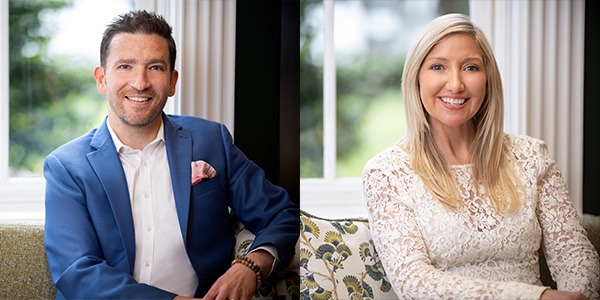
Damien Abrams and Jennifer Byerly

Damien Abrams (left) and Jennifer Byerly (right)

The Steward, a Tribute Portfolio Marriott Hotel in Santa Barbara, California, has named Abrams general manager and Byerly director of sales.

Abrams previously worked at Renaissance Newport Beach in California as hotel manager. He has extensive experience working in the Southern California region, including working in leadership roles at Irvine Marriott, Marriott Irvine Spectrum and The Ritz-Carlton, Laguna Niguel.

Byerly comes from Residence Inn by Marriott San Francisco Airport, where she worked as director of sales. She also worked as director of sales and marketing at Residence Inn in Worthington, Ohio, director of sales at Homewood Suites by Homewood Suites by Hilton Columbus in Ohio, and sales coordinator at Hyatt Regency Columbus, where her hospitality career began.

Julie Van’t Hul

San Francisco Travel Association promoted Van’t Hul to vice president of convention sales. She previously worked as director of citywide accounts for the last six years. Before joining SF Travel, she worked as director of West Coast corporate sales at Choose Chicago. She has also worked as director of Chicago Convention Bureau, global account director for Starwood Hotels & Resorts and area director of sales and marketing for Kimpton Hotels.

Scott Gubrud

Gubrud is Montage Deer Valley’s director of sales and marketing. Now in Park City, Utah, Gubrud worked in Scottsdale, Arizona, working with events company EPIC International as president and CEO. He also worked in Colorado at Four Seasons Resort Vail, Park Hyatt Beaver Creek Resort and Spa, and Vail Cascade Resort & Spa. He is a former board member of the Vail Local Marketing District Advisory Council and president of Destination Colorado.

Alisha D. Staes

Staes is director of sales at The Ponchartrain Hotel in New Orleans. Staes previously worked as senior sales manager at NOPSI Hotel. She has also led sales teams at Hilton New Orleans St. Charles, The Troubadour Hotel New Orleans and Four Points by Sheraton French Quarter.

Craig Caron and Stefanie Hassan

Craig Caron (left) and Stefanie Hassan (right)


360 Destination Group has promoted Caron to chief operating officer and Hassan to general manager for its Los Angeles and San Francisco offices.

Caron joined the team at 360DG as senior vice president of sales. In 2018, Caron worked as vice president of global sales for Encore/PSAV. Before working in audiovisual, he worked in sales, as executive director of the Hilton Worldwide sales team. He has also worked with Loews Hotels and Marriott International.

Hassan has been with 360DG for 17, most recently as senior account executive, and before this, as senior operations manager and operations. Before working at 360DG, she was meetings manager at United Telecom Council.

Tracy Solly

Trump National Doral Miami has named Solly director of sales and marketing. Before this position, she worked as a consultant through her company The Luxury Compass. She has also worked as vice president at West Orange Chamber of Commerce, as well as high-level positions with Performance Hospitality and Aimbridge Hospitality, and the United Kingdom with Cameron House, Macdonald Hotels and Carlson Rezidor Hotel Group.