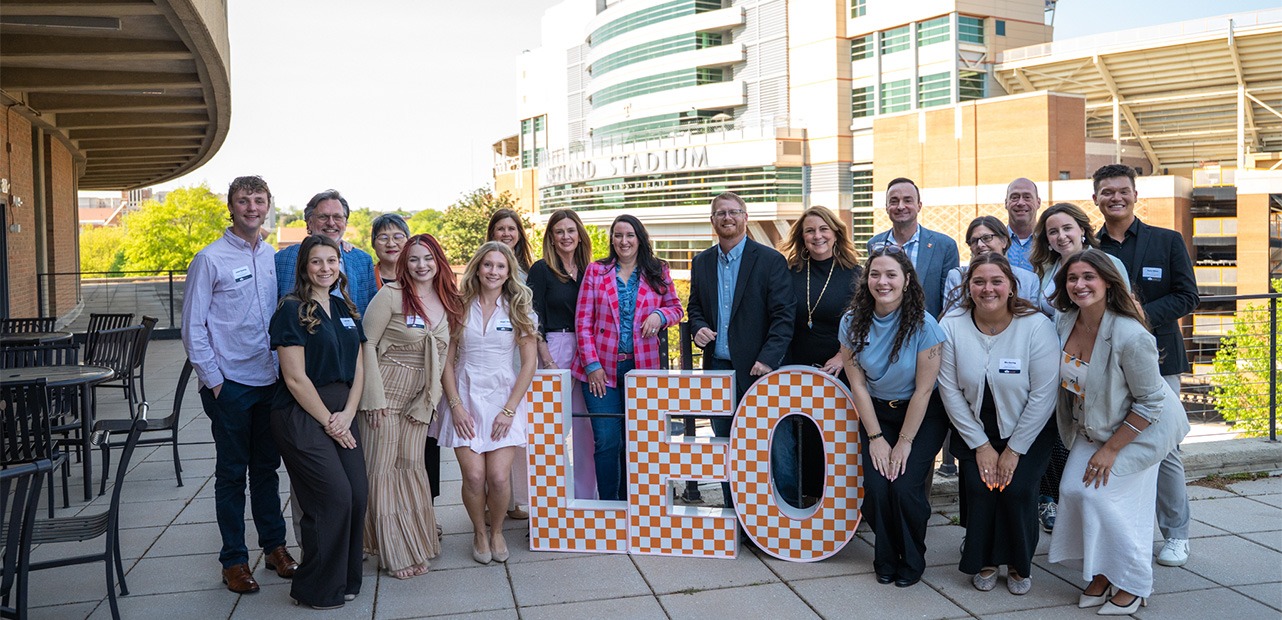
B2B live events and experiential agency LEO Events has created the LEO Fellows Program in 2024, in partnership with the University of Tennessee. LEO Events engages in several activations with students and is on campus twice a year to conduct labs, one of which takes students through the complete request for proposal (RFP) process.
LEO Events’ Cindy Brewer explains how the LEO Fellows program gives communications students hands-on experience in corporate events and experiential production
Education and experience form the backbone of many careers in the meetings and hospitality industry. To help prepare the industry’s next generation of professionals, LEO Events launched the LEO Fellows program with the University of Tennessee, Knoxville, introducing communications students to career opportunities in corporate events and experiential production. Through classroom instruction, live-event assignments and practical exercises, fellows gain firsthand experience in the realities of working in the meetings industry.
Smart Meetings spoke with Cindy Brewer, co-founder and principal of LEO Events, about the program’s origins, its hands-on approach and the role it could play in developing the industry’s future workforce.
Smart Meetings To begin, what is LEO Events?
Cindy Brewer LEO Events is a B2B live events and experiential agency. We have been in existence since 2012 and produce large-scale corporate meetings and events across the United States for brands including Walmart, AutoZone and Hilton. I often say we provide stage-front and stage-back services, as well as everything comprehensive in between.
Smart Meetings How did the LEO Fellows program come about?
Read More: LEO Events Creates the Walmart Experience at CES 2024
CB I graduated from the University of Tennessee, Knoxville, in 1991 with a degree in broadcasting from the College of Communication. I thought broadcasting would be my career, but the Gulf War affected the job market. I took an interesting path through public relations and events before eventually starting my own company.
About four years ago, a new dean at the college contacted me as part of a listening tour with alumni who own businesses. One of the things that came out of our conversation was that the live events industry is not necessarily a career vertical professors regularly discuss with communications students.
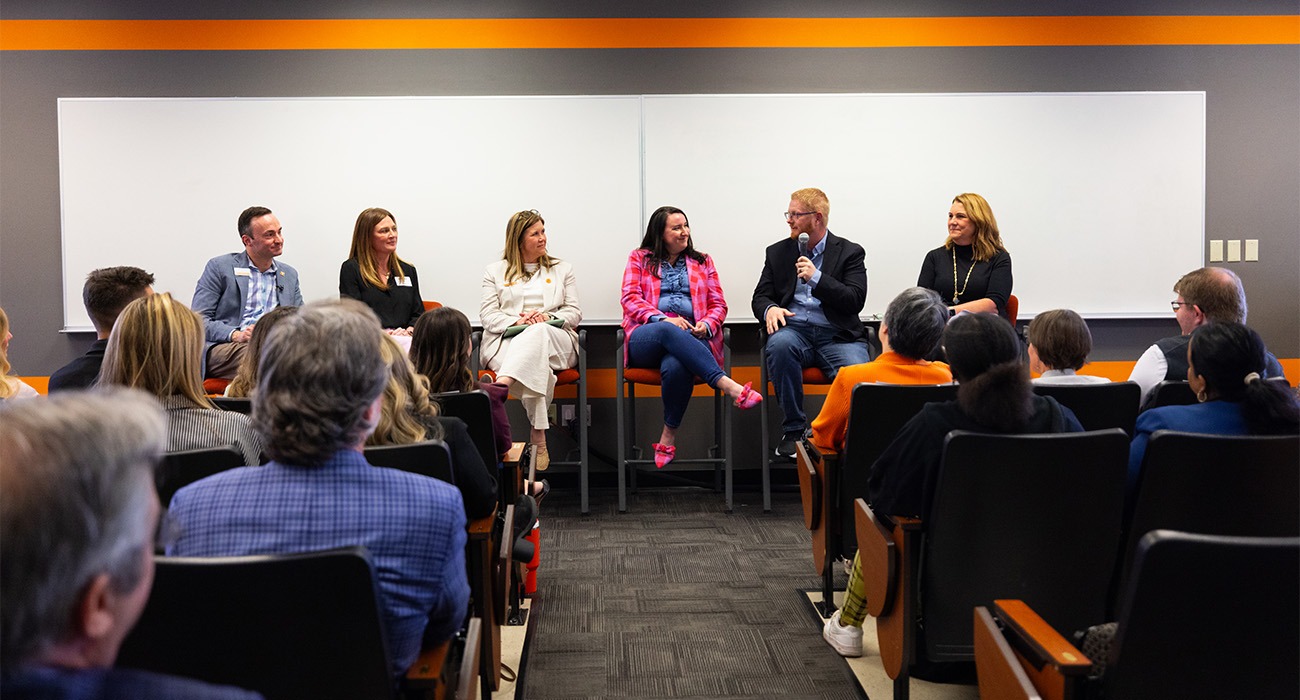
There are event management, hospitality and tourism programs across the country, but there is also a crossover with communications. Our work involves live experiences, corporate production, event management and the way corporate communications connects those elements.
Graduates from communications programs often think about advertising, marketing agencies, radio, television or newspapers. I told the dean the college could help us by introducing students to our industry and establishing it as a viable and potentially lucrative career path.
The response from professors was overwhelming. Through the partnership between the college and LEO Events, we developed the LEO Fellows program, which launched its first cohort in fall 2024.
Smart Meetings What knowledge has traditionally been missing among students entering the events industry?
CB Before the pandemic, many applications from graduating college students expressed an interest in wedding planning or social events. Those are wonderful career paths, but that is not what we do at LEO Events.
The pandemic taught us that we could bring in entry-level talent and develop those employees within our industry. If we introduce them to the business at the ground level, they can learn both what we do and what we call the “LEO way” of doing it.
Once we shifted the language and narrative at the University of Tennessee, we began seeing students use terms such as corporate events and corporate production. A student may be a great writer but not realize that scriptwriting for corporate meetings and events is a career. A graphic designer may not know that creating on-screen content for a brand or event agency can also be a lucrative profession.
The program helps students understand how the skills they are already developing can be applied within our industry.
Smart Meetings Has the program changed how you view interns and entry-level employees?
CB Prior to the pandemic, we thought it would take longer to train someone than it would to hire an experienced professional who could immediately begin working.
The pause created by the pandemic allowed us to reconsider what we were seeking in new talent. We realized there was value in reaching people at the ground level.
These students are bright, engaged and eager to learn. They are willing to work hard and understand that being onsite can involve long hours, late nights, early calls and a lot of time on their feet. It is demanding work, but it is also worthwhile and enjoyable.
Read More: Gen Z Has Entered the Building
We have changed our expectations of what entry-level employees can contribute. It has become a mutually beneficial partnership. Through the fellows program, our apprenticeship program with the University of Tennessee and our summer internship program, we hired six people in a two-year period. For a company of our size and growth rate, that is substantial.
Smart Meetings What do fellows experience that they might not receive through a traditional internship?
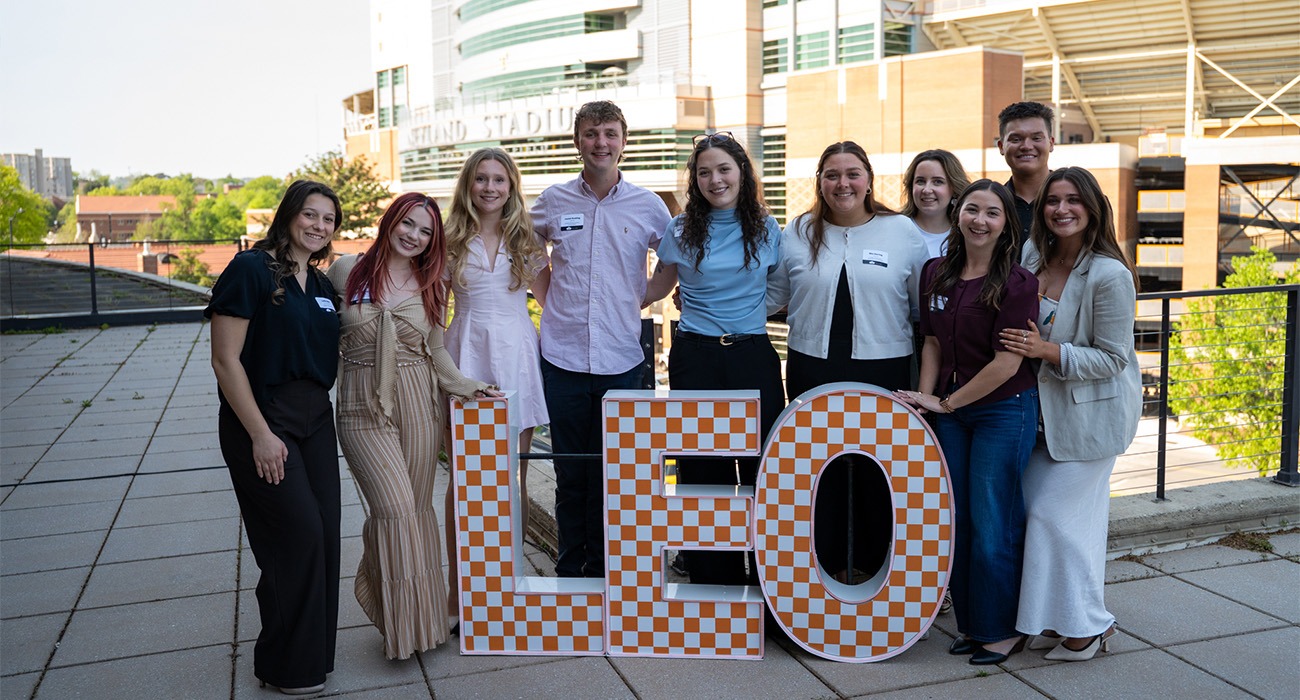
CB They see what their day-to-day lives could look like as production coordinators, meeting coordinators or event coordinators. We are not simply walking them around a venue and providing a tutorial. We put them to work.
Each fellow must work at least two shows, which may last six or seven days. They are away from their university, friends and families, and they have a job to do.
Some students have worked on the corporate production side and realized they prefer incentive meetings. Others discover they enjoy arena shows more than ballroom programs. Someone may recognize a path in executive scriptwriting, while another student may realize social media engagement for public events is where their talents belong.
Whether they ultimately work for us, an industry partner, a vendor or another organization, we feel we are sending fully trained people into the industry.
Smart Meetings Was there a moment when you realized the program was working?
CB Before starting the first cohort, we conducted a trial period with our team in 2023. I expected a lot of doubters, especially among people who had been with us for a long time.
There can be an assumption that an intern or entry-level college student needs to be given tasks simply to occupy their time, rather than being trusted to contribute at a meaningful level. I held my breath waiting to see how our team would react to working with the students onsite.
I was proven completely wrong and absolutely blown away by the response.
That positive reaction came from our full-time team, freelancers and vendors. Some asked how we built the program and how they might create something similar with their own alma maters.
We are not only teaching the fellows. We are learning from them as well.
Smart Meetings How does the program combine classroom learning with on-site experience?
CB We are on campus twice a year to conduct labs. One lab takes students through the complete request for proposal (RFP) process, including how to read and respond to one.
In one exercise, 12 fellows were divided into two teams of six. Each team received a fictional RFP and prepared a pitch explaining why it should be hired to produce the event.
There was no winner or loser. We provided detailed feedback on what they considered, what they may have misunderstood and whether their ideas satisfied the RFP’s requirements. We also asked difficult client-style questions, such as what they would do if a proposal did not meet the budget.
We also guest lecture when invited. For example, the college’s sports communication division asked us to present on our work producing the Ryder Cup opening ceremonies.
When fellows are not working with us on campus or virtually, they join us on show sites. We interact face-to-face with each fellow approximately seven to 10 times during the academic year.
Smart Meetings How does working on a live event help fellows understand the broader meetings industry?
CB We used several LEO Fellows on a large show for Hilton where all the company’s brands were represented. Each brand had its own rooms and events.
We may begin by teaching a fellow what LEO Events does for Hilton, but once that student arrives onsite, the experience expands. They learn about Hilton’s brands, food and beverage, convention services and how convention centers work with event agencies and meeting planners.
When they return to class and a professor explains the fundamentals of a convention or event, the fellows understand what that means because they have already experienced it firsthand.
Smart Meetings What is next for the LEO Fellows program?
CB Not every fellow will work for us. Some decide they want to work for a broadcaster such as NBC, while others may want to join a video production company. We help them by sharing their resumes, discussing their work on LinkedIn and supporting their employment goals.
As the program moves forward, our engagement with the University of Tennessee is increasing. The university is producing one of its largest events in recent history in September 2026, and it has specifically asked for all the fellows to work on the event under our oversight.
It is trusting the LEO Fellows to put their training into practice. That is an important moment for us because it demonstrates that others recognize the students’ abilities and the value of the program.