From Kraków’s continued push to balance strong visitor numbers with sustainability goals, to a thoughtful look at Italian dining rhythms and cultural norms, to the industry conversation surrounding the suspension of Global Entry, there’s plenty influencing how travelers and planners move through the world right now.
And that’s only part of the story. In this week’s edition, you’ll also find updates on responsible tourism initiatives, destination developments and policy shifts that could shape your next international program.
As always, Smart Travel is here to bring you the latest updates shaping the way we move, meet and plan.
Hyatt Resorts Operating Normally in Mexico
Hyatt is reassuring planners and travelers that its Inclusive Collection resorts in Mexico continue to operate as normal following recent unrest and security-related communications from the U.S. Embassy and Consulates in Mexico.
According to Hyatt, travel alerts for the Mexican states where its Inclusive Collection properties operate, with the exceptions of Jalisco and Nayarit, have returned to the same precautionary levels that were in place prior to Sunday’s events. There are currently no reported disruptions affecting hotel zones, airport operations or access to the resorts.
For planners with programs on the books, that’s an important distinction. While headlines can spark concern, on-the-ground operations at Hyatt’s resort destinations remain steady. The company noted that its on-property security teams are fully in place and operating under established protocols, in coordination with relevant authorities.
Hyatt also emphasized that guest safety and well-being remain top priorities and that it is closely monitoring developments. Travelers are encouraged to stay informed through official communications issued by their respective governments, embassies or consulates.
For meeting and incentive planners navigating attendee questions, clear communication is key. As of now, Hyatt’s message is straightforward: Resorts are open, accessible and functioning without interruption. For specific cases or additional support, planners are advised to connect through their usual Hyatt contact channels.
Mind Your Manners in Italy
If Italy is on your agenda this year, a little cultural fluency goes a long way.
From sacred sites to supper tables, etiquette matters—and not just for appearances. It can determine whether you’re welcomed in or turned away at the door.
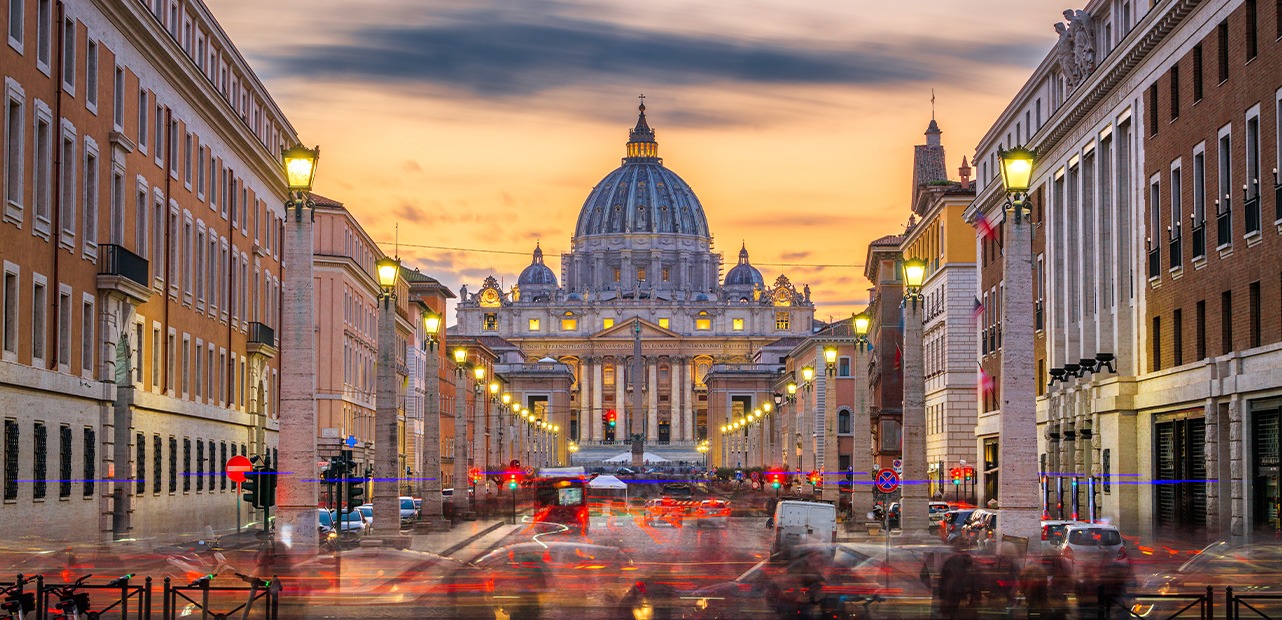
At religious landmarks such as the Vatican and St. Peter’s Basilica, modest dress is required. Shoulders and knees must be covered, hats removed and silence observed in prayer areas. The same standard applies at sites like the Pantheon and other basilicas.
“Dressing modestly is vital when visiting sacred sites, especially if you want to avoid being denied entry, which can really ruin your visit,” says Julia Charity, a Vatican tour guide at Walks of Italy.
Dining comes with its own rhythm. Italians typically sit down to dinner around 8 p.m., often lingering over multiple courses. “Italian meals are meant to be shared with good company and savored slowly,” says Valentina Telese, Italian tours director at Walks of Italy.
As for coffee, cappuccinos are considered a morning ritual. After 11 a.m., espresso reigns.
Tipping is appreciated but not obligatory. Rounding up the bill or leaving about 10 percent for exceptional service is customary, while guided tours often warrant about €10 per person.
In short: Observe, respect and embrace the pace. Italy rewards travelers who do.
Industry Pushback Follows Suspension of Global Entry
The travel industry is sounding the alarm following the suspension of Global Entry, with leaders arguing the move could strain airport resources rather than conserve them.
In a statement issued Feb. 24, U.S. Travel Association President and CEO Geoff Freeman called the program “a force multiplier” for U.S. Customs and Border Protection. According to U.S. Travel, automated biometric technology tied to Global Entry reduced arrival wait times by 70% in 2025 and saved officers more than 300,000 hours—time that was redirected toward screening unknown or higher-risk travelers.
“Global Entry is far more than a convenience, it is on the front line of national security,” Freeman said. “Its more than 13 million members undergo rigorous background checks, interviews and vetting. Suspending it doesn’t just slow lines. It increases costs and strips away a layer of security infrastructure that took years to build.”
Freeman argued that suspending the program adds volume to standard customs lines, stretches personnel and potentially increases security risks. He also noted that the program is primarily funded by the $120 fee members pay, questioning the fiscal rationale behind the decision.
“There is no fiscal—or logical—rationale for this decision,” he said. “We urge DHS to restore Global Entry immediately. A smarter, safer, more efficient entry process shouldn’t be a casualty of a funding dispute. And nor should travelers be used as leverage to achieve a political outcome.”
For meeting professionals managing international arrivals, the suspension could translate to longer wait times and additional traveler communication in the months ahead.
Michelin Green Guide Marks 100 Years with Animal Welfare Shift
As the Michelin Green Guide celebrates its 100th anniversary, the influential travel resource is making sweeping changes aimed at promoting animal welfare and responsible tourism.
In a statement shared with PETA US and PETA France, Michelin Éditions confirmed it has removed activities that can cause animal mistreatment from its guides.
“We are convinced of the need to present content promoting responsible tourism, which includes animal welfare. Therefore, activities that can cause mistreatment … have been removed from our guides,” the company said.
Among the changes: Michelin will no longer sell leather products online or in its boutique. The guide also confirmed it is removing tourist activities that use animals, including elephant and camel rides, from its recommendations. Michelin previously eliminated captive dolphin exhibits from its listings.
In addition, the new edition of the Green Guide Spain includes a clear warning that bullfighting is “an abusive and declining tradition,” reflecting shifting public sentiment in the country.
For planners and travelers increasingly focused on sustainability and ethical experiences, the updates signal a broader evolution in how major travel brands define “must-see” attractions. By excluding experiences tied to animal exploitation, Michelin is aligning its recommendations with growing demand for responsible tourism practices.
As destinations continue to balance heritage, entertainment and ethics, the Green Guide’s stance may influence how travelers and the industry evaluate experiences moving forward.
Kraków Advances Sustainable Tourism Strategy in 2025
Kraków is doubling down on sustainable tourism, positioning 2025 as a milestone year for data-driven management, community dialogue and global collaboration.
The city welcomed approximately 3 million domestic visitors and nearly 700,000 international guests during peak season, with mobile data showing a more even distribution of visits throughout the year, a key goal in reducing overtourism pressures. Top international markets included Germany, the United Kingdom and the United States, alongside growth from the Czech Republic, Slovakia, Israel and the United Arab Emirates.
A major achievement came in the Global Destination Sustainability Index, where Kraków improved its score to 62.2%, jumping from 72nd to 53rd place among 81 destinations. The city ranked second in the “Most Improved Destinations” category, reflecting gains in environmental action, social initiatives and collaboration with local suppliers.
On the ground, the expanded Respect Kraków campaign promoted responsible visitor behavior through multilingual outreach, transit advertising and the return of City Helpers patrolling high-traffic areas at night. For over a year, Kraków’s Night Mayor has worked alongside stakeholders to balance nightlife, safety and resident well-being.
“Kraków continues to strengthen its position globally as an attractive, open and forward-thinking city, aware of the challenges posed by intensive tourism and committed to maintaining a balance between hospitality and high quality of urban life,” the Tourism Department said in its annual summary.
The city also reinforced its meetings credentials, hosting 4,647 group business events (up 6.4% year over year) with corporate and incentive gatherings nearly tripling. Hotels hosted 70% of registered meetings, and Kraków maintained strong rankings in ICCA and UIA listings.