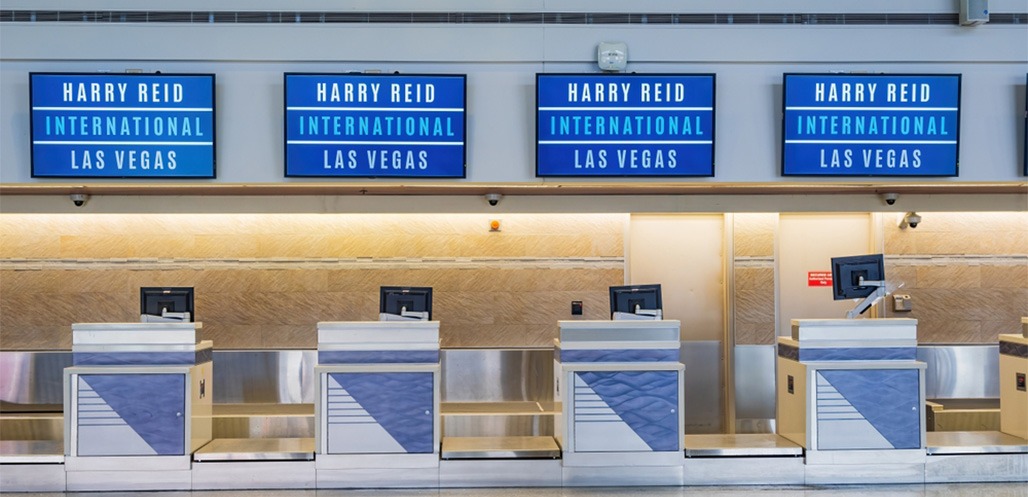
With the government shutdown grinding on, the ripple effects are getting real—just ask me and three of my fellow Smart Meetings writers. We were among the many IMEX travelers caught in the FAA staffing shortage at Harry Reid International Airport (LAS), where “weather delays” quickly revealed themselves to be something a bit more bureaucratic. Cue missed connections, late-night arrivals and extended stays in the ever-glamorous runway purgatory.
In this week’s Smart Travel, I’m unpacking what this means for planners, plus digging into two new travel studies and some upbeat news out of one of Australia’s top destinations.
Hilton Forecasts Purpose-Driven Travel, Quiet Escapes and Family-Centric Journeys for 2026
What’s the No. 1 reason travelers will pack their bags in 2026? Rest and recharge, according to Hilton’s newly released Trends Report. Conducted in partnership with Ipsos, the study surveyed more than 14,000 travelers across 13 countries and revealed a strong global shift toward purposeful, passion-driven trips.
The report found 56% of travelers now cite relaxation as their primary trip motivation, while many are designing itineraries around quiet solitude (dubbed “hushpitality”), solo days before or after family vacations (48%) and even personal growth: 72% want to explore a skill or hobby while away.
Home rituals and comfort travel are also on the rise, with 77% of travelers reporting they visit grocery stores abroad and nearly half cook on trips. Loyalty runs deep, too; 66% say their hotel preferences mirror those of their parents, and 58% report using the same loyalty programs they grew up with.
Multigenerational travel is evolving: 50% of parents are now vacationing with just one child at a time, and skip-gen getaways (kids and grandparents only) are gaining traction. Road trips are back in full swing, especially in the U.S., where 71% plan to hit the road next year, with must-haves including comfy beds, hotel stops within five hours and complimentary breakfast.
The data underscores a desire for more emotionally resonant, restorative experiences that prioritize comfort, connection and intention.
Shutdown Strains Aviation System as Staffing Shortages Cause Delays Nationwide—Including for IMEX Travelers
Flight delays rippled across U.S. airports as the federal government shutdown entered its second week, with the FAA citing staffing shortages at control centers in Atlanta, Houston and Dallas-Fort Worth, as well as at airports in Nashville, Boston, Chicago and Philadelphia. About 92% of flights still departed on time, but analysts warned that continued strain could soon affect holiday travel. Travel expert Henry Harteveldt said the situation is “growing more concerning by the day” as essential employees continue working without pay, adding that if the shutdown persists, “it could disrupt, and possibly ruin, millions of Americans’ Thanksgiving holidays.”
Read More: Largest IMEX America Extends Residency to 2030
By Wednesday at Harry Reid International Airport (LAS), several Smart Meetings staffers and sources found themselves caught in the kind of “weather delay” that only tells part of the story. For two of our editorial team members, pilot chatter confirmed what many suspected: Staffing shortages were adding fuel to the holdup. While the FAA had already flagged potential slowdowns at LAS earlier in the week, experiencing it firsthand—with runway marathons, gate ping-pong and the joys of deplaning and reboarding without much explanation—was still a shock to the system.
As the shutdown lingers, Smart Meetings is staying tuned to the latest on how this could affect upcoming meetings and events.
American Express Meetings & Events Sees Strong 2026 Growth Across All Regions
The 13th annual American Express Meetings & Events Forecast points to a healthy year ahead for the global meetings industry, driven by strong demand, in-person engagement and budget stability.
In 2026, 73% of event professionals expect meeting spend to increase or stay the same, and 82% predict more in-person meetings. Internal meetings are leading the charge globally, while incentives and customer events are seeing notable growth. Respondents also shared that attendees are showing greater engagement and satisfaction at in-person gatherings, helping to reinforce executive buy-in for meetings programs.
AI-powered planning tools are on the rise, with adoption highest in North America and Europe. At the same time, environmental sustainability remains a shared focus, especially in Europe and Asia Pacific. About 60% of planners globally say they factor sustainability into sourcing, though cost and resource constraints persist.
Regional Highlights:
North America: Meeting volume and budgets are expected to rise slightly, with a shift toward more regional and internal events. Hotel compression is pushing demand toward secondary cities.
Europe: Budget pressures are high, but meeting activity remains robust. Sustainability and ROI are top priorities.
Latin America: Budgets and in-person meetings are climbing, especially for incentives.
Asia Pacific: Cost-saving measures remain important, but meeting activity is rising steadily.
The report also notes a shortening planning cycle, with many meetings booked under three months out. Flexibility, technology and well-being continue to play a vital role in attendee expectations and program success.
With in-person engagement strong and internal meetings on the rise, now’s the time to refresh team-building experiences and regional incentive options. Consider AI tools to streamline logistics—and secondary cities to stretch your budget.
Visit Victoria Sets Sights on 2030 with New Strategy for Sustainable Growth
Visit Victoria has unveiled its Strategy 2030, outlining ambitious goals to grow the state’s visitor economy from $26.5 billion in 2022 to $41.8 billion by 2030. The eight-year plan centers on high-yield, sustainable visitation, with a focus on regional dispersal, year-round travel and Aboriginal tourism experiences.
Among its targets:
- Increase regional visitor spend to $16 billion by 2030
- Attract more international visitors, particularly from New Zealand, the U.S., India, China and Southeast Asia
- Expand Victoria’s calendar of major and business events across the state
- Strengthen the “Stay close, go further” message for domestic travel
- Drive tourism product innovation aligned with key pillars like arts, nature, sport and culinary culture
The strategy identifies key growth segments including luxury travelers, business event attendees and culturally motivated visitors, with a special emphasis on boosting off-peak and shoulder season travel. Destination marketing will lean into Victoria’s unique position as a creative, walkable, inclusive destination with world-class wine regions, design-forward accommodations and local-led experiences.
With Melbourne leading the charge and regional destinations like the Grampians, Gippsland, Great Ocean Road and High Country stepping into the spotlight, the strategy aims to spread visitor benefits while building a resilient, future-ready tourism ecosystem.
For meeting and incentive planners, Victoria’s renewed focus on event infrastructure, cultural depth and international airlift makes it an increasingly compelling choice for global programs with purpose.