Arkansas’ Capitol charms
I recently visited Little Rock as part of a small group of journalists on a press trip there. It’s situated on the Arkansas River, making this smallish, charming town immediately attractive to planners who seek out a mix of meetings in state-of-the-art rooms, in a destination known for its natural beauty and deep Southern connections.
Meet
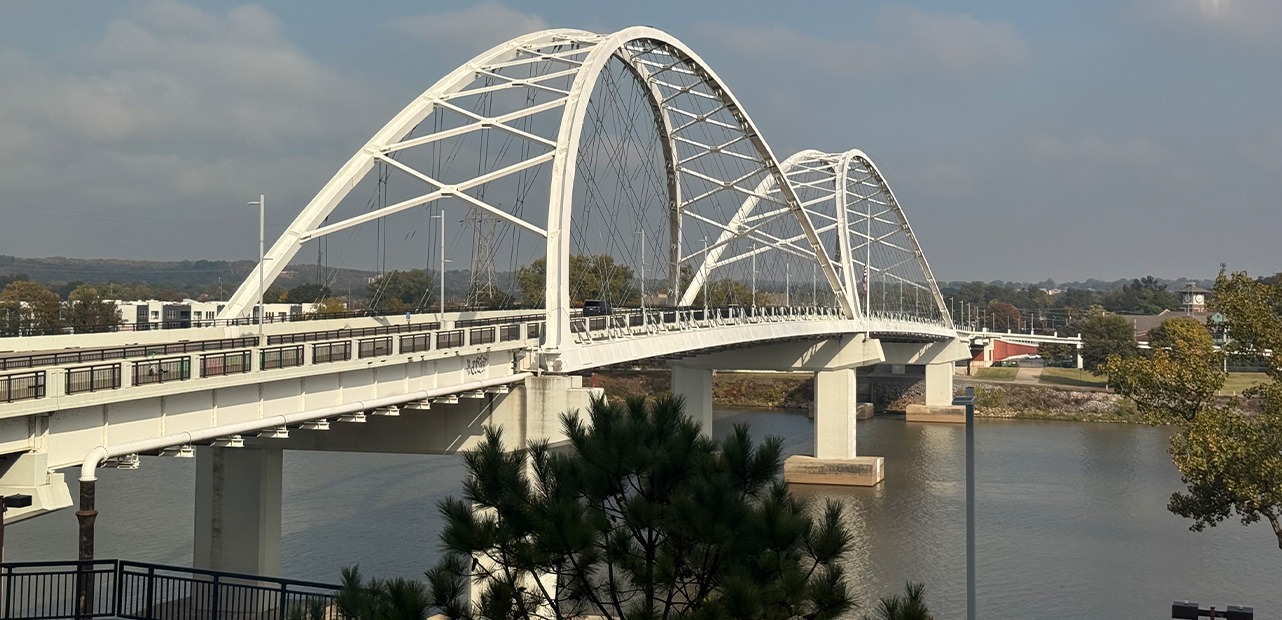
Built in 1939, Robinson Center is Little Rock’s 2,222-seat performing arts theater that hosts traveling Broadway shows, Ballet Arkansas, the Arkansas Black Hall of Fame and more each year. It also features a LEED Gold-certified 25,000-square-foot conference center with four flexible meeting rooms, connected to a 5,000-square-foot outdoor terrace overlooking the Broadway Bridge and Arkansas River. The center is connected to the 288-room DoubleTree by Hilton Little Rock that offers an additional 12,736 square feet of meeting space.
Just east on Markham Street is Statehouse Convention Center, which offers 220,000 sq. ft. of flexible meeting spaces and just emerged from a $9-million facelift this year. The reno saw a new floor-to-ceiling reimagining with a palette of bold oranges and neutral gray, providing a sense of modernity. The makeover included airwall partitions that provided soundproofing to lower the din of people in meetings, new lighting and signage, improved secure Wi-Fi and programmable LED lighting throughout. Next door is the connected 418-room Marriott Little Rock.
Stay
The 94-room Capital Hotel celebrates its 150th birthday in 2026. The property recently underwent a transformation with fresh paint and new carpeting, plus a reapplication of scagliola—the Italian painting technique used to create the appearance of marble—to its indoor lobby columns. The upscale property offers the first-floor 1,800-square-foot ballroom and two upstairs rooms coming in at 1,500 sq. ft. each, which are connected by the mezzanine lobby and outdoor balcony that earns the hotel the nickname “The Front Porch of Little Rock.” There are also two smaller meeting rooms and a wine cellar, allowing for more intimate gatherings.
Eat
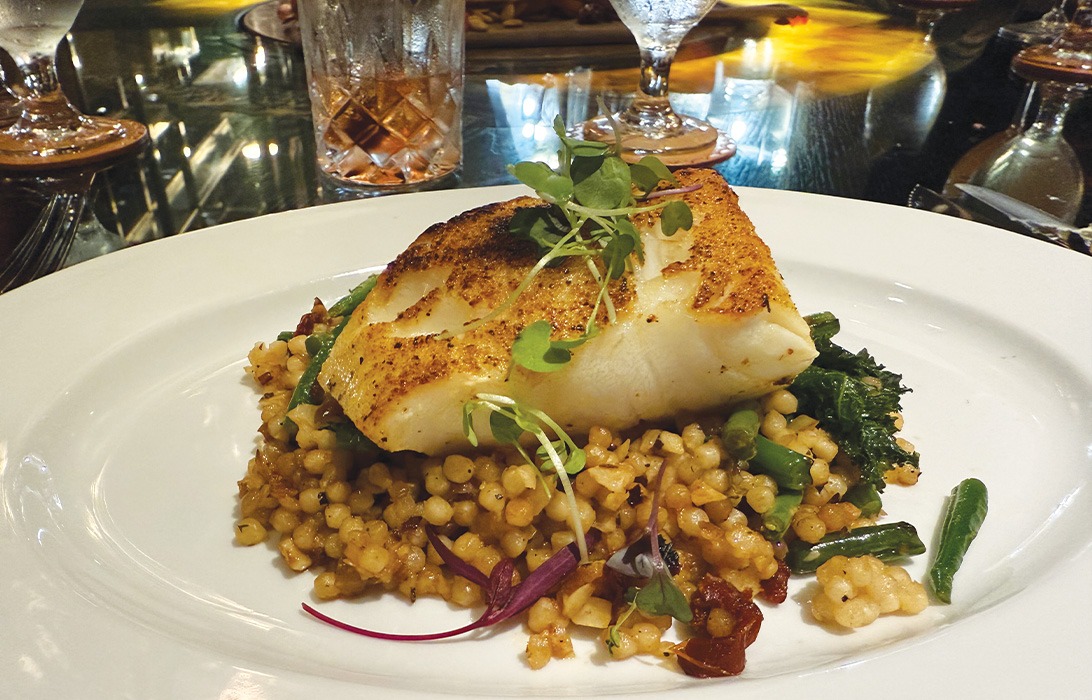
Little Rock’s Southern hospitality was on full display at each of the restaurants I enjoyed. Start your mornings at The Root, a classic Southern diner where the owner can tell you the names of all the farmers who produce the food that’s on your plate. It’s incredibly locally sourced to support Arkansas farmers, and I had the best biscuits and gravy of my lifetime. (Please don’t let my mother know).
For lunch, consider heading to The Fold, a taqueria featured on The Food Network’s Diners, Drive-ins, and Dives. The fish tacos with carrot, mango and jicama slaw, and the vegan cauliflower with pickled red onions were real standouts in a table laden with chips, a variety of dips and sauces, and rice and beans.
Diners will find enjoyable fare at Bread Wine Cheese, which pairs its eclectic wine list and creative cocktails with inventive comfort foods, including a variety of grilled cheese sandwiches. I opted for the Duck Pastrami made with gruyere, sharp cheddar, sauerkraut and thousand island dressing on sourdough—a spin on my favorite sandwich, the Reuben. For white linen service, head to Cache for steaks, chops and seafood. You can elevate your evening with a seat at the chef’s table, offering views into the bustling kitchen.
Grab a nightcap at Rock Town Distillery, the first legal distillery in Arkansas since Prohibition. Opt for one of their bourbons, specifically one that includes Arkansas-grown rice in its mash bill for a delightfully smooth sip.
See
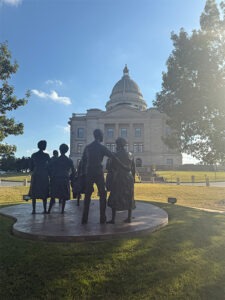
Little Rock is included on the U.S. Civil Rights Trail, and its history with the movement must be experienced. Our small group of journalists enjoyed a statehouse tour led by docent Trevor Sims, a recent poli sci graduate from Hendrix College. His insights really bring the building to life.
Just outside the statehouse is The Testament: The Little Rock Nine Monument, which honors the Little Rock Nine, the Black students who courageously integrated Little Rock Central High School in 1957.
To learn more about the Little Rock Nine, a visit to Daisy Bates House National Historic Place is a must. This is the home where Bates coached the nine on how to desegregate Little Rock’s public school. It’s a moving and emotional experience.
To understand the contributions of Black people to the history and culture of Little Rock, visit Mosaic Templars Cultural Center. A permanent exhibit tells the stories of people who contributed to the town in business, faith, the arts, community and more. A temporary exhibit on loan from the Indianapolis Children’s Museum is a detailed and gut-wrenching exploration of Emmet Till’s short life. The fourteen-year-old was murdered at the hands of two white men, who believed Till had whistled at a white woman.
This article appears in the January 2026 issue. You can subscribe to the magazine here.