Most planners I know run forty programs a year with a team of one, and they are good at it. Most of that work should stay with them. But every program tells a story, and one night carries it: the welcome dinner, the awards night, the closing night. That is the night to give away to a partner for support. Here is how I would find it, and how I would hand it off.
Find the Night That Carries the Story
Build the program the way a story is built. Novels and films follow the same arc: a beginning that sets the tone, rising action, a climax near the end and the trip home. It works in every medium because it builds an emotional connection, and it works on a program for the same reason.
Read More: 6 Tips for Last-Minute Events
That gives you three candidates. The first night sets the tone for everything after it. A night in the middle brings the energy back up when the days start to blur. The last night is the crescendo, giving guests something to look forward to all week.
If you cannot decide, I would take the last. People remember two moments from an experience: the peak and the end. Psychologist Daniel Kahneman calls it the peak-end rule.
The peak is personal. For one guest, it is a long conversation at dinner, but for another, it could be the morning on the water, and you cannot design an event to suit everyone’s preferences. The end you can, however, and it is the part guests retell when they get home. My tip: Map the program as a story, then hand off the night at its turning point.
Give the Night Bandwidth
A spectacular night takes as much planning as everything around it, or it will not deliver what everyone is expecting.
A planner chasing ground transportation and moving luggage has nothing left for the climax. The skill is there, but the bandwidth is gone. Handing off the night to someone with more capacity is how the evening’s programming gets the attention it deserves.
Read More: Wellness Tips for Meetings and Events
If the logistics own your week, the night needs another owner.
Say the Purpose Before the Price
Budget conversations go wrong when they open with a number because a number has no argument behind it. Open with who is in the room and what must be true when they leave.
For a client dinner, that might be “forty of our top clients, each one leaving with a reason to renew next year.” The budget comes second, and the result you will report afterward comes third. Written in that order, it is also the one email your CFO can forward without rewriting. Share the concept first, then the number.
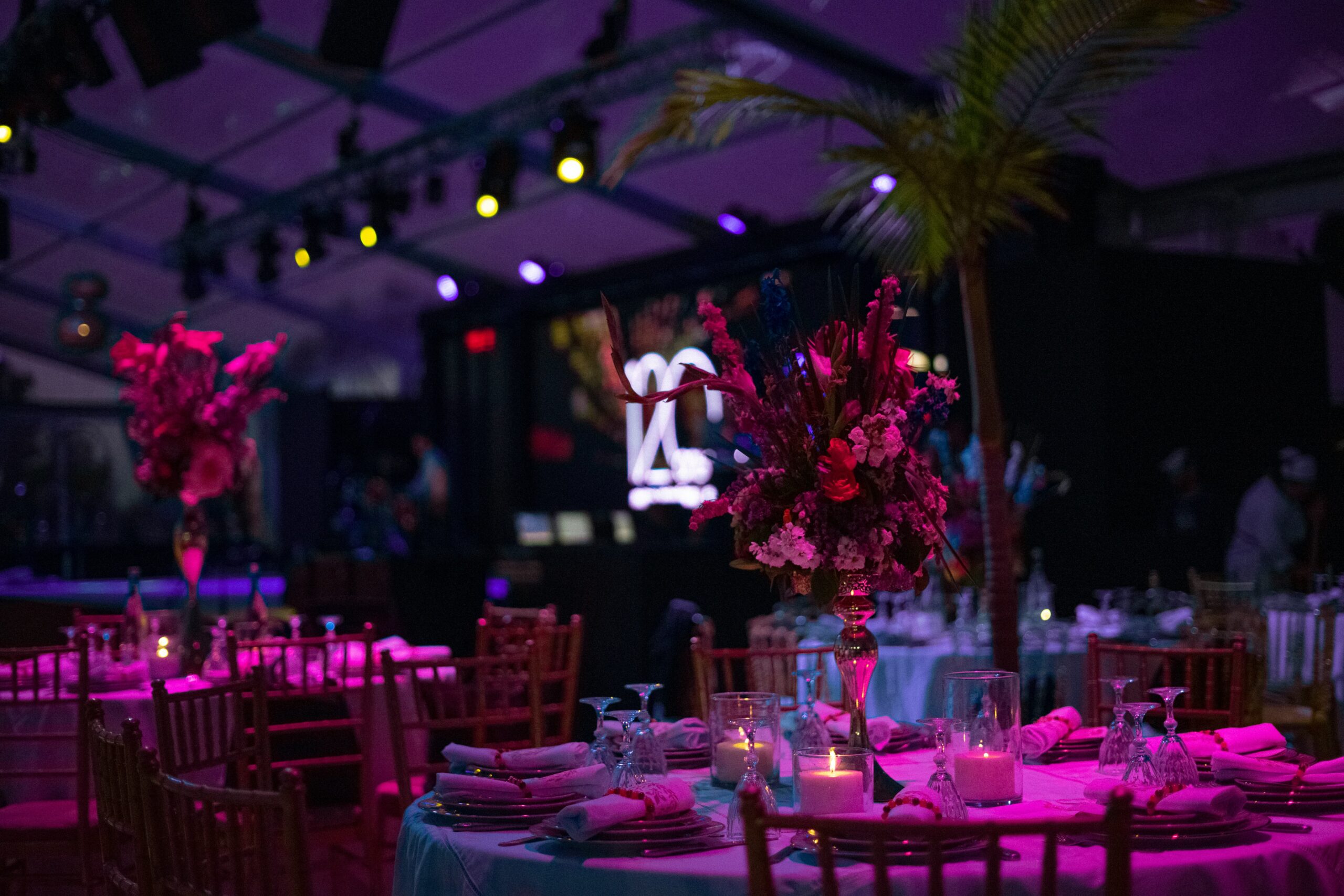
The first thing a partner should give you is a story: what your guests will walk into, what they’ll remember, and why it suits your people. The price should come with it as one figure for the whole night. If all they can show you is a rate card or package, they haven’t designed your night yet.
Read More: Turning Association Experiences Into Strategic Value
The concept is where the return comes from. At a Criteo client dinner held at a private estate with a local chef, 71% of invited clients attended, compared with the usual third, and $1.53 million was signed in the room. A line item on its own would never have predicted that.
Never approve a number you have not seen the concept for.
One Name on the Hook
Before you sign, agree in writing whose phone rings first at 2 a.m., and who hears about a problem only after it is fixed. That second person should be you.
In Quebec City, a guest’s delayed flight was about to cost them the first day of the program. Contractually speaking, Imagine was not responsible for booking guest flights on this trip. But our on-site team rebooked the guest to another city anyway, and the client only heard about it afterward, in a note from the guest to the CEO.
That is what one name on the hook buys you. The planner never had to join the scramble.
Before you sign, ask two things: who do my guests see, and do I need to be bothered with small vendor challenges I do not have the bandwidth for?
Make the End Theirs
Guests remember the peak and the end. The credit for the end belongs to the planner, and the partner’s name should stay small.
So, run the forty programs. Hand off one night and make it the conclusion people are still talking about in 12 months.
Keep the breakouts and give away the night.
—

Bill McCoy is the founder, CEO and creative director of Imagine Experience, an experience design studio that turns travel, rewards and retreats into moments people feel and results businesses see.