Today’s most memorable luxury experiences are measured by the connections they create, both to a destination and to ourselves
Luxury has long been easy to recognize. It looked like marble-clad lobbies, impeccable service, Michelin-starred restaurants and suites with butlers who seemed to anticipate your every need before you did.
Those things can still matter. But after spending the past several months visiting luxury properties around the world, I found myself hearing the same two themes repeated again and again whenever I asked hospitality leaders what today’s travelers—and increasingly, meeting planners—are seeking: wellness and a genuine connection to place.
They’re concepts that can’t be purchased as easily as a penthouse upgrade or private transfer. Instead, they’re carefully cultivated through thoughtful programming, meaningful human interaction and experiences that stick with you years after checkout.
For this year’s Luxury Issue, I experienced those ideas firsthand during two very different journeys. One invited me to look outward, immersing myself in the culture, traditions and stories of Hawaiʻi. The other encouraged me to look inward, exploring wellness through an intensely personalized lens in California’s Coachella Valley.
Both represented luxury in its most modern form—not simply indulgence, but transformation.
Looking Outward
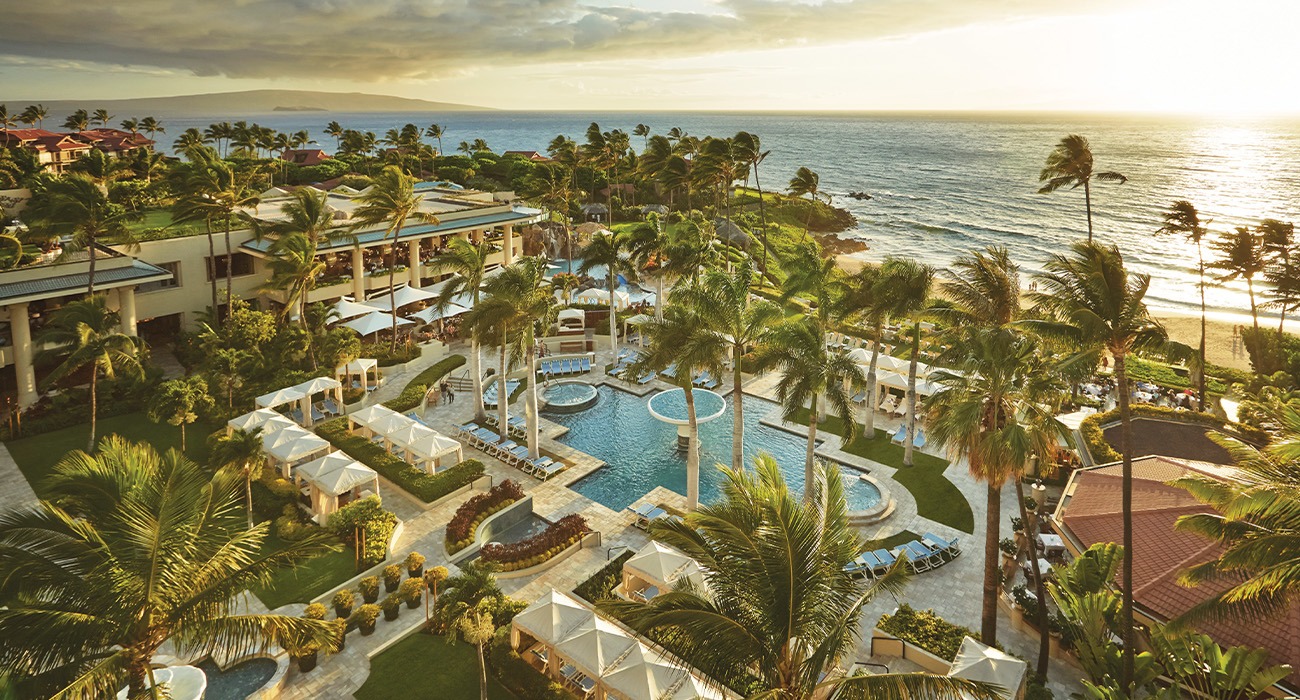
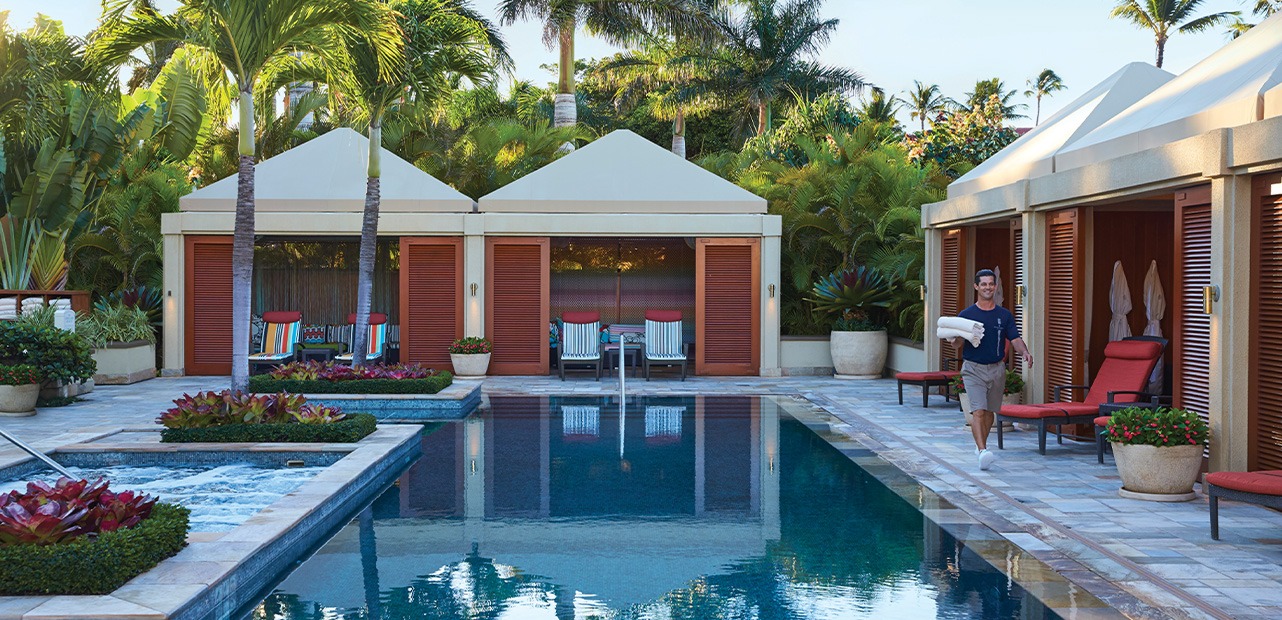
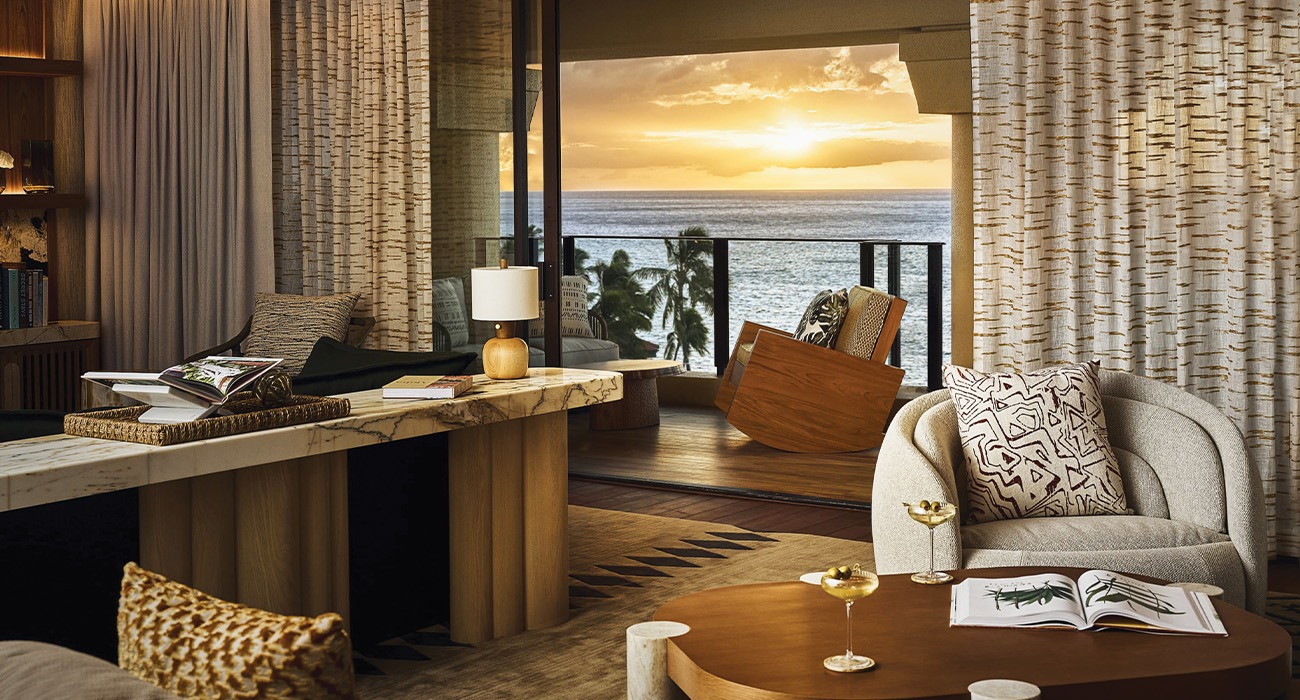
The first thing that struck me upon arriving at Four Seasons Resort Maui at Wailea (40,202 sq. ft of meeting space; 383 guest accommodations) wasn’t the ocean. It was the openness.
The lobby seems to dissolve into the landscape, allowing warm trade winds, the scent of tropical flowers and uninterrupted views of the Pacific to become part of the architecture itself. There are no grand walls separating guests from the island. Instead, the resort seems to suggest that Maui should be experienced, not merely admired from a distance. That philosophy carried through nearly every moment of my stay.
Read More: Marriott International’s Luxury Group: Activations That Stick
Shortly after arriving, I found myself seated beside Aunty Mopsie Tuivaioge, director of Hawaiian programs, learning to weave a traditional lei. The activity itself was deeply meditative thanks to its repetition, but making the lei was only part of the magic. Every placed flower carried meaning. Every tradition had a story. Every story became another thread connecting visitors to the place they had come so far to experience.
For Aunty Mopsie, those moments are the heart of hospitality. When I asked what the word “aloha” truly means to her—beyond the greeting most visitors recognize—her answer had little to do with language.
“To me, aloha shows up in small moments such as the way you look someone in the eye, the way you make space for them even if just in passing,” she told me. “It’s less something you say and more something you give away freely, without keeping score. When I greet a guest with aloha, I’m sharing a piece of my heart with them, and hoping they carry a little of that home.”
Luxury hospitality often focuses on anticipating guests’ needs before they’re expressed. What I experienced at Four Seasons Resort Maui at Wailea felt different. Rather than simply delivering flawless service, the resort consistently created opportunities to understand Maui through the people who call it home.
Increasingly, luxury travelers—and the groups following them—aren’t satisfied collecting destinations like passport stamps. They want to leave understanding something they didn’t know before they arrived. That desire has become increasingly relevant for meeting planners as well.
Brian Lynx, director of sales, explained that the resort encourages groups to think beyond traditional itineraries by weaving Maui directly into their programs. “We encourage every group to engage with Maui as more than a backdrop,” he said. “The strongest programs weave the island directly into the agenda—a Mālama Hawaiʻi morning beach clean-up, an outrigger canoe experience that teaches guests about wayfinding or a farm visit with one of our local coffee growers. Those moments do double duty: Attendees leave with a real sense of place, and they come back to the boardroom having connected with each other in a completely different way.”
His comments echoed what I experienced throughout my stay. Rather than offering cultural programming as optional entertainment, Four Seasons Resort Maui at Wailea integrates it into the guest experience in ways that feel natural rather than performative. Conversations become as memorable as excursions. Stories become just as meaningful as scenery. That became especially clear on my final morning.
As the sun climbed over the horizon, I climbed into an outrigger canoe with a small group and paddled into calm Pacific waters. The experience was peaceful enough on its own, but before long a manta ray appeared beside us, gliding up to the surface to feed as our guide shared sacred Hawaiian narratives set within the stunning mountain backdrop. It’s tempting to describe moments like that as magical, but that word often suggests something accidental. This felt intentional. It reflected a broader philosophy of helping guests experience Hawaiʻi through participation rather than observation.
Corporate groups experience something similar, Lynx explained, whether they’re removing invasive species alongside local conservation organizations or simply spending an afternoon in conversation with Aunty Mopsie. “When a group spends even half a day in service to this place, or learning directly from the people who call it home,” he said, “they come home as a stronger team from it.”
The idea is refreshingly straightforward: Shared experiences become more meaningful when they’re rooted in something authentic.
The resort is rooted in that philosophy, even as it maintains the service standards expected of the Four Seasons brand. Regional Vice President and General Manager Konrad Gstrein views the balance as one of the property’s defining strengths. “Four Seasons is built on a promise of exceptional service, and that remains consistent around the world,” he told me. “What makes each property special is how that service comes to life locally. On Maui, that means genuine aloha, meaningful cultural connections and a sense of place that can’t be replicated anywhere else.”
This perspective subtly shifts the role luxury hospitality plays. Rather than shielding guests from the destination through perfectly controlled experiences, the resort invites them into it.
I asked Aunty Mopsie what she hoped every guest would carry home after visiting Maui. Her answer wasn’t about beaches or sunsets. “If I could leave every guest with one takeaway,” she said, “it would be the essence of mālama—the sense of caring for something because you recognize it as precious. Not just caring for Hawaiʻi, but carrying that into how they treat the people and places in their own lives.”
As my flight lifted off later that afternoon, I found myself thinking less about the luxury accommodations I’d be leaving behind than the conversations I’d be taking with me. Perhaps that’s the point. The most memorable luxury experiences aren’t defined by what surrounds you. They’re defined by what stays with you after you’ve gone.
Looking Inward
Creek
If Four Seasons Resort Maui at Wailea encouraged me to look more closely at the world around me, my next destination asked something entirely different: What might I discover by turning that same attention inward?
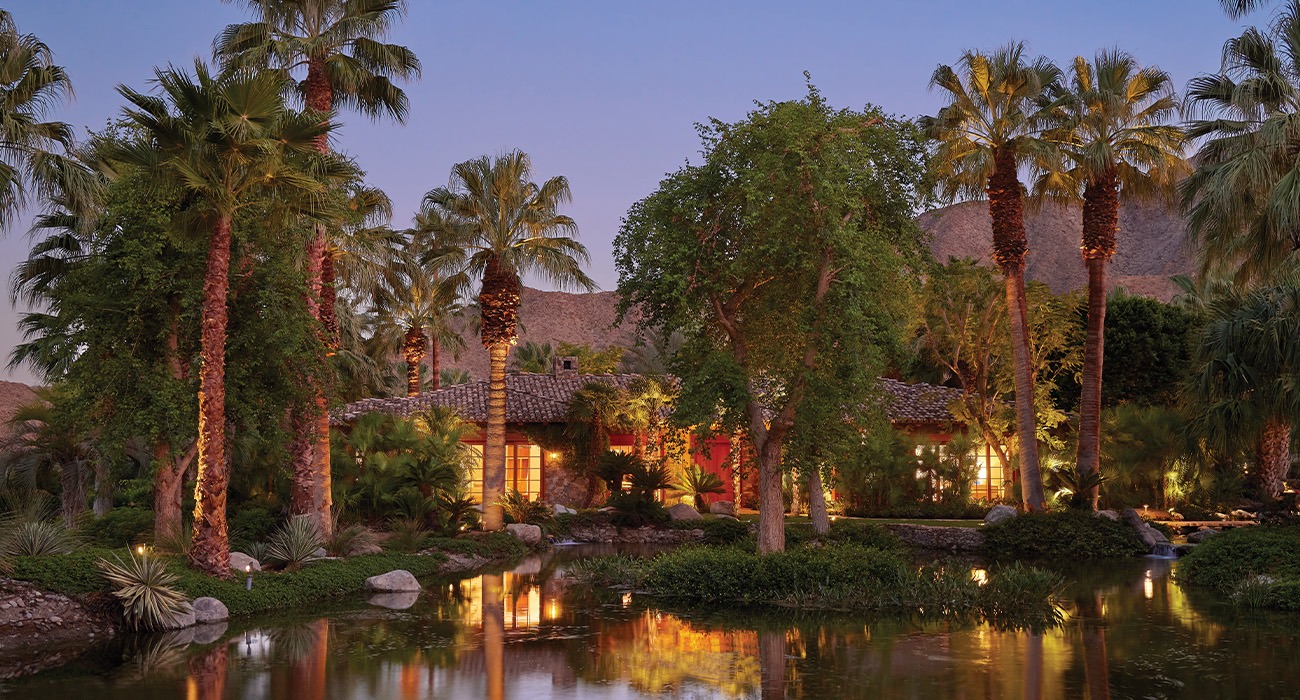
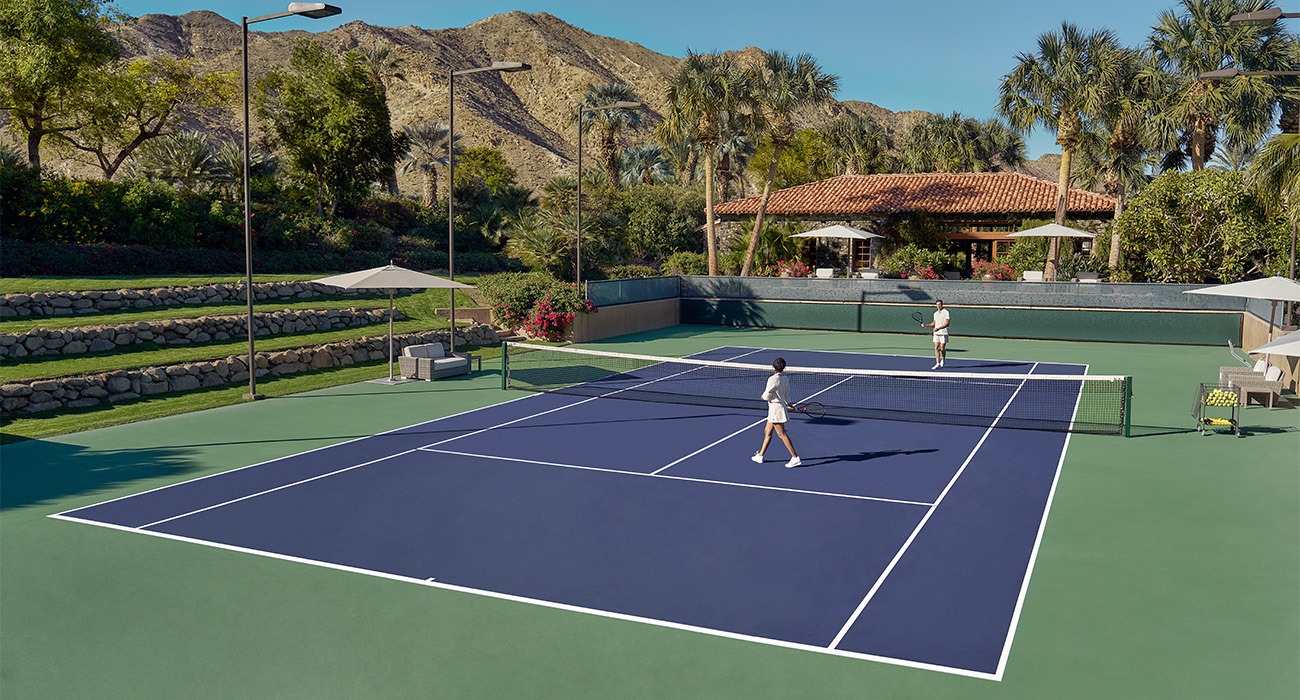
Sensei Porcupine Creek (22 keys) in Rancho Mirage, California, is the former private estate of Larry Ellison and unfolds gradually across meticulously landscaped gardens, contemporary art, citrus groves and the Santa Rosa Mountains beyond. Two restaurants—Sensei by Nobu and Sushi Bar—serve up spectacular menus.
Read More: New and Renovated: Elevating Wellness and Luxury
Several weeks before my stay, I sat down for a video consultation with the Sensei team. Rather than reviewing a list of spa treatments or fitness classes, they wanted to understand something much more personal: my goals.
The conversation covered everything from movement habits and sleep to stress, nutrition and what I hoped to gain from the experience. By the time I arrived, every appointment had already been thoughtfully curated around those conversations. It was one of the first reminders that today’s luxury increasingly revolves around removing friction rather than adding choices. There was no pressure to build the “perfect” itinerary because someone else already had—based entirely on me. That philosophy defines nearly every aspect of the Sensei experience.
“Personalization begins well before arrival,” explained Vince Smit, director of wellness. “Each guest’s journey is thoughtfully shaped through a collaborative process between our pre-arrival specialists and Sensei Guides, grounded in a deep understanding of individual goals, preferences and readiness for change.”
Unlike many wellness retreats, there was no expectation that I would emerge as an entirely different person after a few days in the desert. There were no rigid schedules, dramatic detoxes or impossible promises. Instead, the experience felt refreshingly practical.
My days flowed naturally between yoga, circuit training, journaling, to-die-for dining, restorative downtime and one-on-one conversations designed to help me better understand habits I could realistically continue once I returned home. Even meals became part of that learning process.
One afternoon, I participated in a sensory eating workshop at Sushi Bar that encouraged me to slow down and notice flavors, aromas and textures with an attention I rarely give everyday meals. It wasn’t about restriction or rules. It was about the experience.
Later, during a cocktail-making class, wellness took on yet another dimension, demonstrating that balance can include enjoyment as much as discipline. That flexibility reflects another misconception Smit hopes guests leave behind.
“One common misconception is that wellness must follow a fixed path,” he said. “At Sensei, there is no single definition of what a retreat ‘should’ look like.” Some guests arrive seeking profound lifestyle changes. Others simply need permission to pause for a few days. Both approaches are equally valid.
The property’s physical setting reinforces that mindset. While between appointments, I passed sculpture gardens, tranquil water features and quiet corners designed to encourage reflection. Rather than rushing from activity to activity, I found myself slowing almost without realizing it.
Luxury has traditionally been associated with excess. Sensei proposes something different. Luxury can also mean having the time, space and expertise to pay attention to yourself. That’s where the property’s science-based approach distinguishes itself.
While many wellness resorts emphasize relaxation alone, Sensei pairs hospitality with evidence-informed assessments and expert coaching. Guests can explore everything from movement efficiency and metabolic health to restorative bodywork tailored through advanced technology.
One of the experiences guests consistently describe as unlike anything they’ve encountered elsewhere, Smit said, is thermal body mapping, which allows therapists to visualize areas of muscular tension and customize treatments in real time. But what impressed me wasn’t the technology itself; it was how approachable it all felt.
“We view science and hospitality as inseparable,” Smit explained. “Our Guides introduce evidence-led insights through advanced assessments and technology, translating complex data into simple, meaningful understanding.”
The point is to never create a sense of overwhelm by data. Instead, every conversation focuses on small, sustainable adjustments rather than dramatic reinvention. That same philosophy increasingly resonates with meeting planners.
Corporate wellness has matured well beyond offering attendees a morning yoga session before keynote presentations. Organizations are beginning to recognize that employee well-being influences creativity, resilience and collaboration just as much as it affects individual health. Smit has seen those benefits firsthand. “When individuals step away from habitual patterns and gain space to reflect, there is often a noticeable shift in perspective,” he said. “We observe stronger interpersonal connections, more open communication and an increased capacity for strategic thinking.”
Those outcomes aren’t accidental. Group programs at Sensei blend shared experiences with individualized coaching, allowing participants to work toward common objectives without losing sight of personal well-being. Workshops addressing sleep, resilience, leadership and effective collaboration complement restorative treatments and one-on-one consultations, creating experiences that continue influencing teams long after they return to work.
Perhaps most importantly, the programming avoids making wellness feel exclusive. “We begin with what is universal,” Smit said. “Sleep, movement, nutrition and mindset are not niche interests—they’re fundamental human needs.”
That perspective struck me repeatedly throughout my stay. Nothing felt performative. Nobody seemed interested in convincing guests to adopt an entirely new lifestyle. Instead, the emphasis remained on helping each person identify a few realistic practices worth carrying home. In many ways, that mirrors the property’s broader definition of luxury.
“What distinguishes a truly luxury wellness experience from a high-end spa treatment,” Smit explained, “is the breadth and personalization of the experience. Wellness is woven throughout the entire stay….The goal is not only to help guests feel restored during their stay, but to provide personalized insights and healthy habits they can carry home with them.”
It’s an important insight. Luxury isn’t simply about feeling good while someone else takes care of you. It’s about leaving better equipped to take care of yourself.
More Than a Destination
At first glance, Four Seasons Resort Maui at Wailea and Sensei Porcupine Creek may seem to have little in common. One celebrates the vibrant culture and traditions of Hawaiʻi. The other encourages quiet reflection in the California desert. Yet together, they revealed something I hadn’t fully appreciated before this journey.
The future of luxury hospitality isn’t centered on extravagance. It’s centered on intention.
For meeting planners, that shift creates exciting possibilities. As incentive travel and executive retreats continue evolving, attendees increasingly expect experiences that can’t be replicated with a larger budget alone. They want authentic conversations with local cultural leaders. They want opportunities to serve the communities they visit. They want wellness programming that extends beyond spa appointments and produces tangible benefits after returning home.
The most successful luxury planners understand that. They know remarkable accommodations are only the beginning. What guests remember years later isn’t always the thread count of the sheets or the marble in the bathroom. It’s the lesson Aunty Mopsie shared while weaving a lei. It’s the quiet moment when a manta ray glided beneath an outrigger canoe. It’s realizing, during a thoughtfully guided wellness session, that meaningful change often begins with paying closer attention to yourself.
Those moments resist being measured by room rates or Michelin stars.
This article appears in the July/August 2026 issue. You can subscribe to the magazine here.