Kris La Fata, director of convention services and events at Visit Seattle, Craig T. Davis, president and CEO of Visit Dallas and Shaun Yates, vice president of sales & services for Visit OKC, share how their respective cities are preparing for the upcoming FIFA games in the summer and how they’ve shaped the cities’ infrastructure. Meeting planners benefit greatly these cities’ upgraded sports and meetings venues.
Major sporting events don’t just blow through town. For meeting planners, they leave behind a long tail of opportunity—new infrastructure, refined city operations and a destination brand boost that can make future meetings easier to sell and smoother to execute.
As Smart Meetings’ JT Long framed it in a recent Knowledge Exchange webinar, planners can be “the biggest winners in the wake of all the big sporting events sweeping the country,” because after FIFA World Cup, Super Bowl and Olympics-sized moments, “event planners benefit from the elevated profile of the city, new infrastructure and processes developed to accommodate all those big public crowds.” In other words: the event itself may be brief, but the improvements—and the proof that a city can handle pressure—stick around.
She was joined by Smart Meetings Editor Malik Anderson, Kris La Fata, director of convention services and events at Visit Seattle, Craig T. Davis, president and CEO of Visit Dallas and Shaun Yates, vice president of sales & services for Visit OKC. You can view the full webinar on demand.
The Long Tail: What Cities Build (and What Planners Inherit)
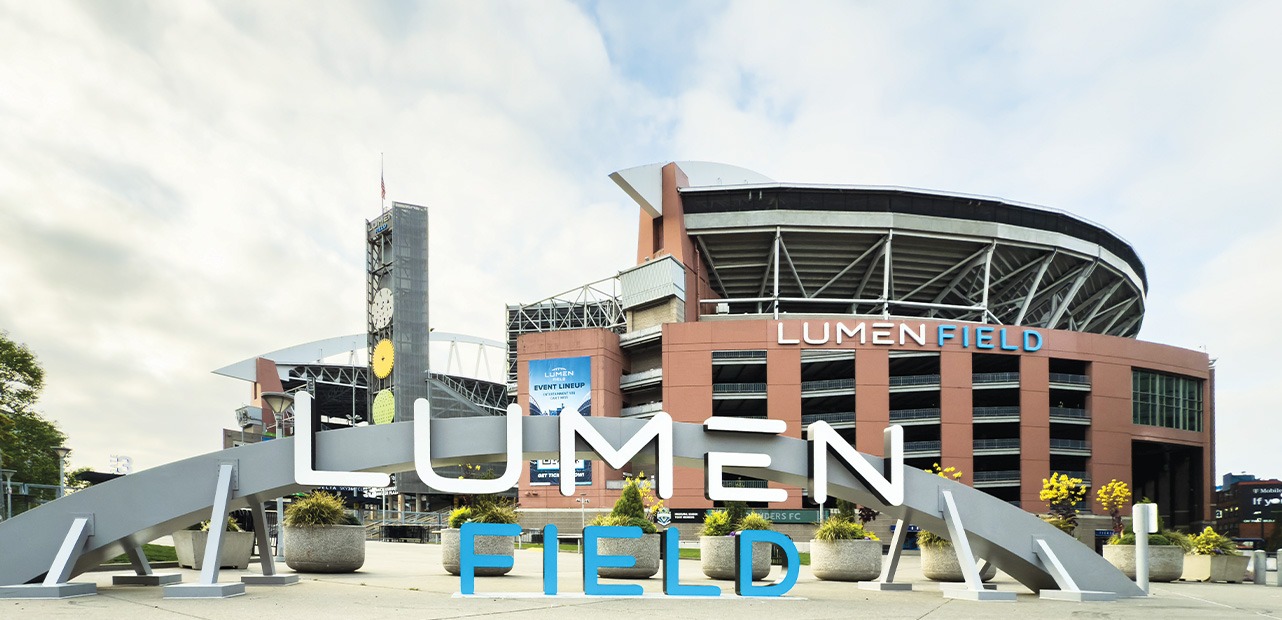
The most visible long-tail benefit is physical infrastructure. La Fata described how FIFA accelerated projects that were already needed but suddenly had immovable deadlines. “What FIFA did for us is move up the timeline on some huge capital projects to make sure that they were…done in time,” she said. The payoff for planners is immediate and ongoing: “Our light rail has significantly expanded so that people will be able to travel north and south and over to the east side of Lake Washington from the airport, way easier than they could have even three years ago.”
Air travel upgrades and route growth matter just as much. La Fata pointed to Seattle-Tacoma International Airport’s “considerable upgrades, especially to the international arrivals facility,” plus the addition of “non-stop routes like crazy.” For planners managing international attendees—or simply trying to reduce friction on arrival day—those changes outlive the tournament and improve the attendee experience year-round.
Read More: FIFA 2026: The North American Takeover
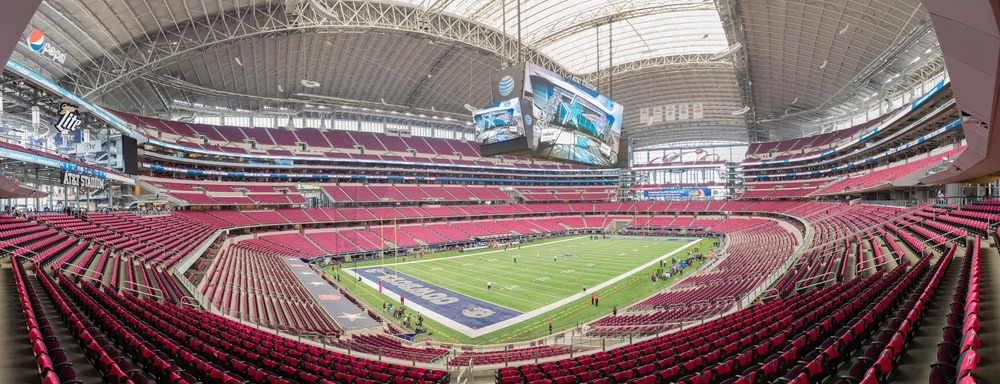
Dallas, meanwhile, illustrates a different kind of legacy: retrofits, regional coordination and major facility repurposing. Davis noted that the Metroplex didn’t need to build new stadiums, but it is retrofitting AT&T Stadium for FIFA. And the city’s convention ecosystem will be directly shaped by the event.
“Our convention center is closed down now and is going to become the international broadcast center for FIFA,” he says, “Every single game that will be televised across North America, will be televised from Dallas.”
That kind of mega-event footprint forces cities to sharpen not only buildings, but also how they work together across jurisdictions. Davis emphasized that “when you’re talking about FIFA in Dallas, you’re really talking about FIFA in the Metroplex,” spanning Arlington, Fort Worth, Irving and more. For meeting planners, that regional mindset can translate into more creative room-block strategies and more resilient transportation plans—if you know how to tap it.
The less visible long-tail benefit is operational: cities get better at moving people, communicating disruptions and coordinating security. Shaun Yates of Visit OKC captured why that matters beyond sports: “If we can show that we can move families around the city safely and effectively…that’s just a bigger message for all meeting planners.” A successful youth-sports weekend, parade day or FIFA match becomes a case study a DMO can point to when a planner asks, “Can you handle my citywide?”
Understand the Event You’re Drafting Off Of: FIFA Isn’t the Super Bowl
Planners make mistakes when they assume all major sports events behave the same way. The webinar panel kept returning to one core reality: FIFA is not the Super Bowl.
Davis put it bluntly, “We are expecting it to be more Super Bowl-esque. It’s not, though; it’s FIFA.” The difference shows up in everything from demand curves to guest behavior. A Super Bowl concentrates activity into a short burst. FIFA spreads it across weeks, in multiple cities, with an international fan base that travels differently.
Read More: Sports Venues: Sports, Community and the Power of Relationships
Unlike the “one night in one place” rhythm of the Super Bowl, Davis said, “you’ve got 100 plus games that are taking place around North America.” That means planners can’t rely on a predictable single peak; instead, they need to anticipate uneven “spikes and lulls,” especially in hotel pricing and availability.
Even host cities don’t fully know what to expect because the tournament’s ticketing and fan distribution can remain opaque until late. Davis explained that cities are still “waiting to see how the tickets fall and who’s coming,” and that “we have not seen the bookings yet that we had anticipated, because the availability of tickets has been rather restricted.” For planners, the lesson is to build flexibility into contracting and to pressure-test assumptions about compression nights.
And then there’s the migration factor. FIFA visitors may not fly in and out for a single match; they may road-trip the tournament. Davis said cities are watching closely, “We really don’t know what our visitors are going to do. They’re going to make this into a several-day, if not several-week trip.” He called the unknown “migration patterns…anybody’s guess.” For meetings scheduled during a tournament window, that uncertainty can affect everything from restaurant buyouts to airport congestion to last-minute room pickup patterns.
Timing and Strategy: Plan Around the Rhythm, Not the Hype
Because FIFA demand can be uneven, a timing strategy can be a competitive advantage. Davis advised against scheduling directly on match days: “I wouldn’t suggest that the planner plans a meeting during a match event date in Dallas.” But he also offered a reality check: with “144,000 rooms in…North Texas,” the region “won’t go 100% occupancy,” and planners who work the calendar intelligently can still find opportunity “in between matches.”
Seattle’s constraints look different. La Fata noted Seattle has “six matches” and “we don’t have the hotel capacity that Craig has,” compounded by the fact that “we are an absolute peak season in Seattle during the tournament,” including cruise traffic. For planners, that’s a reminder to evaluate not only the sports calendar, but also the destination’s seasonal demand drivers. A city can be “FIFA busy” and “summer busy” at the same time.
One practical tactic discussed: think regionally. Seattle is working with Vancouver, British Columbia (also hosting matches), to balance demand: “Vancouver, B.C., has matches only a three-hour drive from Seattle, so we’re working to see how we can even that out a little bit.” OKC, though not hosting matches, is positioning itself as a convenient stop between Kansas City and Dallas, creating packages for travelers passing through. For planners, nearby cities can serve as overflow venues, pre- and post-event extensions or even alternative host hubs with more affordable pricing.
“We’re uniquely positioned between Kansas City and Dallas,” says Yates. “We’re not hosting games in Oklahoma City, but we do want to capture those travelers who may want that experience in Kansas City when they’re driving through Oklahoma, through Oklahoma City, staying overnight, heading to Dallas for another match. We’re working hand in hand with both Kansas City and Dallas to create packages to welcome those visitors as they traverse the country.”
Transportation and Safety: the ‘International Event’ Standard Becomes Your Meeting’s Safety Net
The most significant operational difference between a typical meeting week and a mega-event week is how transportation and security feel on the ground.
On mobility, La Fata highlighted why transit investments matter. Seattle’s stadium district is “accessible to everything that’s downtown, easy to the airport,” and the expanded light rail makes airport-to-downtown movement “way easier.” This is precisely the kind of improvement planners can translate into attendee messaging: fewer shuttles, more predictable commutes, and a stronger case for walkable agendas.
But planners also need to budget time for disruption. Davis warned that FIFA will bring “a level of security…incredible,” and that “people are going to have to take additional time to get there and just be patient.” He also noted that Dallas already deals with significant road construction—“you cannot get in North Texas from A to B without the orange cones”—a reminder that mega-events often collide with ongoing city projects.
On safety staffing, Davis answered directly when asked how cities plan for extra police presence. The good news: “the federal government is actually going to help us take care of that,” and cities will “import police forces and other security forces from across the United States.” For meeting planners, the actionable takeaway is to coordinate early with the DMO and venues on screening times, perimeter changes, credentialing requirements and contingency routes—and then over-communicate those expectations to attendees.
La Fata offered a vivid example of why that coordination matters. Seattle hosted a massive parade—somewhere between 700,000 and a million people—while also running two city-wide conventions. Streets shut down early, but the city still made it work by coordinating exceptions and alternate routes: “We were able to work with planners successfully…to make exceptions, have different routes, educate the attendees.” That’s the long tail in action—a city that has practiced under pressure can protect a planner’s program when the unexpected happens.
Major sporting events may be unpredictable in their details, but their legacy is consistent: better infrastructure, stronger interagency coordination and a higher standard of readiness. For meeting planners willing to understand the specific event they’re drafting off of—and to time their programs with intention—those global crowds can translate into long-term local advantage.