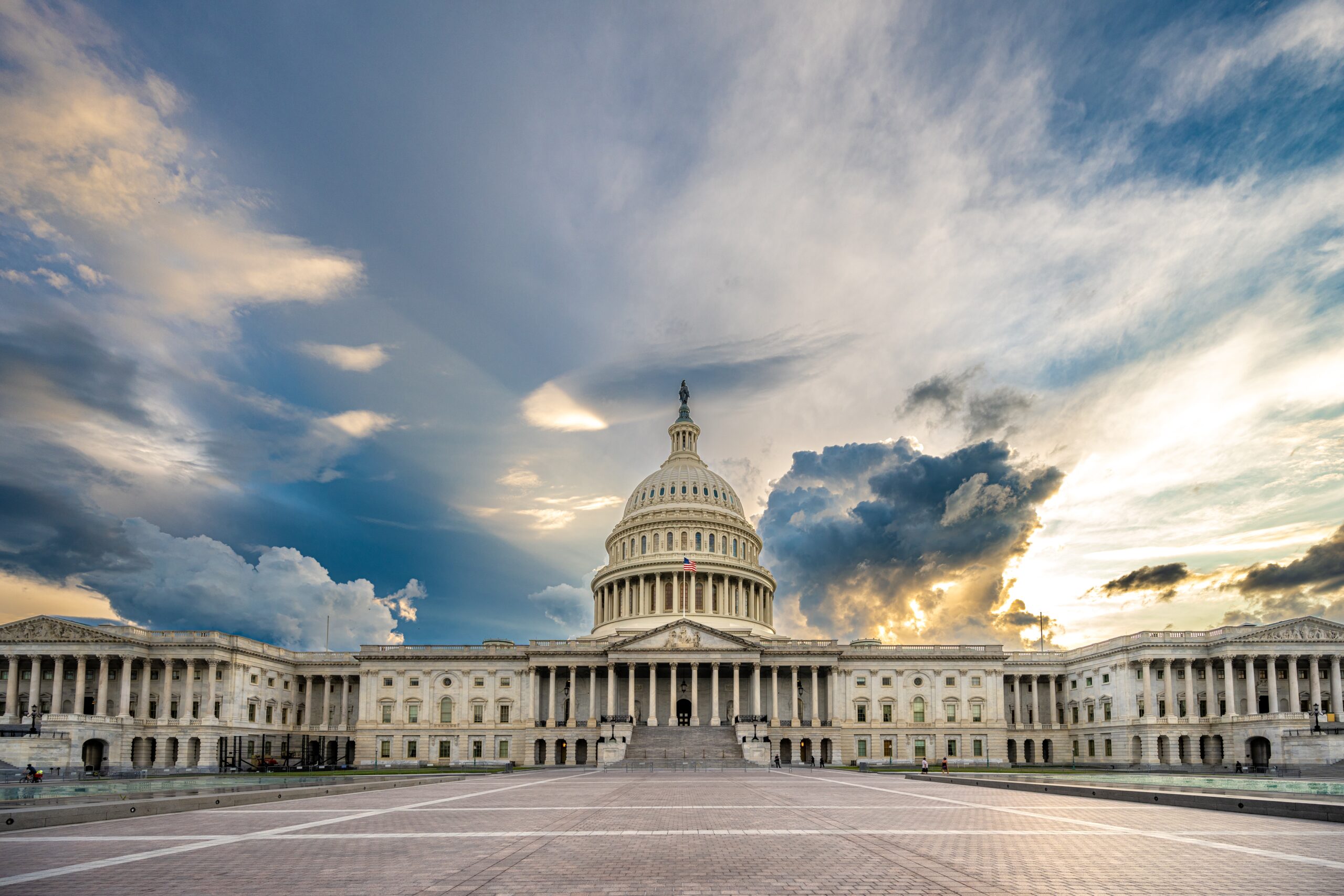
The cancellation of hundreds of flights by all four major carriers American, Delta, United and Southwest took effect on Thursday. Hubs affected including Los Angeles, Atlanta, Dallas and San Francisco. As the shutdown stretches on, roughly 40 U.S. airports are reducing or suspending flights, creating a cascade of cancellations.
This week’s Smart Travel is zeroing in on the biggest story in travel this week—the cancellation of hundreds of flights by all four major carriers (American, Delta, United and Southwest) as a response to the U.S. government shutdown.
The seismic decision took effect on Thursday, with hubs affected including Los Angeles, Atlanta, Dallas and San Francisco (this writer had a flight canceled within an hour of the FAA’s nationwide order to reduce traffic). Here is what you need to be aware of—and how to handle the challenges this brings.
What Planners Should Know About the U.S. Government Shutdown
When the U.S. government grinds to a halt, the ripple effects are rarely confined to Capitol Hill. As the shutdown stretches on, roughly 40 U.S. airports are reducing or suspending flights, creating a cascade of cancellations, delays and headaches for travelers across the country.
The cause, as ever, comes down to people—or the lack of them. With thousands of federal employees furloughed or working without pay, critical roles like air traffic controllers, safety inspectors and TSA staff are stretched thin. Airlines are making the difficult choice to preemptively scale back schedules rather than scramble in real time when shifts go unfilled. It’s a pragmatic move, but it means fewer options in the sky for now.
Many of the affected airports are actually among the nation’s busiest, such as Atlanta, Los Angeles and Denver, meaning the impact is widespread and hard to avoid. A flight delay in one of these high-volume markets can ripple across the entire system, affecting even travelers bound for smaller cities. A meeting in Des Moines or a corporate retreat near Bozeman could feel the pinch just as easily as a cross-country connection through LAX, as airlines shuffle schedules and staffing to keep operations running where they can.
For meeting professionals and business travelers, the timing couldn’t be worse. Fall marks one of the busiest seasons for corporate gatherings and incentive trips. When a flight gets scratched from the schedule, it’s not just an inconvenience—it’s a domino effect that can throw off VIP arrivals, keynote presentations and carefully timed welcome receptions.
That’s why planners are leaning into their best survival skill: flexibility. Many are advising attendees to arrive a day early when possible, booking flexible or refundable fares, and double-checking airline alerts more often than they refresh their inboxes. The general consensus? Hope for smooth skies, but prepare for detours.
Communication, too, has become essential. A quick pre-event email or text update can help attendees plan ahead: “Due to the ongoing federal shutdown, please monitor your airline for potential changes.” For the luxury, entrepreneurial crowd that prizes seamless experiences, a little extra clarity goes a long way in maintaining trust (and sanity).
The good news: Airlines and airports are trying to stay ahead of the chaos rather than behind it, adjusting flight schedules early and sharing updates through official channels. The bad news: Until Congress gets its house in order, uncertainty will remain the only thing guaranteed to take off on time.
So, as you review your upcoming itineraries or finalize your next big meeting, build in a buffer, keep your phone charged and maybe pack an extra dose of patience, because even the best-laid agendas can find themselves stuck on the tarmac.