Your Brain Deserves Better Events
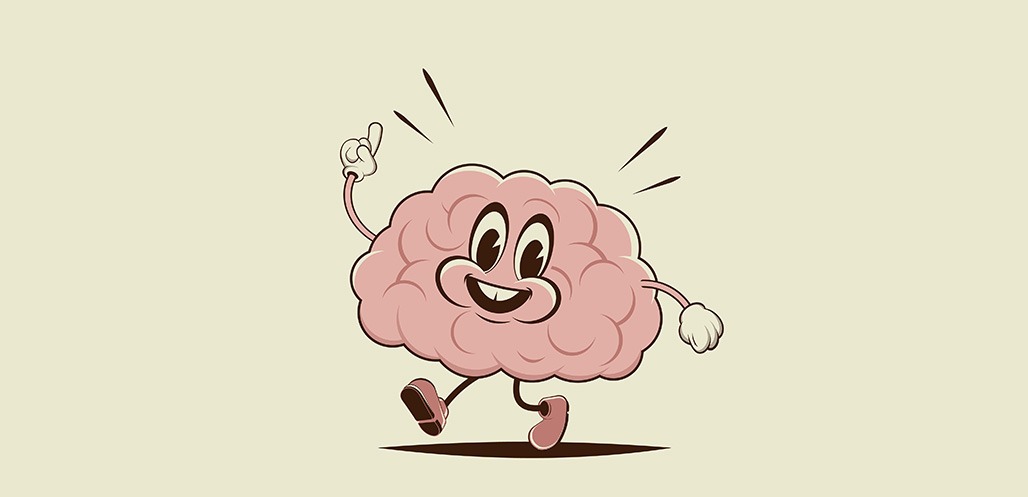
Hold up your hands and make two fists. Put them together. That’s the approximate size of your attendees’ brains, and within that compact space, approximately 86 billion neurons are constantly firing, controlling everything from physical movements to memory formation to emotional responses. Yet most meetings and events are designed as if we’re planning for passive observers, not for these incredibly sophisticated biological systems.
The meetings and events industry has reached a tipping point. Generic conference formats, endless PowerPoint presentations, and one-size-fits-all approaches no longer cut it. Today’s attendees expect experiences that genuinely engage their minds, not just occupy their time. The solution lies in understanding how the brain actually works and designing meetings and events that harness its natural patterns rather than fighting against them.
The Attention Challenge: Working with Neural Rhythms
Understanding attention starts with recognizing its biological patterns. Research suggests that after 10-15 minutes of continuous input, attention networks can begin to tire as key neurotransmitters get depleted and firing rates drop. Individual attention spans do vary significantly based on engagement, content, and personal factors, but this biological pattern affects everyone. This is when you see the wandering eyes and phone checking. Your message gets lost in the mental fog.
Read More: Healthy You: The Memory Games
The biology reveals something powerful: when something novel appears, your brain lights up like a spotlight. A small cluster of neurons in your brainstem fires chemicals across your cortex, increasing that signal-to-noise ratio and making every sight, sound, and sensation more vivid. This gives us a roadmap for maintaining and increasing engagement.
To maintain engagement, build pattern interrupts into your meeting or event agenda at strategic moments. At the seven-minute mark of a keynote, drop in a 30-second live poll. During a site tour, have your guide announce an “unplanned” secret exhibit. Between tournament matches, start a crowd cheer challenge. These unexpected changes trigger dopamine release, reengaging focus and energy exactly when your audience needs it most. The key is timing these interrupts before attention naturally wanes.
Memory Formation: From Moments to Lasting Impact
Once you’ve captured attention, the next challenge is making your content stick. Your brain stores and recalls moments that matter through the hippocampus, which encodes new information and binds separate details into unified memories. But here’s the sobering reality: we lose 70% of what we learn within 24 hours if nothing brings it back to mind.
This biological fact makes retrieval cues essential to meeting and event design. Just like finding an old concert ticket stub can instantly transport you back to that concert, strategic cues help attendees recall and apply what they’ve learned long after your meeting or event ends. The most effective cues engage multiple pathways to the same memory, creating redundant access points.
Consider pairing key takeaways with unique retrieval cues. Give conference attendees cards to stamp at landmark exhibits. Create QR codes that unlock AR overlays showcasing your product’s top three features. Send a five-question micro-quiz 24 hours post-meeting, with top scorers earning spotlight recognition. The goal is to transform fleeting moments into lasting memories by giving the brain multiple ways to access the same information.
Multisensory Design: Amplifying Experience Through Biology
Creating those lasting memories becomes even more powerful when you understand how our senses work together. Most meetings and events default to just two senses: sight and sound. We’re watching presentations, hearing speakers, and that’s it. But when you combine multiple senses, memories stick dramatically better. Research shows smell is particularly powerful for memory formation, yet few meetings and events leverage this tool.
The neuroscience is compelling. The amygdala, a key brain structure for emotional processing, activates during impactful multisensory experiences. When you layer in even one additional sense, you tap into multiple brain circuits simultaneously, creating richer, more durable memories.
Read More: Blueprints for Belonging: Designing Events with Purpose, Emotion and Impact
Consider a simple mocktail station: attendees aren’t just tasting the drink. They’re seeing the beautiful presentation, hearing ice cubes splash, smelling fresh lemon and mint, feeling the cold glass. All five senses create a much stronger, more vivid memory than taste alone. This principle scales from intimate networking receptions to large-scale conferences.
For galas, diffuse a signature fragrance during the welcome toast paired with ambient music. Move workshop sessions outdoors for fresh air and natural sounds. Incorporate breathing exercises with light lavender mist and soft chimes. Be mindful of sensory sensitivities and overstimulation, but don’t be afraid to engage more than just eyes and ears.
Psychological Safety: The Foundation for Engagement
All of these techniques work best when attendees feel psychologically safe. When your brain detects threats, whether physical or social, the amygdala triggers a stress response that floods your system with cortisol, impairing prefrontal reasoning and creative thought. In meeting and event contexts, this happens when attendees feel uncertain about expectations, worried about judgment, or unclear about their role.
The neurochemical shift that occurs with psychological safety is remarkable. When people feel safe, amygdala activity dampens and triggers oxytocin release. This hormone, often called the “trust hormone,” brings out happiness, creativity, and energy while freeing up executive brain networks for exploration and innovation. This creates the optimal state for learning and connection.
Building this foundation requires intentional design. Start sessions with clear norms: “All contributions are welcome, there are no wrong answers.” Use anonymous input tools like digital whiteboards so people can share ideas without spotlight anxiety. Model vulnerability by sharing your own stories and mistakes. For team meetings, co-create safety charters where every participant writes one rule they value.
Smart Technology Integration
Technology can amplify all these neural principles when used thoughtfully. AI matchmaking can facilitate the social bonds that trigger oxytocin. Sentiment analysis can measure facial expressions in real-time, telling you exactly how people are responding to your content. AR overlays can create the novel experiences that capture attention while providing multisensory memory cues.
But the most effective engagement tools are often elegantly simple. Sometimes a carefully chosen tactile element or unexpected sensory experience creates more lasting impact than the latest tech innovation. Choose technology because it genuinely enhances these biological processes, not just because it’s available. The goal is always amplifying human connection and learning, not replacing it.
Your Brain-Friendly Action Plan
The neuroscience is clear: our brains are wired for novelty, connection, safety and multisensory experiences. Your next meeting or event should honor this biology, not fight against it.
Start with small, strategic changes. Insert one pattern interrupt into your next agenda at the 10-minute mark. Pair a key message with a retrieval cue that attendees can take with them. Create one psychological safety norm with your team that explicitly welcomes contribution. These aren’t just nice- to-have engagement tactics; they’re evidence-based strategies that work with how your attendees’ brains actually function.
Because ultimately, your brain deserves better events. And so do your attendees.
—
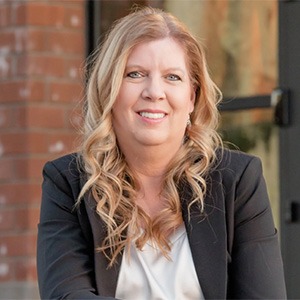 Lisa Schulteis is the founder of ElectraLime Marketing and executive director of the Northwest Event Show. With over 15 years in the events industry, she blends a background in neuropsychology with deep expertise in event strategy to create impactful, brain-friendly experiences.
Her work has been recognized with the 2025 Smart Speaker Award and Smart Women in Meetings Award from Smart Meetings. She has partnered with Fortune 500 companies and leading associations and organizations, and is a sought-after international speaker. Connect with her on LinkedIn or visit electralime.com and lisaschulteis.com to explore workshops and speaking opportunities.