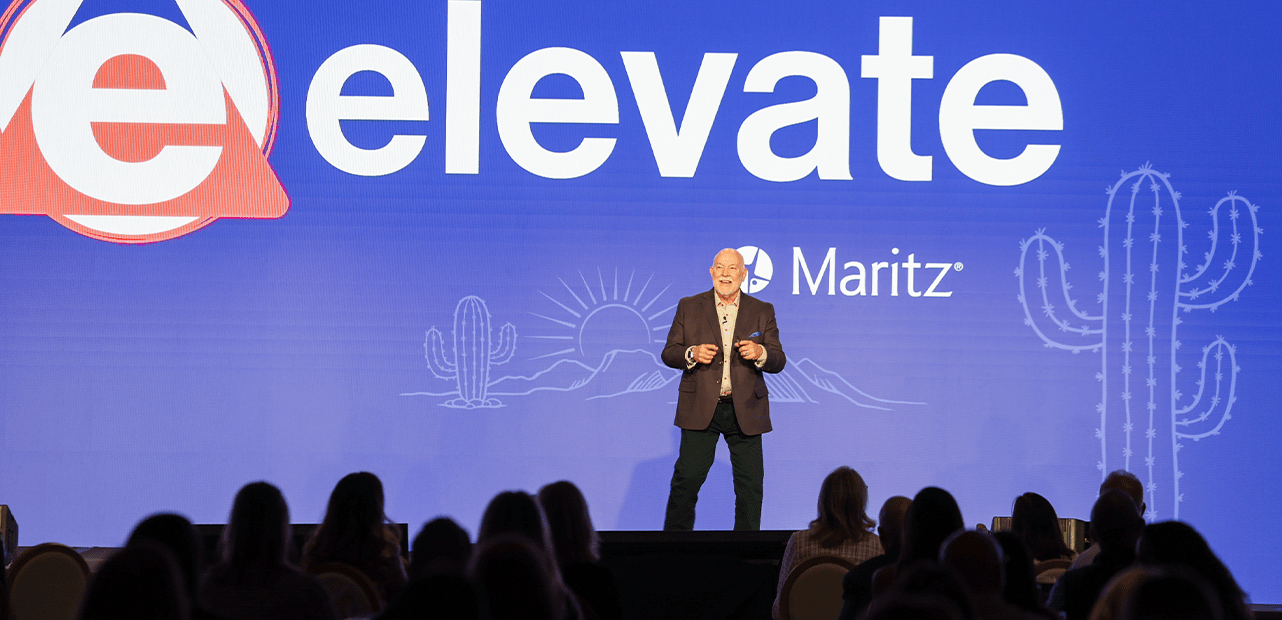
Maritz’s Elevate 2026 attains EIC’s sustainability certification
In 2021, Maritz began monitoring its footprint in an effort to become a more sustainable business events company. Since then, the organization has achieved Bronze-level certification under the Events Industry Council’s (EIC) Sustainable Event Standards for two of its events, Activate 2025 and Elevate 2026.
The more recent one, Elevate 2026, gathered more than 300 members at Fairmont Scottsdale Princess in Arizona. “Throughout this journey, we demonstrated that sustainability is not just something Maritz talks about, but something we actively embed into our event design and planning processes,” says Bridget Switzer, senior director, Design Studio at Maritz. “By measuring our impact, setting goals, creating a sustainability framework, implementing new practices and documenting our progress, we’ve fundamentally changed the way we approach events.”
Behind the Certification
To achieve Bronze certification at Elevate 2026, the organization had to meet 85 sustainability criteria items. Emma Davies, Maritz’s sustainability coordinator, says to accomplish this, they created and used standards and policies for their team and suppliers to design the event with their internal “Brand Event Sustainability Guide.”
Read More: Ditch the Labels, and Other Tips from a Maritz Event Design Strategist
“Sustainability was intentionally embedded into all aspects of planning, including every partner discussion and every banquet event order, ensuring staff and venue partners were aligned on practices such as eliminating pre-poured beverages, reducing single-use plastics, using bulk service containers and supporting waste diversion efforts,” Davies says. “We also increased guest education by communicating our certification goals and the sustainability initiatives implemented throughout our event. Behind the scenes, we educated on-site staff and implemented sustainable operating procedures within our team and the internal and external teams working with us.”
Switzer says this has created a ripple effect across the organization, with planners now having firsthand experience with how an event can create sustainable practices and can now be better equipped to discuss strategies with their clients that reduce environmental impact while maintaining an exceptional attendee experience. “Many of our planners attend these certified events themselves, allowing them to see these practices in action and understand what works,” she says.
The Event Footprint and Knowing What Works
Switzer says when they began to measure Maritz’s event footprint, there weren’t any metrics that necessarily raised alarms. “Rather, the data provided valuable insights that allowed us to make informed decisions and focus our efforts on where we could have the greatest impact,” she says.
She gives an example. “At one of our events a few hours from our headquarters, we shared transportation impact data during registration, illustrating the emissions differences associated with driving alone, carpooling and flying,” she says. “By providing guests with this information, they were empowered to make more informed and hopefully more sustainable, decisions about how they traveled to the event.”
Measurement also helped her team understand and identify the materials and activities that contribute most to event waste. She says this allows them to focus on areas where they can make the biggest impact via reduction, diversion and reuse.
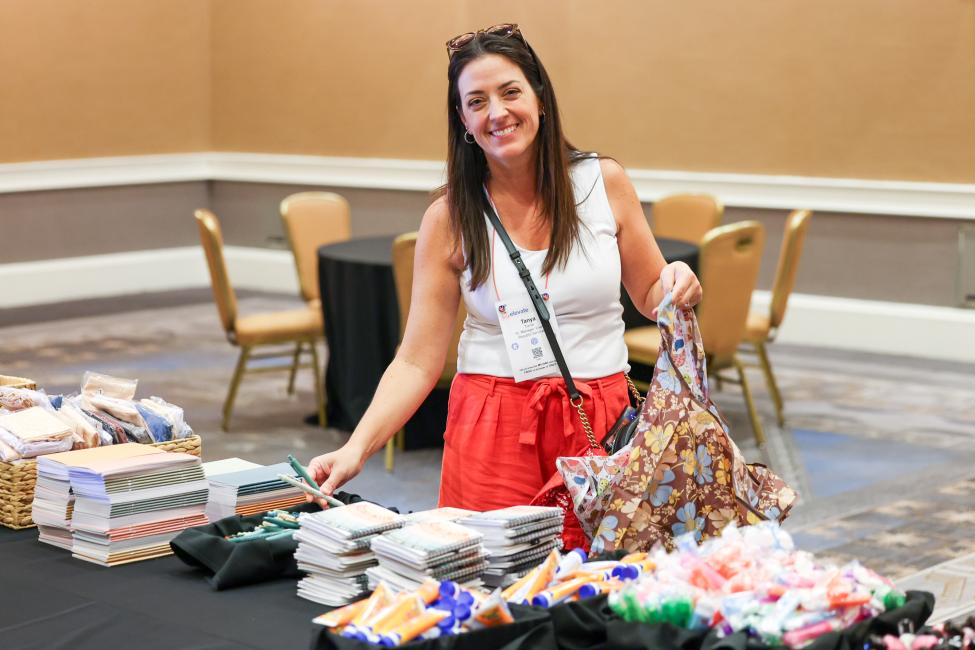
One example of understanding what works is how they’ve begun to treat event signage. Since measuring their events, the organization has reduced the amount of signage it uses. “Today, we work to donate signage, décor and event supplies to local schools, nonprofits and community organizations rather than sending them to be discarded,” Switzer says. “What started as small, data-driven changes evolved into standard operating procedures that help us reduce waste while creating a positive impact in the communities where we host our events.”
Daniel Potter, strategic events manager, says the data has made them more intentional about what they order and bring on site. “We’re more mindful about avoiding unnecessary materials and signage and instead look for opportunities to utilize existing venue resources, such as digital displays and meter boards,” he says.
In addition to event signage, Potter says they’ve begun limiting their decor to items that can be repurposed, donated, or reused across multiple events. They’re also more thoughtful about location selection, prioritizing venues that are walkable or providing on-site activities, which help reduce transportation needs.
This strategy has also worked its way into Maritz’s food operations, as they now work to avoid overordering, thus minimizing waste. They also encourage guests to bring their own reusable water bottles. Additionally, they incorporate sustainability requirements in their standard BEO language.
Potter says this includes requests to avoid unnecessary condiments, plastic utensils and pre-poured water. “Because these expectations are now built into our standard processes, they are automatically included in event planning, reducing waste while improving consistency and efficiency for our teams and venue partners,” he says.
Approaching Sustainability Together
Davies says one of the biggest lessons the team learned through the certification process is that building a sustainable event often starts with asking the right questions. Many venues, suppliers and event partners already have sustainability initiatives, donation programs and community partnerships in place, but they often can’t activate them unless a client or planner specifically asks,” she says. “We found that some of the most impactful sustainability efforts came from small conversations that uncovered opportunities we may have otherwise missed.”
Read More: Turning Surplus Into Service: How Food Rescue Strengthens Community and Sustainability
In a group setting, it can be difficult to get everyone on the same page. Switzer says this was the greatest challenge on their journey to certification. “This required foundational education for suppliers and alignment across all partners, so everyone was thinking about sustainability and working toward the same goal,” she says. “One of the reasons we created a sustainability guide was to provide suppliers with a framework and set of standards to follow when supporting our event.”
Davies drives home the point: “By establishing clear expectations early, maintaining regular communication and providing guidance throughout the planning process, we could ensure that what we decided during planning was executed on site. Once that foundation is in place, the certification journey becomes a collaborative and relatively smooth process.”
Event Credits
Hotel: Fairmont Scottsdale Princess
DMO: Experience Scottsdale, Visit Phoenix
DMC: Hello! Arizona Destination Management, Southwest Conference Planners
Event Design: PRA
Event Contractor: Heritage
Audiovisual: Encore
Caterer: Artisan by Santa Barbara Catering (Phoenix Art Museum caterer who worked with PRA)
Food Donation: Waste Not (Donated leftover food to Salvation Army following Phoenix Art Museum)