New Magazine Subscription
Renew/Update Magazine Subscription
Cancel Print or Digital Magazine Subscription
Manage Your Digital Content Subscription
Spanning 500 picturesque acres overlooking Northern Virginia’s striking Potomac River Valley, Lansdowne Resort is just 30 miles outside Washington, DC — but it feels a world away. With AAA Four Diamond accommodations and world-class amenities, it’s where teams come to unwind, share ideas and connect over 45 holes of golf, soothing wellness-geared spa treatments, mindful cuisine and more. And now it is also home to an enticing new offer.
Groups that secure a gathering of 50+ room nights at Lansdowne Resort on select dates between March and July will have access to exclusive perks. Offerings range from discounts on spa services, greens fees and teambuilding activities to suite upgrades, complimentary rooms and preferred rates on published banquet menus (excluding alcohol), AV equipment and a 15% room attrition allowance. Perks are based on the number of room nights booked: 50+ room nights are entitled to select two perks, 100+ three, and 200+ five.

A dedicated 55,000-square-foot wing of modernized meeting and event spaces provides distraction-free environments to help teams focus and reach their goals. Flexible venues span three ballrooms, a state-of-the-art amphitheater, a covered poolside outdoor pavilion and executive boardroom perfect for hosting VIPs and top-level executives.
World-class experiences abound at Lansdowne Resort. Golfers of all skill levels can enjoy rounds at The Golf Club at Lansdowne — regarded as one of the most respected private clubs in the Mid-Atlantic region. Players can tee off on the classic par-72 Robert Trent Jones Jr. Course, the Greg Norman Course, with a four-hole stretch dubbed “the hardest mile in golf,” and the Greg Norman 9-hole SharkBite Course.
At the acclaimed Spa Minérale, guests are invited to prioritize their well-being through a comprehensive menu of therapies, massages, holistic body treatments and skin care. On-site restaurants and eateries boast fresh new flavors and chef-driven menus with favorites including regional cuisine, tavern fare, fine dining bursting with the flavors of Northern Virginia’s vast locally sourced ingredients.
After agendas are done for the day, guests can unwind in accommodations encompassing the intimate haven of a deluxe AAA Four-Diamond guestroom to the replete grandeur of an opulent suite. Refined design and inspirational panoramas are paired with exquisite amenities to deliver the ultimate sanctuary. All just 12 miles from Dulles International Airport. Learn more about hosting your next group gathering at Lansdowne Resort and securing your exclusive group offering today.

On the leisure side of the industry, fees have become a standard (albeit frustrating) part of the booking experience. Resort fees, destination fees, service charges, and add-ons have become increasingly normalized as consumer decisions are typically emotionally driven and immediate. If a potential guest loves the hotel and wants to experience it, many will accept a few extra line items at check-out.
Group business, on the other hand, is purchased with a great deal of thought, not simply as a transaction. It is planned months (often a year or more) in advance: reviewed by stakeholders, scrutinized by procurement, audited by finance, and compared side-by-side against alternative options, rarely leaving room for surprises. What is considered an acceptable fee for a leisure guest can be a deal breaker for a meeting planner, especially when it scales across hundreds or thousands of attendees.
With this in mind, I am seeing a growing need for properties to rethink how they manage fees for groups—not necessarily to eliminate them but to package, explain, and apply them in a way that aligns with how groups will utilize the hotel.
The biggest tension I’m seeing is not fees themselves, but the combination of fee stacking, ambiguity, and late-stage surprises. Group planners are looking for transparency and value; any “gotcha” costs (particularly after the planner has built budgets and sold the meeting internally) can affect trust and slow decision-making. Adding in a resort fee, a service charge, admin fee, gratuity, A/V charges—the list goes on—can leave a lasting negative impression of the hotel.
Group Packages that Actually Work
The smartest operators don’t fight the fee conversation; they reframe it into group-friendly bundles that translate to value and predictability. Here are the most effective packages I’m seeing:
1. Meeting Essentials Package: A bundled rate that includes meeting room rental (or offsets it), standard A/V (screen, projector, microphones), notepads, water, and Wi-Fi. Planners want an all-in “cost per attendee” they can defend internally.
2. Connectivity Bundle: Enhanced Wi-Fi in meeting space, upgraded bandwidth, and a set number of wired drops for production. Connectivity is essential and expected today. It is now as critical as coffee…charging it a la carte feels outdated.
3. Simple A/V Bundles with Tiering: “Good/better/best” A/V packages that reduce line-item chaos (especially for general sessions). Planners fear open-ended A/V and tiers make costs predictable and faster to approve.
4. Food and beverage: Instead of waiving fees, properties offer a per person F&B credit to elevate group breaks and receptions. It protects integrity while delivering tangible value.
5. Wellness Packages: Hydration stations, reusable bottles, locally sourced items, guided wellness moments, etc. Groups will pay for purpose and a give-back.
6. All-Inclusive Offers: These are a sound option for corporate training programs and smaller conferences that align with how planners budget and compare options. This includes the space, meals, breaks, Wi-Fi, and standard A/V.
Groups require a different commercial story. To match pricing with group realities, separate the what from the why. If a fee exists to fund amenities, say so but make sure you’re highlighting how it benefits meeting attendees. Beach chairs won’t help a conference get approved, but perks like bandwidth and set-up labor will.
Additionally, groups don’t want to discover charges that were not anticipated. If something must be charged, convert it into an upfront, contractable package instead of an automatic add-on. You will also want to look at reducing the number of line items, making a planner’s internal review and approval process easier. Ten small fees look worse than one clear bundle.
Most importantly, focus on being transparent, consistent and credible. If you are upfront about all costs in the initial proposal, you’ll avoid needing the planner to rework proposals and get “reapproval.” Earlier disclosure allows you to be seen as more credible and trustworthy.
Fees aren’t going away, but the way they’re structured for groups needs to evolve. In today’s market, the winning strategy is to bundle strategically, disclose early, and make value tangible.
Because what works for leisure—emotion and spontaneity—doesn’t reliably apply to groups. Groups buy with more sophistication, analysis, stakeholders, and scrutiny. If we want more group business and better long-term partnerships with planners, you have to price and package the experience the way that meets the group needs and experience at the hotel.
—
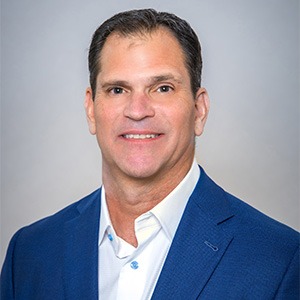
Jamie Bruce is president of Teneo Hospitality Group, a global sales organization that represents 350-plus luxury and lifestyle properties worldwide.
A 35-year hospitality veteran with former leadership roles at One&Only Resorts, Hyatt, and Hilton, Jamie champions collaborative relationships between planners and hotels.
Wondering how Winter Storm Fern could affect your upcoming flight? Airlines are already loosening the rules as snow and ice sweep across much of the U.S. Curious how far cities are willing to go to rein in overtourism? Amsterdam is openly weighing a future without ocean cruise ships. And dreaming a little bigger while planning your next incentive? A new report highlights the growing demand for safari tourism.
All of this and more awaits in this week’s Smart Travel, where we cover the latest updates shaping the way we move, meet and plan.
As Winter Storm Fern barrels across the central and eastern U.S., airlines are issuing widespread travel waivers to accommodate what’s expected to be a multi-day stretch of snow, ice and hazardous travel conditions. According to Reuters, major carriers including American, Delta, United, JetBlue and Southwest have proactively relaxed change fees and fare differences for travelers rebooking flights in affected regions.
The National Weather Service has issued winter storm warnings from New Mexico to Maine, with heavy snowfall and icy conditions threatening to snarl both air and ground travel through midweek. Airlines are encouraging passengers with upcoming travel plans to check their flight status and take advantage of flexible rebooking options.
Fern is the second major winter storm to sweep across the U.S. this January, underscoring what forecasters warn could be an especially active cold-weather season. As of early Tuesday, hundreds of flights had already been delayed or canceled. Airline operations teams are working around the clock to adjust flight schedules and keep travelers informed.
Ontario International Airport (ONT) continued its five-year streak of post-pandemic growth in 2025, welcoming more than 7.1 million passengers including a record 566,923 international travelers, a 29.2% increase over the prior year. The milestone reflects rising demand for global service and expanded nonstop routes to Latin America and Asia.
“As a vital gateway for Southern California, Ontario International Airport marked another milestone year in 2025, demonstrating our capacity to meet growing air travel demand while many California airports continued to work toward full recovery,” said Alan D. Wapner, president of the Ontario International Airport Authority Board of Commissioners. “We are particularly gratified by the growth in international travel.”
Read More: Southern California: Open for Business
ONT’s domestic passenger count topped 6.5 million, and daily flight departures grew to 90. The airport has also nearly doubled its nonstop destinations since 2016, rising from 13 to 31.
Infrastructure upgrades accompanied the growth, including two new passenger lounges, a duty-free store and refreshed dining and retail options. U.S. Customs and Border Protection also designated ONT a Landing Rights Airport in 2025, streamlining federal support and operations.
Amsterdam’s city government is weighing a significant shift in its tourism and sustainability policies by proposing a full phase‑out of ocean‑going cruise ships by 2035, according to Dutch News. The move would go beyond current limits, cutting annual ship calls from 190 to 100 by 2026 to potentially eliminate large cruise vessels from the city’s historic waterways entirely.
Officials said relocating the existing cruise terminal to a less central location would cost roughly €85 million with uncertain returns, leading the coalition government to explore a ban instead. Alderman Hester van Buren described the proposed approach as a way to deliver “clear sustainability and environmental gains” by reducing emissions and overtourism in the city center.
River cruise ships would still be permitted under tighter limits, but eliminating ocean cruises could cost Amsterdam an estimated €46 million in port and tourism taxes over 30 years, which the city hopes to offset through waterfront redevelopment. Final decisions will be made by the next municipal administration after local elections in March 2026.
Starwood Hotels has announced plans for 1 Hotel & Homes Hudson Valley, a new eco-luxury resort and residential community set in the Catskill Mountains of New York. Located on 775 acres in Ulster County, the development will feature a blend of sustainably designed hotel accommodations and private branded residences, offering immersive nature-forward experiences just under two hours from Manhattan.
Scheduled to open in 2028, the resort will include approximately 100 guest rooms and suites, while residential sales are set to begin in summer 2026. More than 500 acres of the property will be preserved as a protected nature reserve.
“At 1 Hotels, we believe that true luxury is living in harmony with nature,” said Barry Sternlicht, founder of 1 Hotels and chairman of Starwood Hotels. “With 1 Hotel & Homes Hudson Valley, we are creating a place where people will slow down, reconnect with what matters and discover the beauty of the natural world all over again.”
The property will also feature wellness spaces, nature-inspired dining, outdoor adventure access, flexible meeting venues and programming tailored to the Hudson Valley’s agricultural and artisanal communities.
Safari Frank has released a comprehensive new industry report, Luxury Safari Tourism Statistics, Market Trends & Insights, highlighting a renewed surge in demand for high‑end safari experiences as international travel rebounds and access to African destinations improves. The report emphasizes that luxury safaris are increasingly defined by exclusivity and low‑density tourism, with private conservancies and concessions enhancing wildlife viewing and privacy for travelers.
The research also points to smoother travel logistics, including easier visa processes and better flight connectivity, making multi-country safari itineraries more accessible for long‑haul visitors. With top lodges operating at limited capacity, early planning and flexibility are key to securing peak‑season dates and the best wildlife sightings, the report notes.
Cost factors such as remoteness, guide quality and lodge experience are broken down to help travelers compare value beyond headline prices, while conservation and community impact are underscored as integral components of responsible luxury safari travel. “Our report is designed to empower travelers with the knowledge they need to make informed decisions about their safari journeys,” said Safari Frank co‑founder Frank Steenhuisen.
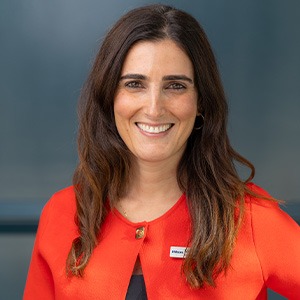
Hilton Arcadia Los Angeles announced the appointment of Nayiri Ozbardakci as director of sales and marketing. She brings 17 years of hospitality sales and marketing experience. Most recently, she served as director of sales and marketing at Courtyard by Marriott Los Angeles–Monterey Park, leading strategic initiatives and exceeding revenue targets. Previously, she held senior sales roles with Embassy Suites by Hilton Arcadia-Pasadena and Crescent Hotels & Resorts.
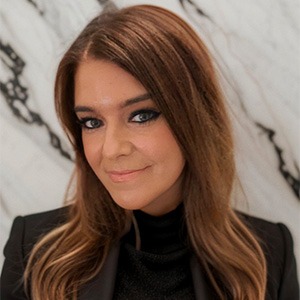
Allison Sayer has been appointed director of global sales for the luxury leisure and business travel division at Associated Luxury Hotels International. Based in New York City, she brings 20 years of hospitality and business travel experience. She previously held leadership roles at CoralTree Hospitality. Known for her client-first approach, she builds partnerships across luxury, leisure, corporate and international travel. Sayer serves on the board of Global Business Travel Association’s New York City chapter.

Brittany Jernigan Hampton has been appointed director of sales, marketing and events at Andaz West Hollywood. She brings more than 15 years of hospitality sales and marketing experience. Previously, she served as area director of sales and marketing for Hyatt Lifestyle West, supporting Wild Palms Hotel and Hotel Avante. Her background includes leadership roles with Aimbridge Hospitality and Hersha Hospitality Management.
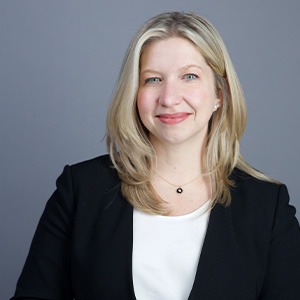
Jacque Riley has joined Convene Hospitality Group as senior vice president of brand marketing.
In this newly created role, she will lead brand architecture, strategy and marketing while guiding development of new brands under the CHG umbrella. Riley brings more than 15 years of global lifestyle marketing experience. Most recently, she served as vice president of brand marketing at Ennismore and previously held leadership roles with Kimpton Hotels and Karisma Hotels & Resorts.
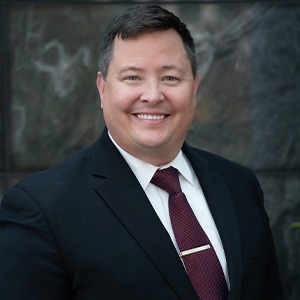
Dana Miller has been appointed director of sales and marketing at InterContinental Boston. With more than a decade at the waterfront hotel, he brings over 12 years of luxury hospitality leadership experience.
Miller previously served in senior sales roles at InterContinental Boston after early experience with Hilton Worldwide and a general manager role in Cape Cod. He has driven record revenue growth and will oversee all sales, marketing and commercial strategy for the historic property.

Destination Bryan in Texas has appointed John Friebele as the founding executive director of the advisory leadership board for 2026 by Destinations International (DI), the world’s largest and most respected association for destination organizations and professionals.
In this role, he will collaborate with tourism leaders nationwide to provide strategic insight, identify industry gaps, and support workforce development and retention initiatives. Friebele also participates in DI’s mentorship program to help develop future destination leaders. He serves as chair of the Texas Association of Convention and Visitor Bureaus and holds several industry leadership positions.

Barb McCoy has been appointed regional sales director at Velas Resorts in Mexico, reporting to Senior Global Sales Director Cynthia Kunz. She manages sales and events for the MICE industry across the central United States, covering Texas, New Mexico, Oklahoma, Louisiana, Arkansas, Colorado, Kansas, Missouri, Illinois, Iowa, Nebraska, South Dakota and North Dakota.
McCoy brings over 25 years of experience in luxury hospitality, catering, operations and travel technology, and has held leadership roles at Rosewood, Starwood Hotels and Resorts, and The Ritz-Carlton. She most recently served as senior account manager at Sabre Hospitality. McCoy also serves on the dean’s advisory council at Texas Tech University.

The Tampa Bay Sports Commission has appointed executive director of the Tampa Bay Sports Commission. A former board chair and current board member, he joins the organization from Hillsborough County Public Schools, where he served as director of athletics. Robinson has been deeply involved in Tampa Bay’s major event efforts, including multiple Super Bowls, NCAA tournaments, and the 2017 College Football Playoff Tampa Bay Local Organizing Committee. He will lead the Sports Commission’s efforts to attract and deliver world-class sporting events in the region.

Shakara Shelton has been named vice president of sales at Choose Chicago, the city’s official destination marketing organization. She brings more than 15 years of sales and hospitality leadership experience, most recently serving as a national accounts manager at Hilton. Her prior experience includes roles with Embassy Suites, InterMountain Management and Atrium Hospitality.
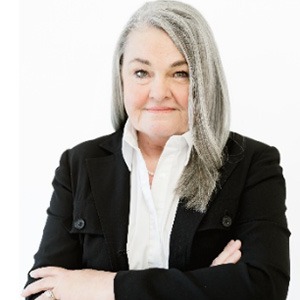
DistiNCtly Fayetteville in North Carolina has named Michelle Williams as president and CEO. She brings more than 30 years of hospitality and tourism experience in hotel sales, operations and destination leadership.
Williams joins from Newport Hospitality Group, where she served as regional director of sales and oversaw operations across multiple brands, including Marriott, IHG, Hilton, Wyndham and Choice. She has also held leadership roles with Soleil Group and Sahaj Corporation. Williams has deep local involvement in civic and industry organizations and will lead efforts to drive visitation and strengthen community partnerships.

The Westin Houston Downtown’s Director of Sales and Marketing, Aamna Manzoor brings 17 years of hospitality industry experience, having held leadership roles with globally recognized brands including Hilton, Marriott and MGM. In her role, she oversees sales strategy, marketing initiatives and revenue growth for the property. Manzoor also serves as co-chair of the Marriott Houston Business Council and is involved in Serve 360 community-focused initiatives.
Creating a community is no small thing. It requires holding literal and metaphorical space and the ability to connect people from different backgrounds around a shared interest or goal.
As a podcaster and someone who regularly writes about the importance of community in shared spaces, I understand how intentional that process has to be. Planners are often tasked with creating environments where people feel comfortable, welcomed and seen. That is why attending the PodFest Multimedia Expo in Orlando felt both energizing and instructive.
 The experience reminded me that no matter how long I have been podcasting or how much I have accomplished, I am still just one leaf on a very large tree. Around me were creators recording their first episodes alongside others who have been refining their craft for more than a decade.
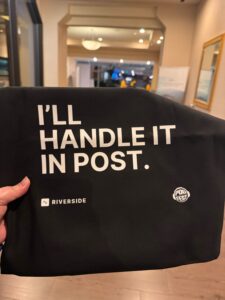
Before I even attended my first session, PodFest made its intentions clear. When I picked up my lanyard, a volunteer handed me a black bag with the words, “I’ll Handle It In Post.”
For podcasters, it is a familiar phrase. It is what you say when something goes wrong mid-recording, and you are trying to keep things moving. It is usually tossed out casually, but seeing it printed and handed to attendees made me laugh. More than that, it made me feel understood. It was a small moment, but it immediately set the tone for the experience.
No two podcasts are the same, but many of the challenges podcasters face overlap.
Questions about how to grow an audience, how to land guests and how to monetize content came up again and again in conversations throughout the event.
When conferences identify shared pain points, they do more than offer solutions from the stage. They create opportunities for attendees to connect with one another, often leading to conversations with people who are facing the same hurdles or who have already worked through them. That dynamic turns the audience itself into an extension of the programming and allows learning to continue well beyond scheduled sessions.
Like most conferences, the event app served as a key tool for navigating PodFest. Features that made it easy to move between a personalized schedule and the full event lineup helped remove friction and decision fatigue.
What stood out most, though, was how the app and its discussion features encouraged organic meetups. Throughout the event, I saw small groups of people, many of them strangers just days before, gathering around tables to talk through shared podcast challenges, trade advice and compare notes.
When planners give attendees the tools to connect on their own terms, it reinforces not only the importance of community but also the value of giving attendees the agency to create those connections themselves.

Some of the biggest takeaways from PodFest include:
PodFest offers a clear example of what happens when planners listen closely to what attendees want to learn and pair that insight with speakers who provide meaningful, practical guidance.
Just as important, the event creates space for attendees to form their own micro-communities within the larger experience. That approach reflects an understanding that some of the most valuable connections happen naturally, without being forced or over-programmed.
In a crowded conference landscape, PodFest serves as a reminder that when people feel seen, they are far more likely to engage, share and return.
For Mark Bice, becoming a planner was never a straight line. It was a long walk through kitchens, ballrooms, back hallways and boardrooms—each stop adding another layer of perspective that now defines his leadership style.
Bice, director of meetings and education for the Optometric Vision Development and Rehabilitation Association (OVDRA), didn’t set out to become a meetings professional. Growing up in Geneva, New York, he once imagined a future in dentistry, inspired by an uncle in the field. But as the reality of years of schooling set in, Bice gravitated toward something more hands-on and more immediate—hospitality.
That decision launched a career that would touch nearly every corner of the events ecosystem. He started where many industry veterans do—as a dishwasher in high school—then moved steadily through roles as a busser, event waitstaff member and catering manager. From there, he transitioned into club management, hotel general management, sales, site selection, and ultimately, association meeting planning.
“I can’t express how important it is to be a successful planner by knowing what others experience,” Bice says. “You can speak their language, feel their pain and communicate your own struggles in a way that actually creates solutions.”
That operational fluency is now one of his defining strengths. Bice understands what happens behind the scenes because he’s lived it—and that makes him a formidable advocate at the negotiation table and a steady presence onsite. He’s learned when a “no” is legitimate and when it’s simply the most straightforward answer, and he isn’t afraid to push—firmly but professionally—when it matters most.
Today, based in Chagrin Falls, Ohio, Bice leads meetings and education strategy for a medical association environment where credentials, credibility and precision are paramount. Earning his Certified Meeting Planner (CMP) designation more than 15 years ago marked a professional turning point. He first learned about the designation during his hotel years, when colleagues pursued it with employer support. Later, when he transitioned into site selection and association work, he saw firsthand how much weight those three letters carried.
Read More: Ohio: Mug Making and Bleisure Opps
“The CMP gave me an edge,” he says. “I know it played a role in getting my current position.”
That belief hasn’t faded. If anything, it has strengthened. Bice views the CMP as a must-have for planners in high-visibility, high-responsibility roles and says he would require it when hiring for such positions. In a crowded industry, he believes the designation signals not just knowledge, but commitment—to standards, ethics and continuous growth.
In 2025, Bice took that commitment a step further by earning his CMP Fellow designation. Working within a medical association helped him fully understand what “Fellow” really means—not status, but service.
“To me, it designates someone with extensive experience and the responsibility to help others,” he says.
Mentorship is where that philosophy comes to life. Bice has served multiple times as a mentor to graduate students from San Diego State University, a role he finds deeply fulfilling. The industry his mentees are entering looks nothing like the one he came up in—where marathon workweeks were worn as a badge of honor—but that contrast is precisely why he believes guidance matters now more than ever.
His advice to CMP Fellows considering the path is blunt and refreshingly honest: Don’t do it for the letters. Do it only if you plan to share what you’ve learned.
Beyond credentials, Bice is known for his calm, measured approach onsite. In an industry defined by variables, he likens the planner’s role to that of a “field general”—directing the flow in real time while keeping the larger strategy intact. It’s a mindset shaped by experience and sharpened by adversity.
And adversity, as any seasoned planner knows, is unavoidable.
Bice has seen it all: keynote speakers canceling at the last minute, award plaques vanishing seconds before presentations, wedding cakes dropped en route to the dance floor, power outages, strikes, renovation surprises and more than a few “palmetto bugs.” He laughs about it now, but each moment reinforced the same lesson—grace under pressure isn’t optional. It’s the job.
On event days, his fuel of choice is simple: water and “easy BEOs.” Communication, especially with a small staff, is everything. Frequent check-ins and mutual trust keep everyone aligned, even when no one can see the whole picture. When an event ends successfully, Bice’s ritual is equally understated: share feedback with hotel partners, then enjoy a well-earned beverage on the flight home.
Away from work, he’s a devoted live-music fan who has attended more than 100 Dave Matthews Band concerts—a fun fact that hints at his appreciation for rhythm, flow and improvisation, all qualities that translate seamlessly into great event design.
Looking ahead, Bice finds inspiration in the industry’s constant evolution. “You’d think we would have conquered every possible scenario by now,” he says. “But we haven’t—and that keeps things interesting.”
It’s that blend of curiosity, experience and commitment to others that defines Bice’s career. From the dish pit to the boardroom, he has built a professional life rooted in respect for every role, a belief in lifelong learning, and a quiet confidence earned the hard way—one event at a time.
Sonesta International Hotels Corporation has firmly established itself as one of the most dynamic growth stories in hospitality over the past several years. The brand went from 50 to 300 hotels overnight in March 2020, when its parent company, Service Properties Trust, rebranded many hotels as Sonesta properties. This expansion included converting hotels from brands such as Marriott, IHG and Wyndham into Sonesta properties. Now the eighth-largest hotel company in the U.S., Sonesta operates more than 1,100 properties across 13 distinct brands in 10 countries.
The company’s expansion strategy has relied on franchise growth, brand diversification and strategic conversions, adding thousands of rooms annually. In the second half of 2024 alone, Sonesta added 37 franchised hotels and more than 3,300 rooms. In early 2025, Sonesta continued that trajectory, executing 31 new franchise agreements and opening 10 hotels, contributing nearly 1,000 rooms across its portfolio.
This pace is part of a deliberate effort to provide developers and owners with brand flexibility that matches local market demands, while strengthening Sonesta’s presence in key U.S. and international destinations. From mid-scale extended-stay properties to upper-upscale full-service hotels, Sonesta’s growing footprint now offers meeting planners a broader selection of venues suited for business and events of all sizes.
Read More: Destinations International: Meetings Business Is More Important to Cities Than Ever
Sonesta’s portfolio is broad by design: a mix of full-service luxury properties, lifestyle brands, extended-stay offerings, focused-service hotels and economy options.
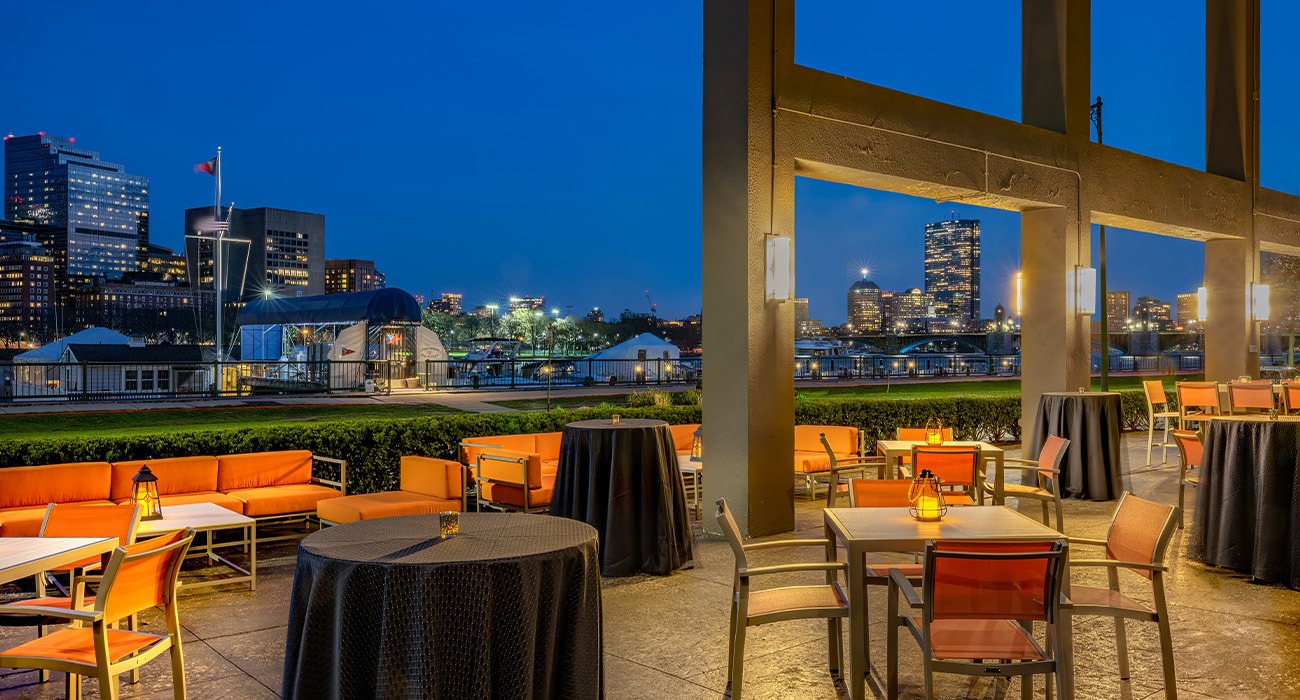
Royal Sonesta: The crown jewel of the portfolio, Royal Sonesta properties deliver full-service amenities, significant meeting space and destination appeal. These hotels are ideal for corporate conferences, large group events, incentives and multi-day programs because they often offer ballrooms, breakout rooms, advanced AV and on-site catering. Locations such as Royal Sonesta Chicago River North and Royal Sonesta New Orleans exemplify the brand’s flagship market presence.
Sonesta Hotels, Resorts & Cruises: This brand blends full-service hospitality with lifestyle elements, making it suitable for both business and leisure groups. Resorts under this banner often provide significant indoor/outdoor event spaces, team-building options and memorable backdrops for incentive groups. Ships cruise the Nile River.
The James Hotels: A lifestyle-oriented brand that appeals to planners seeking contemporary design and experiential venues for executive retreats, client entertainment or small and mid-sized meetings. These properties balance urban ambience with event functionality.
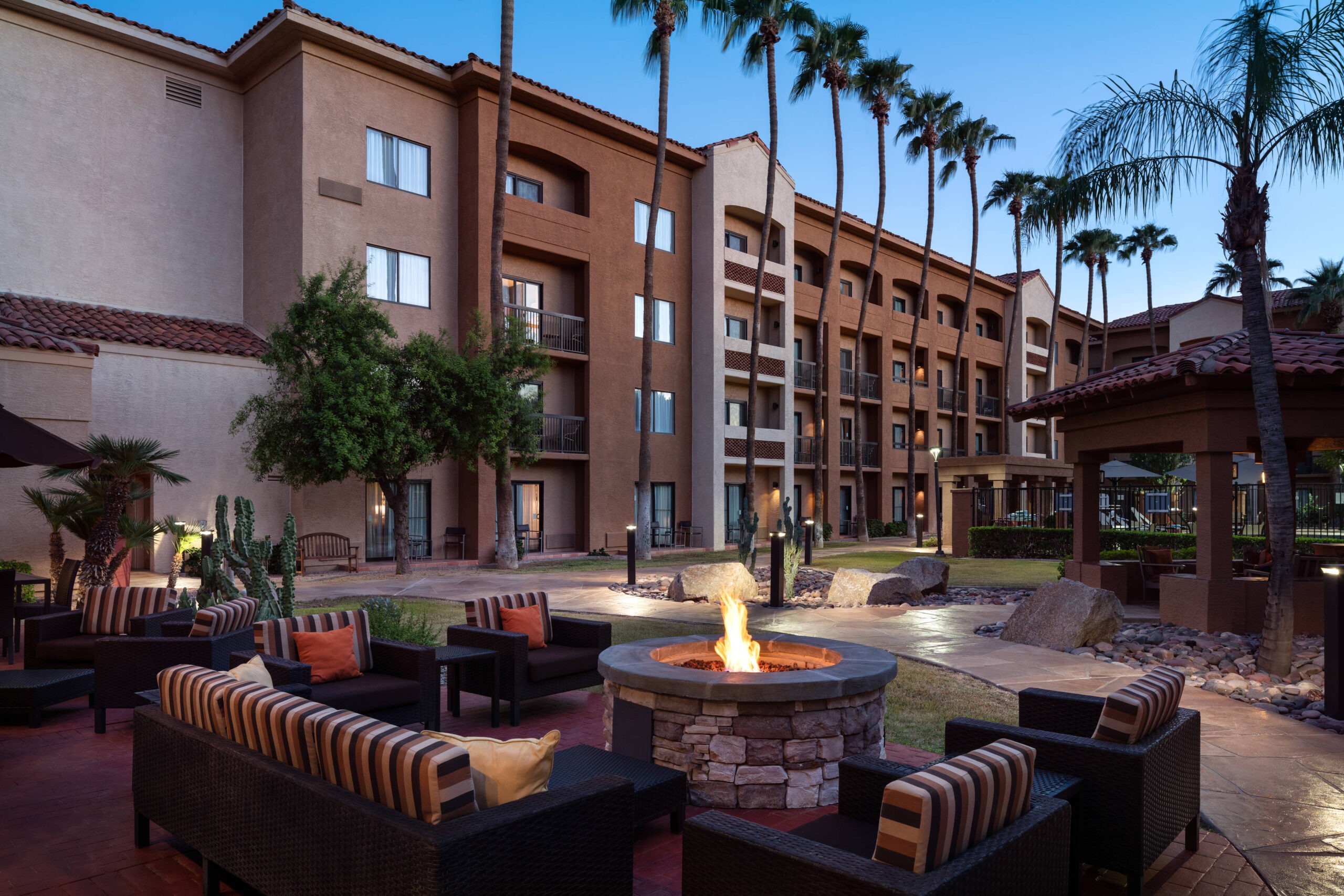
Sonesta Select: Positioned as an upscale focused-service brand, Sonesta Select is expanding rapidly across business corridors and secondary markets. While not designed for large conferences, these hotels often provide flexible meeting rooms, business centers and spaces suitable for regional training sessions, board meetings and team summits.
Classico Collection by Sonesta & MOD Collection by Sonesta: These soft brands within the Sonesta family allow unique independent hotels to maintain their character while benefiting from Sonesta’s systems and loyalty program. Planners seeking boutique or locally inspired venues with flexible event space and strong food-and-beverage options should explore these collections.
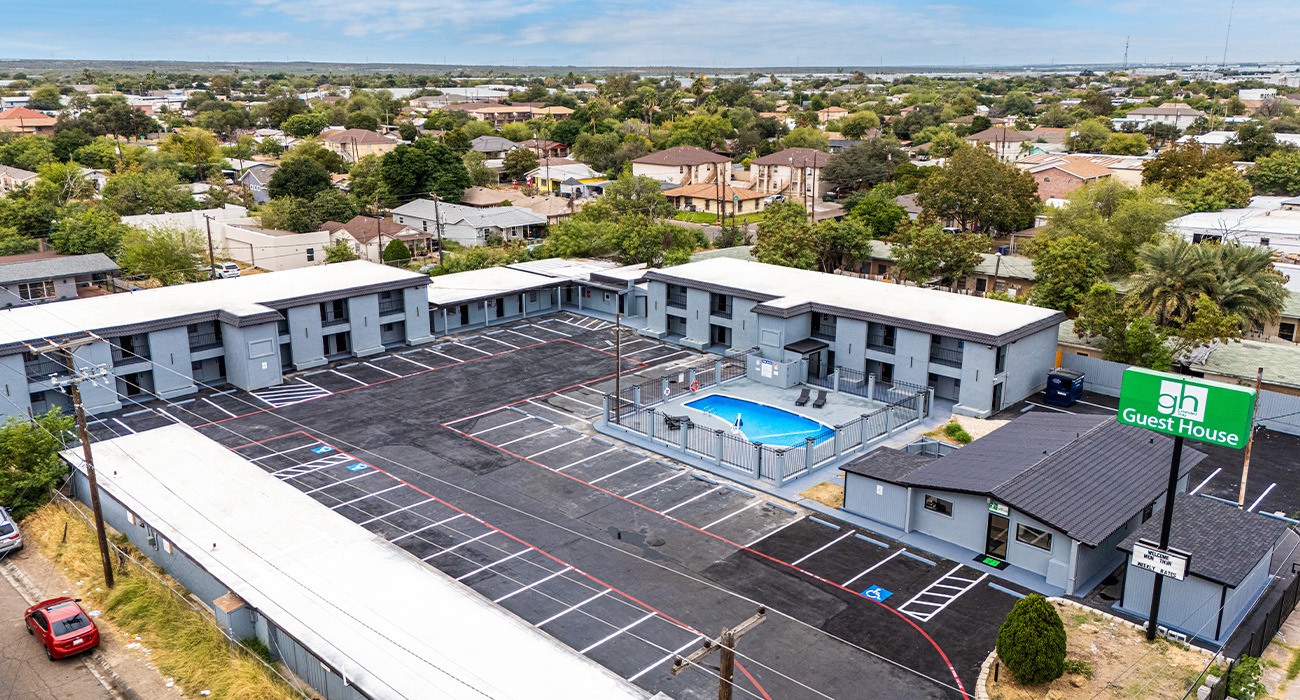
Sonesta Extended-Stay Suites & Sonesta Simply Suites: Ideal for extended-stay business travel, long projects and residential group needs, these properties offer spacious suites with kitchenettes, comfortable common spaces and meeting “touchdown” areas. While not traditional meeting venues, they support group travel logistics and overflow needs.
Read More: The Continued Rise of the Extended-stay Hotel
Sonesta Essential Hotels: A mid-scale brand with essential services and efficient layouts, Sonesta Essential properties are a pragmatic choice for affordable blocks in secondary markets. These hotels offer smaller meeting rooms, making them ideal for regional training sessions, small team gatherings or executive briefings.
Sonesta has differentiated itself with industry-specific credentials. In 2025, the company partnered with Meeting Professionals International (MPI) to become the first major hotel brand with HMCC Verified Venues across its full-service portfolio—a meaningful credential for planners in healthcare and regulated industries who demand compliance standards in site selection.
In a recent interview, Brian Macaluso, vice president of global sales at Sonesta, said, “Through this partnership with MPI, we trained our staff across Sonesta full-service properties to give them the expertise necessary to host compliant and seamless medical meetings.”
For meeting planners, Sonesta’s expanding brand roster means greater geographic and segment coverage—from luxury urban conferences to extended-stay staff housing, from boutique lifestyle gatherings to compliance-verified medical meetings. Its loyalty program, Sonesta Travel Pass, further enhances value by allowing planners and attendees to earn and redeem points across most brands.
In an industry where flexibility, space diversity and brand support matter, Sonesta’s growth strategy and portfolio depth make it a compelling partner for planners designing meetings in established hubs and emerging markets alike.
New year, new rankings, records and revamps across the travel landscape. Whether you’re planning around peak season or leaning into offbeat shoulder escapes, this week’s updates offer inspiration and insight for what’s trending now (and what’s coming next).
Thinking about where to meet in 2026? TripAdvisor just dropped its Travelers’ Choice Awards, revealing the year’s most loved destinations around the world, from global icons to emerging hot spots.
Curious how alpine travel is evolving? Chalets in Switzerland are heating up outside ski season, with MBM Chalets’ newest opening showing why summer in the Alps is gaining serious momentum.
Wondering who’s setting the bar for aviation safety? AirlineRatings just revealed the numbers.
All of that and more in this week’s Smart Travel, where we catch up on the latest must-know headlines shaping the way we move, meet and plan.
TripAdvisor has unveiled its Travelers’ Choice Awards for 2026, recognizing the world’s favorite places to visit based on millions of reviews and ratings from real travelers over the past year. The Best of the Best destinations honor top spots across the globe that consistently deliver unforgettable experiences and strong traveler sentiment.
At the top of this year’s list is Bali, Indonesia, celebrated for its lush landscapes and coastal charm, while perennial favorites like New York City, London, Dubai, Paris, Rome and Bangkok also rank among the world’s most sought‑after travel destinations.
The awards span more than 270 destinations across 60 countries and include trending locations capturing increasing interest for 2026 travel. Spots like Madeira, Portugal, known for dramatic scenery and outdoor adventure, are singled out as under‑the‑radar escapes gaining momentum with today’s travelers.
The classic alpine chalet is getting a seasonal refresh. In Switzerland’s La Tzoumaz region (4 Vallées), demand for private chalet stays is heating up, well into summer and shoulder seasons, as travelers embrace a slower, scenery-first way to experience the Alps. MBM Chalets is part of this shift, with properties like the newly unveiled Chalet Hobhouse offering families and groups panoramic views, en-suite bedrooms and open living spaces built for gathering.
Founder Matthew Burnford says changing weather patterns and a rising appetite for nature-forward travel are fueling this evolution. “More guests are realizing the magic of the Alps isn’t limited to powder days,” he said. “Chalet stays offer freedom, privacy and connection—whether you’re hiking in June or skiing in January.”
The move also reflects broader hospitality trends, as multigenerational groups and social travelers seek flexible, design-forward alternatives to hotels. With Verbier and other mountain villages seeing year-round bookings climb, chalet living is proving to be more than just a winter indulgence.
Discover Puerto Rico reported a record-breaking 2025 across every major tourism indicator, welcoming more than 6.8 million air passengers, 1.6 million cruise visitors and nearly 7.9 million room nights booked. The island also hit an all-time high for hospitality jobs (102,300) and group business, with MICE bookings contributing $207 million to the local economy.
The momentum was fueled by landmark moments in music and sports, plus the long-anticipated opening of Four Seasons Resort Puerto Rico and other luxury hotel investments. Discover Puerto Rico’s initiative, such as sensory wellness content with Calm and responsible travel campaigns with Kiké Hernández and Amaury Nolasco, deepened the island’s global cultural reach.
“Puerto Rico’s power lies in its rhythm—the fusion of history, culinary brilliance and cultural energy that makes the island feel at once like a sanctuary and a celebration,” said Storm Tussey, CMO of Discover Puerto Rico.
Looking ahead to 2026, the DMO is preparing new marketing campaigns and welcoming major events like the World Baseball Classic and PCMA’s Business Events Summit.
AirlineRatings.com has announced its annual Top 25 lists for the world’s safest full-service and low-cost airlines, with Etihad taking the No. 1 spot for the first time among full-service carriers and HK Express leading low-cost operators. The rankings assess 320 airlines and reflect a growing emphasis on turbulence prevention, cockpit safety and transparency.
Etihad edged out other Gulf and Asia-Pacific heavyweights thanks to its young fleet, advanced safety protocols and lowest-in-class incident rate. STARLUX and Fiji Airways made their debut on the full-service list, while Singapore Airlines returned after being omitted in 2025. Other top performers include Air New Zealand, Emirates, Virgin Australia and Korean Air.
Among low-cost carriers, the list was topped by HK Express, followed by Jetstar, Scoot, EasyJet, Southwest and airBaltic. Spring Airlines China became the first mainland Chinese airline to make any of AirlineRatings’ global safety lists, with strong gains also seen from Wizz Air and VietJet.
“Less than four points separated the top 14 full-service carriers—so the margins are incredibly tight,” said Sharon Petersen, CEO of AirlineRatings. “Inclusion in these rankings is less about splitting hairs and more about recognizing consistent, system-wide excellence in aviation safety.”
Azamara Cruises is embarking on its most ambitious investment in onboard experience in company history with the launch of Azamara Forward, a comprehensive fleetwide enhancement initiative designed to elevate the small-ship cruise line’s signature Destination Immersion experience.
Set to debut aboard Azamara Quest in December 2026 ahead of the line’s 2027 World Cruise, Azamara Forward introduces an expansive suite of upgrades across public spaces, accommodations and culinary offerings. Highlights include a new Penthouse Deck featuring Panorama and Grandview suites with panoramic ocean views, plus refreshed staterooms and communal venues.
Onboard enhancements extend fleetwide and include a dedicated Chef’s Table restaurant, a reimagined Discoveries Restaurant, an expanded Atlas Bar and a fully redesigned Cabaret Lounge, along with updated spa treatment rooms and refreshed guest spaces. According to Azamara Cruises CEO Dondra Ritzenthaler, the program reflects years of listening to guests and travel partners and aims to “deepen destination immersion, elevate comfort and create even more meaningful moments at sea.”
This year, hotels and resorts are blending innovation with celebration, unveiling new openings and renovations that enhance guest experiences.
Apiary Hotel debuted in South Denver with residential-style suites and flexible gathering spaces. Hyatt Centric Delfina Santa Monica completed a $16 million transformation, including rooftop meeting space and a new restaurant. Grand Hyatt Kauai added luxury cabanas, while Hyatt Regency Coconut Point marks 25 years with a refreshed spa. Globally, Ennismore expanded its lifestyle portfolio, emphasizing design-driven, socially connected spaces.

Apiary Hotel has opened earlier this month at Belleview Station as South Denver’s first lifestyle extended-stay hotel within the Marriott Bonvoy portfolio. The 175-suite property combined residential-style accommodations with flexible spaces designed for gathering and connection.
A key feature of the hotel was its focus on meetings and events, anchored by the 900-square-foot Nectar Room. Designed for small conferences, receptions and private celebrations, the space offered multiple layout options to support everything from executive meetings to cocktail-style events. Additional public areas throughout the hotel provided natural settings for informal networking and social interaction.
Situated in Denver Tech Center’s walkable Belleview Station district, Apiary offers easy access to light rail, entertainment and outdoor recreation.
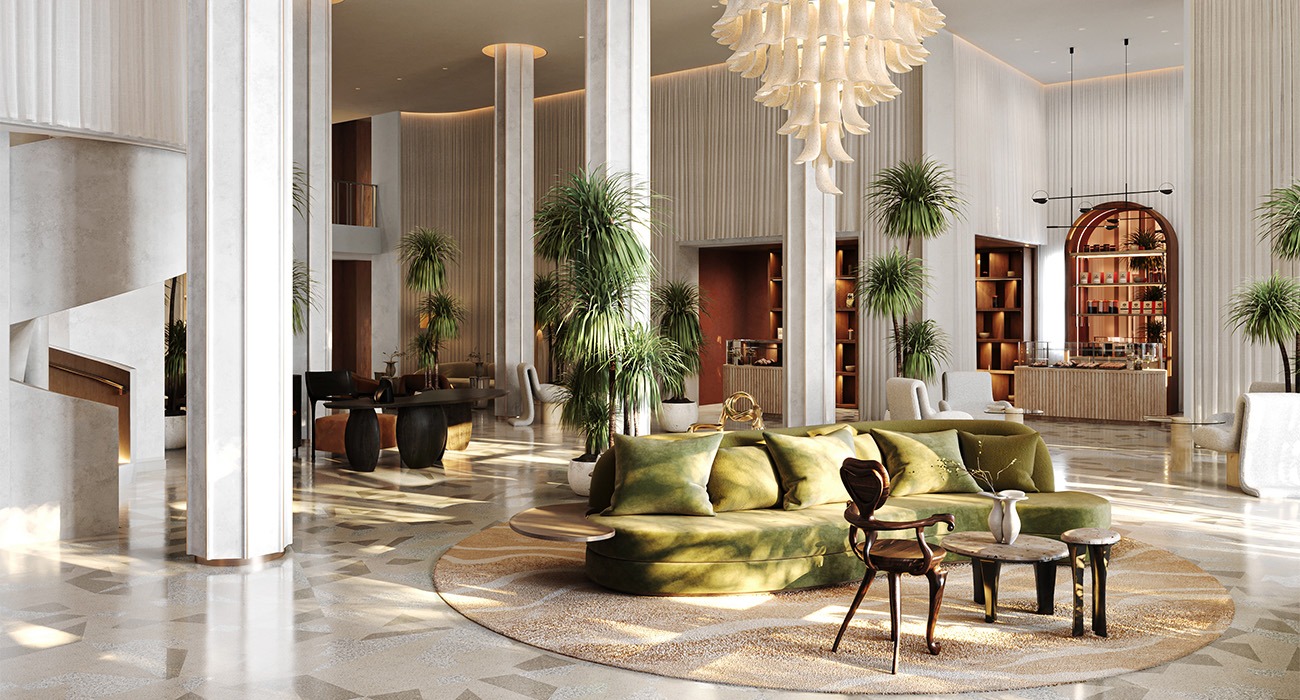
Ennismore marked a major milestone in 2026, unveiling a global lineup of openings as it surpassed 200 hotels worldwide, more than doubling its portfolio in four years. The lifestyle hospitality group expanded across the Americas, Europe, Africa and Asia-Pacific, with new hotels, resorts and dining destinations reinforcing its design-led, socially driven approach.
In the Americas, Delano Miami Beach reopened with 171 guest rooms and suites, enhanced by event-ready public spaces and multiple dining and bar concepts curated by Paris Society. Mexico City welcomed the market debut of Hyde Reforma and Mama Shelter Roma Norte, both offering flexible meeting rooms and social spaces for business and private events. Across other regions, Ennismore introduced new properties in London, Lake Como, Cape Town, Paros, Mumbai, Perth and Bali, while Rixos expanded with large-scale resorts designed for group gatherings, celebrations, and entertainment-driven experiences.

Grand Hyatt Kauai Resort & Spa introduced new cabana breakout options in early 2026, expanding its poolside offerings for groups at the 605-room oceanfront resort overlooking Keoneloa Bay. The addition included large, bungalow-style wood cabanas designed for small gatherings, presentations, and relaxed receptions outside traditional meeting spaces.
The new Na Aliʻi Grand Hale Cabanas provided a private, villa-style setting on the resort’s 1.5-acre saltwater lagoon, accommodating up to 10 guests with beach access, shaded seating, a 55-inch television and customizable privacy features. Additional Deluxe Cabanas at both the adults-only and activity pools accommodated four to six guests and included dedicated poolside service.
These cabana experiences complemented the resort’s extensive meetings portfolio, which featured more than 34,000 sq. ft. of indoor and outdoor event space, including the Grand Ballroom, Kauai Ballroom and multiple oceanfront gardens. On-site audiovisual support and a full-service business center further supported group and conference needs.
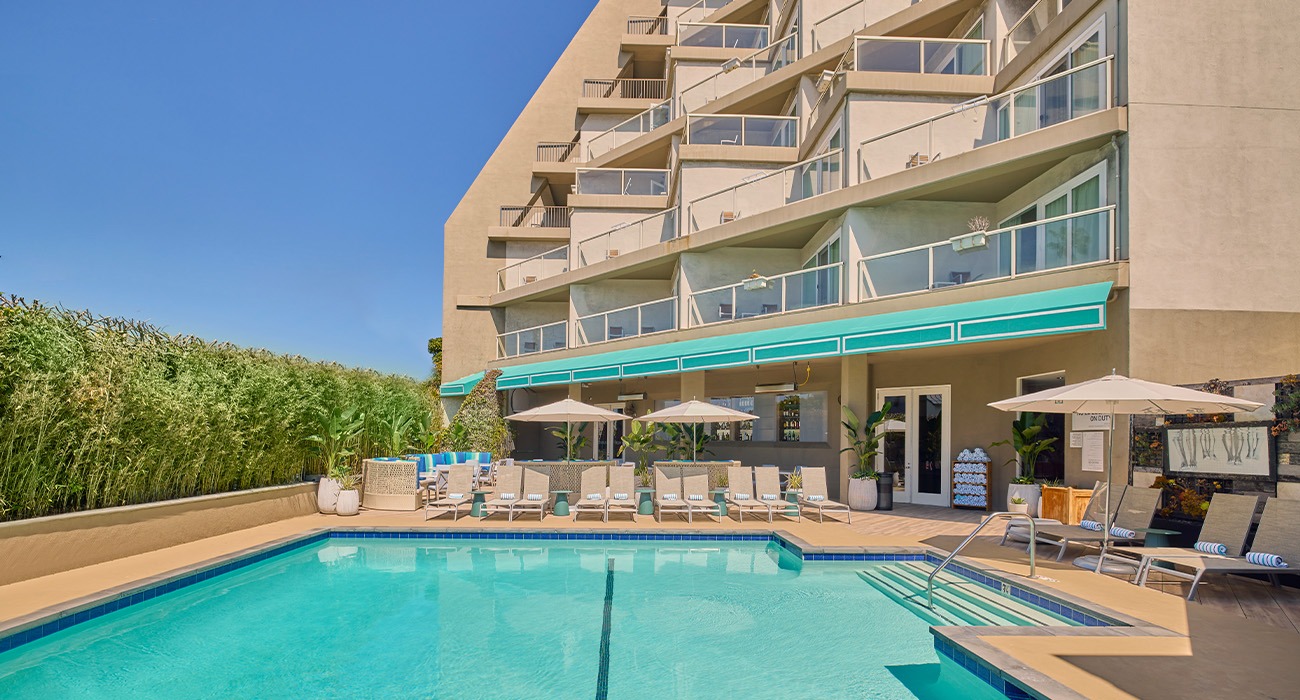
Hyatt Centric Delfina Santa Monica has completed a $16 million renovation redefining coastal California hospitality. The redesign updates all 315 guest rooms with contemporary décor, plush bedding and private balconies offering ocean, mountain, city or pool views. Seven exclusive Sunset Suites feature oceanview balconies with whirlpool tubs.
The property introduces 15,000 sq. ft. of versatile meeting and event space, including the 4,526-square-foot rooftop Delfina Ballroom and Sandbox, a 500-square-foot game-room-style venue designed for team building and networking. Coastal Harvest Bar & Kitchen opens as an all-day dining destination serving California-inspired cuisine with locally sourced ingredients, while the lounge offers handcrafted cocktails and a vibrant social scene for guests and the Santa Monica community.
Centrally located on Pico Boulevard, the hotel provides walkable access to Santa Monica Pier, beaches, shopping, dining and Silicon Beach. Amenities include a heated saltwater pool, fitness center and complimentary beach cruiser bicycles. The property blends modern design, coastal energy and thoughtful hospitality for leisure and corporate travelers alike.

Hyatt Regency Coconut Point Resort & Spa is marking its 25th anniversary in 2026. Since opening in September 2001, the resort has offered guests a range of experiences, from a private island and water park to locally inspired cuisine and world-class accommodations.
To commemorate this milestone, the resort is completing the final stage of its full property transformation with the upcoming renovation of the Stillwater Spa. Scheduled for mid-2026, the refreshed spa will feature expanded treatment spaces, updated design and luxurious new amenities, complementing recent upgrades to guest rooms, dining venues and meeting spaces.
