Natalia Arbelaez

Natalia Arbelaez

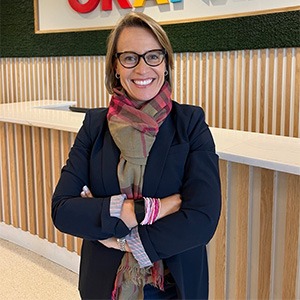
OKANA Resort & Indoor Waterpark in Oklahoma City has appointed Natalia Arbelaez as its first director of partnerships. Arbelaez will lead the resort’s partnership strategy by cultivating local and national brand relationships to enhance guest experiences. With a focus on creative activations across the 390,000-square-foot complex, she aims to strengthen community ties. Leadership notes that her strategic vision will be pivotal as OKANA evolves into a premier destination for immersive hospitality.

Teresa Higa
Teresa Higa

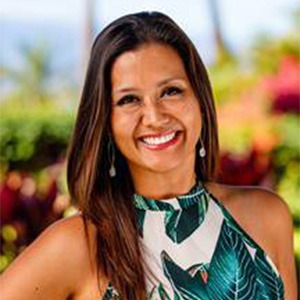
Hyatt Regency Maui Resort and Spa has promoted Teresa Higa to director of group and leisure sales. Since joining the 810-room property in 2021, Higa has driven significant leisure and transient sales growth. In her expanded role, she will lead the group sales team while continuing to manage leisure initiatives. With a background at Andaz Maui and expertise in international markets, Higa is tasked with elevating guest experiences as the resort celebrates its 45th anniversary.

Melissa Arreola
Melissa Arreola

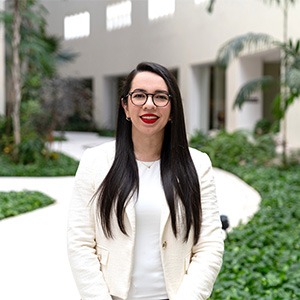
Velas Resorts has promoted Melissa Arreola to senior regional sales director for the Northeast United States. A decade-long veteran of the brand, Arreola has been instrumental in expanding the company’s presence within the luxury meetings and incentives sector. In her expanded role, she will lead strategic initiatives to deepen corporate relationships across this vital market. Leadership praised her integrity-centered approach and commitment to delivering seamless, high-touch experiences for global clients.

Andrea Puizina
Andrea Puizina

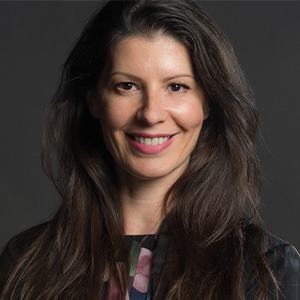
Sofitel New York has appointed Andrea Puizina as director of sales and marketing. With 19 years of international experience, Puizina will oversee revenue strategy and brand positioning during the hotel’s relaunch as the Sofitel U.S. flagship. Having worked across five countries, she brings multicultural expertise to the 398-room property following its recent renovation. Leadership highlighted her visionary approach and proven ability to drive growth within the competitive Manhattan luxury market.

Alyssa Turowski
Alyssa Turowski

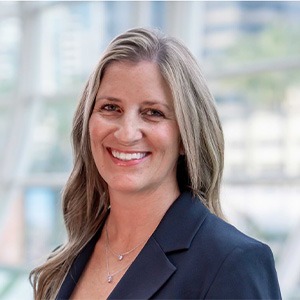
San Diego Convention Center has named Alyssa Turowski as chief of hospitality and client experience. With over 20 years of experience, including roles as general manager at Hilton La Jolla Torrey Pines and Westin San Diego, Turowski will oversee operations and event execution. She will also serve as the primary liaison with San Diego Tourism Authority. Her leadership is key as the facility enhances service standards during a period of significant capital investment.

Jennifer Selley

Jennifer Selley

PRA has appointed Jennifer Selley as regional vice president for the Southeast to accelerate strategic expansion in the region. Based in Orlando, Selley brings 15 years of experience across hotels and tradeshows to oversee regional operations and market development. A certified industry leader and 2025 Smart Women in Meetings Award winner, she will join PRA’s business management team. Her focus includes scaling regional operations and strengthening partnerships for the destination management leader.

Paul Maddison
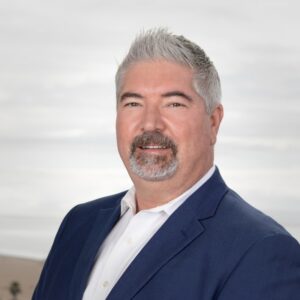
Paul Maddison

The Meritage Resort and Spa has named Paul Maddison as Managing Director. Maddison, a luxury hospitality veteran, will lead operations and a team of 600 at the premier wine country destination. Formerly with Pacific Hospitality Group and Loews Hotels & Co., he brings decades of experience to the role. His vision includes expanding the property’s live music series and creating new food and wine experiences. He is joined in Napa by his mini bernedoodle, Maggie, as an advocate for dog rescue.

Jean Schulte
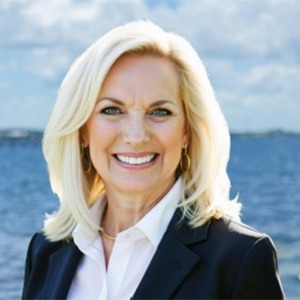
Jean Schulte

Sunseeker Resort Florida Gulf Coast has appointed Jean Schulte as executive director of resort sales. A luxury hospitality veteran with 30 years of experience, Schulte joins the executive team to lead group sales strategy and accelerate performance for the Curio Collection by Hilton property. Previously with Waldorf Astoria Monarch Beach, she specialized in the corporate and incentive marketplace. Schulte will now oversee resort-wide sales efforts and strategic growth for the 785-room waterfront destination and its 60,000 sq. ft. of convention space.
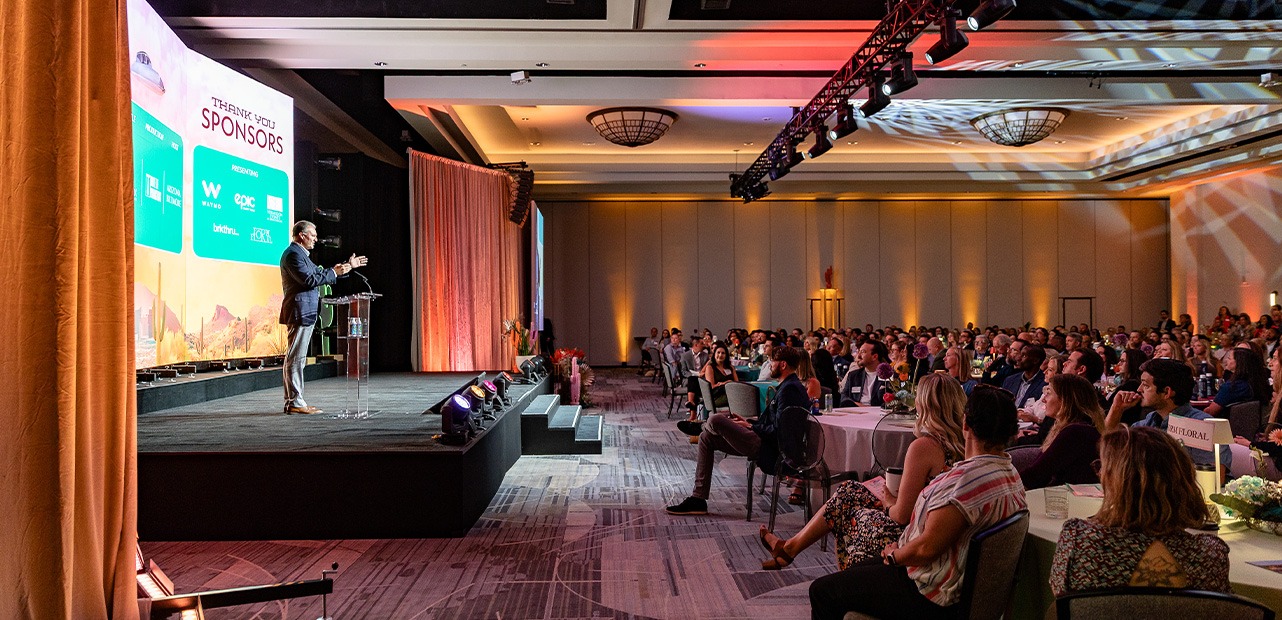
Our Annual Meeting is one of the most important moments for Visit Phoenix to engage with our stakeholders.

It’s where we step back and tell the story of the past year. It’s part state-of-the-organization address, part networking event, and part learning experience. Like any live event, it’s where the unexpected pops up—because no matter how prepared you are, last minute changes can happen.

A speaker revises their remarks the night before. A data point gets updated hours before doors open. The mayor’s remarks run long in rehearsal. An executive wants to tweak the tone of an intro. The question isn’t whether things will change, but rather how you manage those changes without creating confusion, stress or mistakes on show day.

Over the years, we’ve learned that success isn’t about avoiding last-minute changes. It’s about building a workflow that can process them and keep the team aligned.

The Intent Behind the Annual Meeting

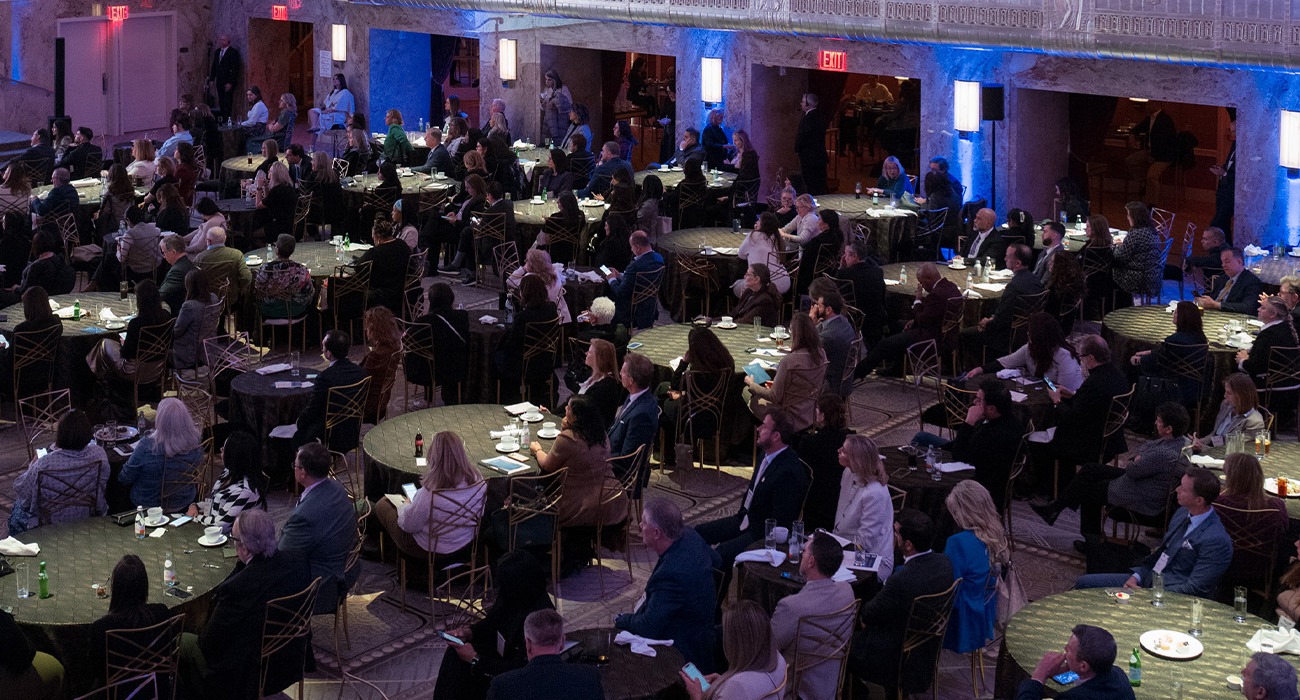
People in ballroom

Our Annual Meeting is an opportunity to share the story of Visit Phoenix’s work over the past year; how our teams support tourism, conventions, major events and economic impact across the destination. This means pulling together content from across departments and translating complex work into a clear, compelling narrative for our members.

Second, it’s about connection. Our members don’t just come to listen; they come to engage with one another, build relationships and feel part of a larger community.

Read More: Building Connection in a Distracted World

And finally, there’s always an educational component. Whether it’s insights into industry trends, destination development, or a guest speaker offering a fresh perspective, we want attendees to leave with something they didn’t know when they arrived.

Balancing all three requires careful coordination.

How Long Planning Really Takes

While the event itself may only last a few hours, planning starts months in advance.

We typically begin with high-level goals and messaging, then move into content development. Department heads contribute updates and data. Our corporate communication team helps shape the narrative. Leadership, including our CEO and other executives, plays a central role in defining tone and priorities. External or guest speakers are often added later in the process.

As the event approaches, content becomes more detailed and more interconnected. Scripts, talking points, visuals, timing, and transitions all need to align. And because multiple people are responsible for different pieces, the risk of version confusion grows quickly if everything isn’t carefully managed.

Who’s Involved (and Why It Matters)

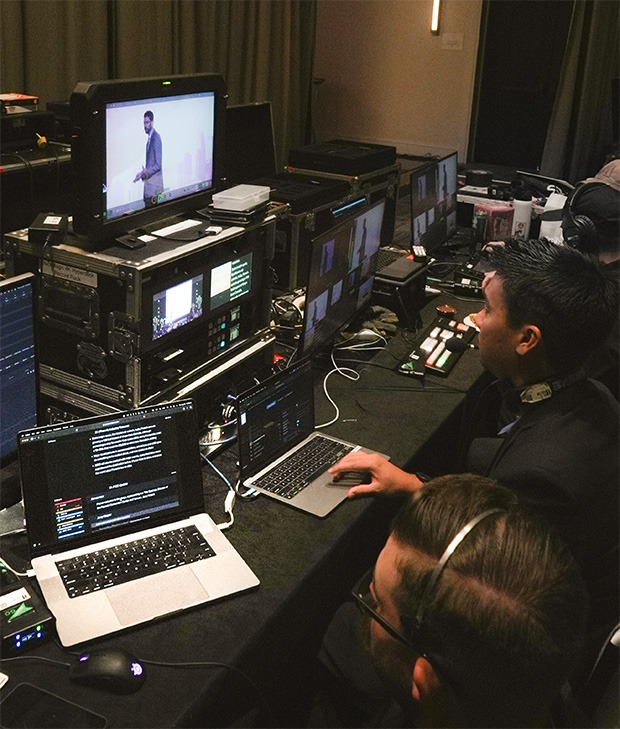
People working behind the scenes of eventProducing the Annual Meeting is a genuine team effort.
Internally, we collaborate with:

  • Corporate communications
  • Department heads providing content
  • Executive leadership, including the CEO
  • Creative team developing graphics

Externally, we work closely with:

  • Production partners
  • AV teams
  • Marketing agency
  • Guest speakers

Each group brings expertise, but also their own workflows and preferences. Without a shared system, updates can end up in email threads, shared drives, PDFs, or spreadsheets, making it harder to know what’s current and who has the latest version.

That’s where things can start to unravel, especially as we get closer to show day.

Where Things Used to Get Risky

In the past, last-minute changes created stress not because the changes themselves were unreasonable, but because managing them was inefficient.

Read More: Event Risk Is Inevitable—Planning for It Isn’t

A script update might not reach the production team. A speaker’s revised remarks could be out of sync with the teleprompter. A timing change might affect a video cue without everyone realizing it.

None of these issues are dramatic on their own, but in a live show, small misalignments add up fast.

One Place to Collaborate Changes Everything

What’s made a real difference for us is having a single, shared workspace where everyone collaborates in real time.

Using a new event-tech solution called Script Elephant, all of our show content, including scripts, cues, stage direction, teleprompter, and supporting materials, lives in one place. That means when something changes, it changes for everyone.

Department heads can review and refine both script and graphics content directly. Executives can see how their remarks fit into the broader flow of the show. External speakers can be brought into the same environment without juggling attachments. And production partners always know they’re working from the most current version.

Handling Last-Minute Changes with Confidence

Last-minute changes still happen. The difference now is that those changes don’t derail us. Updates are tracked. Communication is centralized. Everyone knows where to look for the latest information.

On show day, that confidence matters. It allows our team to focus on execution, not troubleshooting. It allows leadership to stay present without worrying whether the updated script made it to the teleprompter. And it allows our members to experience a polished, professional event that reflects the care we put into our work year-round.

Producing a successful Annual Meeting isn’t about locking everything down early and hoping nothing changes. It’s about planning for change, and giving your team the tools to handle it together.

Sarah Doyle

For us, having a collaborative, event-specific platform has turned last-minute changes from a liability into just another part of the process. And it’s made all the difference.

Sarah Doyle is director of communications for Visit Phoenix.

The North American-based trade association, the American Bus Association (ABA), brought 2,800 attendees from the motorcoach, charter bus, group travel and tourism industries to the Reno-Sparks Convention Center for its Marketplace 2026 event.

“After hosting Marketplace in major cities such as Philadelphia and Detroit,” says Mike Larragueta, president and CEO of Visit Reno Tahoe. “ABA’s decision to bring its milestone event to Reno is a testament to our city’s premier capabilities, from our convention center and resort properties to the outstanding teams who brought the event to life.” This was the event’s 100th year, and the first time in 30 years it was brought this far west. The event’s title, “The Road to Reno,” held significant weight.

“Our team had the unique advantage of partnering with the leadership and staff of ABA to elevate the 100th anniversary celebration while showcasing the destination to over 2,800 attendees as a first-time host city,” says Larragueta. In addition to activating memorable moments during the event, our team invited attendees to participate in pre- and post-FAMs and sightseeing tours to experience the destination, including Lake Tahoe, Carson City, Carson Valley and Virginia City, in partnership with our region’s DMOs.”

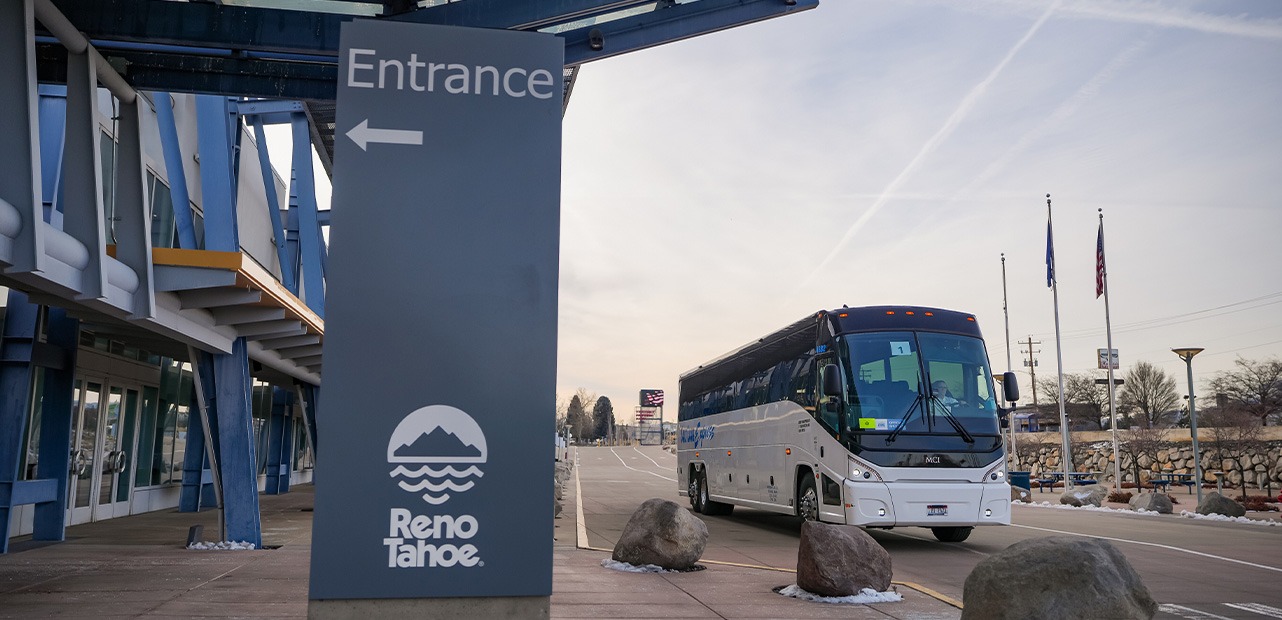
Bus at bus station

To help celebrate the event’s centennial year, the Visit Reno Tahoe team had the chance to partner with ABA’s staff and leadership to make it the best possible celebration. The region’s DMOs collaborated as one team and invited attendees to participate in pre- and post-FAMs and sightseeing tours to further explore the destination.

Read More: Reno/Tahoe: Where Adventure Meets Opportunity

“We wanted ABA’s centennial celebration to feel unique to Reno Tahoe from the moment attendees arrived, Larragueta says. “From locally inspired activations like a live mural by Terrence Hammond and a historic 1926 Chevy display from the National Automobile Museum to a ribbon cutting with ABA leadership and state and local partners, every detail was designed to create a warm welcome.”

He says the team carried that energy into opening night at the National Bowling Stadium. “Guests enjoyed bowling across all 78 championship lanes, live local music and performances from the University of Nevada, Reno’s marching band and cheer team.”

It only makes sense that such an event would take place in Reno, as it plays such a vital role in the region.

“The motorcoach and group travel sector plays a vital role in Nevada’s tourism economy, connecting visitors across the state while supporting jobs, tax revenue and year-round travel demand,” Larragueta says. “Hosting ABA Marketplace’s centennial celebration in Reno Tahoe helped amplify that momentum and spotlight the impact this sector has across the region.”

Event Credits:

  • AV: INSPIRE Event Solutions
  • Transportation: TMS (Transportation Management Services)
  • DMO: Visit Reno Tahoe
  • Caterer: Aramark
  • Event Tech Platforms: Maritz and Team Event Management
  • Entertainment: New Wave Crave and Glitter Bomb (BEYER Entertainment)
  • Entertainment: National Automobile Museum featured a 1926 Chevy Vehicle Rental as a booth feature
  • Entertainment: Terrence Hammond, a.k.a. “Doomed Movement,” created the artist mural as a booth feature
  • Other: Airport Support for Arrivals and Departures – Reno-Tahoe Airport Authority
  • Other: Host Hotels – Peppermill Resort Spa Casino, Nugget Casino Resort, Atlantis Casino Resort Spa
  • Other: Sponsorship for the Opening Reception – Travel Nevada
  • Other: Sponsorship for regional sightseeing tours – Reno-Tahoe Territory
  • Other Vendor who printed signage order – Signs By Tomorrow

Do you know what motivated your attendees to give you their valuable time and attention?

Why We Gather, a Hilton report that surveyed 3,000 global business meeting attendees that acts as an events-focused supplement to the company’s 2026 Trends Report, discovered that it might not be for the reasons you thought. Kelly Knowlen, vice president of sales engagement and special events at Hilton, says you might want to break the event mold you have been using to focus more on the real reason people are making the journey.

“We’re hearing it loud and clear that we have to change the way we are doing things if we want them to look forward to, enjoy and want to come back to our meetings,” said Knowlen.

Human Interaction Rules

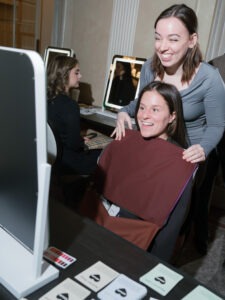
Woman sitting at hair salon
HiltonLive at Waldorf Astoria New York, photo by Corbin Gurkin

Despite what the marketing emails often focus on, it usually isn’t the keynote drawing people to registration pages. It’s a desire to meet the other people in the ballroom. Across the globe, 67% of respondents said they will only attend work events that support their career goals—that means effective networking.

The interaction doesn’t have to be reserved for the on-site experience. Hilton has tested a virtual “Networking with Confidence” session to help first-time attendees thrive once they arrive. They found that everyone appreciated the tips, including senior leaders.

Personal introductions at the registration desk, first-timer and other smaller group events onsite leading up to the main stage can help people ease into the crowd with some familiar faces.

Something else that can put minds at ease and compel them to check the “attending” button? Let them know they are welcome to come as they are. A supermajority (84%) said they love to bring their “authentic selves” to work events. That may mean less black tie and more casual business, especially for those who have only worked from home over the last few years.

Flexible Agendas for Diverse Generational Needs

HiltonLive at Waldorf Astoria New York, photo by Corbin Gurkin

The biggest variations in attitude were not from country to country but between generations. For instance, more than two-thirds of Gen Z say they want after-hours fun and just 34% of Baby Boomers say the same. Older attendees want to be able to reset, check in at the office and take a breath during the day. In fact, two-thirds (67%) of attendees report feeling less engaged during events if they don’t get downtime, with more than half (55%) admitting they’ll skip sessions to decompress if breaks aren’t built in.

Read More: Gen Z Has Entered the Building

“You have to try and accommodate everyone and give people options,” said Knowlen. “The solution is a flexible agenda.”

The Wellness Requirement

The focus on attendee comfort is part and parcel of the wellness trend that has become a requirement for events that want to continue to attract participants. The challenge is finding the right mix for your attendees. The survey showed that people don’t want to start too early, so 6 a.m. yoga is out; but they do want something organized, in addition to down time. One way to understand what to offer and when is to ask potential attendees or test participation levels. Offer something first thing and again later in the afternoon and see who shows up.

When it comes to catering, in addition to deconstructing menus to offer healthy options and accommodate allergies and preferences, consider the “where” in addition to the “what.”

“People want to experience the local culture,” said Knowlen. Featuring local specialties and even local restaurants and chefs is one “what” to do that. Creative BEOs can turn your F&B minimums into an engagement tool.

While you are looking at the menus, consider sending them out to attendees in advance of the arrival date, Knowlen suggested. That can help alleviate anxieties about whether they will be able to eat at the event, so they can plan accordingly.

Sharing Is Caring

Engagement also is not limited to the expo floor. The survey found that respondents want to be able to share something remarkable with their network. That means a unique destination, activation or activity that is photo-worthy and surprising. The majority (67%) said they are more likely to attend if there are interesting opportunities to share with their existing network. “We need to offer Instagrammable moments,” said Knowlen.

Read More: Designing Events for Introverts and Ambiverts: Creating Spaces for Authentic Engagement

Hilton is not just researching event trends; they are testing them. The company’s “World’s Most Welcoming Events” initiative has been experimenting with conversation starter stickers on name badges, collectable pins and other ice breakers to share results with clients and enhance the overall guest experience.

What would an event look like if it took into account attendee comfort and circadian rhythms? Smart Meetings Elevate Experience at Foxwoods Resort Casino in Mashantucket, Connecticut, set out to demonstrate event design modeled on human behavioral science. Return on Enjoyment was achieved by embracing the romance of the destination and adding thoughtful touches at just the right time.

Peak Moments

Cognitive science shows that in the blur of travel, events can quickly fade into a blur of hotels, buffet lines and lanyards. Only by focusing on delivering emotional impact during peak moments will the messaging, connections and memories stay top-of-mind.

After being delivered in executive sprinters from the airport by Joshua Worldwide, a warm welcome in the VIP Luxury Registration Lounge featured massage chairs, tech therapy featuring Dahlia El Gazzar, thoughtful gifts and snacks. First impressions set the tone for the entire event. Allowing guests to bypass the general hotel check-in to receive their room keys, badge and hot chocolate bombs, was a soft landing.

Read More: Smart Tech: No Vanilla Event Ideas

Offering something substantial to talk about paves the way for meaningful interactions. Interactive accountability pledges and a keynote from ALHI CEO and President Michael Dominguez connects the dots between global statistics and planner realities, making conversations easier and lodging statistics such as increasing ADR and stabilizing F&B prices in the memory banks for the next hotel negotiation.

Nothing brings people together like a dance floor. EVA entertainment talent platform brought the groove and an instant poetry performer to the opening reception at Grace by Nia in Foxwoods.

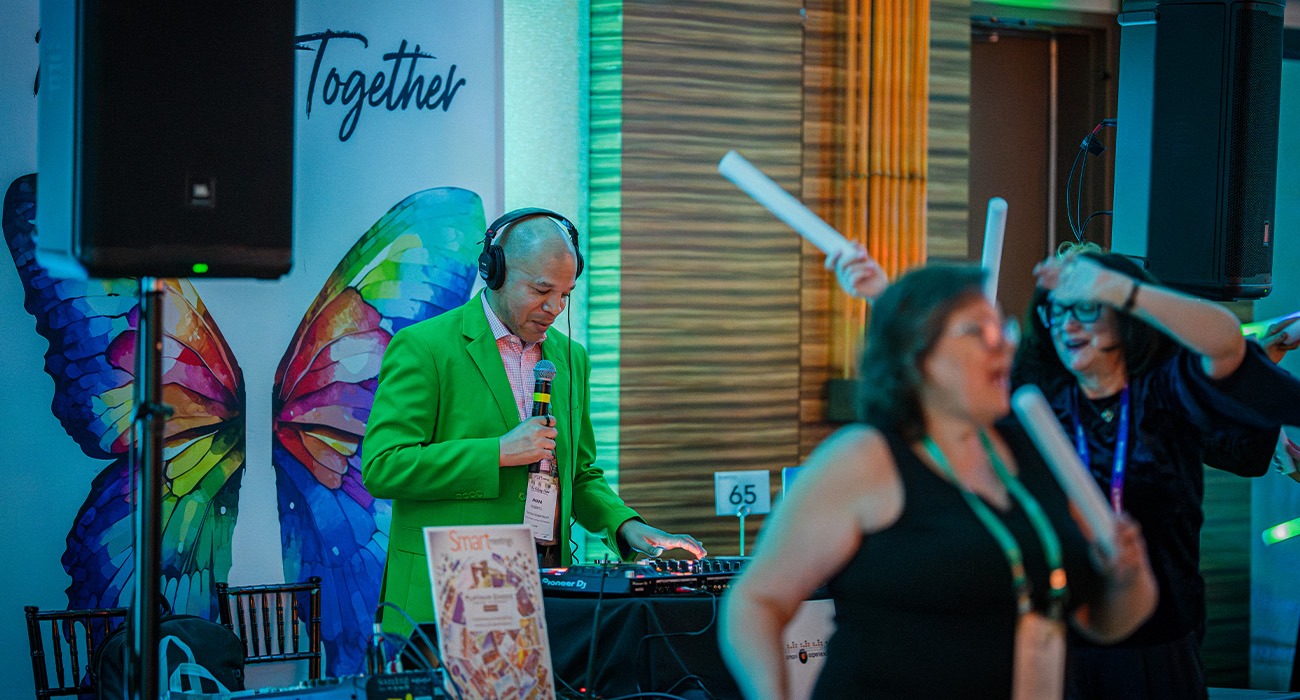
DJ Amani Roberts
DJ Amani Roberts

The movement continued the next morning with a Sunrise Rave. DJ Amani Roberts got everyone moving to wake up the synapses before sliding into appointments with awakened mental states. A 7th inning stretch break in the middle of the day was a welcome reset.

Another peak moment came that evening with a command performance by Stephen Kramer Glickman, the star of Big Time Rush in the studio where Gordon Ramsay’s Hell’s Kitchen was filmed. Madison Entertainment specializes in booking high-end talent for corporate events that fits the theme and culture of the organization. The photo opportunities and behind the scenes looks at the dorm rooms and confessionals seen on the television show were recorded for year-end highlights all around.

For true peak end impact, a surprise visit by African penguins from Mystic Aquarium was a moment of delight that brought a reminder of the plight of the endangered species and how hosting a dinner there after hours could advance recovering while endearing warm hearts.
Smart Meetings always ends with a reminder that we are all winners and we belong here.

In Memory

People will forget so much that happens at an event. They are busy and life and work are stressful. But they will remember how you made them feel cared for from start to finish.

Those negative headlines about Las Vegas aren’t exactly wrong, but they don’t paint the whole picture. This was evidenced at the third-annual Preview Las Vegas at Wynn.

Several discussions, from Applied Analytics’ Jeremy Aguero’s economic outlook for Las Vegas to a talk with two of the city’s leading sports executives, laid out a map of Las Vegas that is far different from the stories being told.

Las Vegas’ Economic Outlook

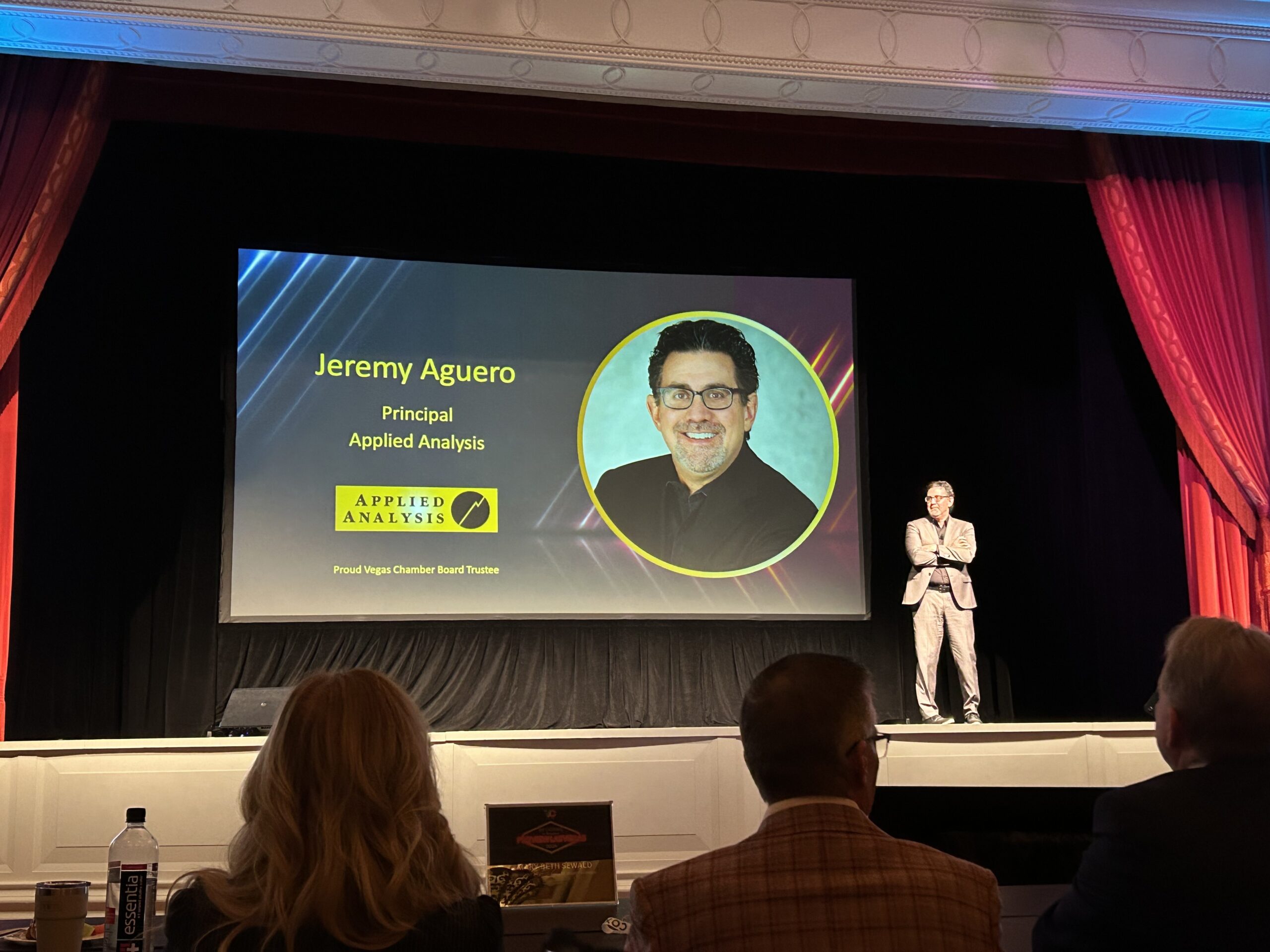
Jeremy Aguero on stgage
Jeremy Aguero

Jeremy Aguero, principal analyst at Applied Analytics, presented a nuanced view of Las Vegas’ economic situation, emphasizing the negative reports from various news outlets. “What is the noise we’re all hearing?” Aguero asked. “Population growth is slowing. We’re not going to have growth anymore. Millennials and Gen Z don’t want to have kids anymore. This is going to be the end of our economy. Apparently, we’re all just going to have dogs and no kids, right? I don’t think this is going to happen.”

Aguero noted that the birth rate has been declining since the 1960s, and that in 2030-31 we will see U.S. deaths outpacing births. “But that is not what drives growth in the United States,” he stated. “That is immigration, the net migration into the United States; the United States’ growth rate can be dictated based on how we let people into our country.”

Consumer confidence is another metric at its lowest level since 1979. Today, it’s at 52.9, lower than the Soviet invasion of Afghanistan, the stock market crash of the late 1980s, September 11 and Covid. Consumer sentiment is roughly on par with Russia’s invasion of Ukraine. Aguero said this doesn’t match the economic reality. “Our nation’s economy is up over 16% a period of growth by almost every measure…. Do we have challenges? Of course, we do, but the idea that our economy is somehow collapsing and the consumers aren’t moving forward just isn’t true.”

What gets lost in the noise, Aguero said, is that incomes have been outstripping inflation for the last three years. Consumers are doing better, not worse, than they were before; this is completely lost in the noise. Interest rates have come down, and although mortgage interest rates have been sticky, they are also slowly finding their way down, freeing up the market,” he said.

AI’s Continued Prevalence

Adam Shlachter on right on stage
Adam Shlachter (right)

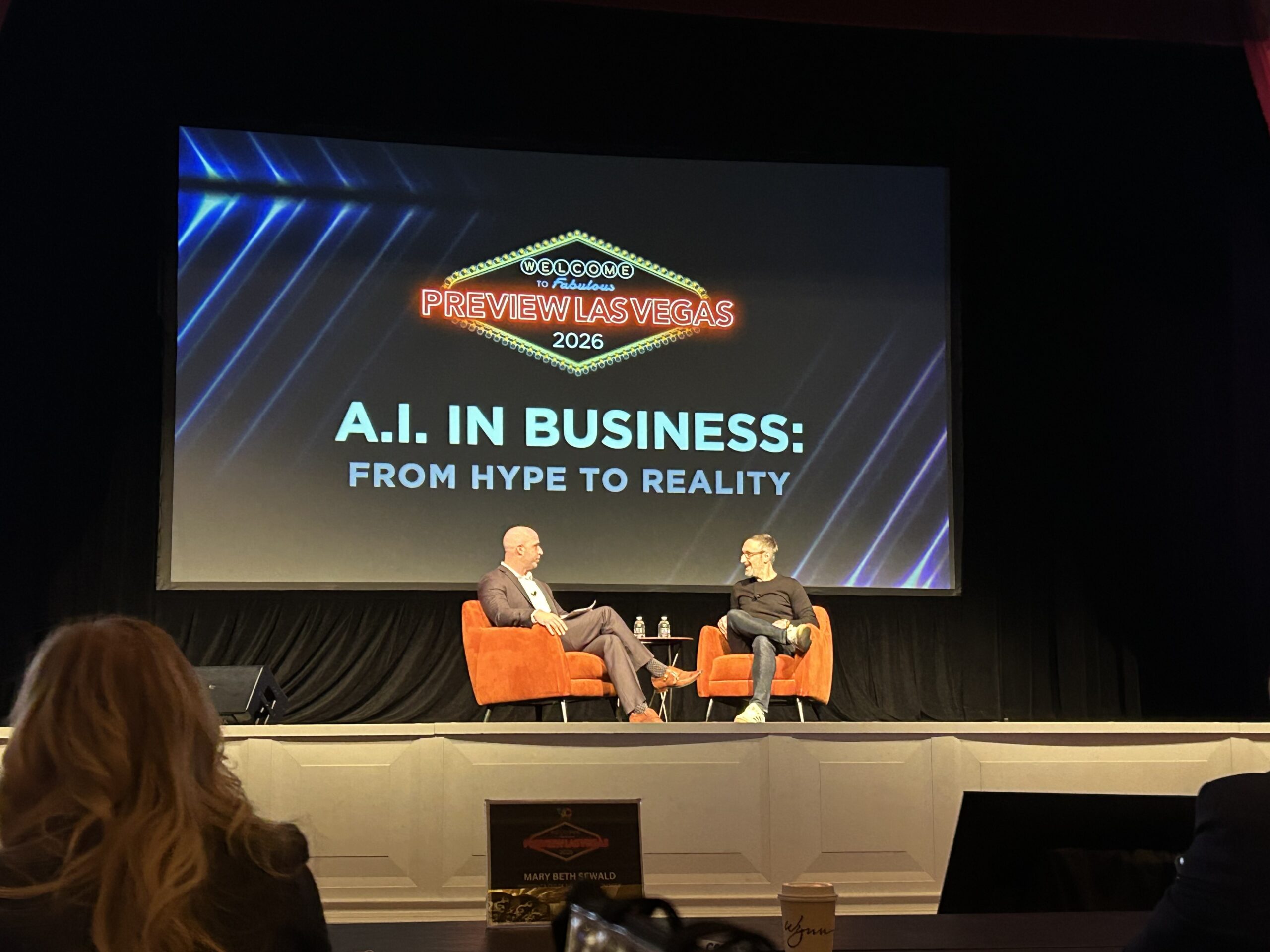
“It’s definitely not a magic bullet for anything,” said Adam Shlachter, client president for WPP Media, about the advent and increasing implementation of AI. “I don’t think anyone should feel that it is. It’s something that could add speed, agility, and perspective to many different ways of working. But it’s certainly not a replacement. It’s not something we should think of as an opportunity to outsource our thinking or outsource our work or outsource our productivity. It’s something we should use more to unlock intelligence and unlock new opportunities.

With any new technology, many (including myself) approach it with varying levels of skepticism. It’s safe to say, though, that the technology isn’t going anywhere and will likely only become more prominent and integrated into our lives over time. With that in mind, Shlachter said the time to experiment is now. “It’s never been easier than right now,” he said. “There are myriad AI applications that just a couple of years ago were not commercially available or not available to consumers that were very much research- and lab-driven, and they are available for free.”

Shlachter emphasized that while many may feel they are behind in understanding how to use AI, many, even large Fortune 500 companies, are still surprisingly early in their AI adoption. “The biggest thing I would say is it’s early for everyone. You’re not late if you’re struggling right now,” he said. “Some of our biggest clients as well, some of our smallest clients, are tackling that for different internal processes, different R&D efforts, product development, go-to-market strategies, competitive analyses, social listening, you name it.”

The State of Sports in Vegas

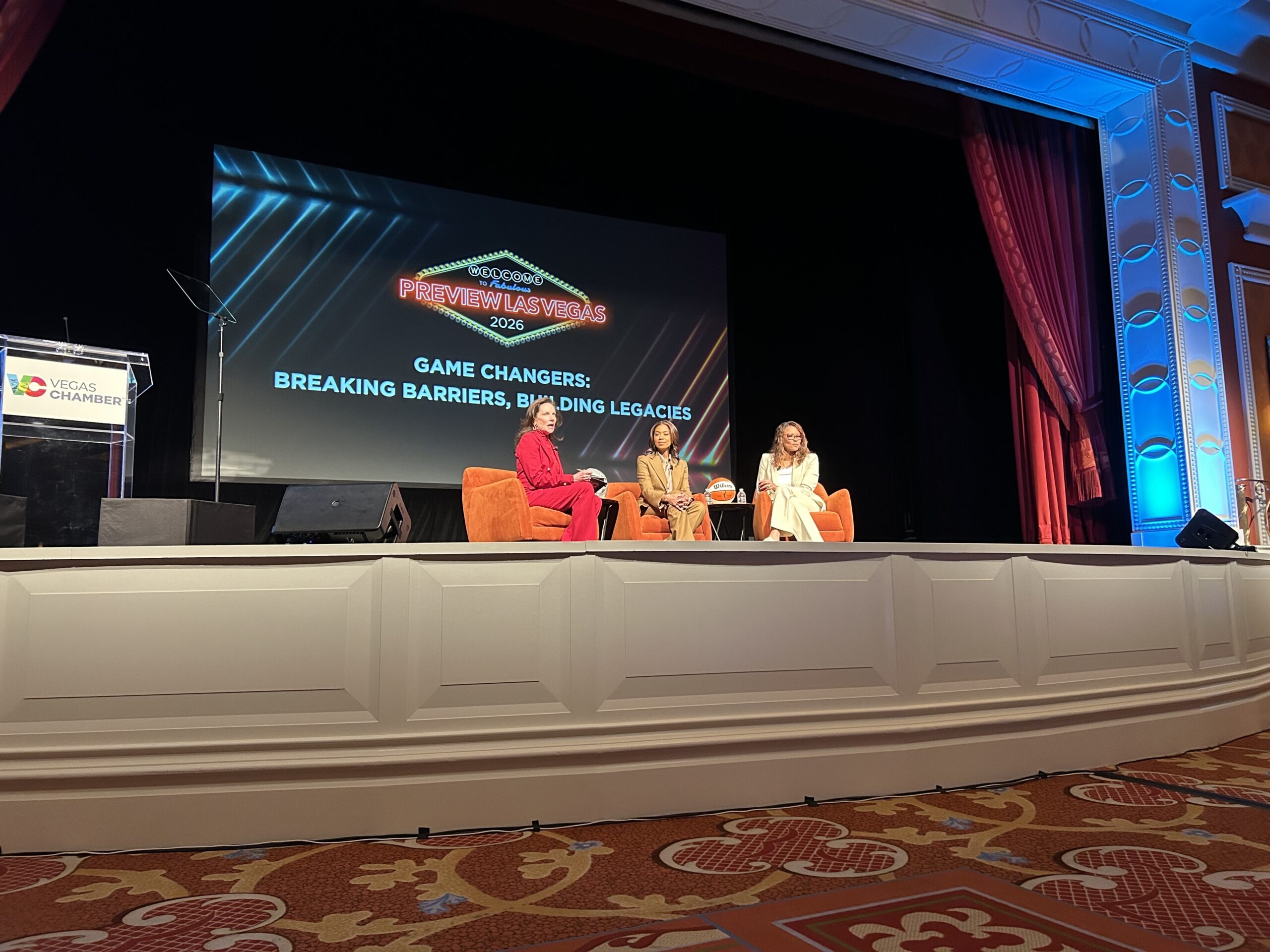
Mary Beth Sewald (left), Sandra Douglass (middle) Morgan and Nicki Fargas (right)

Mary Beth Sewald, president and CEO of Vegas Chamber, sat down with Sandra Douglass Morgan, president of the Las Vegas Raiders, and Nicki Fargas, president of the Las Vegas Aces, for a discussion of the teams’ successes and their impact on the Las Vegas community.

“What we do off the field is just as equally important as we need to continue to grow this fan base here in Las Vegas, locally and all over the world, as well,” Morgan said. “But you know, my heart is here in Las Vegas and always will be. So that’s where we want to start first.”

Read More: Community Takes Center Stage at PodFest

Morgan went on to talk about growing football camps around the city. Flag football, for instance, will be in the Olympics in 2028. This spring, Nevada State University will become the first college in Nevada to have a women’s flag football team, supported by the Raiders.

The city is well-positioned to have a fan engagement strategy that goes beyond game day. Morgan highlighted the unique position the city is in, “If a fan comes and maybe their team didn’t win, they’re going to find out that Bruno Mars is going to be here on April 10 and 11 and say, ‘I had such a good time there, I’m going to go back.’ Hopefully, they have so much fun that they’re going to come back and say, Let’s see what the Raiders are really doing here in Las Vegas.”

Perspective from MGM and Boyd Gaming

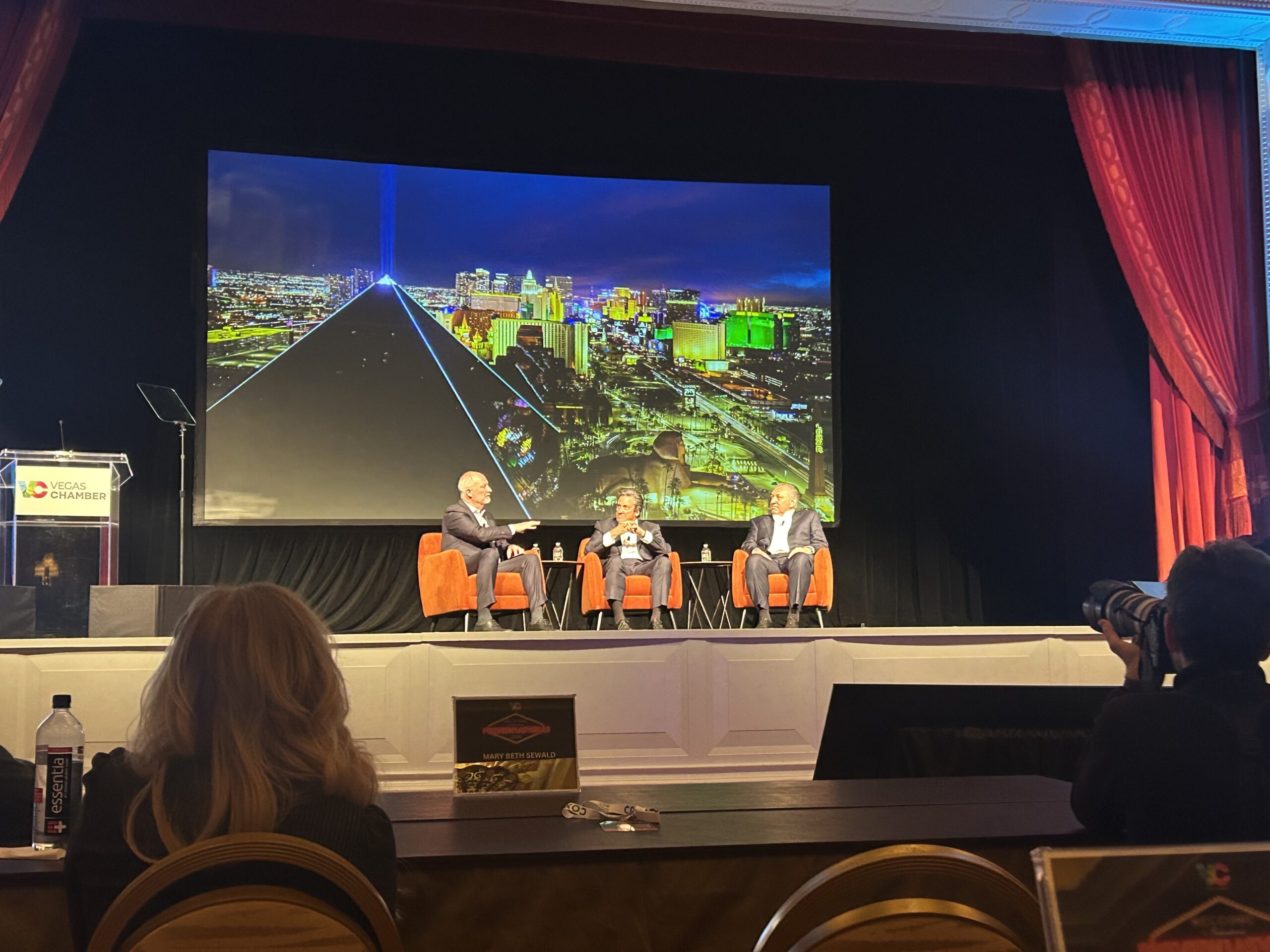
Steve Hill (left), Bill Hornbuckle (middle) and Keith Smith (right)

MGM International President and CEO Bill Hornbuckle and Boyd Gaming President and CEO Keith Smith began their discussion with Las Vegas Convention and Visitors Authority President and CEO Steve Hill by discussing their starts in the industry. They both went on to highlight the development they see today, from Hornbuckle’s presidency of Golden Nugget in Laughlin, Nevada, to Smith’s early days in the 90s with Boyd Gaming.

After highlighting the major points of their careers, they began to discuss the realities of the city and hospitality.

“There’s no question that visitation in Las Vegas is down. Visitation through the airport is down. It’s nothing we haven’t seen before,” Smith said. “I think we sometimes tend to make more out of it than it is. Is it concerning? Well, sure, when business softens a little bit, it’s concerning. But this has happened to us before. It isn’t the end of the world. Business will come back.”

Read More: Headlines vs. Reality: What Las Vegas Meetings Look Like Now

He said that, although he wouldn’t know when the downturn will end, he’s confident in the city’s long-term future. “Las Vegas will continue to grow,” he said. “We’ll continue to prosper in the long term. We just need to continue to focus on what we do best, which is provide great customer service.”

Hornbuckle followed up with a number that not many are talking about: Las Vegas occupancy rates. “The reality is, occupancy is only down 3%,” he said. “Yes, visitation is down in segments. In the next 14 or 15 months, we have more conventions on the books, both in our company and in Las Vegas, than in this city’s history.”

Discussing Las Vegas’ reputation as the Entertainment Capital of the World. “It used to be ‘what happens in Vegas stays in Vegas.’ How about ‘you can only do it in Las Vegas’,” he said. “Value doesn’t need to mean cheap. We’ve evolved to a point where value isn’t about what’s cheap, it’s about experiencing what you pay for.”

He provided an example from a golf perspective. “We’ve tried to slow down retail golf at Shadow Creek [golf course]. It’s one of the few public golf courses people can play like Pebble Beach; it’s a complete experience. In the last two years, I’ve gone from $500 to $750 to $1,000 to $1,250 a round.

“It’s the most expensive round of golf in America by $500 over Pebble Beach. Every tee time we put up for public sale that was more than $500 has sold out. Is it expensive? It’s outrageously expensive. People want the experience. They come to Las Vegas to go to Lady Gaga, to go to world-class restaurants. They can’t get them in most places, and they certainly can’t get the energy and excitement we have here.

In today’s fast-paced, ever-evolving business landscape, the role of a leader has never been more critical or more complex. Leadership in 2026 is no longer just about setting goals, delegating tasks and monitoring performance. It’s about cultivating a culture where employees feel valued, trusted and empowered to contribute their best work. Organizations that fail to adapt risk high turnover, disengagement and stagnation. Those that embrace the new leadership paradigm thrive by attracting, retaining and developing top talent while making a meaningful impact on their people, customers and communities.

Research consistently shows that employees leave managers, not companies. According to Gallup, managers account for at least 70% of the variance in employee engagement scores. High turnover costs more than just dollars; it erodes team morale, interrupts knowledge continuity and damages client relationships. The most effective leaders prioritize human connection, empathy and emotional intelligence. They understand that people perform at their best when they feel understood, supported and inspired. In 2026, these “soft skills” are no longer optional; they are business-critical.

Empathy, for instance, is one of the strongest predictors of effective leadership. Leaders who actively listen, seek to understand the perspectives of their teams, and respond with compassion foster trust and loyalty. Emotional intelligence—the ability to recognize and manage one’s own emotions while understanding and influencing the emotions of others—directly impacts communication, collaboration and conflict resolution. Vulnerability, once considered a weakness, is now recognized as a hallmark of courageous leadership. Leaders who admit mistakes, share challenges and model authenticity create psychologically safe environments where employees are willing to take risks, innovate and grow.

Read More: Designing for Belonging: How to Engage Audiences Using Empathy

The benefits of these leadership skills go beyond employee satisfaction; they drive measurable business outcomes. Organizations with highly engaged employees experience 21% higher productivity, 22% higher profitability and 41% lower absenteeism, according to Gallup research. Nurturing talent through coaching, mentorship and development initiatives strengthens retention, while transparent, authentic communication reduces misunderstandings and improves team alignment. Simply put, leadership that is empathetic, emotionally intelligent and vulnerable does not just feel better—it performs better.

Yet these skills are rarely cultivated in traditional learning environments. Business schools and corporate training programs often focus on strategy, operations, or technical skills, leaving leaders underprepared for the human side of management. This is why hiring a leadership expert—whether a coach, trainer or keynote speaker—becomes the most strategic investment a company can make in 2026.

Top Ways to Improve Your Leadership Impact Today

While developing these skills takes intentional effort, there are actionable steps leaders can take immediately:

1. Invest in Coaching or Expert Training: Bring in a leadership coach, trainer, or speaker to work with your team. Experts provide personalized guidance, practical tools and accountability, helping leaders at all levels develop emotional intelligence, communication and empathy skills that stick.

2. Practice Active Listening and Empathy Daily: Make it a habit to listen more than you speak in meetings. Ask questions that uncover your team members’ motivations and challenges. Demonstrating genuine understanding builds trust and strengthens relationships.

3. Model Vulnerability: Share your own challenges, admit mistakes and show authenticity. Vulnerability signals psychological safety, encouraging employees to contribute ideas and take initiative without fear of judgment.

4. Prioritize Recognition and Development: Regularly acknowledge achievements and provide opportunities for growth. Mentorship, feedback, and professional development increase retention and nurture the next generation of leaders.

5. Communicate with Clarity and Transparency: Keep your team informed about decisions, changes and expectations. Open, honest communication reduces confusion, fosters alignment and empowers employees to take ownership.

Read More: Work Smart: The Art of Communication

Investing in these practices reinforces a culture where employees feel seen, valued and motivated to stay. It also strengthens the leader’s ability to reduce turnover, retain talent and make a measurable impact across the organization.

In 2026, companies can no longer afford to leave leadership to chance. Developing leaders at all levels—executive, mid-level and frontline—is critical to sustaining growth and competitive advantage. Leadership experts provide the guidance and accountability leaders need to evolve their skills and in turn, evolve the organization. The most successful companies recognize that leadership is not just a role; it is a skill set that must be continually cultivated.

The companies that will stand out in the years ahead are those with leaders who inspire, nurture and empower. Leaders who do more than manage—they lead with impact. These are the leaders who reduce turnover, retain top talent, improve team performance and make a meaningful difference, not just in the organization, but in the lives of the people they lead.

In 2026, the smartest investment a company can make is in its leaders. The return is a culture of trust, engagement and excellence that will carry the organization—and its people—into the future.

Courtney Stanley

Courtney Stanley is recognized globally as an award-winning keynote speaker, leadership expert and host of the podcast for women in business, Dare to Interrupt. Courtney has spent 15 years engaging professionals, entrepreneurs and organizations in game-changing, impactful conversations that empower individuals to tap into their true potential, improve team and culture dynamics and drive meaningful change.

Courtney is the youngest member to have ever been elected to Meeting Professionals International’s (MPI) International Board of Directors, is a Meetings Mean Business Ambassador and is recognized as one of the event and hospitality industry’s most impactful change-makers.

From oceanfront debuts to multi-million dollar transformations, hotels in key destinations are elevating design, dining and meeting spaces to meet the evolving expectations of travelers and groups

Hotels across the country are investing heavily in reinvention, unveiling ambitious renovations and highly anticipated openings that signal a new era of guest experience. From coastal lifestyle properties in Florida to desert-inspired retreats in Arizona and California, and refreshed convention-focused hotels in Las Vegas and the Washington, D.C., metro area, these projects reflect a shared focus on thoughtful design, elevated amenities and flexible meeting and event spaces. Together, they highlight how hospitality brands are reshaping their properties to better serve today’s leisure, business and group travelers.

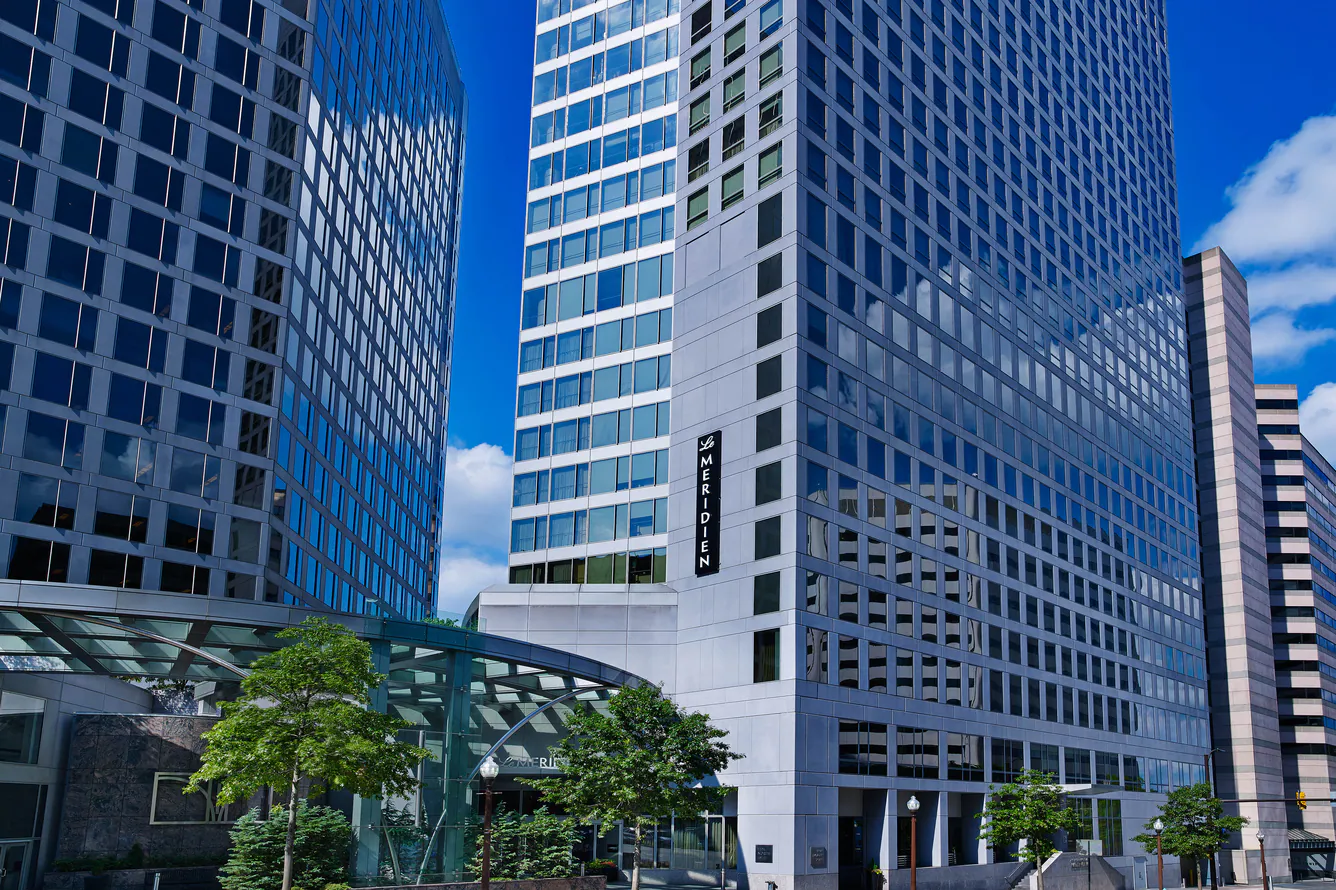
Le Méridien Arlington

Le meridien arlington exterior

Le Méridien Arlington has begun a phased renovation to enhance the guest experience. Still fully operational, the project includes updates to guest rooms and public spaces, the addition of a new ballroom and the introduction of a new restaurant concept. PRIME AE and The Gettys Group are leading the renovation.

Design updates will draw on local heritage blended with mid-century modern style, with additional details shared as work progresses. Completion is expected in spring 2026, with construction planned to minimize guest disruption.

Located in the heart of the Washington, D.C., metro area, Le Méridien Arlington offers Potomac River views, flexible event space and convenient access to Roslyn Metro and nearby attractions.

Sanctuary Camelback Mountain

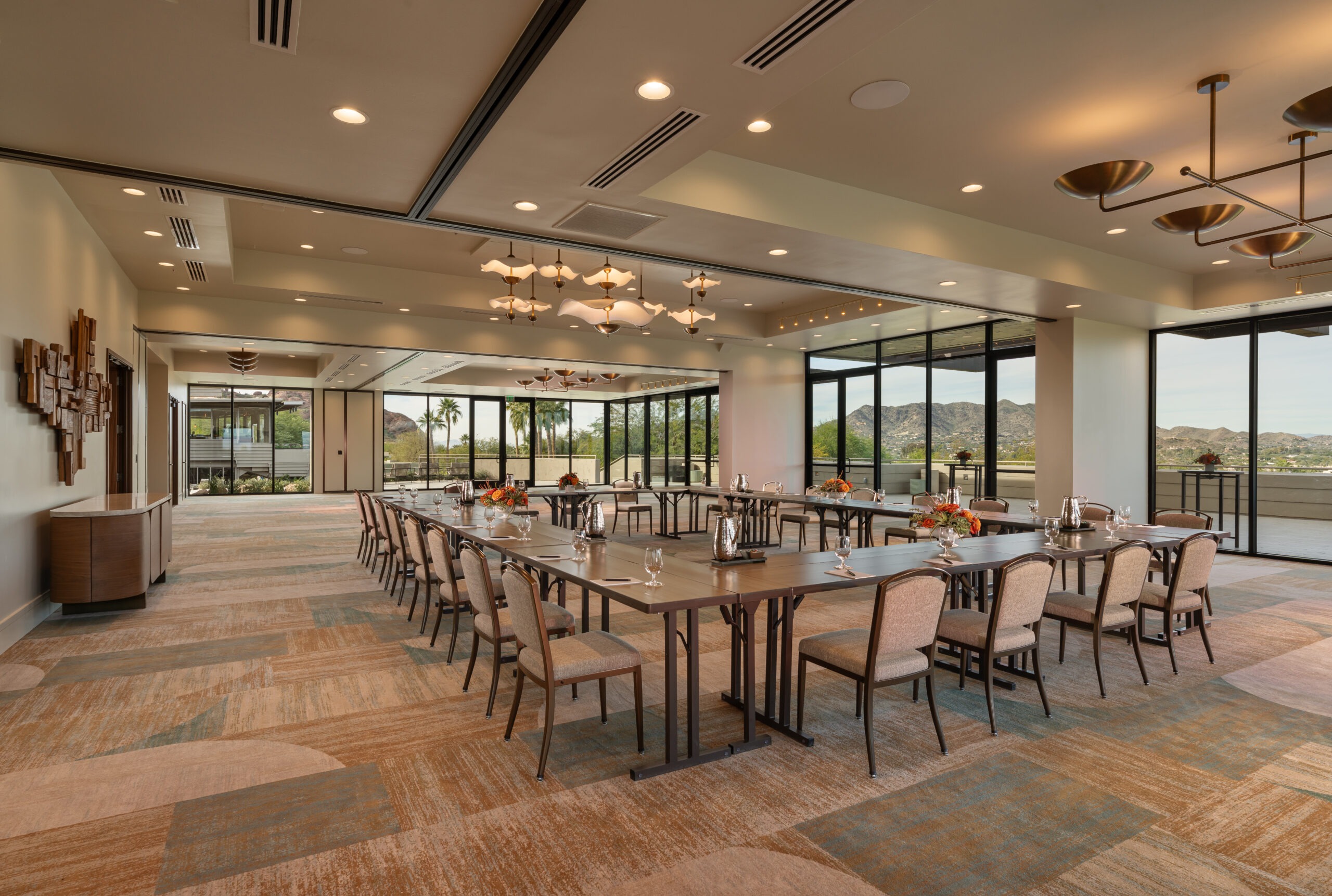
Views Ballroom
Views Ballroom, photo by Michael Baxter, Baxter Imaging LLC

Sanctuary Camelback Mountain Resort & Spa has completed a $7 million renovation of its meetings and events venues, elevating its offerings for groups, retreats, weddings and private celebrations in Paradise Valley. The transformation spans 8,000 sq. ft. of indoor and outdoor space, including Views Ballroom, Views Terrace, Paradise Views, Lower Lawn and Cholla meeting room, all redesigned to complement the surrounding desert landscape and Camelback Mountain views.

Upgrades include a redesigned Views Ballroom with unobstructed sightlines, new windows and doors, architectural sun shading and enhanced lawn and terrace layouts that allow for flexible event configurations. Refreshed finishes in additional meeting spaces improve both functionality and ambiance.

The renovation builds on the resort’s legacy of hosting gatherings ranging from intimate executive dinners to large-scale celebrations, paired with award-winning catering, curated services and a strong focus on wellness driven programming for group experiences.

Dune House Hotel & Spa

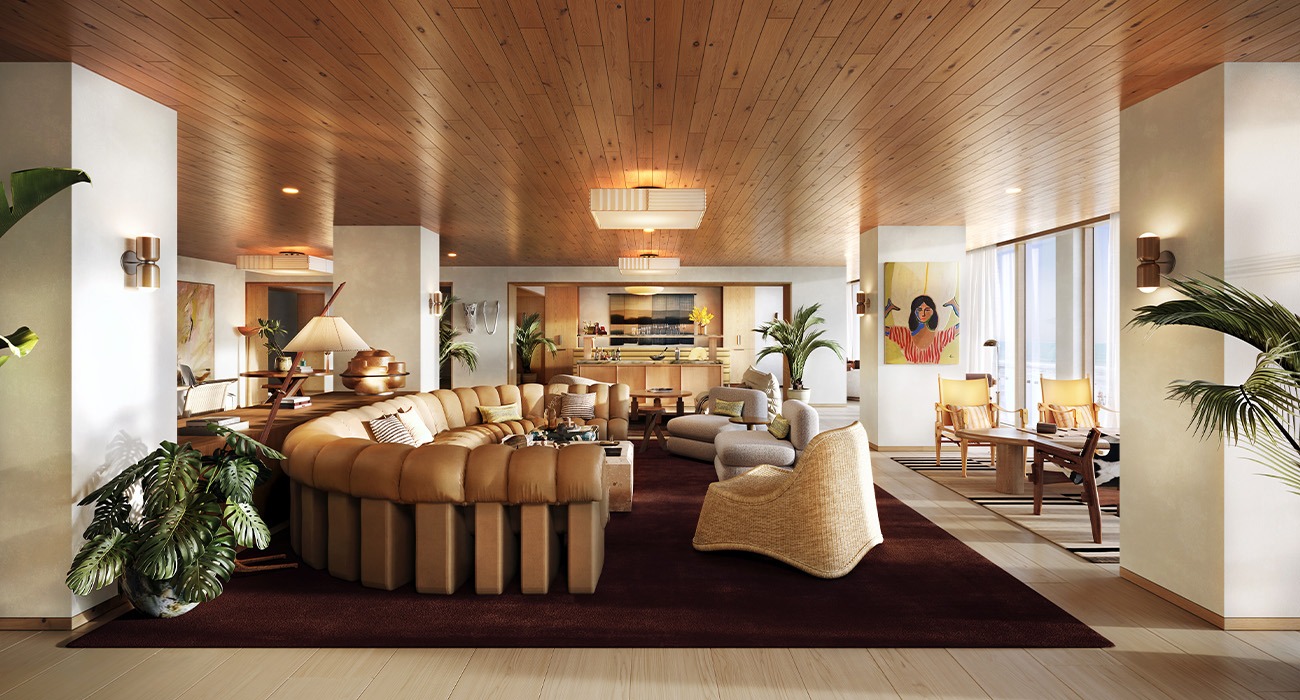
Dune House Upper Lounge

Dune House Hotel & Spa, the Jacksonville area’s newest oceanfront hotel, is now accepting reservations ahead of its March 3, 2026, debut. Located in the former One Ocean Resort & Spa, Dune House has been reimagined as a lifestyle destination inspired by Atlantic Beach culture. The hotel blends vintage surf influenced design, community focused programming and ocean to table dining just steps from the sand.

Its interiors pay tribute to architect William Morgan and Florida’s surf heritage through natural materials and relaxed coastal tones. The property features 193 refreshed guest rooms and suites, many with unobstructed ocean views.

Dune House will offer four dining and social concepts, a full-service spa, beachfront pool, locally curated retail and approximately 10,000 sq. ft. of indoor and outdoor event space for gatherings and celebrations.

Renaissance Esmeralda

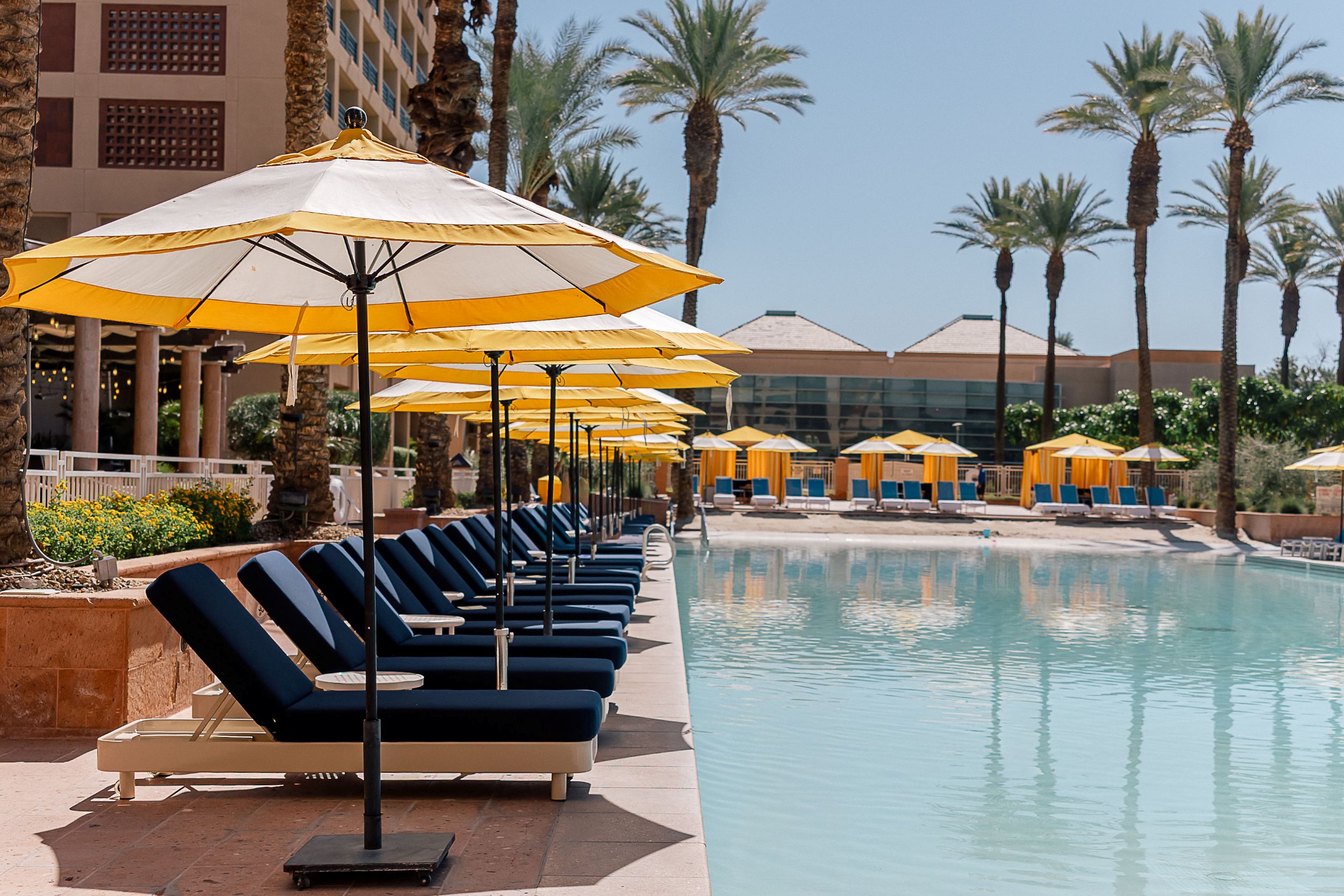
Renaissance Esmeralda outdoor pool

Renaissance Esmeralda Resort & Spa has completed a multi-million dollar reinvestment program, delivering a contemporary refresh across the 560-room Coachella Valley retreat. The transformation spans public areas, meeting rooms, ballrooms and foyers, and introduces new pickleball courts, a redesigned lobby and front desk, Seven Olive gastropub and Topgolf Swing Suites.

The renovation blends mid-century modern design with desert inspired aesthetics and features custom commissioned artwork and sculptures by artists including Brian Peters, Valero Doval and Ashley Nardone. Designed by Los Angeles-based firm Bishop Pass, the art-driven approach creates an immersive sense of place rooted in the textures and colors of the desert landscape.

Enhancements also include refreshed outdoor amenities, reimagined meeting and event spaces with new digital reader boards, and flexible social venues designed for gatherings, celebrations and group experiences.

Las Vegas Marriott

Las Vegas Marriott interior

Las Vegas Marriott has completed a $25 million renovation, transforming the hotel with modern design, upgraded amenities and enhanced dining and meeting experiences. Located at 325 Convention Center Drive, the property sits steps from the West Hall of Las Vegas Convention Center and minutes from the Las Vegas Strip and Sphere.

The renovation includes all 274 guest rooms, refreshed with contemporary finishes and comfort-driven design for both business and leisure travelers. Public spaces have been reimagined, including a redesigned lobby and great room, a renovated fitness center and updated guest amenities.

New dining concepts include Sagebrush American Public House, a signature restaurant and bar featuring modern flavors and local influences, along with SB Market offering coffee and grab and go options. For events, the hotel now features seven meeting rooms totaling 3,731 sq. ft., including the new St. George meeting room, supported by certified event planners and flexible outdoor venues.

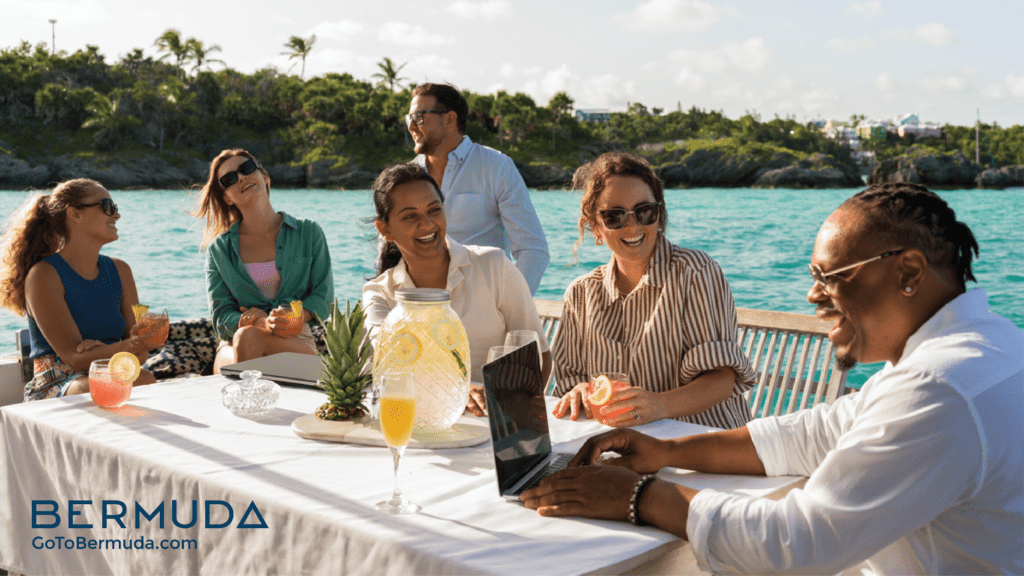
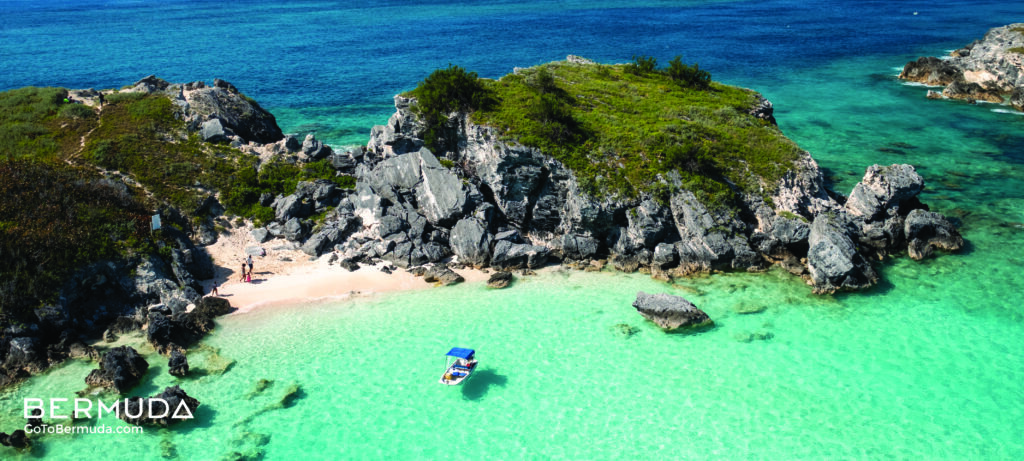
Bermuda is the ultimate backdrop for meetings and events, where historic forts, cliffside views, and turquoise waters inspire fresh ideas. Spark meaningful connections inside the Bermuda National Gallery or the Maritime Museum at the Royal Naval Dockyard. With pink-sand beaches and year-round sunshine, every gathering here becomes an unforgettable experience. No matter why you’re gathering, to celebrate, learn, launch, or simply to connect face-to-face – Bermuda’s one-of-a-kind meeting and event venues provide an unforgettable setting for your event. Choose from historic sites, stylish galleries, and nearby islands, or take your event to the water aboard a legendary sailing ship.


With a fresh calendar in hand and travel plans taking shape, 2026 is already off to a busy start. The aviation industry is bracing for impact as another potential government shutdown looms, threatening staffing and safety. Meanwhile, Celebrity River Cruises is betting big on the future of small-ship sailing, announcing 10 new vessels by 2031. And in a new study from Google and Alvarez & Marsal, experts predict travel could inject $11 trillion into the global economy by 2050 (if the industry can keep pace with demand).

All of that and more awaits in this week’s Smart Travel, where we cover the latest updates shaping the way we move, meet and plan.

Airlines Warn of Disruption as Government Shutdown Looms

As another potential government shutdown approaches, U.S. airlines are raising concerns about major disruptions to the aviation system if federal workers such as air traffic controllers are forced to work without pay. In a Forbes report, airline executives emphasized that staffing shortages, low morale and attrition could mirror the 35-day 2018–2019 shutdown that snarled flights across the country.

Airlines for America, which represents major carriers including Delta, American and United, issued a clear warning: “The ramifications of a government shutdown would be felt across the country,” said President and CEO Nicholas Calio. “We saw firsthand in 2019 how disruptive it can be when the aviation system is stretched to its limits.”

Although critical personnel such as TSA agents and air traffic controllers are considered essential and would remain on the job, they would do so without pay, adding stress to an already strained workforce. FAA hiring and training programs would also be paused, compounding longer-term impacts on staffing.

The warning comes at a time when the FAA is already dealing with a shortage of fully certified controllers, with some major facilities operating at staffing levels below 60%. While flight operations would continue, airlines and federal officials alike are bracing for increased delays, cancellations and logistical hurdles if funding lapses.

Report Predicts Travel Will Add $11 Trillion to Global GDP by 2050

A new study by Google and Alvarez & Marsal projects that global travel could contribute $11 trillion to the world economy by 2050, nearly doubling its pre-pandemic economic impact. The report, “The Power of Travel 2050,” underscores how sustainability, personalization and infrastructure investments will be essential to growth.

The study estimates 2.4 billion international arrivals by 2050, driven by demographic shifts, middle-class expansion and evolving travel behavior. The Asia-Pacific region is expected to account for nearly half of global arrivals by 2050.

The study also shows that nearly 40% of incremental growth is expected to come from destinations outside today’s top 50 most visited cities, highlighting a shift in traveler preferences and the need for broader geographic investment.

“The future of travel is inclusive, sustainable and data-enabled,” the study notes. “Governments and travel providers that modernize infrastructure and create welcoming, seamless experiences will capture a greater share of this global opportunity.”

Other key findings include:

  • Infrastructure will need to expand at scale, including up to 1,000 new airports and 1 million additional hotel rooms by 2050
  • Sustainability efforts, including carbon reduction and overtourism management, will be vital for long-term success
  • Digitization, particularly in visa processing, transit and itinerary planning, will shape how, where and how often people travel

According to the report, leaders who embrace collaboration and tech-forward strategies “can unlock a new era of global connection and economic resilience through travel.”

Talma Travel Names Five Trends Reshaping Corporate Travel in 2026

Talma Travel Solutions has outlined five key trends shaping corporate travel this year, with technology, transparency and evolving traveler behavior taking the spotlight. The insights come out of the company’s North American Client Advisory Board and reflect a wide range of client and partner feedback.

Among the top changes is the continued rise of New Distribution Capability (NDC), which is making flight bookings more streamlined and customizable by allowing travel management companies to offer bundled options like Wi-Fi and seat selection directly at the point of sale. At the same time, artificial intelligence is being used for practical tasks like routing emails and surfacing traveler preferences.

Talma also emphasized the growing importance of integrated data dashboards that tie together booking behavior, payments and unused tickets. These tools help organizations optimize travel spend and strengthen policy compliance.

“Advances in content distribution and access, such as NDC and platforms like Spotnana, have the potential to transform corporate travel at every level,” said Talma CEO Iya Magen. “Our role is both provider and advisor, leveraging technology to deliver intelligence, information and choice to our global clients.”

Talma also noted a shift in the purpose of business travel. Rather than transactional trips, companies are increasingly investing in travel to foster culture, collaboration and innovation among distributed teams. These shifts are expected to continue shaping program strategy throughout the year.

PS Expands Luxe Private Terminal Experience to More Major Airports

PS, the luxury private terminal concept already familiar to travelers at Los Angeles International Airport (LAX), is expanding its footprint to Miami and Dallas, with service already available in Atlanta.

Since debuting at LAX in 2017, PS has built a loyal following among flyers looking to avoid the crowds, chaos and stress of traditional airport terminals. The experience allows guests to arrive at a private terminal, relax in The Salon or a fully appointed Private Suite, clear TSA and then be driven directly to their commercial aircraft on the tarmac. Upon arrival, the process is reversed, skipping the terminal entirely.

The brand offers two levels of service: The Private Suites, complete with residential-style spaces and full privacy, and The Salon, a social lounge for solo travelers or small groups. Both include access to spa services, gourmet food and beverage options, private security screening, and concierge-level support.

Celebrity River Cruises Expands Fleet and Opens 2028 Bookings

Celebrity River Cruises has announced a major expansion, with 10 new ships joining its European river fleet by 2031. The company also opened bookings for its 2028 season, which will feature more than 160 sailings and an 80% increase in destinations compared to its debut 2027 season.

The expansion begins with Celebrity Compass, the brand’s first river ship, now under construction. By 2028, five ships will be in operation, including Celebrity Seeker, Celebrity Wanderer, Celebrity Roamer, and Celebrity Boundless.

“Our inaugural 2027 season sold out in under six minutes,” said Laura Hodges Bethge, president of Celebrity Cruises. “To meet this extraordinary demand, we’re thrilled to open 2028 sailings featuring 80% more European destinations.”

The 2028 itineraries will span iconic rivers such as the Rhine and Danube, with new stops in cities like Bucharest and Strasbourg. Highlights include tulip season sailings between Brussels and Amsterdam, holiday market cruises and journeys through the Iron Gates gorge.

Celebrity’s entry into the river market complements its broader portfolio, offering premium experiences on smaller vessels. Jason Liberty, CEO of parent company Royal Caribbean Group, said the growth “strengthens our connected vacation ecosystem,” giving guests more ways to explore Europe while enjoying the service and style associated with the Celebrity brand.