2017 MIC Conference and Trade Show

Expects lots of new twists at the 2017 MIC Conference & Trade Show next week.

The biggest change attendees will notice at the 17th annual event is the new two-day format. The Meetings Industry Council (MIC) of Colorado cites increased demand for the extended format, which will focus on industry education and networking.

“I am so excited that our conference has been extended to two days,” says Sidney Stoper, 2017 event chair.  “We really couldn’t squeeze everything into one day.  We added an additional keynote and have an incredible lineup of concurrent educational sessions. Our opening reception is now open to all attendees, which is different from previous years.”

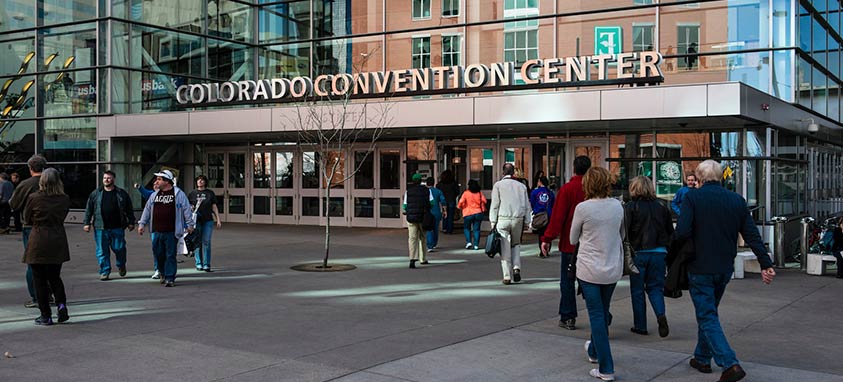
A planner-only education program opens the show March 14 at the Colorado Convention Center in downtown Denver, with a keynote address given by funny motivational speaker Tim Gard. Other event highlights include speeches by Michael Dominguez, MGM Resorts International’s senior vice president and chief sales officer, and best-selling author Sally Hogshead.

Also at the event, MIC will announce the expansion of its philanthropic initiatives, adding Serving Up Soap to its community service projects. The yearlong effort will collect unopened hygiene products and donate them to local Colorado nonprofits.

Serving Up Soap (SUS) was spearheaded by Ms. Pamela Mather with GES (Global Experience Specialists), and is being co-hosted between the two organizations of GES and MIC.

“The Hospitality Industry in Denver has always been gracious in their support of volunteering and helping others, and this is an additional way we can easily pitch in to those who are less fortunate,” said program leader Pamela Mather of GES (Global Experience Specialists. “We all take for granted basic necessities such as toiletries which others may not have the means for.  Please raid your closets and/or pick up an extra item at the store we will have an area at registration at MIC for collections.”

For more information, go to www.mic-colorado.org.

Travel Beauty

These travel-friendly skin care products minimize the risk of spills and help keep you looking clear, hydrated and energized. Pack them for your next trip, whether your destination is a conference room, the ski chalet or a sun-soaked beach.

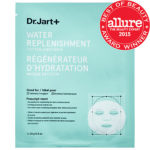
Dr. Jart+ Water Replenishment Cotton Sheet Mask

Turn any free half hour into a spa experience with this sheet mask, which delivers moisturizing ingredients such as chamomile flower water and witch hazel extract in a convenient single-use package. Simply open the packet, unfold the sheet mask and lay it over your face for 20 to 30 minutes—masked Instagram selfie optional. There’s no messy tub to dip into and no need to rinse after use. Just massage any remaining serum into the skin.

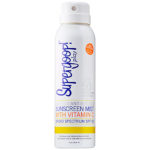
Supergoop Antioxidant-Infused Sunscreen Mist with Broad Spectrum SPF 50

Take your SPF on the go with this easy-to-apply sunscreen spray from Supergoop, available in a TSA-approved 3 oz. size. In addition to complete broad-spectrum UVA/UVB protection, the formula includes vitamin C to help refine skin texture. Neither oily nor drying, this powerhouse product contains 35 percent less alcohol than other leading sunscreen sprays.

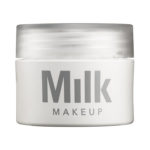
Milk Makeup Hero Salve

The perfect antidote to the moisture-sapping effects of sun, wind or dry cabin air, this potent product employs shea butter and moisturizing oils to soothe and hydrate. Apply it to dry skin on lips, face or body—anywhere that fits the description of chapped, ragged or parched.

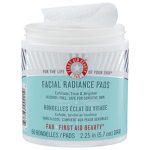
First Aid Beauty Facial Radiance Pads

The nightly multistep skin care routine you follow (most of the time) at home becomes too cumbersome to maintain while traveling. Combat dullness and uneven texture with these multitasking pads that exfoliate, tone and brighten all in one swipe. Carefully calibrated quantities of lactic and glycolic acids make the pads safe for daily use, even on sensitive skin.

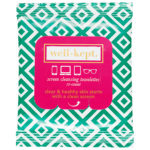
Well-Kept Screen Cleansing Towelettes

A comprehensive skin care regimen addresses not only the skin itself, but also the surfaces that come into contact with it. Tuck a packet of these into your carry-on to prevent germs and bacteria picked up from the airport, plane, cab and hotel from colonizing your phone, laptop and tablet—and, by extension, your hands and face.


revised travel ban

UPDATE MARCH 6: President Trump’s new revised travel ban issued Monday removes Iraq from the list of mostly Muslim nations that faced restrictions and limits the United States’ refugee program. The changes will take effect March 16.


PUBLISHED MARCH 3: While President Trump’s Russia crisis moves to eclipse the good will generated from his speech to Congress on Tuesday night, his highly anticipated revised travel ban has yet to materialize.

The highly controversial executive order that had blocked travelers from Iraq, Syria, Iran, Libya, Somalia, Sudan and Yemen from entering the United States was supposed to get a more court-friendly revision Wednesday, but the administration has delayed its release with no indication of when that might be.

As has been widely reported, a White official said: “We want the (executive order) to have its own ‘moment.’ ”

In the meantime, the U.S. Travel Association isn’t waiting around to see what that revised travel ban entails. In a statement released Thursday, the association urged the president to make clear that the United States is a welcoming country that values international travelers on business or vacation.

“Security is a top priority for the U.S. travel community, but it’s critical to balance both sides of the ledger: make clear who is not welcome, but also who remains welcome,” said U.S. Travel Association President and CEO Roger Dow. “Not doing so would be to double-down on doubts, discontent and division that risk significant economic harm.”

Policy changes that could negatively impact the $2.1 trillion travel industry are drawing sharp criticism from tourism bureaus around the country. Many industry professionals worry that international travelers are changing their U.S. travel plans because of the president’s travel ban and hard-line stance on immigration.

A Global Business Travel Association (GBTA) study said the U.S. travel industry lost $185 million in business in the first week after the original executive order. And those business losses will eventually affect jobs.  According to the U.S. Travel Association, travel supports 15.1 million domestic jobs.

“International travel is integral to the president’s stated economic priorities of correcting the U.S. trade imbalance and protecting jobs here at home,” Dow said. “As a businessman and hospitality entrepreneur, it is safe to say he never intended to discourage legitimate travelers from coming to the U.S. As president, he seems to be catching his stride in terms of communicating the true vision and intent of his policies, and he has a golden opportunity to address some unintended consequences of his initial travel order when he reissues it in the coming days. Neither he, nor the U.S. economy, can afford to squander it.”

Want to increase engagement, attendance and effectiveness of your events? Strategic event marketing can mean the difference between a successful event with good ROI and a forgettable, costly meeting. But what does it take to create an effective event marketing plan?

The experts at NCC have created a useful infographic outlining the key points of event marketing, including the reasons you should make marketing a priority, the most effective strategies and what percentage of your event budget should be allocated to marketing.

event marketing

stay healthy during flu season travel

As U.S. residents await the beginning of daylight saving time on March 12, longer days, warmer weather and bursting blooms are top of mind. But winter isn’t over, and neither is flu season. Though these facts may seem disappointing, they provide an important reminder—especially for anyone taking to the air for spring break, off-season trips or business travel.

Already, the 2016-2017 flu season has seen flu hospitalization, pneumonia and mortality rates in the United States outpace last winter’s numbers. The current flu season hit its peak in the early days of March, meaning that while the worst of winter may have passed, the danger of contracting the flu is still very present. In fact, flu season can extend into May.

So what can travelers do to stave off illness during flu season’s last gasp? AIG Travel Global Medical Director Dr. William Spangler offers tips to help you stay healthy.

Get vaccinated

The first, best defense against the flu is to get an annual flu vaccine, according to the Centers for Disease Control (CDC). Yet, WebMD reported in mid-December that fewer than 40 percent of Americans had done so. If you’re among the majority of unvaccinated Americans, there’s still time to protect yourself. The CDC recommends that everyone 6 months and older get vaccinated by the end of October, but late is better than never.

Take common-sense precautions

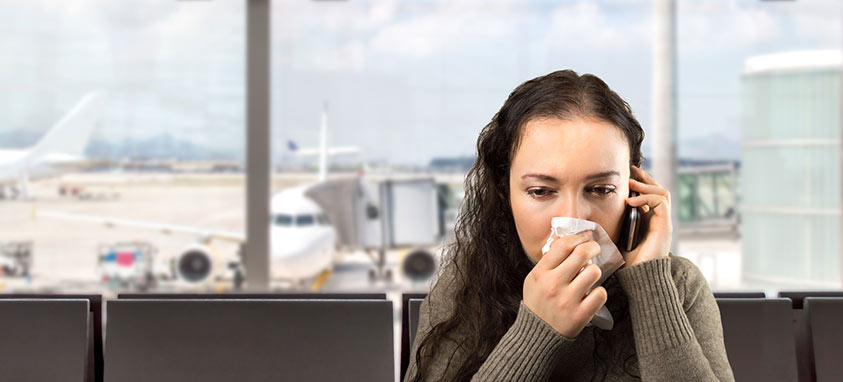
There are many strains of the flu, but the vaccine protects only against those expected to be most common in the current year. And while the vaccine does greatly reduce the risk of infection by those strains, it cannot completely eliminate it. Simple preventive measures such as hand washing and avoiding contact with visibly sick people should be standard operating procedure during flu season. When flying, use disinfecting wipes to sanitize tray tables and arm rests.

Keep your destination in mind

International travelers, take note: The Southern Hemisphere’s flu season kicks off just as the Northern Hemisphere’s winds down. To stay informed and prepared, check for health alerts pertaining to your destination. Both the CDC and the U.S. Department of State offer extensive online resources. And don’t assume that the flu vaccine you got at home will protect you abroad. The standard vaccine administered in the U.S. only addresses the season’s most common strains in this country.

If you’re sick, stay grounded

We know: You have places to go. Whether you’re traveling for work or vacation, you invested energy, planning and anticipation in preparing for the trip. But if departure day finds you suffering from body aches, a cough, sore throat and runny nose, it’s best to hunker down at home. And forget flying with a fever. Instead, postpone or cancel the trip to allow yourself time to heal and to avoid infecting healthy passengers.


While President Trump’s new travel ban, issued Monday, still targets a handful of mostly Muslim nations, the country most notably missing is Iraq.

Iraq had been one of seven countries included in the president’s initial executive order that had blocked travelers from Syria, Iran, Libya, Somalia, Sudan and Yemen from entering the United States. The administration’s revision now places a 90-day ban on new visas for citizens of the remaining six.

“Each of these countries is a state sponsor of terrorism, has been significantly compromised by terrorist organizations, or contains active conflict zones,” reads Trump’s new executive order. “Any of these circumstances diminishes the foreign government’s willingness or ability to share or validate important information about individuals seeking to travel to the United States.”

In response, the ACLU’s legal director David Cole, said: “President Trump, we’ll see you in court.

“The new order remains deeply unconstitutional and an affront to the principles on which this country was founded,” the ACLU said in a post on its website. “We at the ACLU, and other organizations, advocates, states, cities, and individuals across the country, will keep fighting in courts and will keep voicing our opposition to this abhorrent religious discrimination.”

Another departure from the original order is a 120-day suspension of the refugee program that also reduces the number of refugees allowed into the United States, from 110,000 per year to 50,000. The changes will take effect March 16.

The new travel ban reflects the administration’s hope that the executive order will withstand the legal challenges that stalled its predecessor. It allows for case-by-case waivers and explicitly states that the order applies only to new visas. The new order should not apply to those who already have visas or green cards.

Travel Industry Responds

For the business travel industry, the travel ban has had a negative impact. A Global Business Travel Association (GBTA) study said the U.S. travel industry lost $185 million in business in the first week after the original executive order. Petitions calling for a U.S. meeting boycott have drawn thousands of signatures.

In a blog post on its website, GBTA stated that the revised order was a step forward, but measuring its impact on business travel would require continued monitoring.

“This travel ban is an improvement over the Jan. 27 version, as it is narrower in scope and provides greater clarity about those travelers who would not be subject to the ban,” said Michael W. McCormick, GBTA executive director and COO. “The specific exemption for legal permanent residents, dual nationals and current visa holders will help mitigate confusion for the international traveling public.”

“Any increased restrictions on passenger travel must be based in safety and security to ensure that the ability to travel is not impeded unnecessarily. It will remain a focus of the business travel industry to hold disruptions to a minimum, and we will continue to monitor the implementation of this ban closely.”

Meetings Mean Business made a statement in response to the new travel ban: “A Meetings Mean Business survey, conducted after the initial executive order, found that the majority of meetings industry professionals were concerned about reputational harm to the U.S. Our industry is centered on bringing people together, fostering relationships, driving positive outcomes, and supporting communities where meetings and events are held.”

We reiterate our belief that striking the right balance between enhanced security and travel facilitation is of the utmost importance.”

In a statement issued Thursday, the U.S. Travel Association urged the president to make clear that United States is a welcoming country that values international travelers on business or vacation.

“Security is a top priority for the U.S. travel community, but it’s critical to balance both sides of the ledger: make clear who is not welcome, but also who remains welcome,” said U.S. Travel Association President and CEO Roger Dow. “Not doing so would be to double-down on doubts, discontent and division that risk significant economic harm.”

The association has yet to make a public statement on Trump’s new travel ban.

Forget language barriers, currency exchange rates and presidential travel bans. The newest obstacle that U.S.-based meeting planners may face when organizing an international meeting is a visa requirement from European countries.

Late last week, the European Union Parliament voted to approve a measure that urges the European Union Commission to require visas for American passport holders. One might assume that the statement was passed in response to President Trump’s controversial executive order, which blocks citizens from several majority-Muslim countries from entering the United States.

The travel ban and its newly published revision have certainly made headlines, but this EU measure was actually introduced because of a U.S. policy that requires visas for travelers from five EU member states: Bulgaria, Croatia, Cyprus, Poland and Romania. Citizens from all other EU countries are able to enter the United States under a reciprocal visa waiver program.

Because EU rules require equal treatment for citizens of all member nations, the U.S. policy has been an ongoing issue for several years. The EU Parliament has set a two-month deadline for the Commission to respond, but previous deadlines had been allowed to lapse, and lawmakers have little power to enforce the due date. Reuters reports that the Commission will continue to work on a solution and plans to make an announcement on any progress made before the end of June.

Realistically, it is unlikely that Americans will be subject to European visas anytime soon. Requiring visas would greatly affect the number of U.S. travelers willing to cross the pond. The European Travel Commission reported that in 2016, 27.4 million Americans traveled to Europe for business and leisure purposes—an increase of 8 percent from the previous year. A visa requirement would jeopardize the local revenue generated by these travelers.

U.S. Travel Association President and CEO Roger Dow released a statement emphasizing the impact such a policy could have: “Enactment of a measure requiring millions of Americans to obtain a visa to visit European nations… threatens to deprive the European tourism economy and the free-flow of travel that supports workers and businesses across the continent. Jeopardizing the economic and security interests that greatly benefit both sides of the Atlantic is simply too great to advance this action.”

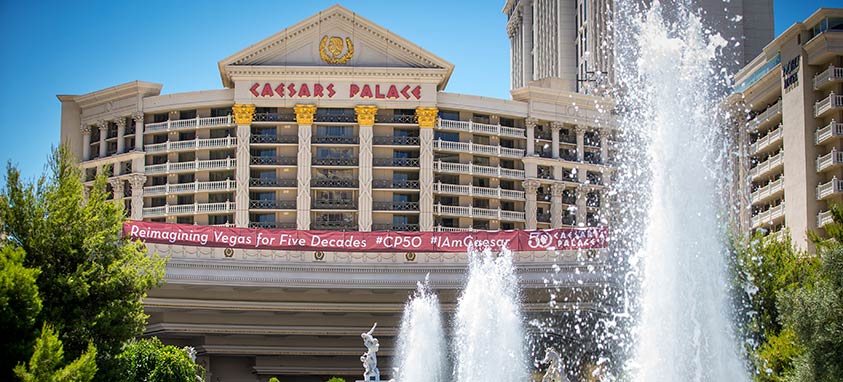
Odds are, you won’t be thrilled to find that Caesars has raised resort fees at its Las Vegas hotels.

Beginning March 1, Caesars began tacking on $1 or $3 to its resort fees. The extra bucks cover services such as Wi-Fi in guest rooms, access to a fitness center and local telephone calls—those little niceties that are often included in the price of a hotel room.

But what if you choose not to use those services? Sorry. You still pay.

Caesars resort fees level out

Blame it the marketplace. Caesars says it’s just keeping up with other hotel groups such as Wynn Resorts, MGM Resorts and Las Vegas Sands, whose resort fees have run a bit higher.

On the bright side, at less than the price of a pull on a $5 slot machine, the boosts won’t break the bank.

Here’s a list of hotels that were hit by the hike:

Plus $3: Caesars Palace, including the Nobu Hotel; The Cromwell; Planet Hollywood; and Paris Las Vegas. The new resort fee: $35

Plus $1: Bally’s; Flamingo Las Vegas; Harrah’s; The Linq; and Rio. The new resort fee: $30.

Adding a little more sting, resort fees are subject to Las Vegas’ hotel tax. That means you can add about 12 percent to the tally.

And while the increases put Caesars on par with competitors Wynn Resorts, MGM Resorts and Las Vegas Sands, its resort fees still fall under the Venetian’s at $39.

Free parking on The Strip endangered

Still, if you’re booking rooms for 50 people, these costs add up—particularly if you throw other recent increases into the equation.

For instance, last year MGM Resorts began charging visitors for parking at their resorts on The Strip. Caesars Entertainment followed suit. That put anyone who parked in a hotel lot for less than four hours on the hook for an $8 to $13 fee. It your car stayed put for four to 24 hours, your parking tab would range from $13 to $18.

For visitors, free parking on The Strip had been an expected perk. The Venetian, Encore, Wynn, Palazzo and Treasure still uphold the free-parking tradition.

Parking aside, resort fees—though an irritant for meeting planners and visitors—have been a great gamble for hotel companies. Studies estimate that annual U.S. resort fees top $2.5 billion.

The bar is high when it comes to food and beverage options for event planners. Rather than trying to guess what attendees want, why not let them choose? Customizable DIY food and beverage bars are an opportunity to create an interactive experience. Plus, planners can easily set this up or give the list to a caterer to execute.

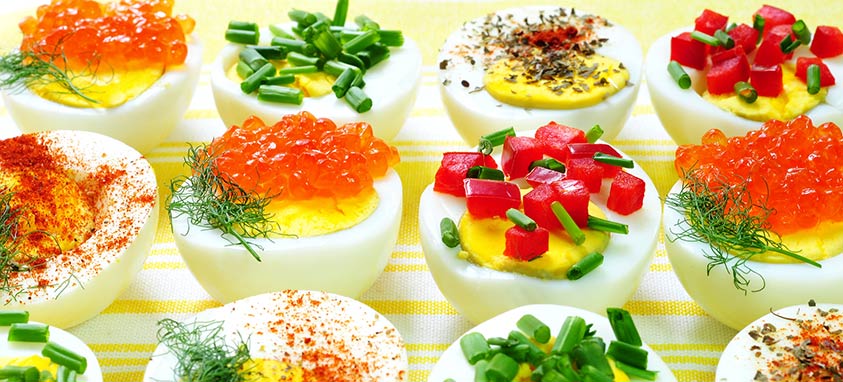
Deviled Eggs

Setup: Hard-boiled eggs can be kept on a serving plate, tray or at even in an egg carton. Add-ons include labeled bowls, sauce cups or mason jars.

Customizable add-ons: Capers, scallions, paprika, bacon, chopped olives, jalapeños, goat cheese, relish, horseradish, sour cream, mustard, cayenne, lemon juice, smoked salmon and ham bits.

Bloody Mary

Setup: A bloody mary bar can be as simple or elaborate as you want. The basic layout should include vodka and a variety of spices, pickled veggies, hot sauces and bloody mary mixes—one mild and one spicy. The two mixes should be in separate, labeled pitchers. Remember to include straws and small skewers.

Customizable add-ons: Spices may include black pepper, lemon pepper, paprika, kosher salt and garlic powder. Some pickled-veggie options are olives, pickles, beets, cauliflower, okra, pearl onions, pepperoncini, jalapeno, carrots, asparagus and green beans. To accommodate all tastes, sauces can include Tabasco, Frank’s Red Hot, Umami, BBQ sauce, sweet chili sauce, Sriracha, Tapatio, Chohula and Worcestershire sauce. Celery, lemons and limes are essential, too. For going big and bold, your bar can also include bacon, cheese, shrimp, clams and hard-boiled eggs.

Popcorn

Setup: Have a few basic popcorn options on hand such as kettle corn, butter and salt, and lightly salted to scoop into a bag. Provide salt shakers full of interesting seasonings and a few candies to throw in. Once your attendee has made her selections, she should shake the bag up before eating.

Customizable add-ons: Seasonings can include nacho cheddar, caramel, garlic parmesan, bacon cheddar, butter, popcorn salt, ranch, barbecue, honey mustard, salt and vinegar, Sriracha and jalapeno. Candy additions can include honey-roasted peanuts, M&Ms, Reese’s Pieces, gummy bears and pretzels.

Mashed Potatoes

Setup: Keep mashed potatoes in a crockpot or warmed serving tray. Set up martini glasses to fill with mashed potatoes, or portion potatoes into glasses beforehand.

Customizable add-ons: Bacon bits, cheddar cheese, mushrooms, chives, scallions, gravy, sour cream, jalapenos, tomatoes, diced ham, peas, shredded chicken and broccoli.

Hot Chocolate

Setup: Offer different hot chocolate flavors—such as milk, dark and white chocolate, and peppermint—in separate, labeled coffee servers. Put candies in glass jars and include syrups, straws and whipped cream.

Customizable add-ons: Candy add-ons can really make it special. Options include peppermint sticks and chips, caramel, sprinkles, coconut shavings, marshmallows, white chocolate chips, peanut butter chips and pirouette cookies.

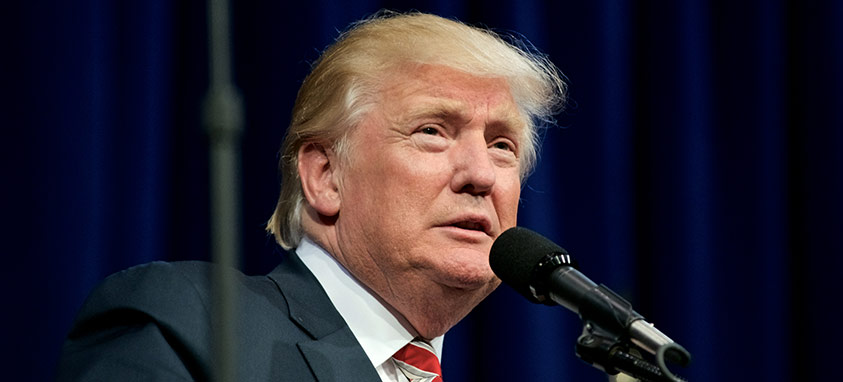
Big applause can soften hardball tactics, including President Trump’s pledge to sign a reworked executive order to ban travelers from seven mostly Muslim countries.

In the so-called Trump travel ban Round 2, Trump was expected to sign a less rigid executive order Wednesday restricting travel to the United States. But positive reviews of the president’s address Tuesday night to a joint session of Congress has postponed the move.

“We want the (executive order) to have its own ‘moment,’ ” a White House official told CNN.

Trump’s speech won praise—including from some in the travel industry—for its more optimistic tone and his plans to improve roads, airports and security.

Industry Measures Travel Ban Impact

Trump issued the first executive order after a week in office. The travel ban, now stalled in court, would have restricted travelers from Iraq, Syria, Iran, Libya, Somalia, Sudan and Yemen from entering the United States.

Many in the travel industry oppose the ban because they say it sends the wrong message to the world and will damage international travel to the United States.

One study said the U.S. travel industry lost $185 million in business in the first week after the original executive order. A report by NYC & Co. estimated New York tourism could drop by 300,000 tourists in 2017 compared with travel in 2016.

Travel Association Offers Praise and Caution

The Global Business Travel Association on Wednesday praised Trump’s pledge to ask Congress to approve legislation for $1 trillion to spend on U.S. infrastructure improvements.

“GBTA applauds the president for his commitment to long-term investment in our nation’s infrastructure, specifically our nation’s airports, and we look forward to working with Congress and the administration on these complex issues,” said Michael W. McCormick, GBTA executive director and chief operating officer, in a statement.

But the GBTA cautioned against the new executive order that would limit travel, although details of the order have yet to been released.

“As we await a new executive order on travel, we urge the Trump administration to keep in mind the importance of business travel to our nation’s economy,” McCormick said. “Closing our borders sends a message to the world that the United States is closed for business.

“Of course,” McCormick said, “security always comes first, but GBTA has always been a proponent for expanding proven security programs and developing new technology to facilitate information-sharing among governments to ensure travelers are always vetted properly, making us all more safe and secure.”

No word on when Trump will put pen to paper on that revised travel ban.