When it comes to incorporating healthy experiences in events, the saying “meet people where they are” was the touchstone for a series of seven Caesars Entertainment Meetings & Events Wellness Roadshows crossing the country. To educate meeting professionals about the company’s curated wellness menus of catering and content options, gatherings are happening from Washington, D.C., to Scottsdale and Columbus, Ohio, to Atlanta, Georgia.
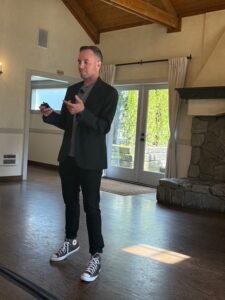
I caught up with the action at Chateau Lill just outside Seattle, Washington, and found an accessible, luxurious presentation of ideas optimized for groups large and small.
The Business Case for Alert and Focused Attendees
David T. Stevens, co-founder of Olympian Meeting, made the argument that leveraging the popularity of the $480 billion wellness industry to encourage everyone show up their healthiest, most focused self wherever they are on their journey is in the best interest of every event organizer.
That does not mean that every event needs a 6 a.m. yoga class, fun run or weight lifting session. His advice? Ask attendee as part of registration what wellness means to them and what they would like to participate in.
“Wellness is a journey not an end,” he said. Incorporating movement and mental health activities improves how people feel, how much they remember and their productivity.
Bonus: Group activations can also help to address the loneliness epidemic being experienced across the country.
A Million Reasons to Add Movement to the Agenda
Nolan Nichols
Nolan Nichols, founder of A Million Dreams, reinforced the message that baby steps can add up when it comes to wellness. “Consistency beats intensity” one moment at a time, he said.
When a healthy practice such as walking, journaling or just noticing is done daily, it can result in thriving rather than surviving. Healthy habits can also help make corrections in real time.
Nichols suggested what he calls the GLADS approach.
Each day do something that incorporates:
Gratitude
Learning
A Feeling of Accomplishment
Delight
And something that Scares you
Acoustic Experiences Align Audiences
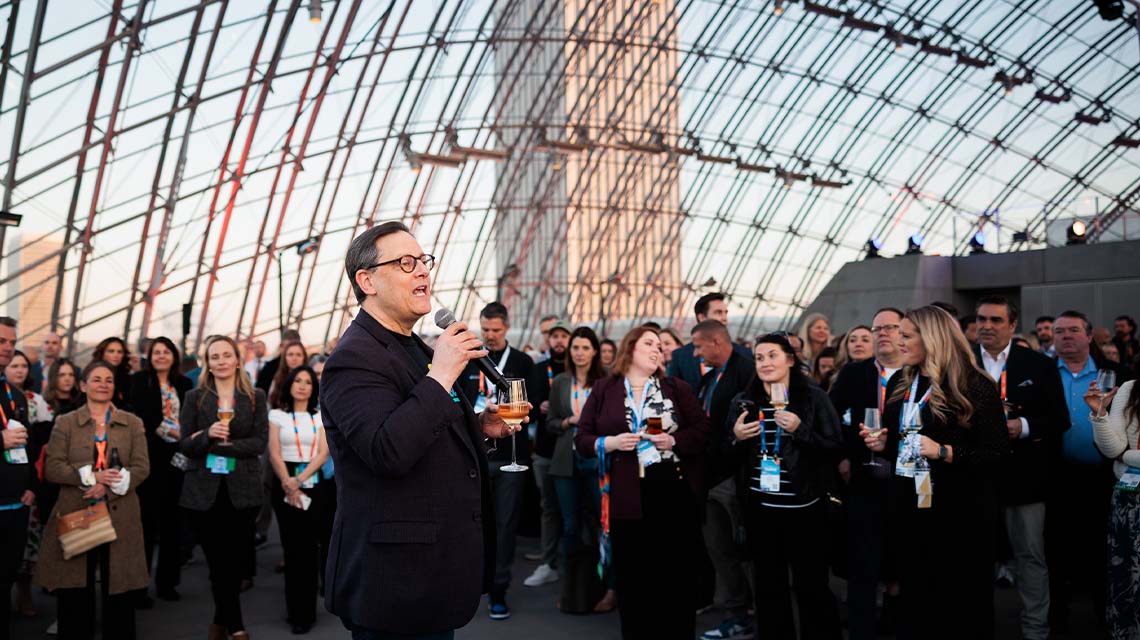
The day was as much about interactive experiences as it was about lectures. A sound bath activated singing bowls and bells to promote relaxation, stress reduction and a sense of shared well-being.
The comforting touches also included soft seating options, chair massages and Tableau filtered water.
Historic or new, these new and renovated properties are guaranteed landmarks
From exciting new builds to historic gems reinvigorated with new life, discover a new and renovated property certain to make your meeting iconic. Not only will you find yourself gathering in a bucket-list city, but a bucket-list hotel that’s an integral part of the city life. Did somebody say “sense of place”?
A New Landmark
Caesars Hotel & Casino New Orleans; photo credit: Moris Moreno
NOLA’s newest hotel is the latest Caesars Hotel & Casino New Orleans, designed by award-winning hospitality design firm Interior Image Group (IIG), on the eve of Caesars Hotel & Casino’s host status for Super Bowl LIX.
This debut is a result of the $435 million renovation and rebrand of the former Harrah’s Casino & Hotel and adds a completely new tower with 340 guestrooms and suites. IIG designed the interior of the new tower, from 286 guest rooms and suites to the lobby, infusing a style inspired by Roman baths and lush gardens. The remaining suites in the tower are part of the NOBU hotel-within-a-hotel.
In the lobby, a fresh, clean color palette with rich wood-tone elements and soft metal accents unite light and reflection with natural materials. The design is centered around creating a feel of architectural wonder, social energy and a distinct sense of place. In the lobby bar, sparkling crystal art installations on either wall catch light from an expansive overhead chandelier featuring an abstract design in the form of a golden laurel leaf crown.
The IIG-designed guest rooms continue the cohesion of natural light, material textures and craftmanship that create an indulgent and elegant feel. Guests can feel a sense of indulgence with soft, flowing blue textiles, gold light fixtures and custom graphics for a signature headboard treatment. The original Harrah’s Tower offers an additional 450 guest rooms, and the entire property offers over 20,000 sq. ft. of meeting space.
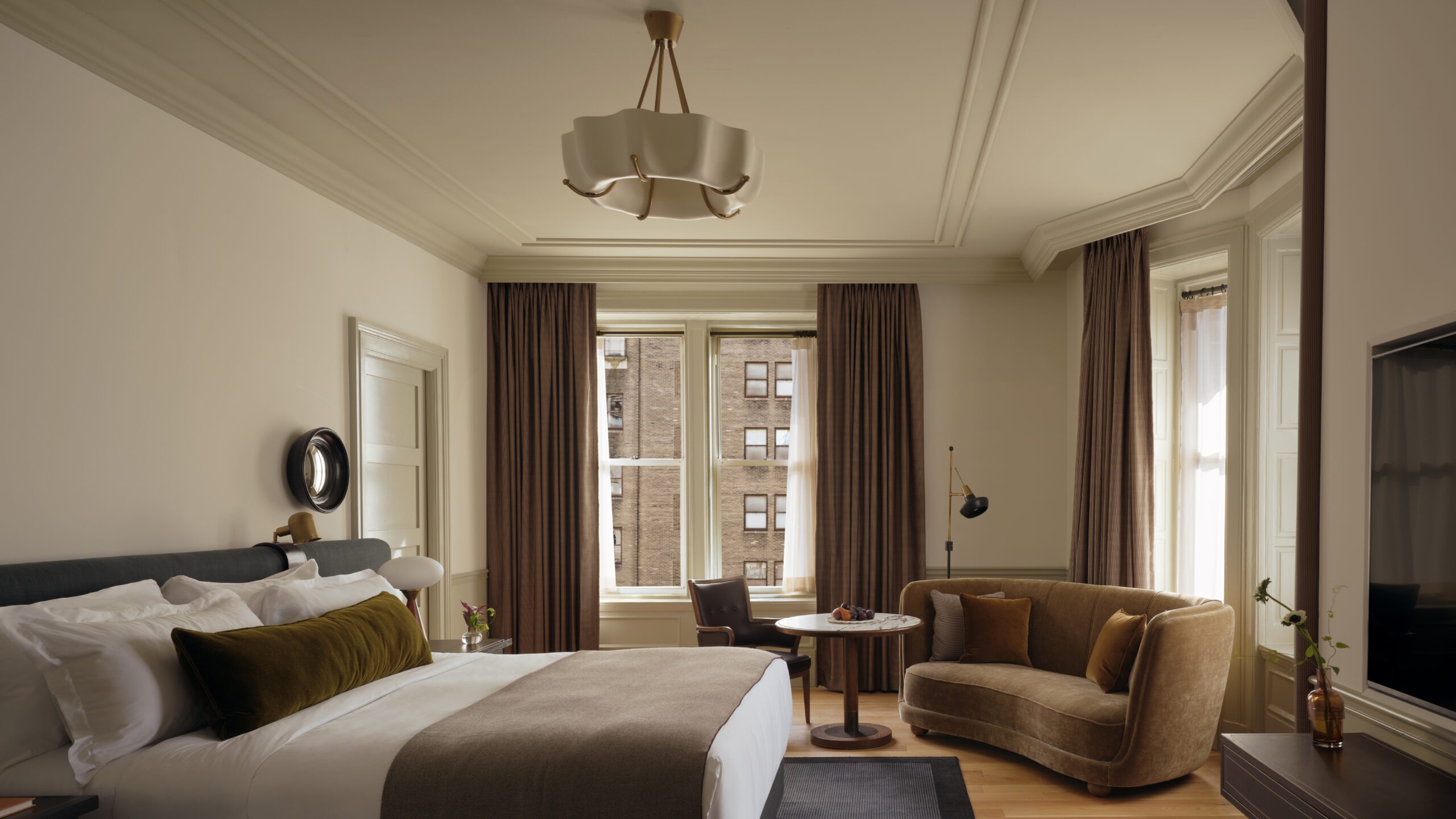
Known as “Grande Dame of Broad Street,” the iconic, 120-year-old Philadelphia hotel, The Bellevue, reopens following an extensive renovation to revitalize its historic spaces. Originally opened in 1904 by George C. Boldt, a hospitality pioneer, the hotel is an established testament to Philadelphia’s grandeur and cultural heritage. It is known for establishing the concept of the “modern American hotel.”
Now a part of The Unbound Collection by Hyatt, The Bellevue honors its storied heritage while inviting in a new era. Design innovator Tony Machado, head of design for LUCID, Highgate’s in-house design and construction studio, brought together a group of acclaimed creatives to collaborate and establish a design that upheld and restored The Bellevue to its original glory while blending in modern allure.
Some of these innovators include Ward + Gray, which led the interior design of the guest rooms and public spaces with an emphasis on the “original bones” of the hotel alongside a historically-minted take on 1900s opulence. Philadelphia-based Grace Song Studio, renowned designer Anoushka Hempel and many others worked together to layer unique historical elements with new life, through elements like stately bas-relief columns with ornate capitals, intricate coffered plaster ceilings, boiserie wall panels and full-height windows. Restored crown moldings and rich materials, such as soft velvets and hand-blown glass, bring to life a space that is undeniably historic yet comfortable and modern.
The Bellevue offers 184 newly restored guestrooms, including 39 suites, and over 30,000 sq. ft. of event space across three floors. Its famous ballroom, “The Grand Belle,” features the original ornate wall and ceiling moldings, replica chairs referencing its opera origins and museum-like historical artifacts. Across the many other private meeting spaces, groups can discover more original elements restored to their former glory. Additional major debuts include The Sporting Club, a 100,000-square-foot luxury wellness destination offering state-of-the-art fitness and recreational amenities.
Journey in Discovery
Hotel Granduca, The Library
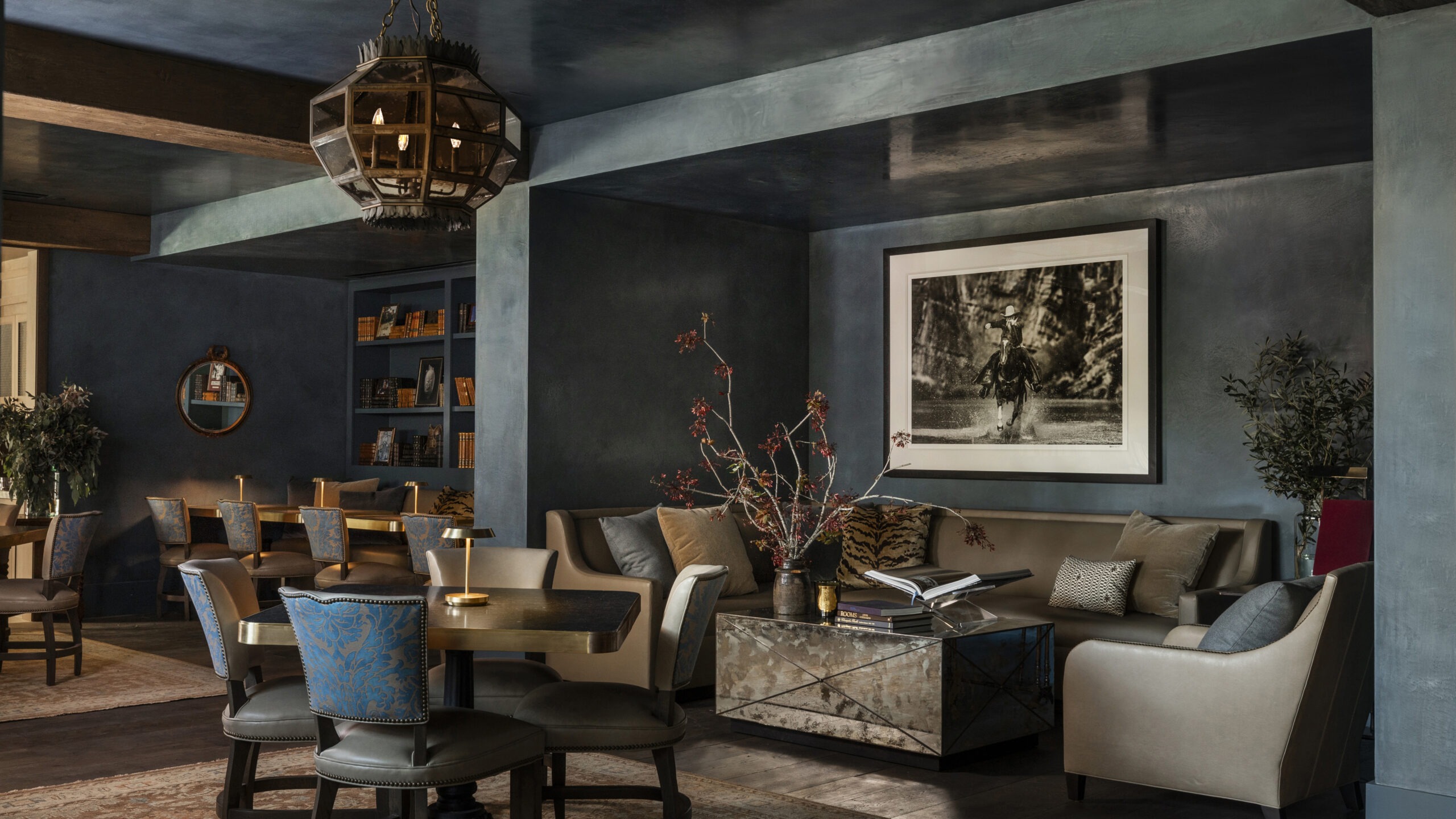
A completed multi-million-dollar renovation at Houston’s Hotel Granduca, the city’s only all-suite luxury hotel, brings a transformed experience melding European elegance with classic Texas hospitality. Since the hotel opened in 2006, it has established itself as a unique Houston icon that blends its classical European style with the vibrant energy of Houston.
The renovation, led by Houston-based interior designer Kara Childress, offers a boutique experience. Inspired by the historic charm of an Italian villa style monastery that has changed and evolved throughout time, spaces now feature a blend of reclaimed architectural elements, curated antiques and bespoke furnishings to emulate a lived-in feel. Antique Italian tiles, intricately carved wood ceilings, textured plaster walls and hand-selected lighting create an Old-World craftmanship feel, without sacrificing the comfort and luxury of the contemporary.
At the center of the renovation is the debut of Hotel Granduca’s signature restaurant, Remi. Guests can enjoy seasonal-driven dishes in a space that features signature photographs nodding to Houston’s heritage alongside burnt orange accents, gold finishes and hand-painted signage—with an extension into an indoor greenhouse. The adjacent Bar Remi serves as a coffee bar by day and a cocktail lounge at night. Further exciting renewals encompass the lobby, the garden courtyard and event spaces.
Over 5,000 sq. ft. of event space incorporate tailored furnishings, elegant drapery and a thoughtful blend of classic and modern architectural details. In the library, guests will find the essence of Houston’s “living room” with a marble fireplace, rare books and heirloom decorative pieces like oil paintings and authentic antique maps. Across 121 guest rooms, guests can continue the journey of discovery with antique furnishings, luxurious linens and views of lush gardens or the peaceful pool terrace.
Imagine you’re trying to get more guests to book at your hotel, but your ads just aren’t working as well as you hoped. That’s where programmatic advertising can help! This type of advertising uses smart tools that help you reach the right people at the right time. It’s a fast, easy way to make sure your ads are seen by people who might actually want to book with you. Let’s take a closer look at how programmatic ads can improve your hotel’s marketing and get more guests through the door.
Programmatic advertising is like having a super-smart helper buy and sell your ad space for you. It uses computers and data to show your ads to the right people—people who are most likely to book a hotel room. Around the world, more companies are starting to use this technology, and experts say the programmatic ad market will grow by 22.8% every year until at least 2030! For hotels, this means it’s a great way to stand out from the competition.
Why Should Hotels Use Programmatic Ads?
Here’s how programmatic ads can help your hotel:
Better Targeting: Instead of showing your ads to random people, these tools make sure the ads go to the kind of people who are likely to book a room. For example, someone searching for hotels in your area.
Quick Changes: Programmatic ads let you adjust your campaigns in real-time. If something isn’t working, you can change it instantly to make it better.
Save Money: You don’t have to waste money showing ads to people who aren’t interested. That makes your ad budget work smarter, not harder.
Real Hotels Using Programmatic Advertising
Here are two ways hotels have used programmatic ads to get great results.
Meliá Hotels International
They used programmatic tools to get more personal with their ads, leading to a 27% increase in direct bookings and a lot more loyalty memberships.
Facebook Ads Case Study
A hotel in the U.S. wasn’t doing well with its usual online ads. Once it used smarter targeting and better ad designs, the hotel ended up with over 2,100 bookings!
These examples show how programmatic advertising can really make a difference.
Steps to Start with Programmatic Ads
Want to try programmatic advertising for your hotel? Here are some easy steps:
Use the Right Tools: Start by using tools like Google Ads and AI to gather information about the people you want to reach.
Get Creative with Ads: Try different types of ads and test what works best, like colorful pictures or special offers. Use tracking links to see what gets people clicking.
Check Your Results: Always look at the numbers to see how your ads are doing. If something’s not working, you can change it fast!
As an Amazon Associate, Smart Meetings earns from qualifying purchases. We appreciate your support.
Ready for More Bookings?
Programmatic advertising can help your hotel reach more people and make every dollar you spend on ads work harder. By targeting the right audience, tracking your campaigns, and making changes as you go, you can bring in more bookings and keep your hotel full. This is especially important if you want to stay ahead in today’s busy travel market.
Want help getting started? Contact Smart Meetings today and let us show you how programmatic ads can make a big difference for your hotel!
AI tools were used in the development of this article
Why event professionals should look beyond just automation and efficiency, and use AI to unlock the creativity of your audience and make better human connections
On a stage in Rome last year, I listened to event producer Colja Dams assert that currently, the industry is seeing too many “AI hammers” desperately hunting for nails. He’s right, but he didn’t go far enough.
As a keynote speaker on future trends I spend much of my time at events, yet I’m an industry outsider. This perspective helps me see the industry’s lack of ambition when it comes to AI at events. Streamlining event planning with AI agents, personalized agendas, smarter chatbots, instant session summaries, and basic matchmaking—these are all useful, but they barely scratch the surface of what’s possible.
AI’s real impact will be a complete transformation of the value events create, for both the organizations that convene them and the individuals who attend them. Instead of simply aspiring to do today’s jobs quicker and easier, what if your audiences could generate genuinely useful outputs during their next industry conference or company meeting? And what if AI could ensure every attendee left having met the most relevant people in the audience, a super connector par excellence?
The good news? These aren’t fantastical aspirations, there are tools and experiences out there that are making this today’s reality.
Events Reimagined: From Consumption to Co-Creation
Events have historically been one-way streets, with speakers on stage talking to largely passive audiences. But what if we could flip this model, using AI to create more interactive and collaborative sessions?
Imagine an event where attendees aren’t just sitting back and listening, but where AI is actively contextualizing the content on the stage to their own professional interests and expertise. How much better would Q&A segments be if everyone had a personalized AI research assistant in their pocket, cross-referencing what was being said against their organization’s recent news, strategies and goals? Instead of struggling to absorb information, attendees would be better equipped to ask insightful questions or suggest actionable ideas, right there in the session.
We know one of AI’s superpowers is its ability to take huge amounts of data and make it meaningful. Google DeepMind trained a LLM called the “Habermas Machine” that could help groups find common ground even when discussing polarizing topics. Could your next moderator leverage similar tools to extract insights and ideas from even the most diverse of audiences?
But why stop there? AI is collapsing the gap between having an idea and bringing it to life. New AI tools like Adobe’s Project Concept accelerate the creative process, allowing users to explore hundreds if not thousands of novel combinations, in seconds. My very own VisuAIse Futures tool brings this to events by enabling hundreds of participants to quickly sketch their ideas, and then see them transformed into AI-generated visuals—as a live shared experience. Think Slido, but with rich images created by the audience themselves.
Think Slido, but with rich images created by the audience themselves. These interactive experiences will shift events from passive consumption towards dynamic co-creation. For organizations spending hundreds of thousands of dollars on bringing people together the potential to create and extract tangible value from participants during the event itself should be a deeply exciting one.
The chance encounter—chatting with a stranger in the lunch line who turns out to have exactly the expertise you need—has always been one of the most seductive elements of successful events. Yet it’s wildly random and inefficient.
Today’s AI matchmaking feels painfully superficial—typically based on job titles or location. True connections require deeper, contextual intelligence about someone’s goals. Boardy shows us what an AI “super connector” with this knowledge could look like. You message it on LinkedIn with your phone number, and then a few minutes later, you get a call. From an AI. After discussing what you’re working on and the types of people you’d like to connect with, the AI mines its database and suggests a connection via a double opt-in email introduction.
While it’s not currently focused on specific events, it’s not hard to see how transformative this could be. Imagine making a five-minute phone call on your way to registration, and after pickup up your badge receiving a perfectly curated list of the 10 most relevant fellow attendees, each with relevant context. It would be like Spotify’s Discover Weekly playlist, but with people instead of songs.
If AI can successfully shrink the degrees of separation, a 5,000-person summit might feel like a tight-knit workshop because everyone you encounter seems relevant or familiar. That could fundamentally change the vibe of large conferences—less roaming a sea of strangers, more “these are my people” cohesion.
AI’s impact won’t stop at the end of an event. A non-obvious but powerful opportunity will be turning events into continuous communities. Historically, you go to an event, you meet great people, you learn, and then you all go home and the energy dissipates beyond a few LinkedIn connections. AI will be able to nurture communities year-round (suggesting discussions, facilitating one-on-one follow-ups, delivering fresh content). Done well, this could sustain the ‘event high’, and change professional culture by making attending a conference like joining an ongoing club or society.
Reimagining Event Success: Our New KPI Should Be Joy
Tahira Endean, IMEX’s Head of Programming, has written inspiringly that “Our KPI is Joy.” She’s right. Events aren’t merely logistical puzzles to solve, but a vehicle for moments that, when done well, spark connection, creativity, and ultimately, joy.
Even today, we can see glimpses of this. The Poem Booth sprinkles some AI magic on top of the traditional photo booth experience, with guests receiving personalized poems alongside their photos. It’s a novel and fun way to bring people together and create shareable memories.
In the future, the most successful events will be those that strike the right balance between automation and authenticity. I’m excited for the day I can attend a conference and feel like it was designed just for me, while still walking away with the sense that I’ve been part of something bigger than myself. AI will be the key to this personalization-at-scale, but it will be the human touches – a smile at registration, a shared joke in the coffee break, an inspiring speaker who pours their heart out—that ultimately make an event worth attending.
AI will transform events, but it won’t replace the magic that happens when people gather and connect. It will just enable more of that magic to happen, if we get it right.
—
Henry Coutinho-Mason is a self-professed “reluctant futurist and provocative optimist’” who has given 150+ keynotes in 30+ countries on cross-industry trends and innovations, from the SXSW main stage to global boardrooms.
He is the author of “The Future Normal” and “Trend-Driven Innovation,” and most recently the creator of VisuAIse Futures, the interactive AI-powered creative experience mentioned above. Connect with him on LinkedIn or check out his speaking website here.
Attendees at Visit California Outlook Forum 2025 at JW Marriott Los Angeles L.A. LIVE were greeted by enthusiastic faces from California Polytechnic State University, San Luis Obispo. The hospitality students were part of a larger partnership with the university that embodies Cal Poly’s “learn by doing” ethos.
To find out what the university is teaching future meetings and event professionals and what they gleaned from the two days of sessions and networking, we asked Ryan Becker, senior vice president of communications and strategy with Visit California.
Beyond Parks & Rec
Photo by Max Whittaker
“These students are preparing to be managers of people, projects and the design thinking that goes along with that,” said Becker, who is a Cal Poly alum and on their advisory board. “That is where the power is.”
The program is actually called Experience Industry Management and it goes much deeper than traditional Parks & Recreation programs, according to Becker. The stated core values include “life balance, sustainability, service, leadership and innovation, curiosity and creativity, diversity and inclusivity, community and collaboration, and professionalism and integrity.” Those values are encapsulated in the vision statement: “Live, protect, explore.”
Becker is proud of how the program partners with the meetings and events industry to include students in Outlook Forum, IMEX and other travel industry gatherings to see first-hand the types of career paths possible.
In addition to staffing the registration desk and delivering a warm first impression, students worked with Cvent software, managed lines, acted as human arrows doing wayfinding, worked in the green room with speakers and scanned badges.
They are already being schooled in innovations such as eye tracking, sentiment measurement and event AI in labs at school.
They were also encouraged to attend sessions, network and take it all in. The conference emphasized the power of California tourism as an economic, social and cultural force for good.
“I was impressed by their confidence and thirst for knowledge,” said Becker.
He also learned a thing or two from a student social media manager while at a session.
“They proved they are learning to see the whole forest,” Becker concluded. “It is more than a lesson in how to do a task; it is learning how to think,” he said. “They are learning what questions to ask.”
Student Perspective
Don’t just take Becker’s word for it that the partnership was a win-win. We asked, “What will you take away from your Outlook Forum experience?” and the students were enthusiastic.
Brisa Bergfeld, a third-year major in Tourism and Destination Management, said: “The thing that I will take away from this conference is the confidence I now have in this industry. I am so glad I got to learn about so many different businesses, trends and data from the many panels. It truly opened my eyes past what we learn in school. It was also comforting knowing how business owners view us students as the future and want to help us succeed. Overall, this conference was unforgettable and will hold a special place in my memory bank to share with many people.”
Lizzy Phillipps, a fourth-year major in Recreation, Parks and Tourism Administration, elaborated: “It was an incredible experience, and I’m truly grateful for the chance to see the behind-the-scenes efforts firsthand. Being part of such a well-executed event not only deepened my passion for the industry, but also gave me a meaningful ‘learn-by-doing’ opportunity that I will always value.”
Acira Mehta, a fourth-year Experience Industry Management major with a concentration in Hospitality and Tourism and a minor in Food Science, said: “One of my biggest takeaways was gaining first-hand insight into the latest trends shaping the travel and tourism industry, while networking with professionals who are passionate about enhancing visitor experiences. The conference reinforced the importance of sustainable tourism and innovative marketing strategies, which I hope to integrate into my future career in event planning and hospitality.”
Zachary Eagle, a third-year Experience Industry Management major, concluded: “Visit California’s Outlook Forum is a gateway for networking possibilities for everyone in the industry.”
Smart Meetings may earn a small commission from any purchases.
AI tools were used in the development of this article
The Problem with Ordinary Coffee Makers
Let’s face it—most coffee makers are either underwhelming or overly complicated, leaving you with coffee that’s either inconsistent or not worth the effort. Tired of guessing the brew strength? Struggling with finicky grinders or pouring techniques? Enter the GEVI BrewOne 4-in-1 Pour Over Coffee Maker, a game-changing marvel of engineering that spins coffee-loving heads with its precision, customization, and ease of use.
Whether you’re a casual coffee drinker or a pouring-perfectionist, GEVI promises café-style coffee with minimal effort. Let’s see how it measures up to the hype.
Why GEVI? A Feature Rundown Straight from the Coffee Gods
Precision Grinding with 51 Grind Settings: GEVI boasts 60mm commercial-grade flat burrs with a mind-blowing 51 grind settings to suit every bean type and brew preference. This ensures uniform grinding, preventing over-extraction (bitter coffee) or under-extraction (bland coffee). Let’s be honest—who doesn’t want science on their side when chasing that perfect cup?
Built-In Scale: Yep, there’s a scale accurate to 0.0001oz (0.1g) for an impeccable coffee-to-water ratio. It’s like having a coffee scientist in your kitchen. Say goodbye to guesswork and hello to consistent greatness.
Customizable Brewing: Tired of “one-size-fits-all” machines? GEVI lets you:
Adjust the temperature (recommended starting point: 197°F).
Tailor brew sizes to single cups or larger gatherings.
Control volume, RPM, and F-rate for unmatched brewing precision. Honestly, it’s like a magic wand for your cup.
Follow Expert Recipes: Wanna feel like a World Brewers Cup champion? Start brewing like one! The machine offers predefined recipes, such as the 2023 World Brewers Cup winner’s settings:
Light roast beans.
Coffee-to-water ratio of 1:16.1.
Grind size of 22.
Temperature: 196°F.
Are you drooling yet?
Stylish & Durable Design: The stainless steel finish makes it not just a functional gadget but a centerpiece for your kitchen. It’s beautiful, tough, and timeless.
Hands-Free Brewing: Don’t want to babysit your pour-over? GEVI replicates expert pouring techniques, giving you that clean, well-extracted cup every single time. Perfect for folks who love great coffee without pouring theatrics.
As an affiliate, Smart Meetings earns from qualifying purchases. We appreciate your support.
Real-World Benefits: A Cup That’s Always Right
Consistency is King: Say goodbye to awful surprises—this machine ensures your coffee tastes like a chef’s recommendation every day. Liam Bennett, a verified user, calls it a remarkable improvement over older machines, praising its quiet operation and control settings. According to Liam, the clean flavor and aroma are unmistakable upgrades.
Saves Time, Enhances Flavor: Who has time to fidget with manual brewing? Enjoy delicious coffee without overthinking, thanks to intuitive brewing controls. Another happy buyer, Sophia Rivers, celebrates how GEVI automates the work while still giving you full control when you want to experiment.
Covers Beginners and Pros Alike: Whether you’re a newbie or a seasoned barista, this machine meets you where you are. Can’t decide on a coffee-to-water ratio? Follow GEVI’s tailored recipes, which match your roast and grind preference. Fancy tweaking a phase or RPM? Granted. Even your coffee-snob friend will quietly nod in approval.
How GEVI Stands Apart from the Competition
Compared to pricier machines like Breville Precision Brewer or the cult-classic Technivorm Moccamaster, the GEVI not only offers comparable (if not better) results but does it at nearly half the price.
Unlike Breville’s “preset only” approach, GEVI thrives on customization.
GEVI’s built-in grinder also beats Moccamaster, which requires a separate (and expensive) burr grinder for those perfect grounds.
And don’t even get us started on how much faster and quieter GEVI operates compared to competing models in its price range.
Is GEVI Worth It?
Absolutely, yes. The GEVI Coffee Machine isn’t just another piece of gear cluttering your countertop—it’s a game-changer that will have you looking forward to mornings (or afternoons, or evenings—who are we to judge your caffeine habits?). With precision controls, customizable recipes, and award-winning design, it delivers a luxe coffee experience without the barista price.
If you’re tired of mediocre drip machines or disappointed by cumbersome pour-over setups, the GEVI is your answer. Ready to elevate your coffee lifestyle?
Many hotel sales directors are looking for innovative and budget-friendly ways to impress clients and build relationships. One effective strategy is to offer surprise perks—small, unexpected gestures that can make a big impact on current and potential customers. Here are five reasons why incorporating surprise perks into your hotel sales strategy can transform relationships, promote loyalty, and ultimately increase bookings (and ROI). Plus, read through for a few real-world examples of surprise perks you can start using today.
Most meeting planners evaluate hotels based on predictable factors: space, facilities, amenities, and cost. Adding a surprise perk into the mix gives your property the edge. A thoughtful upgrade—be it a complimentary spa voucher, a room upgrade, or a personalized welcome package—sticks in a meeting planner’s mind long after their initial visit.
It seems like everyone offers “unmatched service,” so it’s the unexpected gestures that make a hotel feel special. These perks show you care about the planner’s experience and demonstrate your willingness to go the extra mile.
2. They Build Relationships and Loyalty
Meeting planners often work under tight timelines and stress. By offering a surprise perk, you communicate empathy for their needs and create a moment of stress relief.
Consider this: A planner arrives at your hotel for a site visit, and you’ve prepared a personalized gift waiting for them in their room. It could be something as simple as their favorite snacks or a handwritten thank-you note. These thoughtful surprises forge an emotional connection, ensuring the planner remembers the kindness shown by your team.
Building such relationships fosters trust, which plays a significant role when meeting planners decide where to book their next large event.
3. They Differentiate Your Property in a Competitive Market
With countless hotels vying for the same business, competition among sales directors is fierce. Adding surprise perks to your hotel sales strategy makes your property stand out in a crowded field.
For example, instead of just promising a “seamless experience,” back it up with small, exceeding gestures. Providing perks like early check-in or hosting a complimentary cocktail hour for the planner’s team during on-site visits can tip the scales in your favor. When all other factors are equal, something as simple as an unexpected gesture could mean the difference between winning or losing a booking.
4. They Increase Repeat Business
Surprise perks aren’t just about securing one booking—they’re about securing the next. Meeting planners have long memories when it comes to properties that exceed expectations. By surprising them with thoughtful perks now, you’re laying the foundation for a long-term relationship.
Consider a planner who chooses your hotel for a small corporate retreat, and you send them off with a personalized thank-you note and a discount code for future stays. That planner is much more likely to think of your property when booking the next event, recommending it to colleagues, or returning with larger groups in the future.
As an Amazon Associate, Smart Meetings earns from qualifying purchases. We appreciate your support.
5. They’re Cost-Effective with a High ROI
The beauty of surprise perks is that they don’t need to break the bank. In fact, the financial investment in perks is negligible compared to the long-term benefits they bring. A thoughtful token or experience—like forwarding a bottle of wine to a planner during their stay—can result in thousands of dollars in revenue gained when that planner chooses your property for their event.
Hotels that consistently provide added value through perks report higher client satisfaction and higher rates of repeat visits hotel sales strategy. Best of all, it’s easy to track their effectiveness: By connecting perks with direct ROI, you’ll know precisely how impactful even small surprises can be on your overall sales performance.
Real-World Examples of Effective Surprise Perks
Hotels that successfully leverage surprise perks often think creatively about their audience. For example:
A downtown hotel hosting a corporate leadership retreat surprised planners with curated “work-from-anywhere” kits, including branded notebooks, pens, and portable phone chargers.
A resort gifted planners with local, artisanal products, helping both the planner and the property make a lasting impression.
Some boutique hotels offer complimentary professional headshots for meeting planners and their team during group events—an essential item for professionals but rarely offered as a perk.
These simple but thoughtful examples highlight how proactive hospitality can win clients over while creating positive buzz around your hotel. Start small by sending planners handwritten notes, learn their preferences, and tailor perks to show them their business matters to your team. When paired with excellent service and world-class offerings, surprise perks are the key to securing bookings and building lasting partnerships with clients.
Take Action
To learn more about innovative hospitality strategies, stay up-to-date with Smart Meetings. Contact us today to discover how we can help you create memorable experiences that win over meeting planners every time!
Is the massive blaze at Heathrow Airport top of mind for you this week? Same here—the airport’s chief executive has just shared the latest updates. Feeling the chill from government spending freezes hitting your event? You’re not alone. Thinking about the Caribbean for your next meeting or incentive? We’ve got fresh data on the region’s tourism performance and what it means for planners.
As always, Smart Travel is here to bring you the latest must-read news in the travel and tourism industry.
Fire Forces Heathrow Airport Closure, Severely Disrupting Travel
Some flights out of Heathrow Airport are set to resume travel following a massive fire that caused a power outage at one of the world’s busiest airports. Tens of thousands of passengers experienced travel disruption during an incident Heathrow’s chief executive, Thomas Woldbye, called “unprecedented.”
Woldbye also said that he expects the airport to be operating at 100 percent by Saturday, but many travelers will continue to feel the impact of the fire throughout the weekend. The blaze began at the North Hyde electricity substation, with the London Fire Brigade arriving on the scene around 6:30 a.m. local time on Friday.
While no immediate evidence of foul play was discovered, Britain’s counterterrorism police are now leading an investigation of the incident due to questions about the security measures in place to protect citizens and travelers from severe impacts on critical national infrastructure. London’s mayor, Sadiq Khan, assured the public that the presence of counterterrorism officers is routine when such a major incident has occurred, and that there was “no reason at all for anyone to be concerned or alarmed.”
Travel Freeze on Department of Defense Civilian Employees Impacts Convention Attendance
The Department of Defense has ordered all civilian employees to cancel any upcoming travel “that is not in direct support of military operations, not for a permanent change of station and not otherwise deemed exempt as mission-critical by a DoD component head,” the Defense Travel Management Office said.
The 30-day travel ban was imposed as an executive order issued on February 26 and was accompanied by a freeze of civilian employees’ travel credit cards unless their travel has been certified as exempt. The White House also directly addressed upcoming events employees were scheduled to attend, issuing a statement that reads, “[Federal agency heads] shall prohibit agency employees from engaging in federally funded travel for conferences or other nonessential purposes.”
Earlier this month, United CEO Scott Kirby spoke at the J.P. Morgan 2025 Industrials Conference and addressed the overall impact on government travel, saying that the 2 to 3% of the carrier’s business from the U.S. government is “running down about 50% right now. So [that’s] a pretty material impact in the short term…And we’ve had some bleed over to the domestic leisure market.”
Sandals Resorts International Consulting with Banks for a Sale
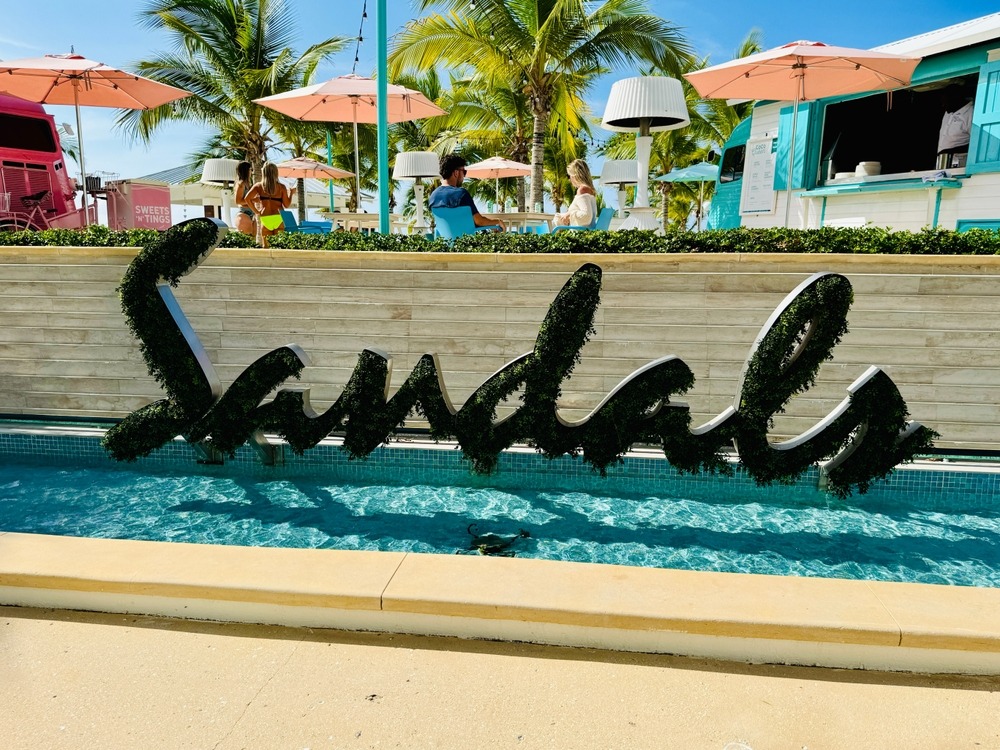
Sandals sign in The Royal Bahamian Sandals Resort in Nassau, Bahamas
Sandals Resorts International may be up for sale, according to a recent report from The Wall Street Journal, which notes the company is working with financial advisors to evaluate its options. The potential deal could be valued between $6 billion and $7 billion, though sources say a final decision has yet to be made—and Sandals has declined to comment on the speculation.
This isn’t the first time the luxury all-inclusive brand has explored a sale. In 2017, Sandals engaged Deutsche Bank to consider its options.
Founded in 1981 by the late Gordon “Butch” Stewart, Sandals has grown into a powerhouse in Caribbean hospitality, with 17 adults-only resorts and three family-focused Beaches properties across destinations such as Jamaica, Turks and Caicos, the Bahamas and St. Lucia. Since Stewart’s passing in 2021, his son Adam Stewart has led the company as executive chairman, spearheading a strategic expansion and brand refresh—including a nearly $1 billion investment to grow the Beaches portfolio.
The potential sale comes amid a wave of activity in the all-inclusive space, with increasing demand drawing attention from major players. Hyatt, for example, recently announced plans to acquire Playa Hotels & Resorts for approximately $2.6 billion, including debt.
For meeting profs, a change in ownership could shape future offerings and experiences at Sandals’ sought-after group and incentive destinations. Stay tuned as this story develops.
Mabrian Joins Forces with WTTC to Advance Data-Driven Tourism Growth
Travel intelligence platform Mabrian has signed a strategic partnership with the World Travel & Tourism Council (WTTC), positioning itself as a new Knowledge Partner to the global tourism organization. The collaboration, which also includes The Data Appeal Company – Almawave Group, aims to bolster the sustainable growth of travel through deeper, data-led insights.
Under the agreement, WTTC will gain access to Mabrian and The Data Appeal Company’s rich travel intelligence databases, offering comprehensive insights into air connectivity, traveler sentiment, demand profiling, accommodation supply and more. The data will inform WTTC’s research, policy development and thought leadership initiatives.
“Data-driven insights are critical to the sustainable growth of the Travel and Tourism sector,” said Virginia Messina, WTTC’s senior vice president of advocacy & communications. “We are delighted to welcome Mabrian as a Knowledge Partner and look forward to leveraging their expertise, as well as The Data Appeal Company’s, to enhance our research and advocacy efforts.”
Mirko Lalli, CEO at The Data Appeal Company, added, “Joining this partnership with WTTC is a significant step in our mission to empower the travel and tourism sector with data-driven insights…and drive more sustainable tourism development worldwide.”
The agreement was formalized at ITB Berlin, further cementing Mabrian’s long-standing relationship with WTTC.
CHTA Report Highlights Caribbean Tourism’s Growth and Optimism for 2025
The Caribbean Hotel & Tourism Association (CHTA) has released its annual Caribbean Tourism Industry Performance & 2025 Outlook Report, offering a promising view of the region’s travel sector despite ongoing challenges. Based on a survey of tourism businesses across 20 Caribbean destinations, the report details a year of revenue growth, increased investment and expanding visitor markets.
While high operating costs, labor shortages and profitability concerns persist, most businesses still reported profits in 2024—signaling resilience and continued optimism.
Key 2024 Findings:
Revenue Gains Despite Rising Costs: 65% of businesses raised room rates to offset expenses, with 57% also reporting increased food and beverage revenue.
Hiring on the Rise, but Skills Gap Remains: 47% expanded their workforce in 2024, and 36% plan to hire in 2025. Still, 73% reported challenges finding specialized staff like chefs and engineers.
Capital Investment Trends: 62% increased capital spending, with tax incentives playing a crucial role. Of those using incentives, over half said the projects wouldn’t have been feasible otherwise.
Market Growth: The U.S. continues to lead as the primary source market, with notable gains from the U.K., Canada and the Caribbean.
Profit Pressure: One-third of businesses reported a net loss, mainly due to surging costs. A striking 87% cited increased operating expenses, with more than half saying those increases outpaced inflation.
Looking to 2025, confidence is high—98% of respondents are optimistic about the year ahead. Businesses plan to continue investing in infrastructure, workforce development and destination marketing to keep pace with growing demand.
“The Caribbean tourism industry continues to show incredible resilience and adaptability,” said Vanessa Ledesma, CHTA CEO. “Even with rising costs and global uncertainties, the region remains one of the world’s top travel destinations, thanks to strategic investments and a strong commitment to growth.”
Smart Meetings interviews InVision CEO Angie Smith
Ever wonder how to make a stronger case to your C-suite to gain buy-in for your initiatives? Such as growing your programs or attaining more budget? How can experiential marketers achieve greater success in making a compelling business case and confidently navigating executive conversations?
In a dynamic and enlightening session at PCMA Convening Leaders, Angie Smith, CEO of InVision Communications, shared hard-earned lessons on presenting data to the C-suite. Her presentation, “Making My Data-Supported Business Case to C-Level,” provided attendees with actionable strategies to secure executive buy-in by aligning with their priorities and speaking their language.
Drawing on her experiences, Angie emphasized the importance of aligning your message with your audience’s goals and priorities. Here are key takeaways:
Understand the Executive Mindset
Executives are laser-focused on business outcomes. While event metrics like content delivery scores or attendee demographics might excite event planners, executives prioritize revenue, ROI, cost savings, long-term strategic impact, and actionable insights. Tailor presentations to these priorities. Before walking into the boardroom, ask yourself:
How does this data align with company goals?
What insights will drive decision-making at the executive level?
Focus on Impact, Not Details
Overly detailed presentations will fall flat with executives. The takeaway? Granular data serves as your foundation; only present high-level outcomes that demonstrate the program’s impact. Distinguish between “vanity metrics” (e.g., attendance numbers) and “value metrics” (e.g., ROI, customer retention). Use benchmarks and comparisons to provide context and credibility to your data.
Highlight results over processes. For example, instead of detailing the mechanics of a sales kickoff event, emphasize how it drove revenue growth or increased sales pipeline velocity.
Every data point shared should serve a purpose. If it doesn’t answer “why this matters,” leave it out.
Lead with a Story
Data alone won’t capture attention. Executives want a narrative—a compelling story that connects numbers to impact. Begin with a clear and relatable challenge, show how your initiative addressed it, and conclude with measurable outcomes.
Structure your story to engage quickly: “Tell me a story, don’t just give me info.”
Use visuals, analogies, and concise framing to make your points resonate.
An executive presentation shouldn’t simply present data; it should connect the dots between the initiative, the story, and organizational goals.
Clearly articulate how your program contributed to achieving the company’s objectives.
Conclude with a clear “now what?”—providing actionable recommendations or next steps based on the data.
Embrace Constructive Feedback
View criticism as an opportunity to align more closely with executive expectations and refine your approach. Before your meeting, prepare for challenging questions by anticipating executive concerns.
Remember that the C-suite is composed of humans—they value transparency, adaptability, and relevance.
Stay composed and confident when faced with critical feedback and pivot the conversation toward shared goals.
Bringing It All Together
Angie Smith’s session was a masterclass in transforming data into actionable decisions. By understanding the executive mindset, prioritizing impact, leading with a compelling story, and tying it all back to organizational goals, marketers can deliver presentations that resonate in the boardroom.
When building your next business case, ask yourself:
Am I addressing what matters most to the C-suite?
Is my presentation focused, impactful, and actionable?
Can I clearly demonstrate the “so what?” of my data?
Smart Meetings Interview with Angie Smith
What are some common mistakes meeting and event planners make when pitching to the C-suite, and how can they avoid them?
Focusing on logistics over business impact: Too often, event planners highlight execution details—venue, attendee count, satisfaction scores—without tying them to broader business objectives. The C-suite wants to know: How does this drive revenue, improve retention, or enhance brand equity? Shift the conversation to measurable outcomes and strategic value.
Drowning executives in data: While numbers are important, too much detail can dilute the message. Prioritize value metrics over vanity metrics—focus on ROI, customer engagement, and pipeline acceleration rather than just attendance numbers. Every insight should answer: Why does this matter?
Lacking a clear and compelling narrative: Data alone doesn’t inspire action—stories do. Frame your pitch with a beginning (the challenge), a middle (the strategy), and an end (the impact). Use concise visuals, compelling anecdotes, and a results-driven approach to make your message resonate.
What unexpected questions might planners encounter, and how can they best prepare to answer them?
“How does this align with our business goals?” Executives need to see a direct line between the event and the company’s strategic priorities. Be prepared to articulate this connection with clarity and confidence.
“What are the tangible business results?” Go beyond engagement stats—highlight how the event moved the needle on revenue, customer retention, deal velocity, or cost efficiencies.
“What’s next?” A great pitch doesn’t just present results—it paves the way forward. Have a roadmap ready, outlining next steps, optimization opportunities, and future impact.
Many professionals struggle with condensing granular data into high-level insights. What strategies or tools do you recommend to help them refine their presentations for maximum impact?
Lead with insights, not details: Start with the headline—What’s the key takeaway?—then back it up with supporting data. Executives should grasp the impact within the first minute.
Context is everything: Use benchmarks, trends, and year-over-year comparisons to make your data more meaningful and persuasive.
Turn numbers into narratives: Instead of just presenting figures, connect them to real-world impact—how did this event accelerate sales, deepen customer relationships, or drive measurable change?
Make it visual: Simple, high-impact charts, infographics, and well-structured slides make data digestible and compelling.
Beyond securing initial buy-in, how can professionals maintain executive engagement and continue demonstrating the long-term value of their initiatives?
Consistently report on impact: Keep the C-suite engaged with ongoing updates that demonstrate how the initiative continues to deliver results.
Always tie back to business priorities: Show how event strategies evolve to support shifting company goals, ensuring long-term alignment and relevance.
Embrace feedback as fuel for growth: View executive input as an opportunity to refine, optimize, and strengthen future initiatives.
Define a clear path forward: Executive engagement isn’t just about looking back—it’s about shaping what’s next. Present actionable recommendations, outline next steps, and continue building momentum.
Avoid pitfalls and protect your event
Contracts are the lifeblood and backbone of the meetings industry. Negotiating contracts is the first step before confirming speakers, color themes or catering options.
To better support planners in 2025, Smart Meetings chatted with Tyra Warner, associate professor and chair of the Department of Hospitality, Tourism and Culinary Arts at College of Coastal Georgia, to learn what they should consider when entering the contract negotiation phase of their event planning.
Budget Cuts and Cancellations
Shifts are bound to happen, especially for financial reasons. It is always good to be prepared for last-minute changes or cancellations.
“We drafted a new clause specifically for this issue…to say if government funding gets pulled, they can terminate the contract without liability,” said Warner.
Warner also advised using force majeure clauses to deal with any issues arising from government funding cuts. Warner also suggests adding a “frustration of purpose” clause if the reason the event was planned is no longer viable. That way, a contract can be ended without any issues or penalties.
Make Your Force Majeure Better
Having a reasonable force majeure in place means fewer headaches for planners if something happens that forces an event to pivot.
Avoid boilerplate language and focus on modern risks that could impact your event, such as inflation, AI distributions or geopolitical instability.
“I always suggest that people add sort of a catch-all phrase, like ‘or similar occurrences beyond the control of the parties’—that way, if aliens are landing or something we didn’t anticipate [happens], it’s covered,” said Warner.
Hidden Fees and Surcharges
When booking with a hotel, look for fees and surcharges. Sometimes, the numbers can get lost in the fine print.
“The first thing I do when I review a contract is go through and put dollar signs everywhere that I find a fee or surcharge, so I’m sure I captured them all,” said Warner.
Ask the venue to provide a breakdown of all fees. This includes administrative fees and any extra additions that are being factored in. Make sure the breakdown includes a description of what each fee covers.
F&B Prep
Typically, the cost of F&B is based on what’s happening in the market.
“I think it goes to the wisdom of making sure you lock in food and beverage prices as early as you can,” Warner offered.
By negotiating F&B pricing upfront, planners can ensure a cost cap clause to avoid dramatic price hikes. If your event is an afternoon lunch, consider not including dessert; it will help reduce the overall cost.
Data Security
Data: It is one of your attendees’ biggest assets and may require the most forethought.
Who is in charge of it? How long will attendee data be stored?
“Make sure the meeting organizer owns the attendee data and that the hotel can use it for service purposes only—not for marketing,” said Warner.
Transportation Cost and Risks
“Gas prices fluctuate, so we see changes in surcharges in transportation contracts,” said Warner.
When negotiating transportation contracts, look for fuel surcharges and make sure there is a liability.
Past Success is Also Important
Venues and hotels like to know that groups have a history or track record of successful events and are considered low financial risks.
Planners should be able to provide data on pickup dates, F&B spending and no-show rates. This helps to demonstrate consistent room block fulfillment and possibly negotiate better terms.
“Tracking all of that data and being able to convey it concisely strengthens your position,” said Warner.
Ultimately, it helps to ensure that every aspect of your contract is negotiated. Being proactive in all areas can only benefit you, your event and your attendees.
 The day was as much about interactive experiences as it was about lectures. A sound bath activated singing bowls and bells to promote relaxation, stress reduction and a sense of shared well-being.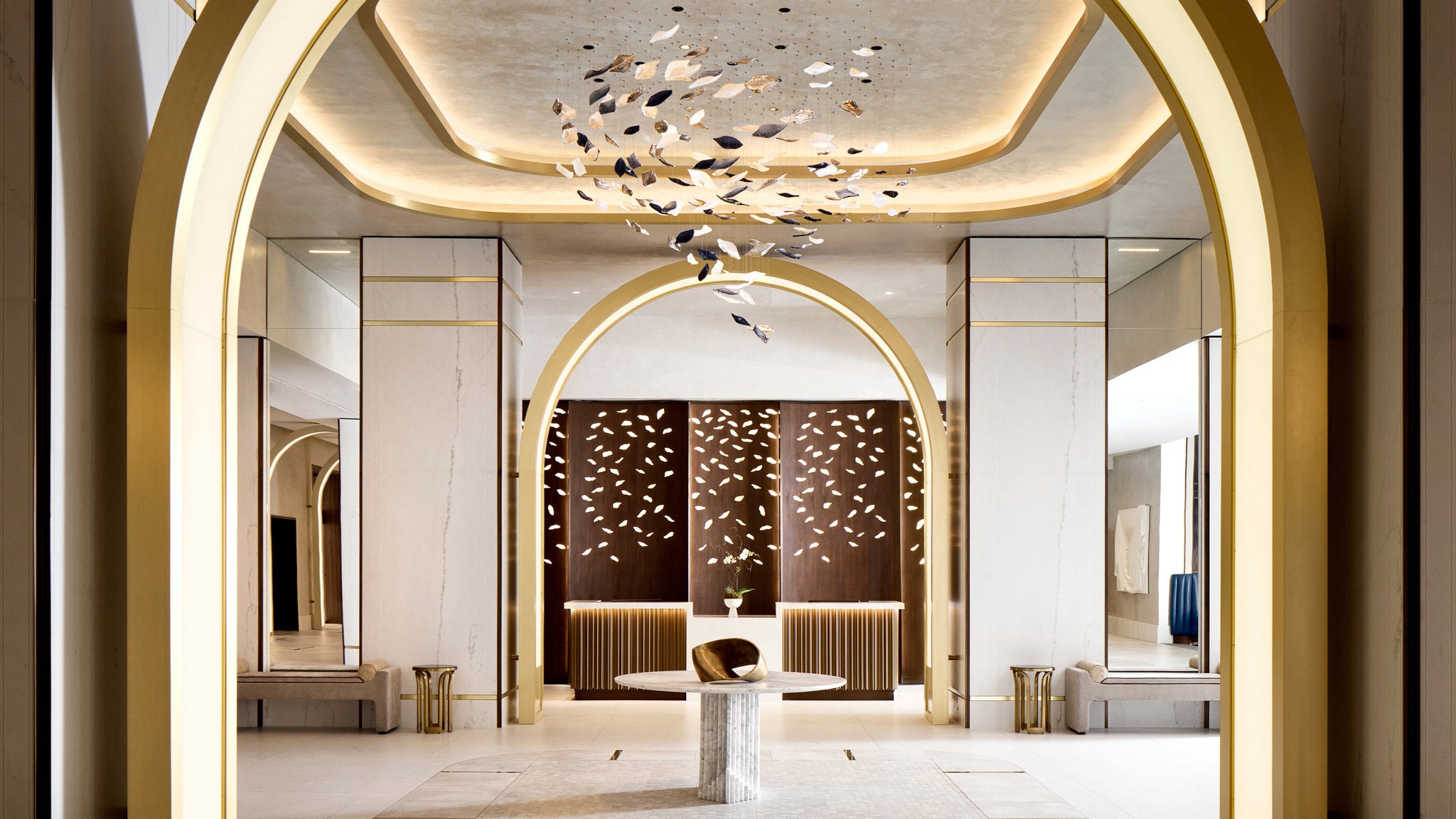



 In a dynamic and enlightening session at PCMA Convening Leaders, Angie Smith, CEO of
  Shifts are bound to happen, especially for financial reasons. It is always good to be prepared for last-minute changes or cancellations.