
The tradition room block model is under review and may see some significant changes in the future. This consideration comes as a result of “Room Block of the Future,” a recent study conducted by Hilton, NYC & Company and PCMA Foundation. The study was conceived with the intent to better understand the room booking behaviors—and motivators behind them—in the events industry.

In the study, it was discovered that half of participants attending large-scale conventions are foregoing the traditional room-booking process and are booking accommodations on their own.

The project, led by Kalibri Labs and Prism Advisory Group, sought to identify on what basis hotel booking decisions were made. They analyzed more than 2 million hotel and Airbnb guests records from conventions held in New York City, Houston and San Diego between 2015 and 2018, as well as a sample of U.S. business travelers who have attended a city-wide convention.

Related: Room Block Tips from Event Tech Week

A Quarter Unrecognized

According to the study, 25 percent of convention attendees booked hotel accommodations within the designated room block, but did not take the traditional room-booking route. This resulted in attendees not being recognized in the room block; this also left planners with unfilled rooms in their block. Planners that have an attrition clause in their contract could be left with a penalty if the agreed upon number of rooms are not filled.

More7 Critical Tips for Contract Clauses

What’s Behind This?

There are several reasons attendees aren’t taking the traditional route. For one, attendees dislike the idea of losing control of their hotel-booking process, as they might unable to do specific things they’d normally do in regular hotel bookings, such as having access to loyalty benefits.

Another factor affecting the hotel room block model is the notion that booking a hotel within the block is more expensive, which is a common misconception among attendees. In many of the cases—66 percent—it was proven that rooms reserved within the block are cheaper.

59 percent of younger attendees were found to be more likely to use alternate accommodations. This could be owed to the younger generation looking for more personalization in their experience, a thing which the traditional room-block process doesn’t provide as there is less flexibility in choice—such as in choosing your preferred room type, for example.

These findings could greatly impact how event professionals orchestrate their meetings—for the better. When planners better understand what their attendees want, they can provide a better experience not just for them, but everyone involved.
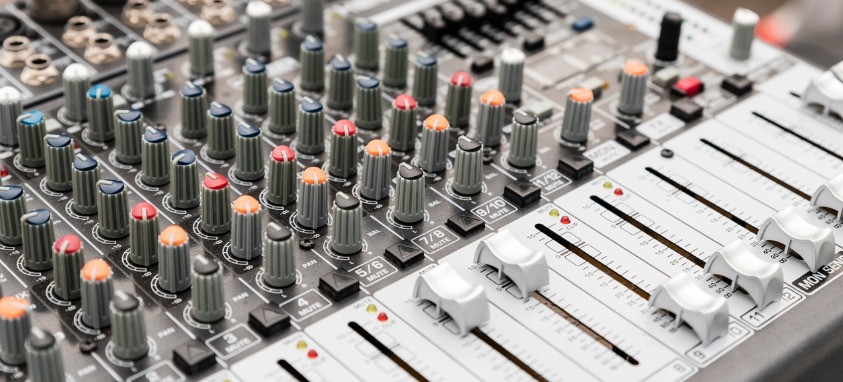
Audiovisual (AV) technology can make or break a meeting. You can have great speakers in a fantastic location and be sipping a delightful cocktail, but if your AV is sub-par, that is all anyone will remember. More than that, your attendees won’t be able to do what they came to your event to do—learn. To help make sure your AV is on point, Smart Meetings talked to Brandt Krueger, technical producer, educator, speaker and consultant for the meetings and event industry, along with Clarity Experiences experts Gary Lagestee, vice president of customer development, and Andi Hogan, regional general manager on how to elevate your AV experiences. Here is what we asked and what we learned.

What do you wish planners knew about AV?

Krueger said planners need to know just enough—”just the basics,” so that they can feel comfortable asking questions about their bids and invoices. “It’s OK to not know everything,” he reassured.

Hogan wished more planners understood how integral AV is to a successful event. Hogan said, “More planners should ask themselves, when picking a venue, designing the room seating or choosing an AV partner, how well can my attendees see, hear and engage with the conference content and let that question drive more of their partner, budget and location decisions.”

Is there anything planners could do to make your job easier?

Both consultants had a similar request: better and earlier communication. Krueger suggested planners, “share the information you do have, rather than waiting until you have everything. Even if there’s a possibility schedules might change, or the order of speakers might shift, we’d prefer to have as much information as possible, as early as possible.”

Similarly, Hogan mentioned involving AV consultants in hotel contracts as they have more experience and skill around how a contract might affect AV costs and capabilities. He also asked that planners communicate the goals and expectations of an event early on so consultants and technicians are equipped with all the information necessary to build a show that will live up to your, and your stakeholders, expectations.

What are some common mistakes planners make in regards to AV?

Venue selection is where Krueger said planners often go wrong. How to choose a venue like a pro? Consult a pro! Krueger suggested asking a trusted partner take a look at a venue and contract before signing off on it. “Remember, before you sign the contract, it is negotiation. Afterward, its begging.”

Hogan talked about budget as the thing planners often get wrong. Not the size of a budget, we know that’s not up to you, but what they can do with it. He said planners often assume new technology is too expensive and stick to the same-old while this is often not the case.

How should contracts be structured?

Lagestee waxed poetic about long-term contracts between AV companies and planners so that planners and consultants can count on consistency and quality from each other. Lagestee also talked about the importance of having an AV partner when negotiating contracts with hotels and venues.

Krueger said contracts should be simple and easy to read, with detail being provided in attachments or as needed. He says that “trying to plan for every possible thing that might go wrong is a never-ending quest, so don’t try.”

What tech advances in recent years have been the biggest game changers?

LED technology has, according to Lagestee, had the biggest impact on AV for events. LEDs have allowed flexibility and creativity in things like video LED panels at an affordable power price.

Krueger also cited advances in LED lighting, along with advances in mobile apps, projector efficiency and laptop technology. However, Krueger feels, “like we’re on the cusp of something,” especially in display technology, which he said “is on the edge of a revolution.”

If planners are on a budget, what should they never skimp on?

Audio quality is number one for Krueger while Lagestee says that video should be the first investment. Beyond that, they both agree that lighting is important in creating mood, good visibility and high-quality videos and photos necessary for marketing the next event.

Final bit of advice?

“Small changes can have a very large impact” and “budget is not always an issue to elevate an event” was the advice that Lagestee left us with.

Krueger said that hiring a technical producer is key for those who don’t have a techy person on staff, or those who simply don’t want to deal with the technical issues that arise.

Events are a necessity for many businesses. They help educate, promote, get work done and reward or celebrate the workplace. However, the cost for holding events is a huge concern. Businesses in a 2019 survey cited increasing costs and lower budgets as the top two challenges they face as they plan events.

This article will provide you with seven tips that meeting and event professionals need to create a memorable experience without breaking the bank as they plan upcoming business events.

1. Be Flexible with the Date

When you contact a venue to begin a discussion about booking, have more than one date in mind. Some days of the week may be more popular than others for certain venues, and they may offer a discount for booking on a day that they need to fill.

2. Choose a Slower Time of the Year

Traditionally, two of the slowest months for restaurants are January because of holiday fatigue and September as families adjust to a post-summer schedule. If you’re in an area that depends on seasonal business, such as a beach town or ski area, there’s a regular off-season for nearby venues. Ask the event sales staff for a booking date during a time where they need extra revenue and they may be willing to negotiate a deal.

3. Consider Breakfast

Opt for eggs instead of entrees and coffee over cocktails. Breakfast is the least expensive meal of the day, and a continental breakfast served buffet-style is the most cost-effective menu. You can get a little fancier with breakfast stations for special waffles, pancakes, or omelets, but that will include a price upgrade.

More4 Ways to Make Sure the Food at Your Event Will Draw a Crowd

4. Be Smart about Amenities

In addition to the space and the food, what else do you need to run your event? The list could include audio/visual equipment, decor, alternate furniture (a work/conference setup instead of dining tables), a lounge area, booths for sponsors, entertainment, and the staff to manage it. Search for venues that offer the amenities you need as part of their event package. If they don’t, you will need to hire outside vendors for those services and that will include a cost in addition to what you’re spending for the space and food.

5. Avoid a la Carte

Venues often provide packages and a la carte options, which allow you to choose different services, rentals, and food options to create your own custom package. This sometimes results in a more expensive event contract than if you were to start with one of the pre-designed packages. Start with a package and work with the venue’s event manager to see if they can cut out some options and reduce the bill.

6. Get Sponsors

You can offset the costs of your event by involving your business’ partners or local businesses or vendors who would like to connect with your attendees. Ask them to provide a fee for benefits such as running a booth, speaking at your event, sponsoring swag in the gift bags, or sponsoring a particular part of your event like a meal, a snack break, coffee break, or a cocktail hour. Are you working with multiple departments in your organization on creating this event or will their staff attend? Ask if those departments can pitch in on the budget.

7. Review the Contract

If every penny counts, let your event manager know that you have a small budget and sit down with them to go over the contract. They could point out some ways to save money, such as eliminating options that you don’t need or finding small ways to cut costs. For example, you might want to skip the decor because it involves a rental fee and a fee for staff to install and take down the decorations.

MoreMaster Win-Win Negotiations for Your Contracts

Author Azure Collier

Be Strategic to Stretch Your Budget

If you use these tips, you’ll go into your event planning mode prepared and ready to run a big event on a lean budget. As you plan more events, you’ll learn more ways to save costs. Create a checklist of these tips and add to them along the way to develop a playbook for creating a special occasion that provides resources and services your attendees need while still being frugal.

Azure Collier is the content marketing manager for Tripleseat, a sales and event management web application for restaurants, hotels and unique venues that will increase event sales and streamline the planning process.

Security was barely even an afterthought when planning an executive offsite or corporate event five years ago. However, attacks on shopping districts, sports stadiums and convention centers have become an all-too-common occurrence. In fact, the number of mass shootings in the U.S. rose above 300 in 2018, prompting event planners to reevaluate their physical security strategies. Is it time for you to rethink your safety checklist? Here are four steps to help get started on building a formalized security plan.

More: 3 Things Every Planner Should Know About Security

1. Evaluate Current Security Processes

Before developing a formal security strategy, take the time to survey current security measures to get a sense of what is working and what isn’t. This will reveal what is currently in place, as well as which processes are missing. To start, incorporate feedback from a variety of sources within the venue, such as customer service or guest feedback. For example, visitor experience is an important part of a successful event. By identifying guest flow, invasiveness and areas for improvement, event managers can build a plan that keeps venues safe while maintaining an open and inviting feel.

Additionally, connect with the human resources team to evaluate training for security guards. While some guards are current or former law enforcement, others may be new to security or may serve as greeters to maintain people flow. Ahead of an event, confirm guards are up-to-date with training, and if not, build training into their security plan.

2. Understand the Level of Security Needed

Event venues have a unique set of security challenges–open design, an influx of guests and a varying set of security capabilities. One day, a venue may be hosting a well-known speaker who attracts a large crowd. The next day, it could have several lesser-known speakers dispersed throughout the showroom floor.

Ahead of an event, event managers must determine the appropriate level of protection and screening needed for each day, based on the threat assessment of the attendees, topic of discussion, area and building.

3. Make a List of Security Measures to Implement

With a solid understanding of the current security measures in place and levels needed, think about immediate changes to improve security. This doesn’t need to be a drastic change. Focus on what could make an impact. For example, changes might include hiring additional guards for a high-profile guest or starting to use technology to supplement the guard force. It could also include finding a trusted security advisor to serve as a resource and help demystify the planning process.

More: Your All-Encompassing, Need-to-Know Security Guide

4. Build the Plan

Event managers can no longer use a one-size-fits-all approach to security. Tailored processes and protocols ensure security is properly deployed throughout an event. The planning process may take weeks or months and could go through multiple budget cycles and approvals, but event managers today need to consider which steps will have the highest impact to confidently deliver a safe environment for guests.

Anil Chitkara is the president and co-founder of Evolv Technology. Previously, he was an executive at Oco, Inc. and Parametric Technology Corporation where he was responsible for revenue, operations and strategy.

MGM Resorts International announced on Tuesday that it is selling the famed Bellagio fountains on The Las Vegas Strip—and the building that goes with them—to the real estate investment trust Blackstone Group at a valuation of $4.25 billion. The casino operator will retain a 5 percent stake and will lease back and continue to operate the property. Blackstone already owns Cosmopolitan of Las Vegas.

A press release from MGM calls the deal a “landmark transaction for the gaming and entertainment industry.”

The company is also selling Circus Circus to the owners of Treasure island for $825 million. MGM Resorts CEO Jim Murrin said the sales would “build a fortress balance sheet and return capital to shareholders.” He said the goal was to free up cash, offering MGM flexibility to operate in new and different ways—including sports betting and expanding to Osaka, Japan.

RelatedCaesars Sells Rio Hotel to New York Firm

The company has already moved a number of its Strip assets into MGM Growth Properties, another real estate investment trust.

MGM Resorts describes itself as a creator of “immersive, iconic experiences” with a portfolio of 30 hotel and destination gaming offerings expanding throughout the U.S. and around the world.

A Storied History

Bellagio has gone through many changes in its more than 20-year history. Casino developer Steve Wynn and the company that later became known as Mirage Resorts opened the property in 1998 on the site of the former Dunes Hotel as an homage to Bellagio, Italy. The Cirque du Soleil production O set up shop there for the opening. In 2000, Mirage merged with MGM and joined Mandalay Bay, MGM Grand and Park MGM in the portfolio.

Bad news continues for Seattle-based Boeing Co. with regard to its newest commercial aircraft, 737 Max. Not only have two Boeing 737 Max planes fallen out of the sky in recent months, the company is now being sued by the Southwest Airlines pilots union for withholding key information about a feature that may have contributed to the crashes. Here is what you need to know about the issue, the expected effects and how to stay safe when you take to the skies.

MoreAn Update on the Grounding of Boeing 737 Max Flights

Context

This all began last October when a commercial flight ended in tragedy off the coast of Indonesia. Then, in March 2019, another plane went down in Ethiopia, bringing the combined death toll to 346 people. The connection? Both planes were Boeing 737 Maxs.

The second crash led to a grounding of all Boeing 737 Max planes while investigations took place. There is also a review underway into the certification of the aircraft by the U.S. Federal Aviation Administration. This grounding resulted in serious financial loss for Boeing and airline companies, including Southwest. In fact, Southwest is the largest operator of the 737 Max, with 34 of them in its fleet.

MoreThe U.S. Grounds Boeing 737 Max Flights

The Lawsuit

The two crashes, aviation experts say, can be traced to a system failure—and the lawsuit charges that  Boeing rushed a product that had not been properly tested and reviewed in the face of stiff competition from a similar aircraft being introduced by French-owned Airbus.

According to Bloomberg, the Southwest Airlines Pilots Association suit states, “Boeing made a calculated decision to rush a re-engined aircraft to market to secure its single-aisle market share and prioritize its bottom line.” The suit alleges that “Boeing abandoned sound design and engineering practices, withheld safety critical information from regulators and deliberately misled its customers, pilots and the public about the true scope of design changes.”

Both 737 Max crashes were due to uncontrolled steep dives after the malfunction of a new feature called the Maneuvering Characteristics Augmentation System (MCAS). It is this MCAS system that airlines and pilots had not been notified of. Boeing, it’s alleged, downplayed the amount of training needed on the new aircraft.

Boeing’s Response

Boeing told Bloomberg it believed the lawsuit is “meritless.” The company also said it would “continue to work with Southwest Airlines and its pilots on efforts to safely return the Max to service.”

Staying Safe

Boeing 737 Maxs remain grounded for now. As the software is fixed and new pilot training is created, the reviews will be extensive. If and when the 737 Max returns to the skies, it will be in the best interests of all concerned—Boeing, airlines and passengers—that it is 100 percent fault-free.

If you’ve ever been on a Southwest Airlines flight, chances are your favorite feature was the low cost of the ticket or (if you’re an early bird) the unreserved seating—but probably not the absence of a seatback screen. Frequent fliers had better power up those devices or stock up on reading material; American, United and Alaska Airlines are all removing screens from most of their medium-range aircraft.

There are numerous factors driving the change. No screens means less weight, which translates to fuel economy. Seatback devices are also quickly dated, as they’re nearly impossible to replace as quickly as technology develops. Additionally, this year’s J.D. Power consumer report on airline satisfaction listed in-flight services (and food, obviously) as areas across the board in which consumers are least satisfied with their sky-high experience. However, the most prominent reason for retiring seatback entertainment is probably what you’re currently looking at.

Technically, It’s Personal 

Your personal device as a central hub of operations is quickly becoming ubiquitous, and not just in the hotel industry. Be it smart phone, laptop or tablet, customers come aboard with personal devices—screens provided at no installation or maintenance costs to the airline. Instead of inducing a never-ending headache by updating seatback devices that frankly aggravate customers as often as they delight, some airlines are focusing on increasing bandwidth and wi-fi capabilities instead, offering free content streaming to passengers.

Delta Does Both

Delta’s approach is a product of their in-house start-up Delta Flight Products, formed in 2016 to focus innovation on aircraft interior technologies with applications ranging from seatback services to seat construction. They’ve committed to upgrading in-flight devices –you may already have seen the new pop-out tablets, providing flexible use and easier upgradability. They’re also running tests onboard with a mission to provide free, high-speed Wi-Fi to all passengers within the next year or two.

Coming to a Seatback Near You

For the time being, it’s a grab bag out there. American, Alaska and United may retain the soon-to-be relics on some cross-country domestic flights, but are pruning old planes and ordering new aircraft sans screens. It’s just another day of southern charm and cheap fare at Southwest, who of course didn’t indulge our screen-addiction from the start. JetBlue, always a contrarian, has decided to go high-def rather than ditching: Their current retrofitting of all Airbus A320 planes includes upgraded touchscreen displays.

Your best bet may be to abide by the Boy Scout motto and be prepared. Manage expectations and be thankful that the trade-off is more USB outlets to self-power your Netflix binge – just don’t forget that power cord.

Stroll in to your local department or gift-y store if you dare—the holiday season is upon us. Despite gingerbread cookie-cutters populating shelves, there are still months to go until that tinsel-draped finale. Now is the time for the holiday season wake-up call. Or is it drop-dead call? We refer, of course, to that mischievous celebration of darkness, of what creeps and chills and thrills us—it’s Halloween time.

To plan a bash with a rattling of bones and banging of haunted-house doors, here are considerations for your 2019 Hallows Eve planning.

To Theme or Not to Theme

Whether it’s a corporate monster bash or a grand soiree, a theme makes everyone’s life a bit easier. Guidelines narrow endless possibilities, and a unique theme can get invitees to reveal their wild side. A semi-specific scope that has something for everyone will excite—think “famous musical artists” or “Netflix original series.” Something more grandiose? How about haunted New Orleans or opera masquerade themes?

In addition to inspiring attire, theming can easily rachet party particulars up a notch. Decor and treats get next-level notice when plain old sliders turn into mini “Royales with Cheese” at your Tarantino-themed fete.

Invitations that Excite

With most interactions happening in cyberspace these days, a physical invitation is rare enough to earn a place on the refrigerator. A clean, stylishly printed card with event details makes the gathering feel exclusive and will incite anticipation.  And it serves as a nudge that stands above the horde of emails.

If snail-mail invites are not in your time budget, give invitees an extra reason to RSVP online by putting stakes in the game. If you’re hosting a themed Halloween party, ask guests to submit creative names for the night’s cocktails, and then award winners the night of.

2019 Halloween Obsessions

To keep your pumpkin party au courant, tap into popular culture. Anything streaming is a good place to start: For TV inspiration, consider Stranger Things, Succession, Euphoria, Big Little Lies and The Handmaid’s Tale –all top-rated 2019 hits on the popular review site Rotten Tomatoes.

Nothing goes down easier than batch cocktails. Try an elegant, autumnal pear and thyme mimosa or get spooky with black sangria. For seasonal bites, the classic pumpkin can fuel sweet or savory offerings. And if you do only one thing to drift towards the crepuscular—get your hands on some dry-ice smoking swizzle sticks for the ultimate Instaworthy imbibement.


Building bridges comes naturally to Cisco. It is rooted in its DNA as a company and its approach to business. As such, it comes as no surprise that Cisco applies this same thinking to approaching challenges in planning its corporate conventions and events sustainably.

One of the most pressing areas that emerged in this endeavor was how to account for and balance the need to conduct business, convening teams from across the globe in a major city, with Cisco’s responsibility to the planet and destination communities.

Key insights into tackling this ongoing challenge facing their events were learned through the planning and execution of Cisco IMPACT, an 18,000-plus attendee, multi-venue corporate event held annually in Las Vegas. Steps involved fundamentally examining each piece of the event and asking, “Are we measuring and accounting for this? Can we do it better, and if so, who do we need to collaborate with to achieve this?”

Cisco identified one of its closest partners, MGM Resorts International’s destination venues, where areas of mutual opportunity and synergy soon emerged. An initial step was requesting the donation of unserved event food from their events. This resulted in the first-time donation at one of MGM’s Las Vegas resorts, The Aria, in 2016. It has now grown to a permanent and ongoing program that has expanded to six MGM properties. As of September 2019, it is estimated that 880,000 pounds of food have been collected and donated from these locations and distributed to those in need in the region. This translates to 733,000 meals to those in need.

Related3 Myths About Donating Food

The uptake and operationalization of this program is a powerful example of what is possible when client-driven initiatives in a supportive environment over a period of time can catalyze a lasting impact.

Phase II

A second area Cisco has begun to assess closely is how to leverage the power of procurement and sourcing choices for even greater good. In 2018, each Cisco attendee backpack was created by up-cycling 22 plastic water bottles into its fabric material. When viewed at scale, for 17,000 attendees, over 374,000 single-use plastic water bottles were saved from reaching our oceans and landfills.

MoreWant to be a Sustainability Expert?

Likewise, in 2019 the eco-friendly Positive Impact t-shirt from Tentree planted ten trees for every item sold, and as a result, yielded a positive outcome for the environment long-past the lifespan of the shirt. As a result, a total of 175,000 trees will be planted in exchange for Cisco IMPACT t-shirts. The carbon sequestered from these plantings, over a 10-year period, is estimated to be equivalent to offsetting the greenhouse gas emissions from 1,192,753 gallons of gasoline consumed or over 11 million pounds of coal burned.

The impacts from these sourcing impacts are far reaching and are a glimpse of what bridges to the possible can look like across the events industry.

Eric Wallinger is director of sustainability at MeetGreen, a sustainable event agency helping to integrate sustainable practices and producing events that deliver targeted business results.

Hiking with rescue dogs, chilling out with alpacas and cuddling cows are among the adventures offered by Airbnb Animal Experiences, which was launched this month to provide a groundbreaking solution for ethical animal experiences.

The new offering is a collaboration involving Airbnb, expert consultants and World Animal Protection. More than 300 species from around the world are included, and the animals’ well-being is prioritized.

More6 PAWsome Pet-Friendly Hotels Your Attendees Will Love

The following options are available to groups.

Enjoy and Give Back

Some 100 of the options are social impact experiences in which participants “give back,” providing a valuable meeting or team-bonding experience. Participants give back to the community and the organization receives help through their participation, with all proceeds going to the nonprofit that organizes the experience.

MoreCSR: A Motivating Force for Good in Incentive Travel

One of these experiences is Hoppy Hour in Portland, Oregon. Hosted by the 501c3 nonprofit public charity, it provides guests with tea and desserts, and they then can pet and hold bunnies. These bunnies often visit care facilities and hospitals, with their medical and behavioral health frequently monitored by veterinarians.

In addition to social experiences, other options encourage participants to be tourists with animals. Rest assured—the animal experiences must follow the guidelines set by Airbnb and World Animal Protection.

Relieve Stress

A variety of experiences can be customized by communicating with the host while arranging the number of guests that will participate, and the date. Airbnb collaborates with World Animal organization to assure a stress-free environment. The hosts, who know the animal’s personality best, are careful to create meaningful experiences for guests. Hosts answer whatever questions guests have and help them to de-stress.

Booking is easy through the website, which facilitates the listing of priorities. “With Airbnb Animal Experiences, locals and travelers are just a few clicks away from being alongside them in the real world,” said Brian Chesky, Airbnb’s CEO and co-founder.

Airbnb is one of the several companies responding to concerns about ethical animal tourism. TripAdvisor announced that by the end of 2019, its website will stop selling tickets to many animal attractions at SeaWorld.