Did you multitask in your meetings yesterday? Yeah, I figured as much. Imagine what your virtual event attendees are doing. If you’re standing in front of an audience, chances are you know some tricks to keep them engaged. You might pace around the room, use gestures, note who looks bored and ask them a question. Any number of things can bring attendee attention back to you in a live setting. But virtual events—webinars, meetings or hybrid conferences—leave you flying blind.

After producing thousands of presentations for virtual and live events, we’ve come up with three tried-and-true ways to make your next one a success.

Captivate Through Control

In a webinar or virtual meeting, your mission is to control attendee focus, so they don’t read ahead and then pop over to their email. You need to be deliberate about how you design your slides to keep them engaged.

While it seems a little counterintuitive, you need a lot of slides. Where in a typical meeting where you can pause on a slide for a while, you need to fly through slides every few seconds to keep your audience’s attention in the virtual world. Break apart your slides so there is only a snippet or two of information on each and keep them moving to sustain attendee eyes on the screen.

Use powerful visuals and elegant—not cheesy—animations to take the place of too much text. And don’t fall into a rut with every slide looking the same. You can still stay on brand while introducing variety by using a full-screen image or a solid-color slide with a few pithy words rather than repurposing the same old text template, slide after slide.

Your replacement for gestures? Vocal variety. Get loud; get soft. Vary your pitch from high to low, and your speed from fast to slow. Every now and again, pause—but not for too long.

Another great trick is to use anticipation. Say an attendee is looking at another screen like their phone, but is still listening. If you say: “as you can see right here” or “as I’m about to show you,” but don’t say exactly what’s on the slide. That way they may wonder what you’re showing and come back.

Use Platform Engagement Tools

Every webinar platform has tools designed to engage audiences, but they’re rarely used. You can set yourself apart by simply becoming familiar with the tools at your disposal. The simplest to use are highlighters, drawing tools for circling key points or moving your cursor to point at elements on your slides.

Polls are easy to set up in advance of your presentation. Just think of a few questions that would yield interesting results, prove your point or give you data to use for future needs. Take a few minutes to prepare answers for each of the possible outcomes and rehearse them, so you’re ready to handle whatever the queries might be.

According to Malcolm Lotzof, business technology strategist at Intrado Digital Media, “If the purpose of your presentation is to generate leads, you could use a tool like ours to deliver a call to action through a poll asking the viewers if they would like someone to contact them within 24 hours, 7 days, 30 days or never.”

And don’t wait to deliver your call to action until the end of your session when people are dropping off or preparing for their next meeting. Lotzof continues, “The key is to place the call to action in the presentation where an emotion is being elicited. The emotion drives the response, the response drives the call to action and the call to action drives results.”

Then, there’s video. Don’t just turn it on and leave it going. Use it strategically. Turn it on at your intro while establishing a connection, then off for a while when talking about complex information that the participant needs to process, and then back on when you’re making an emotional point. And be sure to end with it on. If your collaboration platform supports multiple videos, then start the webinar with you and your co-presenter on live video. If the platform supports pre-recorded video, use that in your webinar when appropriate to reengage your audience. Follow with your call-to-action poll, and you’ve created a dramatically different experience.

Prepare, Prepare, Prepare

Part of the problem with boring webinars is that best practices have died off. “Presenters—especially internal presenters—tend to wait until the last minute to prepare their decks,” says Lori Bush Shepard, a strategic marketing consultant and former corporate marketing vice president at Marketo and Clarizen. “They scramble to bolt together what I like to call a ‘Franken-deck’ of slides from other presentations. There’s often no cohesive story. You really need to take a step back, think of what message you want your attendees to get from the presentation and then structure a well-organized session to make sure they get it.”

What’s in this for your co-presenters? Are they product marketers desperate for leads? Are they looking to raise their status in the organization? Arm them with arguments for how being creative and being ready ahead of time can help them achieve their goals.

In Short, Everything Has to be Better

Don’t let your virtual events be a virtual disaster. Use creative and bold slide design, your platform’s engagement tools, video and a streamlined message to prevent a waste of effort. Bottom line: only engaged attendees convert.

Danielle Daly Sabaris is co-founder and CEO of Slidetown, a company committed to telling powerful stories with stunning presentation slides. She has over a decade of experience improving the quality of presentations in the business world and has produced some 10,000 impactful presentations for organizations of all sizes in a broad array of market segments.
Today, we are using technology nearly every hour of our daily lives. Every time we use our smartphone, tablet—even car dashboard—we are getting an instant interactive touch screen experience. Organizations and employees are looking for that same experience from their personal technology with their office tech. These features of technology are already present in the workplace to enhance a variety of collaboration and meeting needs, bringing internal and external employees, vendors, partners and service providers together to communicate, collaborate and create.

Here are four ways that event professionals can get started with collaboration technology, as well as considerations for choosing the right technology to meet your organization’s needs and allow for seamless, hybrid meetings.

1. First determine your organization’s work style and communication needs

In offices, people grab one another in the hallway to look at something. You need to scale that to dozens of people across various countries sharing documents or collaborating in a way that lets everyone easily see, understand and save the information or idea being shared. Before choosing your collaboration solution, it’s important to evaluate your organization’s work style and meeting communication needs. What technology is your organization already using to stay in touch or share ideas that they like and are familiar with? What are your needs for communicating with external companies, such as hotel or venue AV staff, suppliers, vendors or agencies? These considerations are important and can impact placement and selection of collaboration technology.

2. Next, choose video displays that add collaboration capabilities to meeting spaces

There are a lot of important components that make up a successful meeting space. At the core of traditional meeting spaces are features like phone conferencing systems or whiteboards and displays, but static whiteboards and old-school speakerphones have their limits: Whiteboards can be erased, with information lost forever, and speakerphones limit communication to only verbal transmission, when it’s proven that more than half of what is communicated is non-verbal. Video displays now come with a variety of white-boarding capabilities that allow teams to save and share the annotations and information they capture and make video or audio calls through conferencing software such as Zoom or Microsoft Teams to serve a wide array of meeting needs in a single solution.

3. Third, choose products that work seamlessly with any UC hardware and software

Of all the options available to effectively bring meeting attendees together, interactive displays that support apps and software are among the most versatile. Unlike projectors of meeting rooms past, these interactive displays often provide features such as touchscreen capabilities and integration with video conferencing software, such as Zoom. A sophisticated evolution that is functionally similar to paper or erasable whiteboards, interactive whiteboards intelligently allow annotation over charts, graphs and images, as well as the ability to erase all or part of an annotation and to save and share it with anyone. Agnostic end-to-end systems that work with the technology and platforms that you and meeting attendees already know and love allows everyone to connect seamlessly and share content without hassle, even as the tech evolves and new platforms, apps and features are added. This seamless integration ensures that meetings can be held with ease and without additional time spent on getting AV to work together, which can take away from meeting time and impact customer experience.

4. Finally, select technology that enables plug-and-play and easy startup features to reduce setup time and frustration

One of the simplest ways to enable collaboration is to use group technology that works with the wide variety of devices that meeting attendees already have and gives them the ability to connect and display their content easily. Enhanced productivity and reduced time to market are the main reasons companies are looking to add videoconferencing and collaboration/data sharing tools via new corporate AV equipment. Being able to meet spontaneously face-to-face not only allows people at different locations to get more done faster, it also improves camaraderie, communication and employee morale, which provides a competitive advantage. You should look for solutions that offer ready-to-collaborate, end-to-end bundles for a seamless end user experience that don’t require a lot of training or downtime.

Considerations for meeting planners coordinating with AV tech managers and IT pros in corporate, hospitality, large venue and other settings include choosing modern collaboration technology for meeting spaces that offer software support for the services they already use. This can help transform static meetings of the past into collaborative sessions that allow everyone on a team to participate while ensuring that no information is lost. Using edge-to-cloud solutions that provide data and control from remote locations to determine ROI and room optimization will help you choose modern collaboration technology that offers software support for the services your company already uses and efficient, scalable workspace tech.

Dana Corey is general manager and vice president of sales for Avocor, building high-performance sales teams and leading sophisticated organizations with P&L responsibility in the B2B electronics market for renowned technology companies such as Prysym, Barco and Folsom Research.

Guests are raising their already high expectations and demanding even more of their hotel stay. However, sourcing properties that have adopted these five trends will have them raving about their experience (and booking in the room block).

A Temporary Home

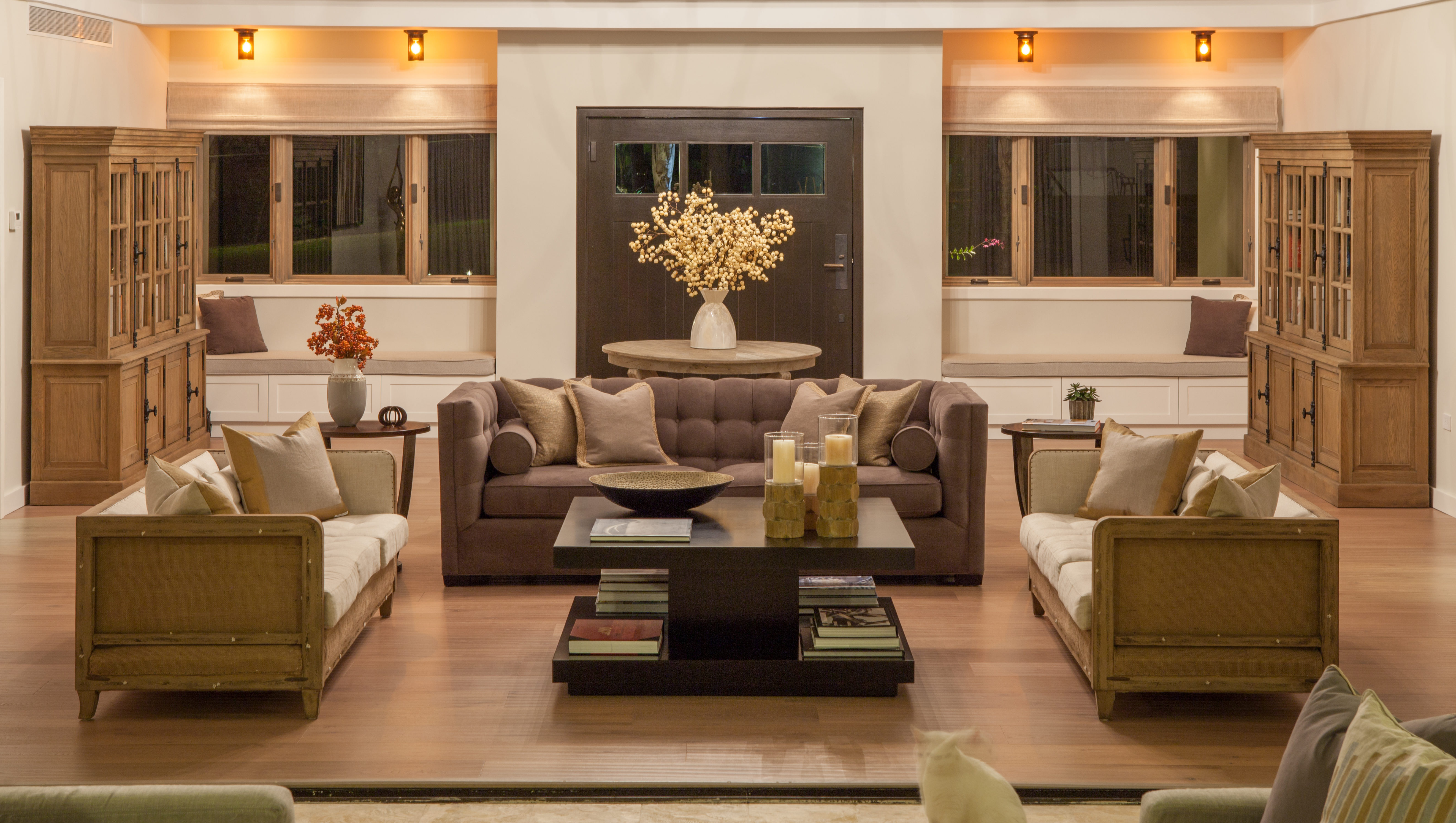
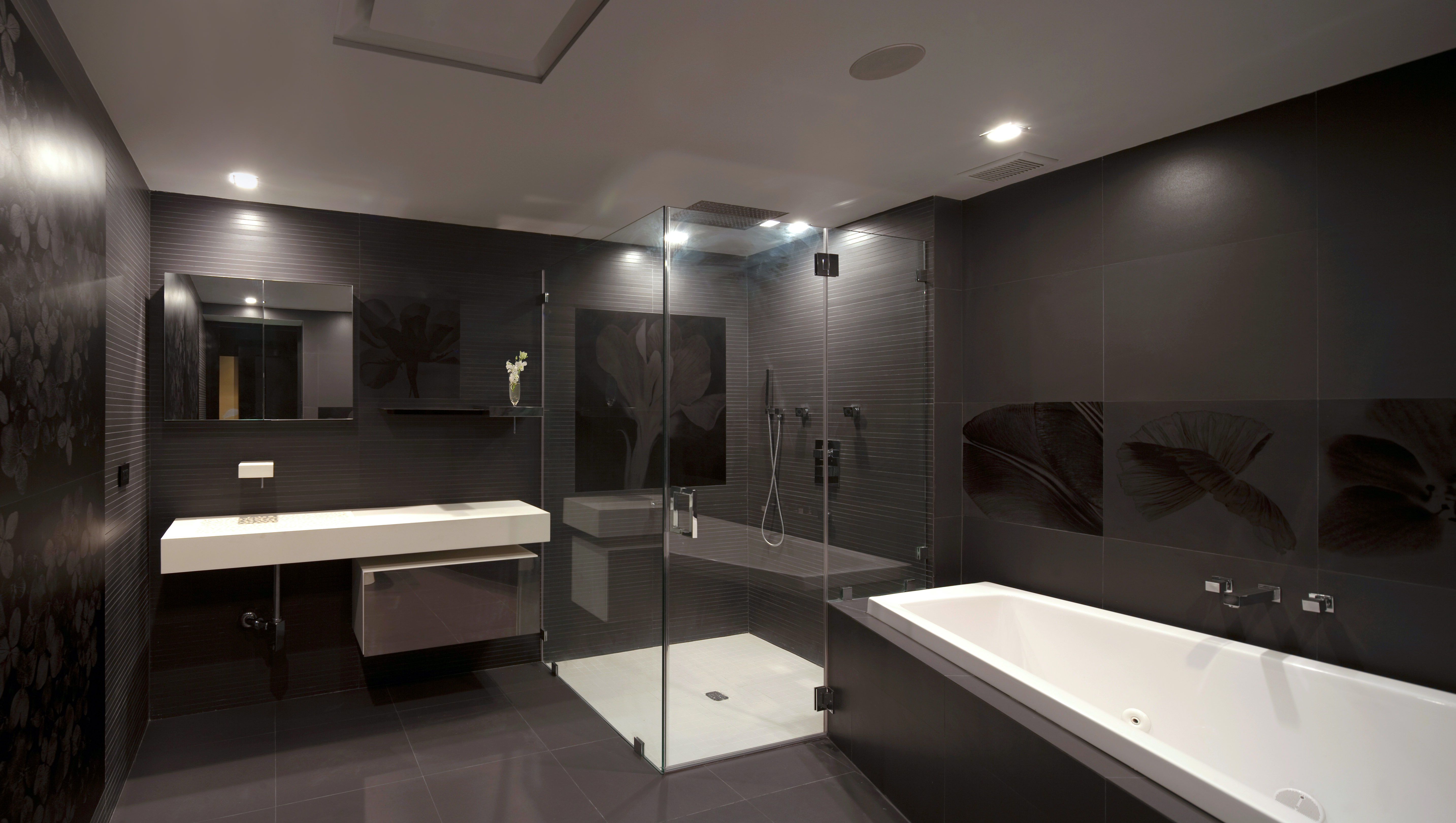
Travelers are continuing to seek out spaces that feel more individual and personalized. One of the key requirements is flexibility. With multiple design and layout possibilities, hotels are offering guests an innovative and more personalized experience that can be adapted to their individual needs. This trend also includes incorporating design elements that were previously only used in residential spaces, such as marble or living plants. Furthermore, technological advances in porcelain tiles allow hotels to create a residential “look” with commercial durability.

Outside In

In and Out design is all about blurring the lines of interior and exterior space. This style is especially prominent in tropical hotels, where spaces already flow together. Ways to incorporate In & Out design include indoor waterfalls, multilevel terraces, rustic wooden furnishings, walled gardens and vegetation. Mixing these design elements helps create new and unexpected environments for guests, giving them the sense that their hotel is unique and memorable.

Biophilic Design

Similar to In and Out design, biophilic design connects a visitor with nature. As many people spend most of their time indoors, they crave moments of interaction with nature. Biophilic design provides a way to meet those needs by creating a habitat in our built environments. Techniques that designers can use to achieve this include daylighting techniques, natural ventilation, indoor gardens, organic building materials, water and nature views.

The Millennial Factor

hotel trends

The hospitality sector loves millennials. With rising incomes and a passion for travel, they are a key demographic for conferences. Millennials care about the experience, not just the room. They will expect new features and perks, such as a digital concierge to help personalize their environment, along with free events, unique and affordable dining options and—of course—Instagramable experiences.

More8 Instagrammable Meeting Backdrops

Technology

As software advances, hotels will be able to fully integrate different platforms, making for a seamless stay. For example, departments such as catering, accounting, marketing and customer service will be managed under one platform, streamlining hotel operations and improving customer service. Front desks will start to disappear, as check-ins will be handled by kiosks or staff equipped with iPads. But smart properties aren’t completely eliminating face-to-face interaction, as it is still important for guests to see a smiling face to feel welcome. Once in their room, personalized tablets can control everything from room temperature to food service orders.

Cristina Villalon

More4 Tech-Forward Hotels and Destinations

The design and functionality of meeting spaces is also changing in order to adapt to new technology. Having a well-designed meeting area in hotels requires investing in things that bring people together. As electronic devices continue to become smaller and more portable, expect to see scaled down furniture to fit this new technology, along with open spaces and comfortable seating options.

Finally, hotels need to take a modular design approach and incorporate versatility, flexibility and connectivity to help bring people together, so they can create lasting relationships in a comfortable environment.

Cristina Villalon is co-founder, principal interior designer and director of Alvarez-Diaz & Villalon Architecture & Interior Design, an award-winning firm based in San Juan and Miami. AD&V is dedicated to creating Places of Purpose: holistic and sustainable architecture and interior design that enhances people’s experience of the world and improves their lives. She was awarded with the Star on the Rise Award from the Design Center of the Americas (DCOTA).

Scott Ward

Ward was named general manager of Embassy Suites by Hilton Tampa Downtown Convention Center in Florida. His career in hospitality began in 1992 at Interstate Hotels & Resorts, where he held various roles, including rooms manager, director of housekeeping, director of front office and director of rooms. Ward joined Hilton Hotels in 2009 as resident manager at Hilton Waikoloa Village on Hawaii Island; he later joined Hilton Riverside in California, serving in the same role until he was promoted to the helm of Doubletree by Hilton New Orleans, where he most recently served.

Sean McNamara

JW Marriott Denver Cherry Creek welcomed McNamara as director of sales and marketing. He most recently worked with Sheraton Denver Downtown as director of sales, a position he held since 2016. His hospitality career began on Hawaii Island, at Sheraton Kona Resort and Spa at Keauhou Bay, where he started as food and beverage manager and left as director of sales and marketing. McNamara collected many honors and accolades over the years, including being named to Marriott’s International Chairman’s Circle in 2018 and Sales Leader of the Year for Starwood North America in 2015.

Kimberly Payne-Ward

Payne was selected as senior sales manager of ATL Airport District Convention & Visitors Bureau in Atlanta, Georgia. Her first stint in the hospitality industry was for Fairmont Inn and Suites, where she worked as director of sales and marketing. She later joined Macon Convention & Visitors Bureau in Georgia in a sales position and was subsequently promoted to director of sales and convention services.

Brian King

King is the cluster director of sales and marketing for Santo Domingo Marriott properties, which includes JW Marriott Hotel Santo Domingo, Renaissance Santo Domingo Jaragua Hotel & Casino and Courtyard by Marriott Santo Domingo. Before joining the team in Santo Domingo, King was director of sales and marketing at The St. Regis Punta Mita Resort in Mexico. He has stints in Argentina prior to this, working as director of sales and marketing at Sheraton Iguaza Resort & Spa in Puerto Iguaza, and as account manager at Park Tower Buenos Aires.

Dana Kramer

Kramer has joined SportsPittsburgh as senior development manager. She has experience in many sectors, including events, hospitality and sales; she comes from Omni William Penn Hotel in Pittsburgh, where she served as sales manager. Kramer holds a Bachelor of Science degree from Robert Morris University in business administration, with a concentration in hospitality management and communications.

Cristina Scott

CWE Meetings & Events welcomed Scott as vice president of global operations; she’ll be based in Southlake, Texas. She comes from Sabre, where she worked for 24 years, holding numerous commercial management and sales operations roles. Scott has an International Master of Business Administration degree from Thunderbird-The Garvin School of International Management in Glendale, Arizona; a Bachelor of Arts degree in interdisciplinary studies from University of North Carolina and a Spanish studies certificate from University of Salamanca in Spain.

Chad Moon

Benchmark named Moon senior director of total rewards and human resources information systems (HRIS). He recently served as vice president of total rewards and HRIS for Two Roads Hospitality, headquartered in Denver. Before this, he held multiple human resources leadership roles, including director of total rewards for Intrawest Resort Holdings, also headquartered in Denver. Moon is based in Overland Park, Kansas.

We asked 12 brilliant event professionals about the biggest industry trend for 2020, and discovered…there isn’t one. That is, there is no single “big trend.” Rather, the responses painted a fascinating picture of how events will evolve—how they will look and feel different—in 2020.

More7 Phenomenal Women in Event Tech Share Their Best Advice

Though there were a few outliers—more outsourcing, more unique venues, more simplicity—there were also 10 trends which came up again and again. According to the trends identified by these experts, live events in 2020 will be increasingly:

  • Experiential, focused not only on traditional objectives such as education and networking, but also on making attendees part of the event and providing them with unique activities to participate in and share on social media.
  • Events will make greater use of non-traditional meeting formats, flexible seating arrangements and the innovative use of space, in order to provide…
  • More opportunities to connect and interact (not just “network”) in…
  • Smaller, more intimate settings, with the session leader acting more as facilitators of group members learning from each other than as presenters.
  • There will be increased emphasis on sustainability in all aspects of the event; not just recyclable badges, but also experimentation with different options to do away with plastic straws, Styrofoam cups and single-use disposable cutlery, which also supports…
  • A greater focus on attendee health and wellness.
  • Attendees will be more involved in co-creating the experience with event organizers and with each other, making connections across groups that have…
  • Greater diversity, building bridges between cultures and sparking new ideas.
  • Event organizers will recognize the need to be more strategic in how they plan and evolve their events to keep them relevant in this new environment and produce a measurable return on investment by providing…
  • Value and content before, during, and after their events.

Here are the complete responses.

Christy Lamagna, CEO and master strategist, Strategic Meetings & Events

Mindful meetings, sustainability, and experiential events are becoming mainstream as is flexible space and seating. Strategic planning is becoming part of the industry vernacular but is still not gaining the traction it warrants.

Trends are interesting, but the future of events must be built on a solid foundation that will stand the test of time. Only by evolving from tactical, money-spending events to strategic events which invest dollars and shorten sales cycles will we keep our industry relevant.


Tracy Fuller, president, Event Heroes

Experiential events—bringing attendees into the conference or event in some manner. The more we find ways of allowing attendees to be in control of their own experience, the better. This customizes the event to each attendee.


Marissa Pick, founder, Marissa Pick Consulting LLC

Into 2020, the need for experiential marketing to captivate and engage with event attendees is going to skyrocket. With consumers walking around with their heads down and completely engaged with their devices, it’s harder for people to focus and make connections in real life.

According to data from Microsoft, humans have a shorter attention span than a goldfish. It’s getting harder and harder to cut through the noise to captivate planner and delegate attention, and I anticipate companies will need to be creative and engage with their attendees before, during and after the event in new and exciting ways to make each event a memorable and engaging experience.


Liz King, CEO, Liz King Events

I think we’re going to see more of a focus on non-traditional meeting formats. Attendees have very short attention spans and want more interaction, shorter content sessions, and more innovative formats. This will push event organizers to think outside of the box, try new things, and change up the events we plan.

Jill Rasco, principal and senior account manager, Attendee Management Inc.

One of the biggest trends for event planners in 2020 will be cool venue seating. Attendees are looking for something different from the traditional auditorium-style layout.


Monica Wolyniec, marketing manager, Boomset

Among the biggest trends for 2020 will be artisan details to balance the digital aspects when it comes to live activations and food and beverage, plus more creativity in (unique) venue selection and use of space.


Michelle Bruno, president, Bruno Group Signature Services and editor, Event Tech Brief

Organizations and attendees will be searching for more simplicity, less noise (literally and figuratively), more healthful participation options and more opportunities to connect in smaller, more intimate settings with more diverse people. Places and spaces to just take a deep breath will be in higher demand.


Tahira Endean, head of events, SITE Global

Travel for the opportunities to explore and meet face to face—it builds bridges between cultures, between people, and allows for collaboration and momentum for projects and ideas to grow. It is core to what we do and we have to increase opportunities for dialogue.


Dina de la Vega, director of business development, AllSeated

Today’s clients have access to so much through social media—intimate events and privacy at events could be a big non-tech event trend of 2020! Let’s wait and see!


Shannon DeSouza, sales and marketing strategist, DeSouza on Demand

I am finding more discussion and event implementations that focus on minimizing their environmental footprint. We have seen badge recycling for years; however, I am now seeing convention centers choosing biodegradable cutlery, or bring-your-own-cup water and coffee stations—that’s pretty cool!


Dahlia El Gazzar, tech evangelist + idea igniteur, DAHLIA+Agency

Working with smarter partners and outsourcing more. Expanding the talent pool creatively, and co-creating experiences, content, and new ways of engaging event participants.

Lisa Carrel, CEO and co-founder, Proxfinity

Perpetual change. Now more than ever, organizers and business leaders are having to constantly evolve their business models. It’s not business as usual. Leaders of events that have been around for decades as well as new events must constantly evolve the way they reach their target market, the experience that they offer, and the value they deliver during and post-event.

Tom Pick is a digital marketing consultant who works with event management platform developer G2Planet to share the company’s insights and knowledge with corporate event marketing professionals.

Planners have a thousand details to consider when organizing a private event. So how can they keep the vision aligned?

A webinar by Skyline Exhibits aimed to answer that, hosted by Sofia Troutman, senior digital marketing and product innovation manager, and Jon Althoff, senior director of global marketing. The industry experts described how to keep the process focused, as well as some underestimated details that will help ensure your event’s success.

MoreMake Your Event a Grand Success with SWOT Analysis

Their first recommendation was to ask yourself these three questions before you start to plan—and refer to them when you’re making decisions.

1. What are your business goals and objectives for taking action?

Are you introducing a product? Promoting brand awareness? Putting on an event as a reward? Training clients on the usage of products or services? Be clear about your objective, and check back in on it throughout the process—ask yourself if this decision supports your original goal.

2. Is an event the most efficient approach?

Given the answer to question No. 1, is there a more efficient way to reach your objective? You’ll want to be sure meeting your goal is best served by a live event before you decide to put one on.

3. Do I have a laser focus on what participants should and will be included?

Make sure you know who you’re inviting and/or marketing to. Do your business objectives and likely participants match? Will their aspirations in attending be met by the outcomes of your event?

We’re betting you have the logistics down on how to plan your event—but tactics can always use a second look. Here are Skyline Exhibits’ tips on what to double-check, from start to finish.

Security

Think your event isn’t big enough to need security? Don’t be so sure. Security can include preparedness for emergencies, as well as crowd control in the event of a disaster. Do you know the venue inside and out? Are all staff aware of all exits and in fail-safe communication with one other?

It’s also important to make sure security has points of contact on your team and that communication is flowing freely. Additionally, check the venue’s emergency procedures in case of a natural disaster or another catastrophe—and make sure your team is aware of them.

Sponsorship

The biggest piece of advice on this topic is to make your presentations to potential sponsors as early as possible. Give the company multiple months of time before you need a decision. Here are some key steps.

More8 Essentials for a Killer Sponsorship Strategy

  1. Know prospective sponsors marketing objectives.
  2. Know what you have to offer (social media hits and access to attendees, for example).
  3. Create the right offer, with measurable goals and marks of success.
  4. Make your proposal specific and relevant to their business.

Budgeting

When budgeting, make sure to include prospective taxes. Specifically, ask your venue which of its costs are taxable. Also make sure you budget for event insurance—and check for indemnification clauses in your contract with the venue.

Buried in some contracts is responsibility for any damage incurred to the property during the event—even if from a natural disaster or one of their own staff. Make sure you’re only responsible for your team and your attendees.

Presenters and Speakers

How do you find a great speaker? Personal referrals are one of the most utilized and best bets to find talent. National Speaker’s Association and speakers bureaus are also great resources.

When you select a speaker, you’ll probably get a rack rate: Don’t forget that presenters’ rates can depend upon their preferences. The amount of travel required, proximity to other engagements, a choice of multiple slots, the day of the week and time of the event, and the opportunity to showcase themselves are all factors you can use to negotiate a lower rate.

Marketing

Create an event page, and excite your guest list with relevant content leading up to the event. Send emails over the weekend, when they’re more likely to get a click-through.

Make sure there is a prominent register button—don’t make attendees work to sign up. A video thumbnail embedded in the email sparks interest and can help you stand out from the fodder. Include a “thanks for registering” page with easy-share links so your attendees can let the whole world know they’re going.

Never underestimate the power of social media. Create a short, unique hashtag for your event and ask attendees to use it—make sure to tag speakers and notable attendees, and ask them to share the line-up on their social media. You can also invite presenters to write a guest post on your LinkedIn or home site to stir up interest from potential attendants.

Post-Event

Thank yous, social media shout-outs, event picture galleries and stand-out quotes tweeted from presentations are all solid tactics to leave everyone reminiscing—and talking you up to everyone they know. If you include a follow-up survey in a thank-you email, you will learn valuable insights from participants, whether good or bad. A post-event staff meeting to document successes and failures will help you determine the true ROI from your event, and be even more prepared for the next one.

Kimpton Hotels are spiking the punch from coast to coast with holiday catering (and entertainment) as diverse as the cities in which they reside.

For events at Kimpton Palladian Hotel in Seattle, collaborate with a mixologist at onsite bar Pennyroyal to delight guests with a seasonal punch fountain. Looking for dinner and a show? The hotel partners with The Murder Mystery Co. to present an evening of intrigue, with dinner at Shaker & Spear that includes a full-on interactive investigation led by a troupe of professional actors—clues and costumes included.

At Kimpton Alexis, also in Seattle, shed the gloves and pass your mug for another pour of mulled wine and hot toddies from the Some Like It Hot beverage station, or take the World Whiskey Tour: Holiday Style, with cocktails centered around amber spirits from Scotland to Japan.

More: Eat Your Way Through Seattle Meetings

A very tall elf once said, “The best way to spread Christmas cheer is singing loud for all to hear.” That’s exactly what you can do for up to 24 people at Holiday Karaoke in Electric Feather, a rentable private room with special holiday menus for both food and music in Outlier restaurant, adjacent to Kimpton Hotel Monaco Seattle.

On the East Coast, warm your guests with comfort food stations ladling tomato soup and serving up mac-and-cheese variations at Kimpton Hotel Monaco Pittsburgh. Decadent Hanukkah Celebration menus at Kimpton Glover Park Hotel in Washington, D.C. will entice with their take on versions of traditional fare such as hazelnut chocolate crunch rugelach, honey challah and house-made bagels and spreads.

Kimpton Lorien Hotel & Spa in Alexandria, Virginia, will transport guests in Francophile style. A seated dinner for up to 100 stars a seasonal presentation of Duck a l’Orange from award-winning Brabo Brasserie. Kimpton Hotel Palomar Washington DC, meanwhile, brings the bounty of the seas to the holiday table with its Feast of the Seven Fishes menu.

MoreExciting Ways Groups Can Ring in the Holidays in NYC

Hotels aren’t the only option for vivacious atmosphere at your event around the nation’s capital. Opt for a theme based on cuisine with distinctive settings and aliments to match at these restaurants:

Brasserie Liberte will accommodate up to 65 seated in its private dining room (complete with a separate side entrance) and serves French fare by way of traditional cooking techniques with modern spirit and sleek decor.

Cuba Libre Restaurant and Rum Bar evokes Old Havana with seated dinner for up to 224—and guests can up the festive atmosphere with cigar rolling, salsa dancing or a rum expert.

Baba offers a more relaxed setting in its communal space, conveying the feel of a cozy living room in the dim glow of evening lamps, fueled by tapas-style Balkan dishes.

It’s no secret that many Americans love sports, so attending a professional or a collegiate game is often included as a leisure activity in meeting and event itineraries. Most U.S. meetings destinations offer several sports options, but which offer the best experiences for fans?

WalletHub—a personal finance website that is also known for its free consumer tools—attempted to answer that question in its 2019 Best Sports Cities rankings, which were released Nov. 14. The big winner was Boston, which ranked first overall among large cities, including a No. 1 ranking in basketball and hockey.

The professional and college sports offerings of 418 cities were evaluated on 58 key metrics, grouped under four categories: performance by teams, season ticket prices, stadium accessibility and level of fan engagement. In determining the rankings, sports were given these weights, based on the total percentage of adults in the United States who claim to follow each sport: football, 50 percent; basketball, 31 percent; baseball, 27 percent; hockey, 15 percent; and soccer, 9 percent.

Top-Ranking Cities

Although Boston was the clear-cut leader, New York City ranked as the second-best large sports city, followed by Los Angeles, Pittsburgh, Philadelphia and Chicago. The top cities for the other individual sports were Pittsburgh (football) New York City (baseball) and Los Angeles (soccer).

Separate rankings were given for large (more than 300,000 people) midsize (100,000 to 300,000 people) and small (less than 100,000 people) cities. Cincinnati was ranked as the best midsize city for sports, followed by Buffalo, Green Bay (Wisconsin), Salt Lake City and Orlando. Clemson, South Carolina, topped the small-city list, trailed by West Point, New York; State College, Pennsylvania; Chapel Hill, North Carolina; and Tuscaloosa, Alabama.

Best vs. Worst

WalletHub’s research revealed a wide disparity between the cities scoring best and worst in some categories.

  • Cookesville, Tennessee had the lowest minimum season-ticket price for a college football (FBS an FCS) game, $36, and South Bend, Indiana—home of the Notre Dame Fighting Irish—had the highest, $1,150.
  • New Orleans had the lowest average ticket price for an NBA game, $30.20, and New York City had the highest, $97.77.
  • Phoenix had the lowest average MLB ticket price, $20.86, and Boston had the highest, $59.32.
  • Atlanta had the highest attendance rate for MLS games, 124.71, while Minneapolis has the lowest, 47.05.

The Lists

Here are some of the main rankings from the research. Each city was ranked on a 100-point scale, with a score of 100 representing the most favorable conditions for sports fans.

Large Cities

  1. Boston 25
  2. New York City 15
  3. Los Angeles 2
  4. Pittsburgh 6
  5. Philadelphia 34
  6. Chicago 92
  7. Washington, D.C. 52
  8. Dallas 97
  9. Oakland 24
  10. Denver 2

Midsize Cities

  1. Cincinnati, Ohio 94
  2. Buffalo, New York 71
  3. Green Bay, Wisconsin 27
  4. Salt Lake City, Utah 51
  5. Orlando, Florida 24
  6. Glendale, Arizona 60
  7. Ann Arbor, Michican 32
  8. Durham, North Carolina 22
  9. South Bend, Indiana 30
  10. Baton Rouge, Louisiana 15.50

Small Cities

  1. Clemson, South 58
  2. West Point, New York 84
  3. State College, Pennsylvania 64
  4. Chapel Hill, North Carolina 56
  5. Tuscaloosa, Alabama 01
  6. Hanover, New Hampshire 87
  7. Morgantown, West Virginia 58
  8. East Lansing, Michigan 47
  9. Princeton, New Jersey 13
  10. Buies Creek, North Carolina 01

Football

  1. Pittsburgh
  2. Boston
  3. Green Bay, Wisconsin
  4. Dallas
  5. New York City
  6. Miami
  7. New Orleans
  8. Oakland
  9. Philadelphia
  10. Seattle

Basketball

  1. Boston
  2. Los Angeles
  3. Oakland
  4. San Antonio
  5. Salt Lake City
  6. Miami
  7. Oklahoma City
  8. Philadelphia
  9. Chicago
  10. Houston

Baseball

  1. New York City
  2. Los Angeles
  3. Louis
  4. Boston
  5. Chicago
  6. Atlanta
  7. San Francisco
  8. Arlington, Texas
  9. Oakland
  10. Cincinnati

Hockey

  1. Boston
  2. Detroit
  3. Pittsburgh
  4. Chicago
  5. New York City
  6. Newark, New Jersey
  7. Anaheim, California
  8. Buffalo, New York
  9. Tampa, Florida
  10. Washington, D.C.

Soccer

  1. Los Angeles
  2. Atlanta
  3. Salt Lake City
  4. Portland
  5. Seattle
  6. Atlanta
  7. Kansas City
  8. New York City
  9. Washington, D.C.
  10. Cary, North Carolina

Portland Regency Hyatt, Oregon

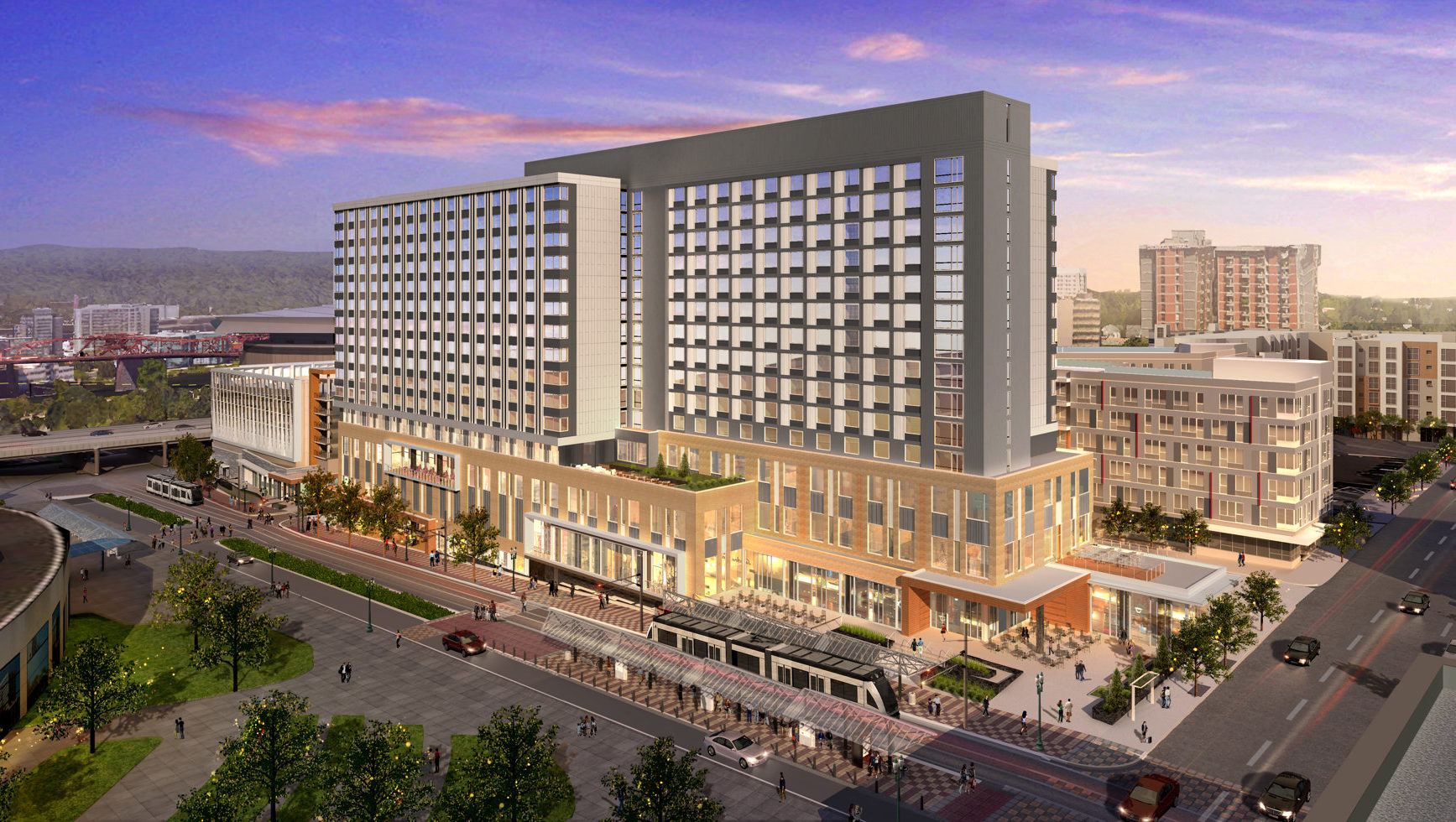
This 600-room property—which is accepting reservations beginning Dec. 19—is directly adjacent to Oregon Convention Center and smack-dab in the middle of the city’s neighborhood divisions. It’s a full-service hotel with 20 event venues spanning 39,000 sq. ft., a multicultural barbecue restaurant and a 24-hour guest market with local treats and snacks. The property is just a few miles from the Portland International Airport (PDX) and a quick walk from a MAX rail station.

Graduate Annapolis, Maryland

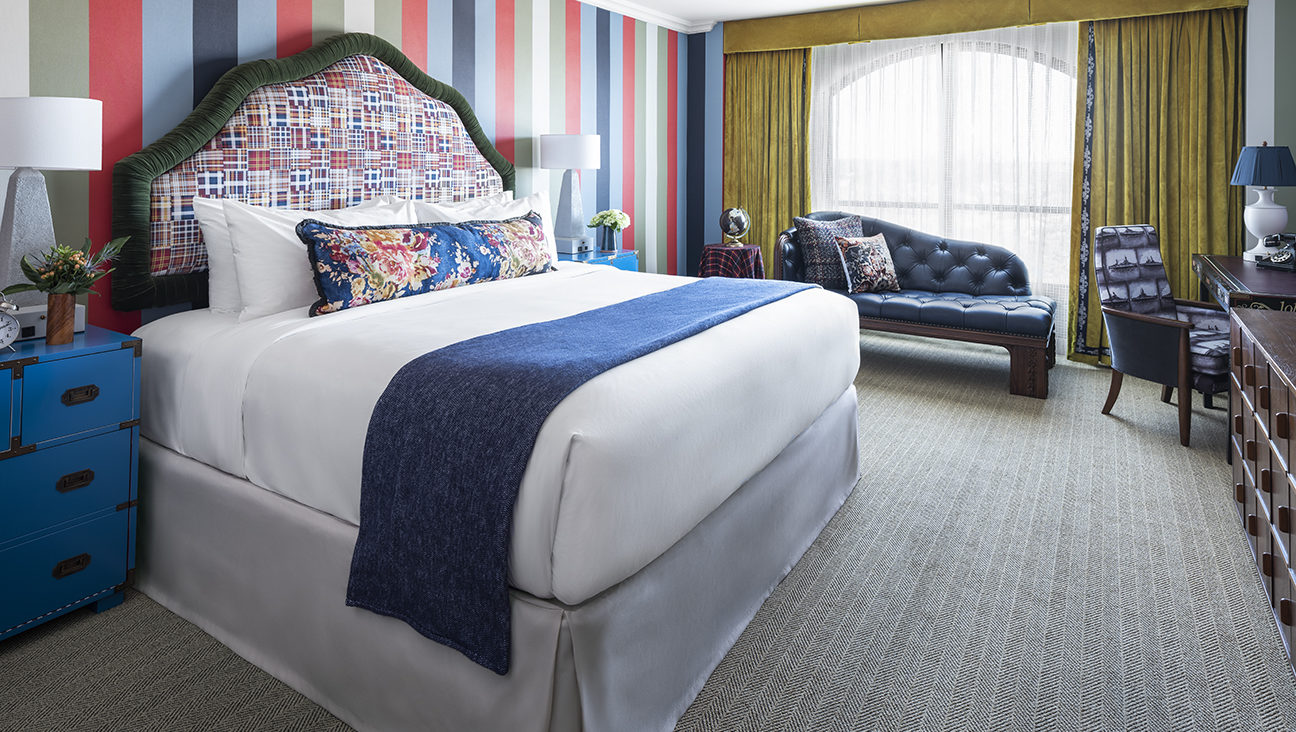
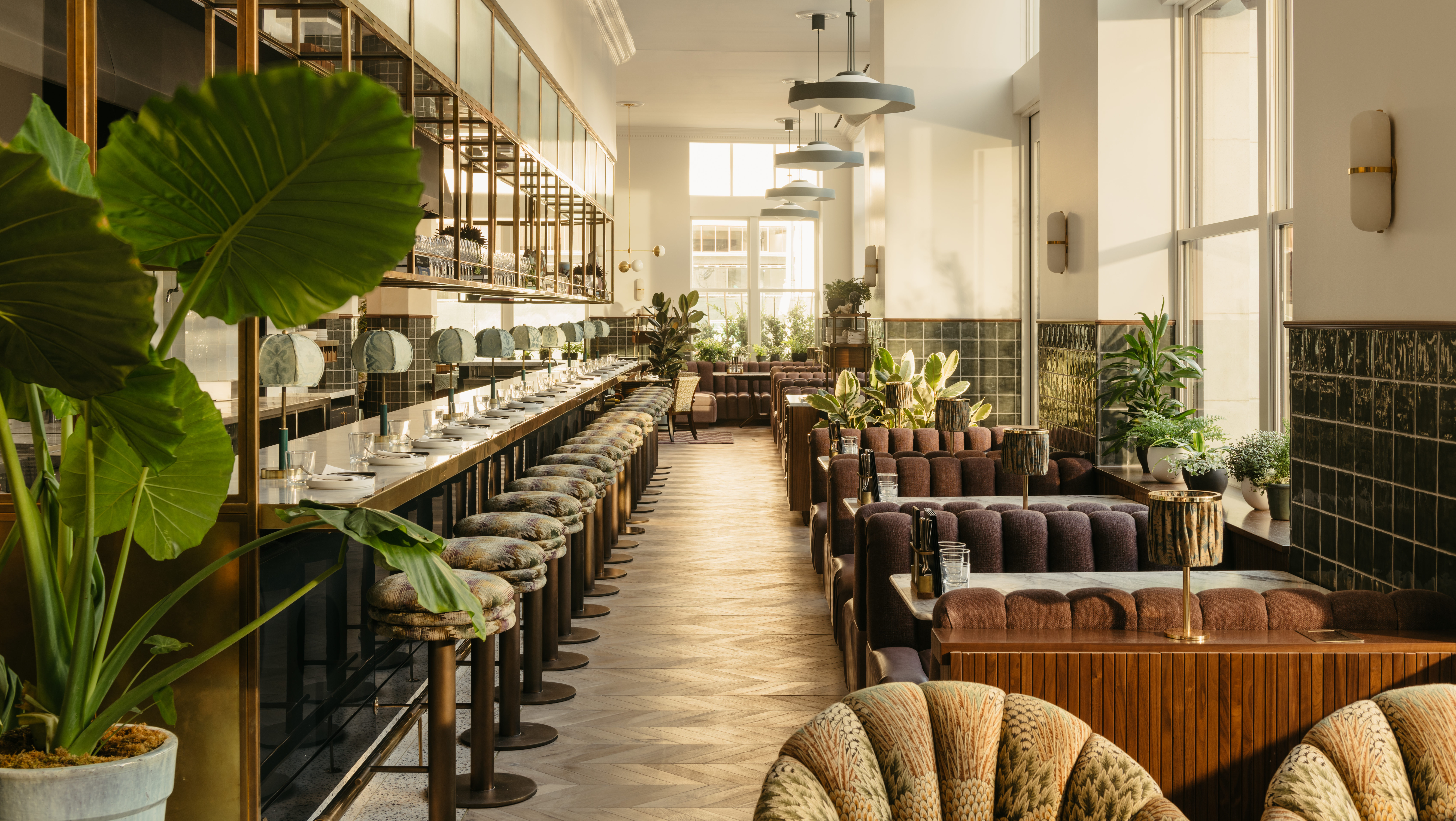
This 215-room addition to the spirited coastal swatch of Annapolis spunkily tributes the surrounding collegiate Navy influences and bayside culture. With a refreshingly modern seafaring style throughout and more than 20,000 sq. ft. of event space, guests find their sea legs in no time. Fresh tastes aren’t limited to decor:  The coffee shop serves up breakfast sandwiches and third-wave coffee, while Camp Severn’s bay-inspired menu and nautical cocktails help you bring the day into harbor.

Sibling Rival

The Hoxton, Downtown LA

The uniquely concepted Hoxton has brought its upscale communal vibe to the Fashion District. It boasts 174 guest rooms, in four different sizes. The Apartment, the brand’s event space, hosts up to 120 people and offers home-away-from-home intimacy. It’s accessible to The Pantry, a gorgeous gathering-friendly kitchen space, prestocked for get-togethers. Groups can also utilize Sibling Rival, an all-day lobby restaurant, or head to the rooftop for poolside nibbles or dinner, backset by city views.

Hotel Effie, Miramar Beach, Florida

Sandestin Golf and Beach Resort is introducing Hotel Effie, named after the owner’s grandmother and featuring her storied Southern hospitality. It provides 250 guest rooms and 65,000 sq. ft. of meeting space, as well as 2,400 acres of beaches, bike trails and a bayfront that includes 15 tennis courts and four championship golf courses. Hotel Effie also features a state-of-the-art fitness center, a luxury spa, a full-service restaurant concept and the only rooftop pool on the Emerald Coast.

Rachel Paisley

Paisley was named director of sales of events for Hargrove, a provider of customized experiential environments, in Lanham, Maryland. Before this, Paisley served as vice president of business development for Red Velvet Event, Inc. in Austin, Texas. She’s also served in leadership roles for other organizations, such as Aztec Event and Tents, Redstone Hospitality and Dolce International.

Brett Bell

The Benson Hotel welcomed Bell as business travel sales manager. Recently, he was sales manager at Crowne Plaza Portland-Downtown Convention Center in Oregon; he later served in the same role at Sheraton Portland Airport Hotel. Bell also was chief executive officer of Encore Mobile DJs, the largest DJ and entertainment company in Portland.

Andrea Richey

Richey joined The Read House team, located in Chattanooga, Tennessee, as director of sales. She was recently area director of sales and marketing at The Westin Stonebriar Hotel & Golf Club in Frisco, Texas. Prior to this, she served at Revival at Mt. Vernon Place—A Joie de Vivre Hotel, in Baltimore. Richey’s long list of accolades and awards includes Director of Sales of the Year at Prism Hotels and Resorts as well as Hyatt Sales Manager of the Quarter at Hyatt Regency Suites Atlanta Northwest.

Ellide Smith

Streamlinevents welcomed Smith to the company as vice president. Her nearly two decades of experience includes experience with both the corporate and agency side of the global events industry. Most recently, she oversaw a portfolio of more than 240 events a year for C-level executives. She earned her degree from University of North Carolina Chapel Hill.

David Bodette

The newly opened Saint Kate—The Arts Hotel, in Milwaukee welcomed Bodette as general manager. His long-spanning career includes many high-end and historic properties, including The Ritz-Carlton properties, The Queen Mary Hotel in Long Beach, California and The Langham Hotel in Boston. He also played a role in introducing one-of-a-kind hotel concepts, such as at The Art hotel in Denver.

David Ecija

Ecija is now general manager for Hilton West Palm Beach in Florida. His 20-year tenure in the hospitality industry, 15 of which have been with Hilton, has taken him to Europe, Asia, Latin America and the United States. He previously worked as cluster general manager of Hilton Sukhumvit and DoubleTree by Hilton Sukhumvit in Bangkok. Prior to this, he served in several general management and operations management positions, including general manager roles at Hilton Vilamoura Golf & Spa Resort in Portugal and Hilton Madrid Airport in Spain.

Macarena Sepulveda

Sepulveda was named director of event planning and meeting experience for The Confidante Miami Beach. Most recently, she served as director of the cluster sales office for MDM Hotel Group, where she represented five hotels. Sepulveda’s broad-ranging career includes properties in the United States and Chile, her hometown; much of her experience has been with Marriott, including serving as food and beverage outlets supervisor at Miami Marriott Dadeland and director of catering at JW Marriott Miami. In 2014, she was named Catering Manager of the Year by Greater Miami and Beaches Hotel Association as well as Event Management Rising Star by Marriott South Florida Business Council.