Have a conference or big event coming up? As a planner, you know the importance of making your attendees feel welcome and safe. In any large-scale professional event, there is always a potential for conflicts or inappropriate behavior. The cost of doing nothing to prepare for these incidents can be steep—and the cost of being ready is more affordable than you might think.

Cue the ombuds.

What is an Ombuds?

Even if you haven’t heard the term before, you’ve probably been aware of the services an ombuds provides. Ombuds—previously referred to as ombudsmen—have been around for decades, serving as third-party mitigators and mediators in a wide variety of settings.

See alsoHow to Master the Art of Negotiating

Acting as an impartial, confidential and informal resource, an ombuds assists in constructive problem-solving in order to resolve conflicts and hear grievances that individuals might be reluctant to share with coworkers, supervisors or event organizers.

Why Do I Need One?

Research done in 2017 by American Political Science Association (APSA), in which members were surveyed on negative experiences at conferences, showed that inappropriate behaviors are far more common than we think. Of 2,424 respondents, APSA found that 37 percent had experienced some form of inappropriate behavior at a conference during the previous four years.

As a planner, you naturally want to provide environments in which everyone can derive maximum benefit and feel safe from harassment. The potential legal liability of failing to do so should not be underestimated.

How Else Can an Ombud’s Services Be of Benefit?

By their virtue of their backgrounds and training, good ombuds are adept at listening, analyzing situations and suggesting possible solutions to issues. An organizational ombuds can serve both as a valuable resource to attendees and as an asset for any sponsoring organization. Often, they can share insights and observations about systemic issues relating to the conference or event.

How to Hire an Ombuds

International Ombudsman Association (IOA) has launched an online guide designed to help meet demand for ombuds’ services at conferences, conventions and other large meetings.

IOA’s “Guide for Setting Up a Conference Ombuds Program“ includes information about the value of an ombuds, resources for scoping and contracting ombuds’ services and tools for communicating the role of an ombuds to conference participants.

“Ombuds can provide a knowledgeable resource to assist people who experience problematic behavior at a conference,” says IOA Executive Director Chuck Howard. “Ombuds can also help sponsoring organizations by providing expertise and insights that help build and strengthen a culture of fairness and respect.”
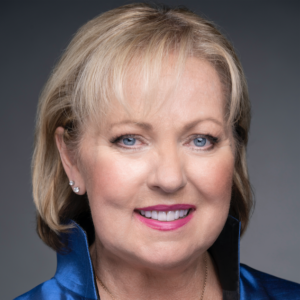
Susan Robertson, CAE has been named president and CEO of Center of Association Leadership (ASAE) for an 18-month period. The decision was made following the death of John H. Graham IV, FASAE, CAE back in January. She is the first woman to head the organization in its 100-year history.

Robertson has been with the team for more than 19 years and worked as interim president and CEO during Graham’s illness. Before assuming that position, she was executive vice president of ASEA and president of ASAE Research Foundation.

“I’m thankful for the board’s confidence and look forward to working with them and the great ASAE staff to keep us firmly on course as an organization,” Robertson said. “I work with a very talented team, and together we fully understand and truly appreciate that ASAE represents the entire association community. We do not take that responsibility lightly, and everything we do is with an eye toward giving association leaders the tools and resources they need to be successful in their own organizations.”

See alsoQ&A with ASAE President and CEO John Graham

A national executive search for a new president and CEO will begin Oct. 20, with a starting date for the position set for Sept. 1, 2021.

Marriott International, Caesars Entertainment and several other firms directly affiliated with the meetings and events industry earned a spot on the newly released list of America’s Most Responsible Companies compiled by Newsweek and global data research firm Statista.

Some 2,000 companies in 14 industries in the United States were evaluated, and 300 made the final list, in which firms were given numerical rankings. They included Marriott International (107), Caesars Entertainment (146), and Park Hotels and Resorts (275), a real estate investment trust comprised of a geographically diverse portfolio of hotels and resorts. Three airlines—American Airlines (97), Delta Air Lines (112) and Southwest Airlines (155)—also made the list.

Caesars Entertainment was the only gaming entity to make the list. “Our 60,000-plus dedicated employees continue to make a meaningful impact within our properties and well beyond,” said Tony Rodio, CEO of Caesars Entertainment. “As we kick off a new year and new decade, we’re looking to grow on the commitments we’ve made and continue to make a lasting impact on the communities we serve.”

The research was carried out in a four-stage process that began with prescreening more than 2,000 companies on a set of criteria in June. The prescreening eliminated companies that have not published a CSR report, sustainability report or other data for 2017 or later years. It also eliminated firms that focus primarily on defense and those that have been involved in major lawsuits, scandals and similar issues.

Companies that passed the prescreening were analyzed in detail, which consisted of an independent survey of 6,500 U.S. citizens, conducted in August and September, that asked about their perceptions of the companies. Research was also conducted, based on publicly available key performance indicators derived from corporate annual reports, CSR reports, sustainability reports and corporate citizenship reports.

Each company was given a score based on its performance in the survey and the analysis, which covered three areas: environment, social and corporate governance.

“Companies, we all know, need to make a profit to prosper and survive,” says the introduction to the Newsweek story. “Making a buck, after all, is important to investors, employees and vendors. But over the years, executives have come to realize that they need to do much more. That is, by giving back to the communities they operate in and standing up as good neighbors and citizens.”

PSAV, one of the oldest audiovisual companies in the world is shaking up how it delivers services and adopting the name of one of the companies it recently acquired. The Schiller Park, Illinois-based vendor announced this week that it will phase in the Encore name for its portfolio of companies.

The 80-year-old company went on a buying spree in recent years, acquiring Hargrove, Hawthorn, KFP, FMAV and Eclipse in addition to Encore Event Technologies. The team now consists of 14,000 employees across 2,100 on-site venue locations and more than 50 regional warehouses. The company operates in more than 20 countries across North America, Europe, the Middle East, Australia and Asia. It has moved beyond renting lighting, sound systems and Internet to providing end-to-end experiences—services they say are more identified with the Encore brand.

Cathy Schlosberg, senior vice president of marketing, explained, “We believe we can more effectively represent that under a new, global master brand that maximizes the very best from our already-strong roster of leading companies.”

The change will start with Freeman AV Canada this month and will continue to roll out through the summer.

An Existential Shift

At the same time, company representatives realized that they needed to change how planners thought about them by changing how they deliver services. John Rissi, senior vice president of sales, singled out the aha moment when he realized something had to change after a customer described the company as “inevitable” in a forum. “That was a wake-up call,” he said. “We went back and asked ourselves, ‘How do we go from inevitable to desirable?’”

The company is adjusting how it interacts with planners by shifting from a focus on hotel partners to the global needs of the end customer. It is also putting in place production standards and database software that will track planner needs, with the goal of delivering operational consistency wherever a meeting professional takes a program.

Consolidated project management teams will work with meeting professionals focused on the goals of the event, rather than a project list. Consultants are being trained to ask questions about the goals of the event and present good, better and best options that focus on the experience rather than talking about prices for pieces of equipment.

A new customer support phone number and website (866-461-2577, psav.com/connect) will make it possible for planners to talk about requirements before a hotel has been selected.

The coronavirus (COVID-19) is causing quite a disruption in the workplace as large businesses throughout the world—including Boeing, Amazon, Microsoft and Amazon—are temporarily closing their doors and telling employees to stay home until further notice.

While sending everyone home could be an inconvenience, it isn’t as much of a hurdle anymore: It’s even prompting many companies to revive a discussion about making remote work more permanent. If you’re finding communication to be slow with co-workers during this time, several programs could serve as viable solutions.

Google Hangouts Meet

Google Hangouts Meet is an updated Google Hangout, but Hangouts Meet is designed for larger businesses and is scheduled around team meetings. Google recently announced that it will offer free access to advanced features for G-Suite customers through July 1. By having access to these features, organizations will be able to have meetings with up to 250 people and live stream for 100,000 people. This additional access is normally $13 more per user, per month.

Microsoft Teams

With Microsoft Teams, groups can have meetings with up to 10,000 people. Microsoft is currently offering the premium version of Teams for six months, and on March 10 will add new features not usually included in the free version. This will enable users to schedule video calls and conferences, and will lift the restriction on how many people can join a team.

Monday

Applications that ease the workflow have become an organization’s best friend. Monday’s ready-made templates and drag-and-drop building blocks feature makes the interface incredibly user-friendly. Changes on the Monday tool are made in real time, so there’s never any confusion about the progress on any project; you can automate your workflow as well, lessening the chances of error. Monday integrates with all your favorites applications, such as Slack, Salesforce, Outlook, Mailchimp and Dropbox.

Wrike

Wrike is a collaborative work management program that’s used by large-scale companies, such as Verizon, Airbnb and Google. Groups can manage marketing and creative workflows, as well as separate projects by department so that workers can focus exclusively on their responsibilities. Wrike can be integrated with more than 40 programs, such as Box, Dropbox, Google and Slack. You can even use Wrike as an extension on Adobe Creative Cloud.

Box

If you ever downloaded anything from the internet, you’ve likely come across the “from Box” option. Box is a cloud-based, file-sharing application. The minimum storage capacity for the program is 100GB, which is the cheapest option at $5 per user per month. The costlier options—Business, Business Plus and Enterprise—offer unlimited storage capacity and an unlimited number of users. Enterprise’s price is not fixed: It is based on what is quoted.

Facetime

If you’re an iPhone user, you can never go wrong with just using Facetime. The application has been updated significantly since its inception. Its latest update allows users to video chat with up to 32 people. While it may not be the best option for a long meeting with an even larger number of people, Facetime is great for small and brief group meetings.

Association of Women in Events (AWE) Elevate! conference at Caesars Palace in Las Vegas this week confronted the fears many meeting professionals feel daily—and in their place pointed to the constructive role that being uncomfortable plays in growing careers and making the world a better place.

Lessons for Fearing Less

Fear is My Homeboy author Judi Holler kicked off the group’s second annual conference on Thursday morning with lessons for embracing change learned from a life of improv. “If you don’t love yourself, nothing else works,” she said. Then she ticked off tricks fear uses to steal our joy.

  • Perfectionism, which leads to procrastination
  • Comparing, which leads to gossip
  • Imposter Syndrome, which leads to holding back
  • “Slayophobia,” a word she made up to describe a fear of success.

“Wouldn’t it be great if we could stop quitting on ourselves?” she asked. The truth is that everyone experiences fear, but “fear bosses” learn to manage it—and even seek out challenges to make them at least a little bit uncomfortable. That’s how they grow their toolbox and learn to be brave.

“Event professionals are performing improv every day,” Holler observed. They collaborate in uncertain environments with a common goal of finding a solution. The trick is to convince yourself that you can handle anything that comes up. “All greatness starts with belief, and if you don’t believe, no one else will,” she said.

Brave Mentors

The deep dive into how even the industry’s most successful still struggle with self-doubt and boundaries continued in the lunch panel. “Ask Me Anything—Your Mentoring Session with Industry C-Suite Stars” was led by Soliman Production founder Sarah Soliman Daudin and featured IMEX Group CEO Carina Bauer (networked in from London), SmithBucklin Executive Vice President Carol McGury, Freeman Board Chair Carrie Freeman Parsons and Jenks Consulting founder Lori Jenks.

The five women freely shared their self-doubt about moving into their current roles and the secrets they have learned for integrating home and work lives. All agreed that “work-life balance” has too often come to mean treating those two things as opposing forces rather than a fluid whole—especially the two women on the panel working in family businesses.

Bauer’s hack for getting everything done was both the essence of simplicity and a fearful challenge for many: “Don’t be afraid to ask for help.”

Getting to the Heart of the Pineapple

The day finished strong with an interactive send-off from Yes is the Answer author Christine Trippi. This former Marriott operations manager bills herself as chief fun officer (CFO) of her consulting company, The Wise Pineapple, and she brought positivity and passion to the dais.

Trippi shared actionable tips for to help meeting professionals make friends quickly and turn “nos” into positive responses. Her creative solutions were focused on the power of making a difference one person at a time.

One real-world example? Resort fees. The next time a planner asks about getting them waived for a group, Trippi suggested thanking the planner for bringing it up. Instead of a knee-jerk, “No way,” say, “I am so glad you asked.” Then, to begin the journey toward a win-win solution, itemize exactly what the fee covers and how much more it would cost to pay for those things individually.

“That how is you add more positivity to your life,” she said.

Meet in the nation’s capital, where economics, culture and academics unite. Washington, DC is where great minds gather for meetings in the technology, biotech/pharmaceutical, education and medical sectors. As the “Connected Capital” continues to expand its knowledge economy, those working in sustainability, transportation and government advocacy have also taken notice. Meeting planners will find major sustainability advancements, transformative public transportation initiatives and access to the country’s leaders and lawmakers in DC, which benefit their attendees, sponsors and bottom line.

Groups looking to jazz up their traditional meeting layout can find seven non-traditional venues within walking distance of the Walter E. Washington Convention Center. As an extension of the Connected Capital positioning, the “Connected Campus” concept shows planners how to utilize the seven spaces to expand the footprint of the Walter E. Washington Convention Center and create a diversified meeting layout showcasing the authentic DC. Offering 20 bookable meeting and event spaces, the seven venues can accommodate groups of all sizes in the heart of Washington, DC.

“The Connected Campus concept allows meeting planners to understand how their meeting can better succeed in DC by looking at meetings beyond just a traditional conference center,” said Elliott L. Ferguson, II, president and CEO, Destination DC. “We hope the Connected Campus can help bring unique meeting and event visions to life as we continue to add more venues to the mix.”

The current participating venues include Capital One Arena, Mount Vernon Place United Methodist Church, Long View Gallery, Touchstone Gallery, Association of American Medical Colleges, AJAX and Present Company Public House.

“The area surrounding the convention center is versatile and flexible and these venues help planners expand their event beyond the ordinary,” said Melissa A. Riley, vice president, convention sales and services, Destination DC. “In addition to the city’s strong industries, DC’s new hotels, special events venues and $13.9 billion in development, including new meeting space at several hotels, are continuously adding to our city’s appeal.”

Attendees will also be wowed by DC’s Michelin-starred restaurant scene, captivating free museums and meeting spaces that provide unparalleled views of the city. To learn more and submit an RFP, visit washington.org/meetings.

Meet in the nation’s capital, where economics, culture and academics unite. Washington, DC is where great minds gather for meetings in the technology, biotech/pharmaceutical, education and medical sectors. As the “Connected Capital” continues to expand its knowledge economy, those working in sustainability, transportation and government advocacy have also taken notice. Meeting planners will find major sustainability advancements, transformative public transportation initiatives and access to the country’s leaders and lawmakers in DC, which benefit their attendees, sponsors and bottom line.

Groups looking to jazz up their traditional meeting layout can find seven non-traditional venues within walking distance of the Walter E. Washington Convention Center. As an extension of the Connected Capital positioning, the “Connected Campus” concept shows planners how to utilize the seven spaces to expand the footprint of the Walter E. Washington Convention Center and create a diversified meeting layout showcasing the authentic DC. Offering 20 bookable meeting and event spaces, the seven venues can accommodate groups of all sizes in the heart of Washington, DC.

“The Connected Campus concept allows meeting planners to understand how their meeting can better succeed in DC by looking at meetings beyond just a traditional conference center,” said Elliott L. Ferguson, II, president and CEO, Destination DC. “We hope the Connected Campus can help bring unique meeting and event visions to life as we continue to add more venues to the mix.”

The current participating venues include Capital One Arena, Mount Vernon Place United Methodist Church, Long View Gallery, Touchstone Gallery, Association of American Medical Colleges, AJAX and Present Company Public House.

“The area surrounding the convention center is versatile and flexible and these venues help planners expand their event beyond the ordinary,” said Melissa A. Riley, vice president, convention sales and services, Destination DC. “In addition to the city’s strong industries, DC’s new hotels, special events venues and $13.9 billion in development, including new meeting space at several hotels, are continuously adding to our city’s appeal.”

Attendees will also be wowed by DC’s Michelin-starred restaurant scene, captivating free museums and meeting spaces that provide unparalleled views of the city. To learn more and submit an RFP, visit washington.org/meetings.

U.S. Travel Association is predicting a 6 percent hit to international visitor numbers over the next three months due to COVID-19, the novel coronavirus—the largest decline since 2018. Destinations across the country are already warning that they could see at least a temporary dip due to the sudden loss of visitors from China.

San Francisco

Like many other cities across the country, San Francisco reported visitor numbers from 2019 last week. In a year that marked the opening of a $551 million expansion at Moscone Center, the city realized its 10th year of record-breaking tourism—26.2 million people spent $10.2 billion, up 2.7 percent from the previous year. Room nights attributed to groups at Moscone Center exceeded 1 million.

MoreYour Guide to Staying On Top of the Coronavirus Outbreak

The good news came with a footnote. “The evolving coronavirus situation and other market conditions make 2020 a difficult year to project,” said Joe D’Alessandro, president and CEO of San Francisco Travel.

International visitors are a big part of San Francisco’s visitor equation, making up 28.3 percent of overnight visitors (2.9 million people) and 61.6 percent of all overnight visitor spending in 2019. The top five markets for visitor spending in 2019 were China, the United Kingdom, India, South Korea and Australia.

Humphrey Ho, managing partner with Hylink Digital Solutions Co., said that marketing and public relations campaigns in China were paused at the end of January after travel restrictions were put in place. However, he added that pent-up demand among Chinese consumers for travel is stronger than ever, citing a spike in popularity of travel-related topics on Chinese WeChat and Wibo channels.

“Travel is one of the hottest topics on Douyin,” he said. “The travel industry is expected to experience a huge rebound after coronavirus fades away.”

He compared the possible upside to the rebound that occurred in 2003 after the acute respiratory syndrome (SARS) outbreak. “It’s a real possibility that summertime and October travel from China could come back stronger than ever.”

So far, California has realized a 27 percent decrease in Chinese visitors.

Las Vegas

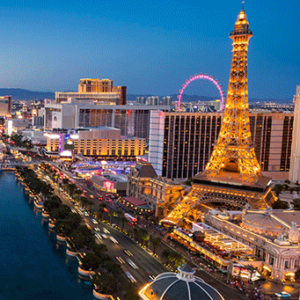
The flow of business visitors also increased in southern Nevada, where 6.6 million convention attendees and a total of 42.5 million visitors checked in last year. China represents the fifth-largest foreign market for visits to Las Vegas. The top four are Canada, Mexico, the U.K. and Australia.

Convention attendance in Las Vegas was up 2.3 percent. Almost half (40 percent) of planners responding to a survey taken before the coronavirus scare said they expected to plan more meetings there in 2020.

National Association of Broadcasters (NAB), which brings an estimated 100,000 people to the city every April, stressed on its website that its show will take place as usual. “As of today, we are hearing that the overwhelming majority of our exhibitors are looking forward to attending the show, and our attendee registrations continue on pace with the normal patterns we see year-over-year,” NAB reported.

Las Vegas Convention and Visitors Authority said it continues to actively monitor COVID-19 and is diligently working with the Southern Nevada Health District and the U.S. Travel Association to share updates.

See alsoHow Coronavirus Is Affecting a Meeting Near You

In addition to following all CDC and Health District guidelines, the Las Vegas Convention Center has increased cleaning protocols to include more frequent wiping and disinfecting of touch points, such as door handles, elevator buttons, handrails, restroom stall doors and sinks, during occupied show hours. Like many other facilities, it has added additional hand-sanitizer stations and increased outside air intake/air change rates during occupied show hours.

National Hotel Brands

Hotels brands are also warning shareholders of possible impacts. Marriott International President and CEO Arne M. Sorenson advised that lowered expectations for Asia-Pacific properties due to coronavirus restrictions could lead to RevPAR growth for the year that is flat or limited to 2 percent. “I am particularly proud of our Asia-Pacific team as they assist affected customers and fellow associates,” he said.

He speculated that low occupancy rates there could reduce the projected $4 billion estimate (a 5 percent increase) for total 2020 franchise fee revenues by $25 million.

Hilton has temporarily closed about 150 hotels in China in response to the growing coronavirus crisis, taking 33,000 rooms out of commission, reported Hilton CEO Chris Nassetta.

Kimpton Alton, San Francisco

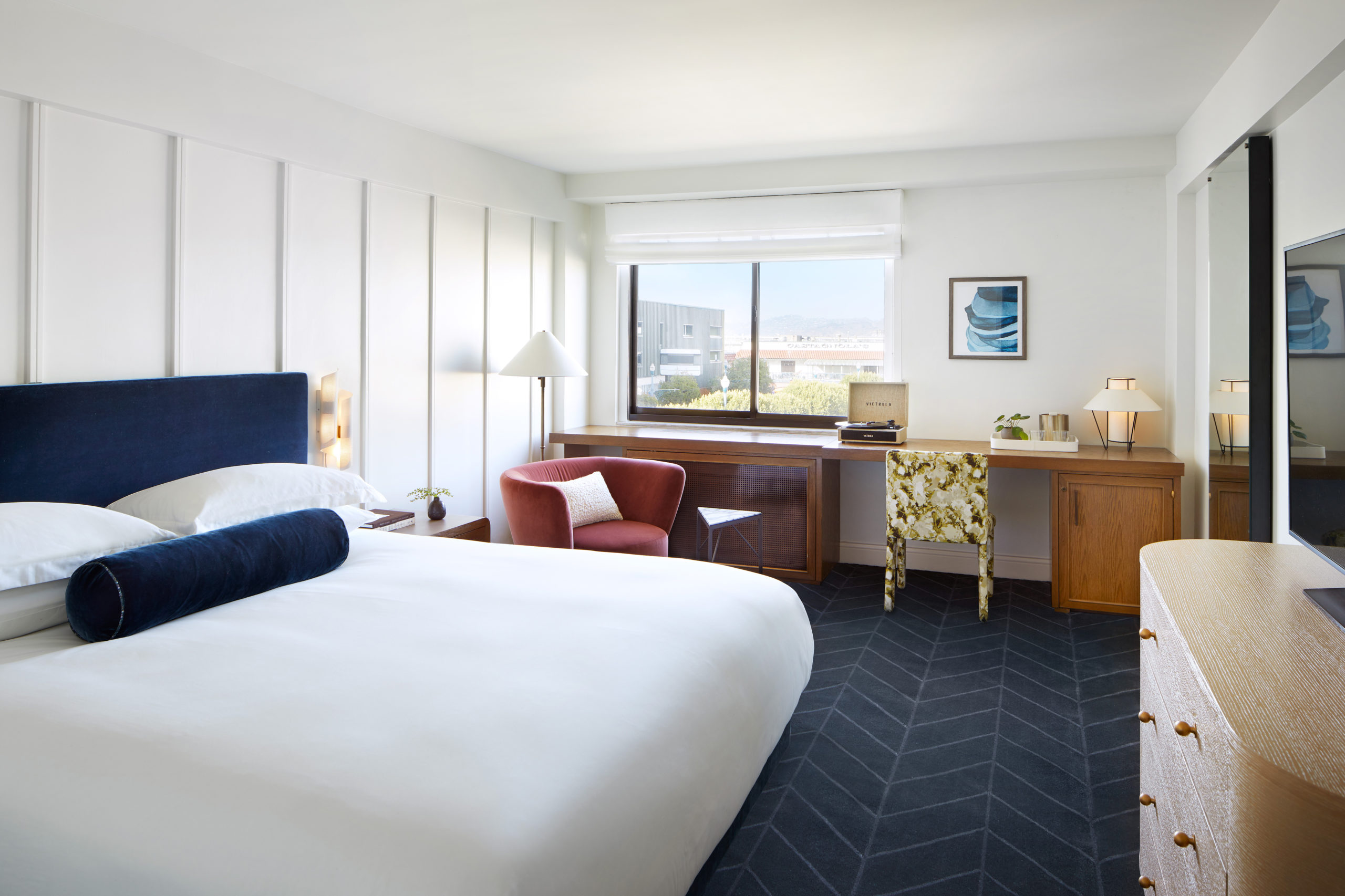
A third Kimpton property will debut in the Bay Area this summer at Fisherman’s Wharf, with 248 guest rooms inspired by an understated 1970s Californian vibe. The hotel will feature the brand’s signature amenities, including bike rental and an evening social hour. Intimate event space will suit smaller gatherings—but they can always spill over to the outdoor patio at the waterfront property’s cafe and bar for those sunny San Francisco days.

AC Hotel Austin University and The Otis Hotel, Austin

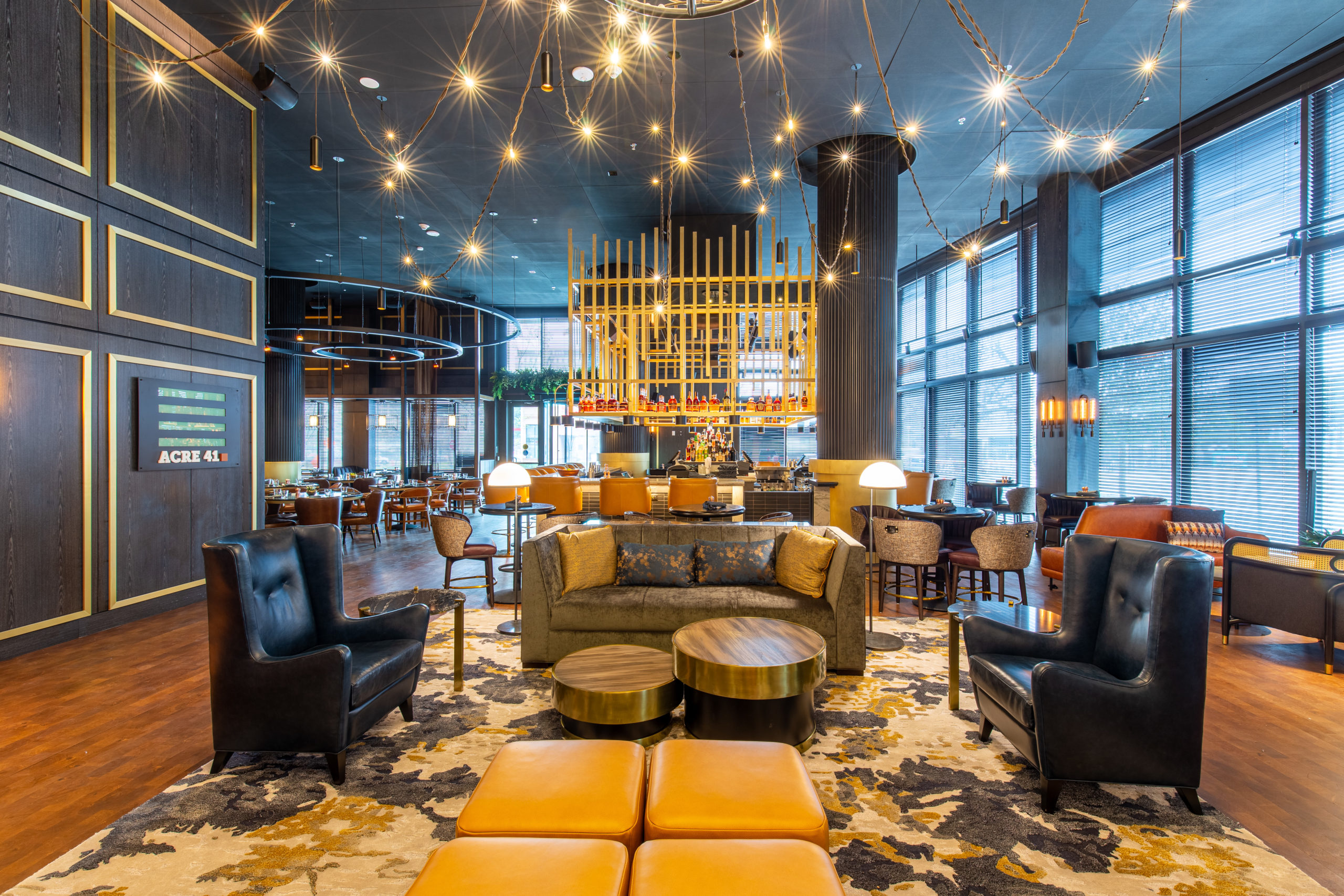
This unique dual-branded Marriott property just opened in the city’s campus district. The Otis Hotel features 191 rooms within its 11-story building, including 16 corner studios. Its other half, AC Hotel Austin University, will feature 156 rooms and the brand’s simple European-inspired luxury concept. The duo brings four new restaurants and bars to the area, including a tapas concept and a luxury rooftop pool bar serving up sushi and beef tartare. The Otis rooftop will also host masterclass series on various topics, ranging from mixology to local history. The two hotels offer 7,100 sq. ft. of event space, including five meeting rooms and a wood-lined ballroom.

Hyatt Centric Downtown Portland, Oregon

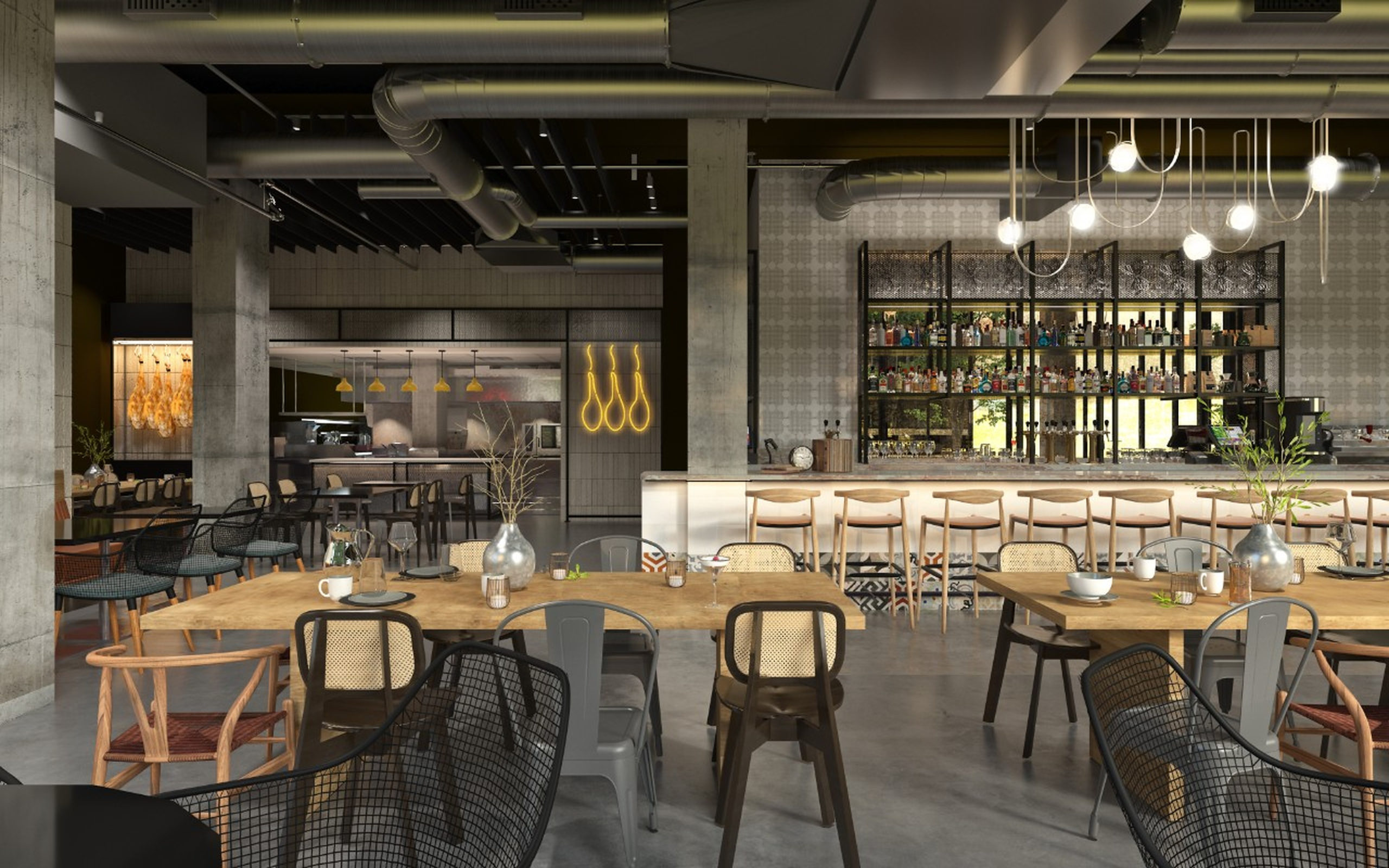
This 220-room hotel is sandwiched right between downtown and Pearl District, a few blocks from famed Powell’s City of Books. The new Hyatt spot keeps things weird with tributes to the craftsy, agricultural location in its rooms, such as handsewn chicken footstools. A Spanish/Catalan-inspired restaurant, Masia, is helmed by a locally famed chef, and its Masia Bar specializes in Vermouth cocktails. About 3,000 sq. ft. of meeting space provides for an intimate rendezvous. The property is close to MAX rail, making travel to other parts of the city—including PDX airport—convenient.

Renaissance New York Chelsea Hotel, New York City

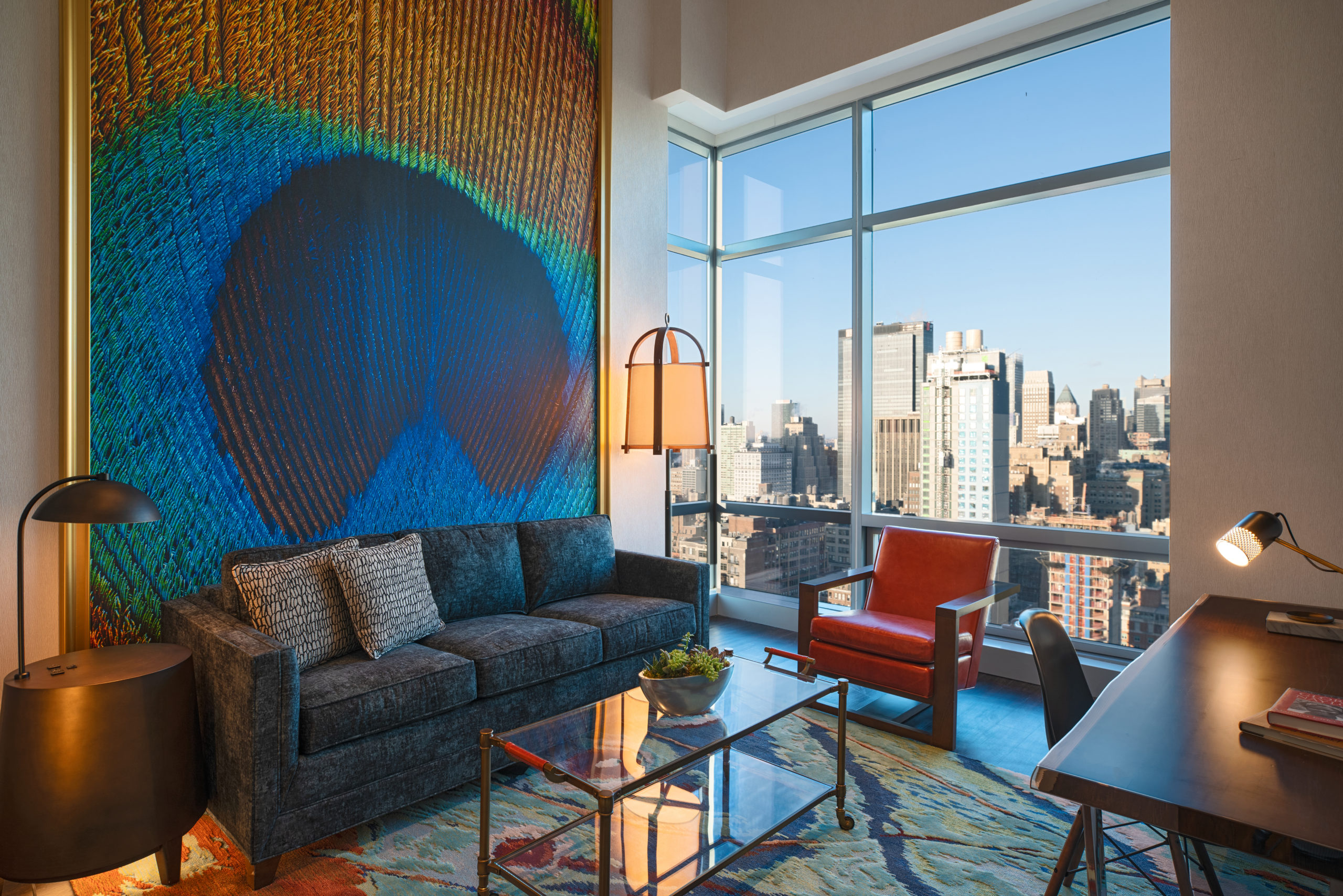
Just opened, this Marriott property nestled in the Chelsea neighborhood of Manhattan features 341 guest rooms in a 39-story high-rise. It offers about 7,300 sq. ft of event space, including Somewhere Nowhere, a lush rooftop secret-garden lounge and pool. The interior draws on inspiration from the eclectic antique, garden and flea-market history of the area, infusing luxury with whimsy (and artistic installations to match). Groups can make use of the hotel Navigator, who can enhance your gathering with a mastery of local offerings, from food to excursions.