Immersive gifting to waterfront venues, planners experienced the city’s best flavors, views and meeting possibilities

When you combine good weather, stellar venues and a diverse mix of planners from far and wide, the possibilities for hosting future events are seemingly endless.

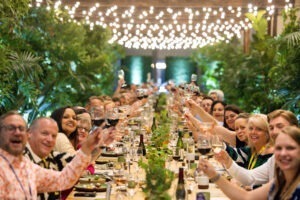
Marriott’s annual Meet with Momentum, hosted this year at Marriott Marquis San Diego Marina, offered planners immersive leisure activities and ideas for customized group activities. Along with a robust selection of Marriott meeting spaces and a symphony of food and beverage flavors, the event left this writer’s stomach satisfied.

A Touch of San Diego

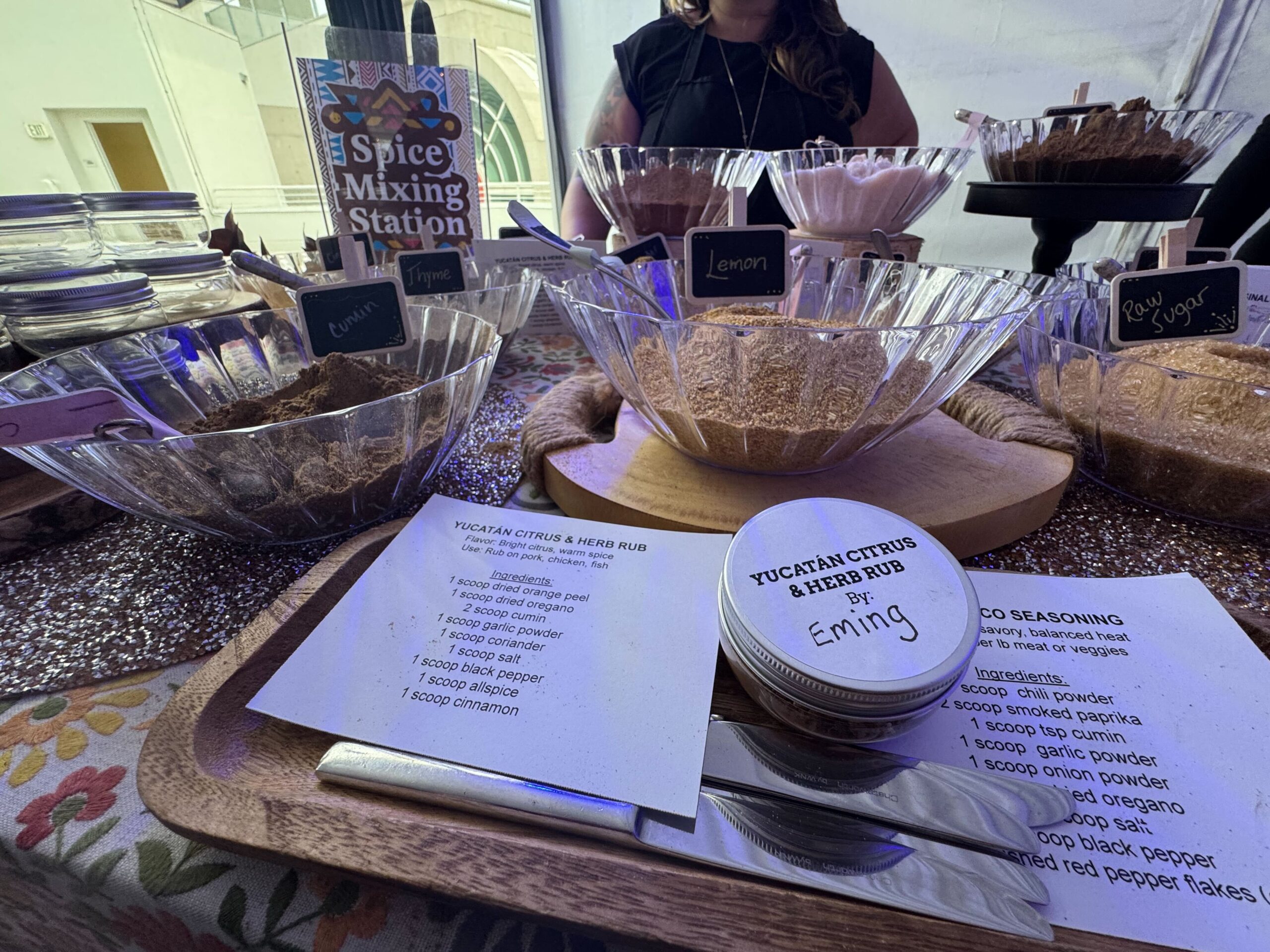
Custom cooking spices activation

The first evening, guests were treated to a spectacular selection of local food and beverage offerings, including banh mi, barbecued chicken sandwiches, cannoli, sushi and more.

Hello! Destination Management provided activations such as wine-drawn portraits, make-your-own seasoning blends, origami, custom tote bags and tea leaf readings, which provided a steady flow of fun and memorable moments throughout the evening. On a personal note, the tea leaf reading was brief but life-changing.

Read More: Lessons From Marriott’s ‘Yes, And’ Event Leadership

“A tea leaf reading, an origami station, a spice bar tied to Old Town—that makes people say, ‘I haven’t seen that before,’” said Karlee Hartman, director of event management for Marriott Marquis San Diego Marina.

Personal Gifting with a Hint of Magic

Custom blanket activation

Thoughtful gifting was woven throughout the week. Attendees could choose a custom charm bracelet or necklace, along with other jewelry offerings at a reduced price. It was one of many personalized touches that reminded planners of the importance of making guests feel seen through curated activities.

This focus on surprise and delight was apparent when attendees boarded a yacht for an evening reception that included customized blankets and sunglasses.

One presentation sparked excitement when a magician ripped up two ordinary playing cards, handed the pieces to this writer, and then seemingly reformed the cards in my hands—an illusion still vivid weeks later.

On one of the final nights, guests received another memorable keepsake: their names written in elegant calligraphy on stemless wine glasses.

Meeting at Marriott

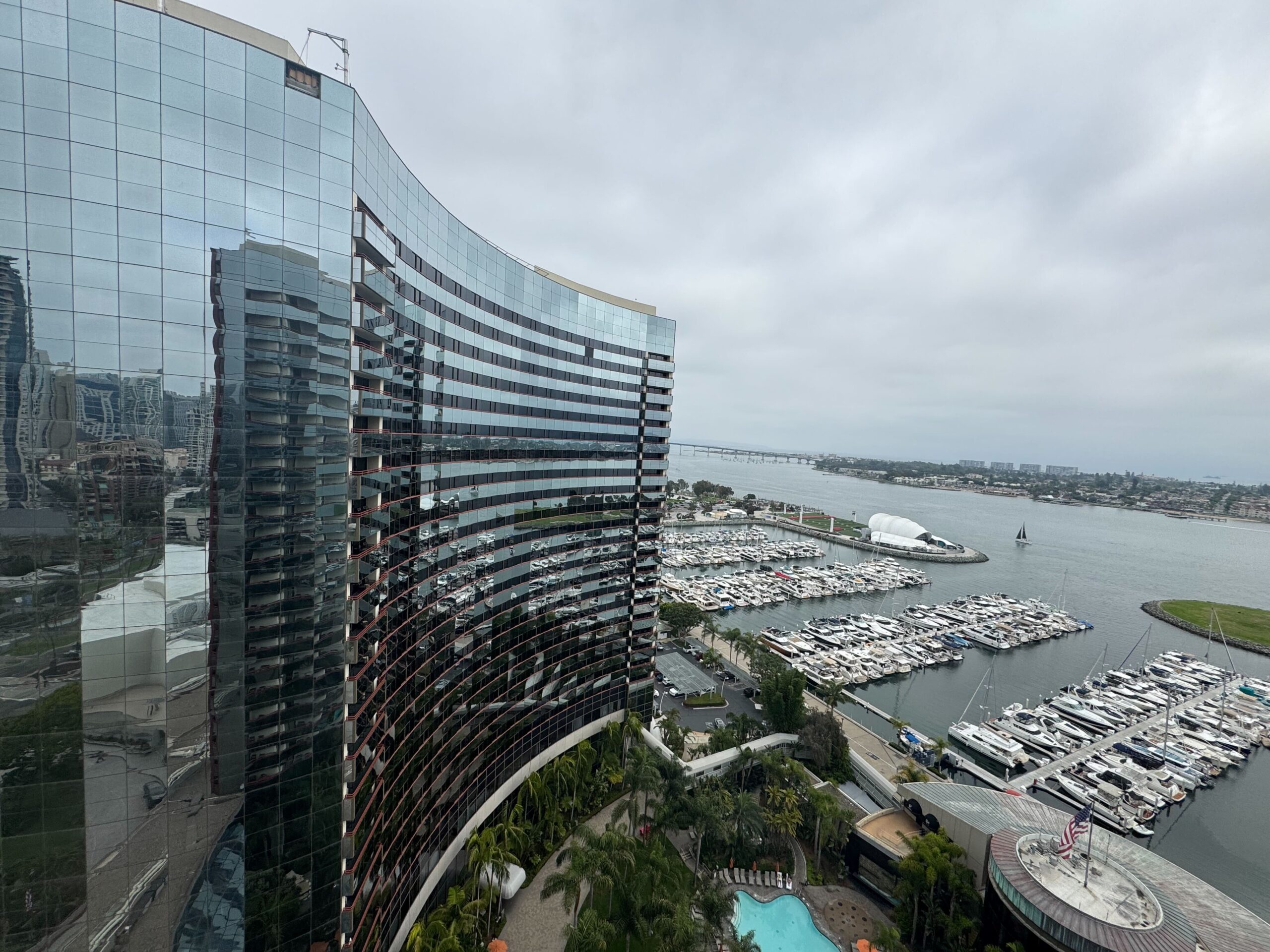
View of the marina from upper floor of Marriott Marquis

The event’s highlight was the tour of meeting venues available within Marriott properties across San Diego.

Marriott Marquis San Diego Marina delivers awe-inspiring views of the marina. By day or night, attendees could watch boats of all sizes glide across the water.

“What’s the best view in the world? Here, where you can see a marina, a bay, an island, the ocean, two naval carriers and a bridge—all at once,” said Tom Tabler, general manager of the Marriott Marquis.

Read More: San Diego: A Saint in SoCal

The property features 271,186 sq. ft. of event space, with 56 breakout and 82 event rooms. One clever design element is its constant reminders of the city itself. Visuals of the water incorporated into ballrooms and exhibit halls—designed by Parker Torres Design—give attendees the sensation of looking up at the ocean’s surface from below. It’s a particularly striking detail for anyone who has ever dreamed of being a mermaid.

Sheraton San Diego Resort also reflects the feel of the city. Its bright, airy lobby feels like a living aquarium, with details extending from the carpeting to the ceiling design.

Gaylord Pacific Resort & Convention Center lobby

The resort provides 132,367 sq. ft. of event space and 50 meeting rooms, all just minutes from San Diego International Airport (SAN). Its on-site restaurant, Rumorosa, serves Southern California flavors, including marinated meats, fresh vegetables, and pressed juices.

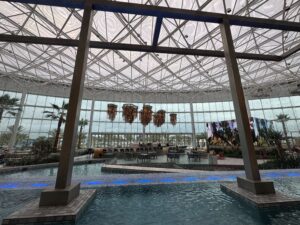
Attendees could also hop a water taxi from the marina to Gaylord Pacific Resort & Convention Center, offering 488,014 sq. ft. of meeting space. The high glass lobby and abundant natural light make nearly every space Instagram-worthy.

Relâche Spa on the resort property provided an additional highlight. The serene setting allowed attendees to slow down, recharge and enjoy restorative downtime between the week’s sessions.

Who hasn’t been awe-struck when experiencing the wonder of an expertly produced holiday show? Marriott’s traveling ICE! Production is nothing short of Broadway meets Cirque and will land at five Gaylord properties and JW Marriott San Antonio Hill Country Resort between November and January 2026. The extravaganzas have become a holiday tradition for many, dating back to the first show in 2001.

Niko Nickolaou sitting in sand
Niko Nickolaou, photo: Niko Nickolaou

This year’s production will feature “A Charlie Brown Christmas,” “Rudolph the Red-Nosed Reindeer” and “The Polar Express,” in addition to other favorites, depending on the property.

But what if you don’t have a Santa Claus-sized expense account? We asked Niko Nickolaou, senior director of special events and creative at Gaylord Hotels and JW Marriott San Antonio Hill Country, for tips to wow on a budget.

Set Your Emotional Priorities

Start with the emotion, not the expense. Ask, “What do we want guests to feel when they walk in?” Wonder? Nostalgia? Excitement? Anchoring around that core emotional takeaway helps prioritize where your dollars go.  Once you’ve identified the emotional core, lean into design principles that create big moments without big costs.

Read More: Blueprints for Belonging: Designing Events with Purpose, Emotion and Impact 

This could be several design elements, like forced perspective, layered depth and shifting environments based on the senses—lighting, audio, scent—to avoid scenic costs. Big impact isn’t about blowing the budget, it’s about knowing exactly where to invest for emotional return.

Gaylord Opryland Resort, photo: Ford Photographs

When everyone at “Mamma Mia! The Party” erupt into spontaneous dance mid-meal, it blurs the line between audience and performance in the most joyful way.

Sounds good, but what specific strategies does a creative director rely on in each line-item category to create those magical moments? Nickolaou broke it down.

  • AV/Lighting
    • Lighting is the mood. He starts by asking: What do we want the guest to feel at every stage of the experience? Then we layer in dynamic lighting cues to support that, often using programmable systems to evolve the atmosphere without changing physical sets. Nickolaou also leans on AV to enhance story moments, not overpower them. Subtle audio design, ambient layering and focused speaker placement can elevate a scene with minimal gear.

Read MoreEvent Lighting: Illuminating Success

  • Florals
    • The events team works with incredible partners and designers in the decor space. With Christmas decor, it’s never just about putting up trees and garlands; it’s about curating an environment that tells a story. They focus on creating layered scenes that transport guests into a narrative. They create scenic moments and emotional touchpoints that scale visually, work for photo moments and still feel intentional. Connecting the decor to the story or the location is key for that memory.
  • Entertainment
    • Nickolaou always says, “The performer is the memory.” Hit team starts by designing entertainment that moves with the space, whether that’s pop-up vignettes, ambient characters or surprise-and-delight moments. For large-scale events, they prioritize emotional beats and visual spectacle, then scale that core to suit the audience size. It’s not always about more performers; it’s about the right ones in the right place at the right time.
  • F&B
    • Themed food isn’t just about flavor; it’s about emotion, memory and connection. When done right, it becomes a storytelling device that guests can touch, taste and share. Nickolaou approaches F&B as a powerful tool to deepen immersion, using it to reflect the theme in ways that feel playful, nostalgic or delightfully unexpected. Guests may forget the centerpieces, but they remember how that one bite made them smile, especially when it’s Instagram-worthy and rooted in a feeling. Great themed food doesn’t just complement the experience, it becomes part of the memory.

The Three Cs of Collaboration

Whether you work with a DMC or a venue, Nickolaou called collaboration the key to driving a powerful themed experience. Whether it’s creative concepting or working with a lighting designer, the magic happens when all parties are aligned and open to co-creation. Clear, concise communication of your vision and goals will always yield the best results, regardless of who it is.


Booking patterns for meetings are changing. While some organizations continue to reserve well into the next year, we’re starting to see more clients looking to lock in events just months or weeks out.

Why? The current economic landscape is impacting the way companies make decisions as executives weigh the latest data and other intelligence to help guide them. This shift is impacting planning timelines, which puts more pressure on meeting organizers who are tasked with coordinating in-person events and delivering on budget.

These short lead times can present a host of challenges to navigate. But there is a way to succeed—and even thrive—under compressed timelines. It comes down to being strategic, flexible, and proactive in your relationships with hotel partners.

Be Flexible When You Can

If you have any room to adjust your meeting dates or pattern (for example, Sunday–Wednesday or Wednesday–Saturday), use it to your advantage. Hotels are always looking for short-term groups to help fill gaps in occupancy, and they’ll reward a group with the best pricing and value adds when they can achieve that.

Consider asking your hotel partner about their specific need dates. Then, see if you can work within their proposed range. It may help you maximize your budget, unlock extra perks, and create the meeting your leadership teams are expecting.

If You Can’t Flex on Dates, Sell the Full Value

If your dates are set – be it from stacked executive schedules or internal deadlines—be prepared to articulate the full value your group can bring to a hotel.

For example, a group that can keep all its events on-site will be more impactful for the hotel than a group that will split time off-site. Also be sure to highlight how the property can capture more ancillary revenue because the group plans to use on-site amenities and services such as spa, golf, or team-based activities.

These factors could help a planner secure a room rate that keeps the meeting on budget while building in all the elements the meeting needs. The more comprehensive your business case, the more willing hotels will be to work with you on pricing and terms.

Read More:Why Early Bird Registration Specials Don’t Work and Other Revelations from a New Maritz Study

Educate Your Executives

Unless your leadership follows the day-to-day shifts in group bookings, rates, and availability, you’ll likely need to manage expectations. Lay out the possible actions your organization can take to get the quality of meeting they want at an acceptable cost, like date flexibility, more on-site events, and even bringing another meeting to the property within a certain timeframe.

The more context you provide, the more aligned your team will be—and the easier it becomes to secure internal approvals quickly.

Don’t Underestimate Relationships

Lean into your relationships with hotel salespeople. They are as motivated as you are to book your meeting, and they feel the same frustration you do about these short-term hurdles. But when you can work together to find a solution, that relationship can pay off in a major way when it comes to great pricing and valuable enhancements for the meeting—things your executives would love to hear.

Read More: The List: Build Vendor Relationships Like a Pro

Looking Ahead? Book Now

It’s simple: secure your event dates with a property now. Any hotel, resort, or conference center that depends on group business for significant revenue aims to contract events as far out as possible, and they’re motivated to offer attractive pricing.

There will always be things affecting the short-term booking market—like fluctuating demand from the transient business segment and the leisure segment—and hotels must continuously adjust pricing to navigate that environment. But there’s one thing that stabilizes those variances: having solid group business on the books well ahead of time. Because of this, booking early has its advantages for event groups.

John MacMullen headshotJohn MacMullen is the director of business development for Pyramid Global Hospitality, a leading management company with more than 250 branded hotels, resorts and conference centers, including a collection of more than 50 independents in its Benchmark Resorts & Hotels portfolio.
MacMullen supports the company’s global sales efforts within the meetings industry, collaborating with planners from all over the United States on hundreds of conferences a year.   He also sits on the Americas board of the International Association of Conference Centers (IACC).  


Planning events for meeting professionals is the best of times—and, in some ways, the most instructive. They notice all the details, the ones that worked and the ones that fell short. They have seen all the tricks for engaging and it takes something truly unique to impress them. But they also appreciate the work that goes into producing and event and genuinely want it to succeed—even if they can’t resist making suggestions for ways it could have been done better.

Paul Tramonte
Paul Tramonte

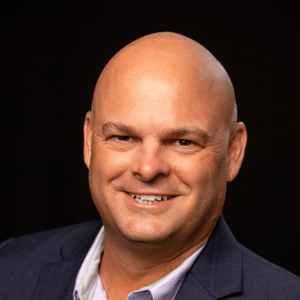
We asked Paul Tramonte, principal event designer at his self-named company, who has been producing customer events for Marriott’s Convention & Resort Network (CRN) since 2021, what he has learned from his event prof guests.

1. Iterate Constantly

We continually experiment and try different approaches. Some things don’t resonate with the attendees as much as we thought they might, and some things are even more successful than we thought they would be. We learn from those outcomes and adjust quickly from event to event.

2. Make it Personal

Read More: Lessons from Marriott’s Yes, And Event Leadership

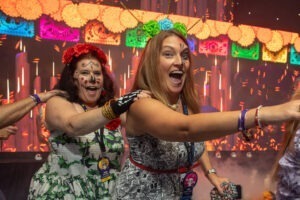
Women dancing in makeup at Marriott's CRN Meet with Momentum EventTramonte works to design large events that feel intimate. He collects information from attendees when they register for the event—dietary preferences, travel needs and what they want to hear about during the event. He uses this information as clues and opportunities to connect with them. He suggests paying special attention to F&B and dietary preferences, mobility issues, ways to be neuroinclusive regardless of how people engage and if an attendee travels with their family, taking extra special care of the entire party. Even the business panel discussion content is formed to directly answer attendees’ questions to ensure they walk away armed with the info they want.

3. Clear Communication

Tramonte is hypersensitive to proactively providing clear direction in the event agenda, “Know Before You Go” emails and the event app. They include information and tools attendees can use to make their experience even better.

Read More: Work Smart: The Art of Communication

4. Think Local

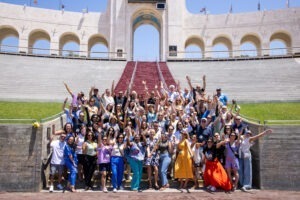
Group at Los Angeles Memorial Coliseum for Marriott's CRN Meet with MomentumTramonte positions supplier-partners for success and encourages them to pull through fresh ideas and experiences. By tapping into their local relationships, the team creates experiences that can’t simply be bought off the shelf. For example, because of the relationship local Orlando DMC partner had with Cirque du Soleil, he was able to create a first-ever behind-the-scenes look at how the show Drawn to Life is produced.

The suppliers’ special access, services and insight reflected why customers would want to work with the suppliers, how they are distinctly different from their competitors and what benefits working with these service providers could bring for the attendees’ programs.

5. We Are All Human

a Toast at Marriott's CRN Meet with Momentum event.It is not lost on Tramonte that some meeting planners may have picked up habits they might have complained about in their own attendees—not reading emails, arriving late or leaving early. That is only natural. In recent years, the rules of engagement have changed quickly. Short clips on social media, text abbreviations and AI-crafted messages have transformed how we all—planners included—consume content and stay focused. And everyone is stretched thin.

That heightened understanding has caused him to adapt how he communicates with attendees and plans agendas to keep everyone engaged and ensure messages really land.

  • Streamlined Communications: Focus on sharing only what’s essential with clear, concise copy. Know Before You Go info is embedded in emails—no attachments, just quick, scrollable updates with visuals, much like social media.
  • Schedule Flexibility: Attendees need breaks (and may leave early if not offered) so he builds in free time and cushion between sessions for checking emails, resting and addressing personal matters.
  • Shorten Sessions: General and educational sessions have been trimmed to highlight the one-of-a-kind experiences that only come with live, in-person participation. Instead of sharing content participants could easily read in an email or hear virtually, he and his team focus on delivering exclusive value face-to-face.

Hi, Managing Editor Kate Zaliznock extended the courtesy of offering me the opportunity to write this week’s Smart Travel column, and I jumped at the chance. Today is my fifteenth day serving as Smart Meetings senior editor and community concierge, and I’m genuinely excited to join such a whip-smart team. I cut my teeth writing about travel for Frommers.com, where I had the privilege to work for 13 years, first as a web producer, then as the site’s editorial director. But, enough about me. Let’s look at some news items that should intrigue any professional meeting planner.

The travel industry continues to deliver headline-worthy developments this week, from strong luxury demand to new wellness benchmarks, cruise ship debuts and theme park surprises.

Luxury Travel Defies Gravity

At Virtuoso Travel Week in Las Vegas, the luxury consortium made it clear: Its customers aren’t following mainstream travel slowdowns. According to Virtuoso’s database, the average booking window has held steady at 122 days, bucking the broader trend of last-minute travel. Sales across hotels, cruises and tours are all up double digits, with hotel bookings leading at a remarkable 25.5% year-over-year increase in the first half of 2025.

Read More: The Changing Definition of Luxury

In March 2025, there was some concern that such growth was unsustainable.

“We didn’t have any cancellations,” Brownell Travel’s Kerry Dyer said, “we just had a pause.”

This momentum extends forward, too—2026 bookings are already looking “awesome,” according Dyer. Even as overall trip lengths ticked slightly down (from 8.1 days to 7.8). Incentive travel planners would do well to heed the lessons here: luxury travel remains popular, but careful planning is required to secure those bookings.

Hotels Confront ‘Wellness-Washing’

For hotels, the bar on wellness has just been raised. The Wellness in Travel & Tourism (WITT) organization and the Wellness Tourism Association (WTA) have partnered to launch Core Wellness Standards for Hotels—a set of 12 criteria designed to help guests distinguish between marketing spin and authentic well-being. Covering healthy eating, holistic healing, nature integration, movement opportunities and local impact, the standards call for everything from inclusive meal options and restful sleep environments to meaningful ties with local culture.

Read More: Caesars Wellness Roadshow Event Resonates

“Wellness travel is no longer a niche—it’s a priority,” said Oxana Spivey of WITT. These guidelines aim to give credibility to properties that truly deliver on the promise, and they are standards that meeting profs should take to heart.

Disney Doubles Down on Attractions

Disney is constantly reinventing parts and parcels of its theme parks and properties, which makes it attractive to planners looking for something new for incentive travel. Orlando is gearing up for a blockbuster 2026, with Walt Disney World unveiling a wave of attraction updates. The biggest buzz is around Disney’s Hollywood Studios, where the long-running Rock ‘n’ Roller Coaster will be reimagined as Rock ‘n’ Roller Coaster Starring the Muppets, featuring The Electric Mayhem in a psychedelic, one-night-only concert experience.

The Magic Kingdom isn’t left out: Big Thunder Mountain Railroad will reopen with fresh special effects, including a mysterious new Rainbow Caverns sequence. At Animal Kingdom, guests won’t have to wait until 2026 for new experiences—the 4D show “Zootopia: Better Zoogether!” opens this November, complete with character greetings outside the theater. Meanwhile, Star Wars fans can look forward to a new adventure on Millennium Falcon: Smuggler’s Run, inspired by “The Mandalorian” and Grogu.

Royal Caribbean’s ‘Star of the Seas’ Shines Bright

On the high seas, Royal Caribbean is making waves with its second Icon-class ship, Star of the Seas. Though larger than its sibling Utopia of the Seas, the ship carries fewer passengers, giving guests more room to spread out. Among its standout features: seven pools, the Category 6 waterpark and the infinity-edge Hideaway Pool. Suite guests enjoy exclusive perks at The Grove, while thrill-seekers can test their courage on Crown’s Edge, a skywalk and ropes course 154 feet above the ocean with a surprise drop finale.

Dining is another highlight—the new AquaDome Market introduces fresh flavors like Cuban sandwiches at La Cocinita and pad thai at Mai Thai. Entertainment also shines, with “Back to the Future: The Musical” debuting onboard to rave reviews, alongside an inventive ice-skating production. Looking ahead, Royal Caribbean is already charting its next moves: a third Icon ship (Legend of the Seas) in 2026, a new Discovery series of smaller ships and even an entry into river cruising by 2027.

Austin Seeley

Austin Seeley headshot

Louisville Tourism is pleased to announce that Austin Seeley has transitioned to the organization’s sales team as convention sales manager. He served as destination services manager for two and a half years, providing exceptional client support and operational expertise.

In his new role, which began July 1, Seeley is responsible for working with booked convention groups and overseeing market segments including health and medical, science and engineering, cultural and education cohorts. Austin’s focus is on events that use 300 or fewer hotel rooms on peak nights, where his experience and dedication strengthen the efforts of the convention sales department.

Heidi Albertson

heidi albertson headshot

Travel Lane County is excited to welcome Heidi Albertson as convention sales manager. She brings nearly a decade of hospitality experience with the Graduate by Hilton hotel in Eugene, where she also served as director of sports travel and development from 2019 to 2020 before relocating to central Oregon.

In her new role, Albertson helps attract more meetings, conventions and events to Lane County by connecting with planners, building strong relationships and showcasing the Eugene, Cascades and Coast region as a premier gathering destination. With a passion for the area and a commitment to client success, she ensures every group feels supported.

Jorge L. Pérez

jorge perez headshot

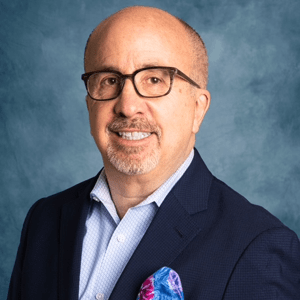
The board of directors of Discover Puerto Rico has named Jorge L. Pérez as the organization’s new CEO, effective Sept. 15. Pérez brings 15 years of experience with Legends/ASM Global, where he serves as regional general manager overseeing Puerto Rico Convention Center, Coliseo de Puerto Rico, Coca-Cola Music Hall and Antiguo Casino.

A Certified Venue Executive (CVE), he has been recognized for his leadership and success in elevating Puerto Rico’s venues to world-class status. As CEO, Pérez will guide Discover Puerto Rico’s marketing and convention strategies, driving continued tourism growth and positioning the Island globally.

Walden Agustin

walden agustin headshot

Visit Austin is pleased to announce the appointment of Walden Agustin as director of Midwest sales. Agustin brings extensive sales leadership experience, a strong record in revenue generation, and proven success in building lasting client relationships. He previously served as director of Midwest sales for the San Francisco Travel Association, where he specialized in new business development, key account management and strategic sales partnerships.

With his deep expertise in the Midwest market and ability to drive results in competitive environments, Agustin will play a key role in strengthening Visit Austin’s presence and impact in this important region.

Mark Kirsch

mark kirsch headshot

Jackson-Shaw, a national real estate developer based in North Texas, has hired Mark Kirsch as general manager for the dual-branded AC Hotel by Marriott Symphony Park and Element by Westin Symphony Park in Las Vegas. The two hotels, connected under one roof, will feature 441 guest rooms and are slated to open in September 2025.

Located at Symphony Park Avenue and South Grand Central Parkway, the development sits between the World Market Center and The Smith Center for the Performing Arts. Kirsch brings extensive hospitality experience to the role and will lead operations at this flagship downtown project.

Neil Schriever

neil schriever headshot

Providence Warwick Convention & Visitors Bureau (PWCVB) is pleased to announce that Neil Schriever has rejoined the organization as director of sales. Schriever returns to Providence after most recently serving in Boston, bringing valuable experience and industry knowledge back to the PWCVB.

In his new role, he will lead and mentor the meetings sales team, supporting efforts to attract conventions, meetings, and events to the region. Schriever’s proven leadership and deep understanding of the market will strengthen the bureau’s ability to build strong partnerships, generate business opportunities, and promote Providence and Warwick as premier destinations.

Clemalita Smith

Clemalita Smith headshot

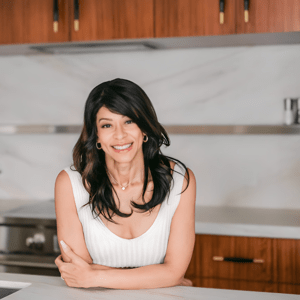
Wolfgang Puck Catering is pleased to announce the appointment of Clemalita Smith as regional director. Bringing more than 20 years of luxury hospitality expertise, she has built her career in business development, operations, strategic planning, and team mentorship while consistently delivering exceptional guest experiences.

Most recently, Smith served as vice president of the Americas and executive director of business development for Meveca, a Germany-based company. Her background also includes executive roles with iconic properties such as Shutters on the Beach, Hotel Casa del Mar, W Hollywood and W Los Angeles, showcasing her leadership, creativity and commitment to hospitality excellence.
Fernando Flores

fernando flores headshot

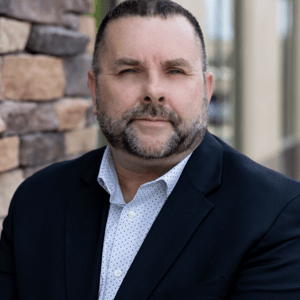
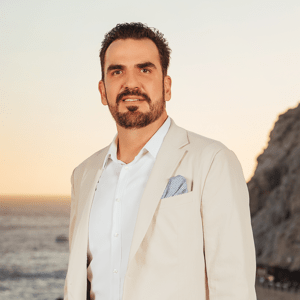
Auberge Resorts Collection has appointed Fernando Flores as general manager of Esperanza, the iconic oceanfront retreat in Los Cabos, Mexico. Flores is a respected leader in the region with more than 20 years of luxury hospitality experience and a strong record of innovation, creativity and operational excellence.

In his new role, he will oversee all operations, guiding Esperanza’s continued evolution while honoring its legacy as one of Mexico’s most celebrated resorts. Known for his hands-on leadership and “Triangle of Excellence” philosophy, Flores brings a guest-focused, team-driven approach that strengthens Esperanza’s reputation for world-class service.

Charles Harris

charles harris headshot

Visit Orlando has named Charles Harris as chief operating officer. Harris is an award-winning global operations executive with extensive experience driving transformation, business growth, and innovative sales and marketing strategies across tourism, hospitality, technology and sports management.

In his new role, he will oversee internal operations and lead the implementation of Visit Orlando’s strategic and annual business plans, ensuring alignment with the organization’s mission and vision. He will also manage digital and data strategy, human resources, finance and business affairs, IT and market research. Recognized as one of the BizBash 500, Harris is a respected industry leader.

Ariane Coldiron

ariane coldiron headshot

PRA, a leader in the business events industry, has appointed Ariane Coldiron as chief executive officer, overseeing operations across 31 service locations in North America. Coldiron brings more than 30 years of experience in the meetings, incentives, conferences and exhibitions (MICE) sector and will guide PRA into its next chapter of growth, building on the company’s long record of success.

She succeeds interim CEO Tom Kemp, who has been named chairman of the board and will support the transition. Known for her strategic vision and leadership, Coldiron is committed to advancing PRA’s impact and delivering results for clients


Jade is the newest name in the event tech AI game

Industry professionals have long asked how AI can simplify a their workload. For MCI USA, a global engagement marketing agency that creates people-centered experiences, the answer is Jade, an AI agent now equipped with voice functionality to make planning easier for organizers and attendees.

Early Development

MCI released the first version of Jade about 18 months ago, but it focused strictly on email inquiries.

“[Jade] summarizes it, makes a ticket and does a sentiment analysis so the agent receiving it doesn’t have to go back through it…” said Chris Williams, senior vice president of registration and housing for MCI USA.

Expanding Capabilities

Shortly after, Jade’s functionality moved beyond static answers and became able to help users edit aspects of their reservation and other key elements.

“Jade will go into your record in our database and [recommend] a session….It can also help exhibitors who bought a lead retrieval product from us,” Williams explained.

Chat and Voice Integration

Now, Jade allows users to engage the system directly with an active voice feature, so it feels like they are speaking to a live agent.

“With voice, we’re expanding into the association market, where members can get 24/7 service for their membership questions,” Williams said, mentioning that Jade speaks 57 languages, making the process more accessible.

Proven Time Savings

The short answer? Yes.

“We take about 150,000 inquiries a year…last month, 66% of registration and housing were being handled by Jade, and 85% of the inquiries for leads,” said Williams.

Users are getting responses in 24 seconds when using Jade.

“You can literally email and get a response back instantly,” Williams stated.

Built-In Safeguards

Like most AI products these days, Jade does not roam free with attendees’ information. MCI has created restrictions for sensitive tasks like refunds.

“We have not given it the ability to give money back….Jade would immediately say, ‘I’m unable to process that for you. I’ll escalate this to a supervisor.” Williams explained.

Gaining User Trust

For planners wary about engaging with an AI bot, Williams notes that most users speaking to Jade via email rarely notice they are talking to an AI bot.

“On the email side, they usually think they’re talking to a human….It gives better responses, speaks better English and with better punctuation,” Williams continued. There were originally a few clients [who]  were concerned about it and thought maybe it would go into a loop. It would give incorrect information. But we tell it very specifically: If you don’t see the answer in the knowledge base, don’t answer. Don’t make something up.”

Looking Ahead

In the grand scheme of things to come, MCI sees Jade as the beginning of a larger transformation. Users can focus on the more critical elements of event crafting by removing repetitive and time-consuming tasks.

By minimizing costs, increasing responses and improving language accessibility, MCI hopes to become a leader in event tech innovation.

“It’s improving service levels to everybody in the ecosystem…turnaround times are getting faster and faster. That’s the goal with everything,” Williams continued. “We are ecstatic about it….It’s leading the way. It’s really fabulous.”

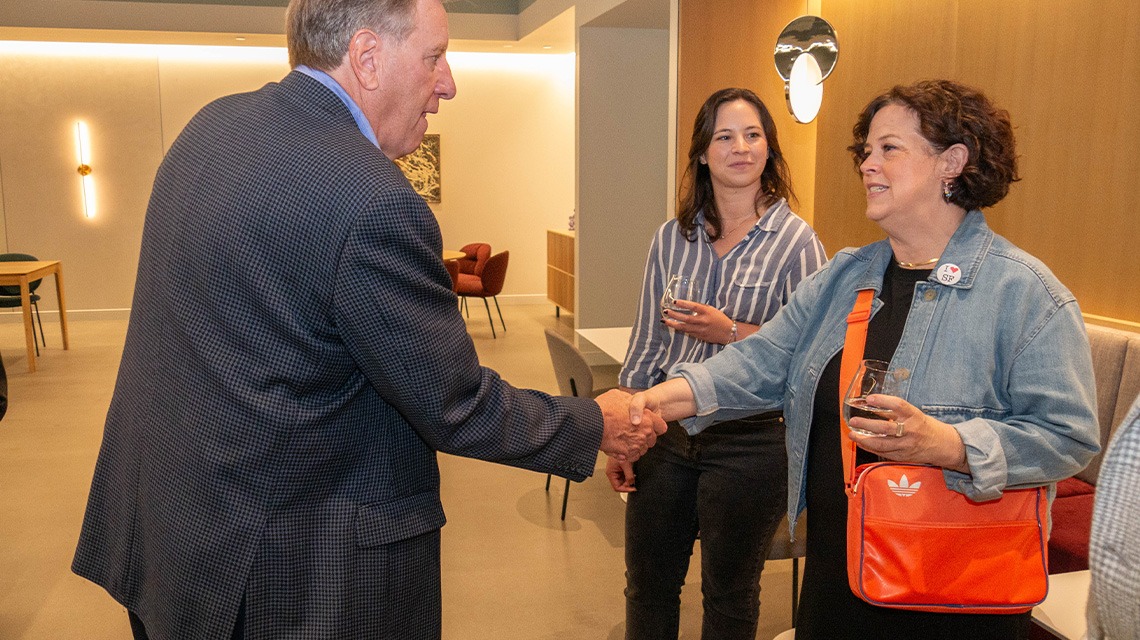
Event Bosses rule the world—with a little help from Smart Friends. At the Inaugural Event Boss Institute one-day workshop at 100 Stockton, Convene’s meeting space on Union Square in San Francisco, entrepreneurs heard directly from finance, legal and business development experts about how to grow and protect their companies and brands.

Structured for Success

Shirley Nakawatase
Shirley Nakawatase

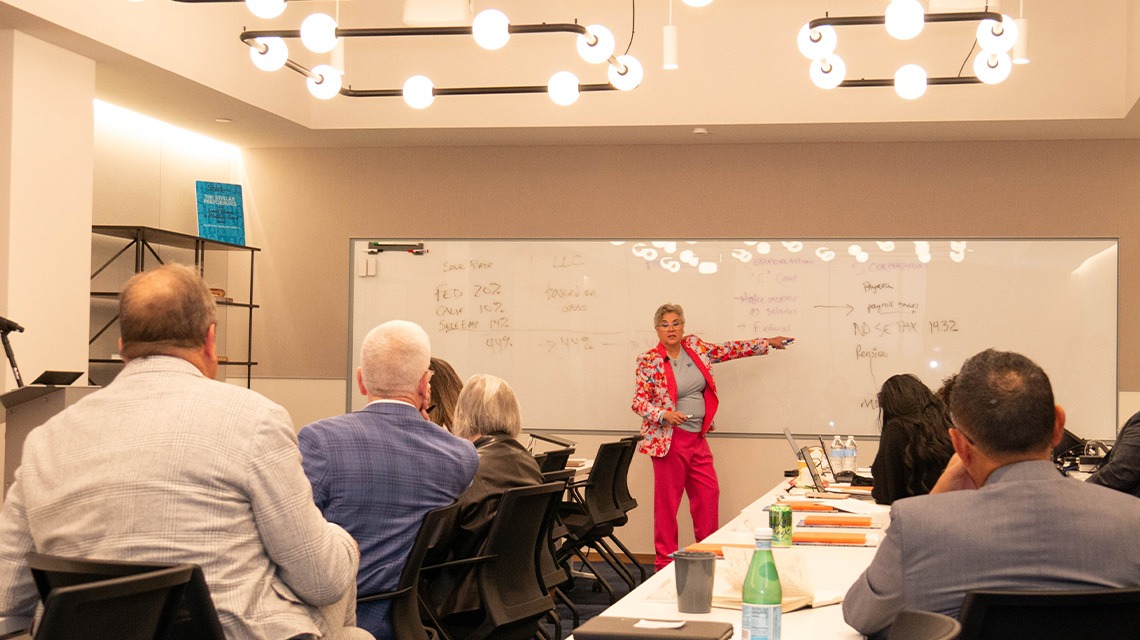
Shirley Nakawatase, founding partner of San Diego-based HNK CPAs, boiled down the profit equation quickly. “As a meeting concierge, you put all the pieces together and create value. Your goal is not to pay the least amount of tax, but to keep the most money in your pocket for the hard work you do,” she said.

1. The first step toward the end-game of freeing up time and money to do what you want to do is to structure the business to reduce liability, taxation and complexity.

For example, moving from a sole proprietorship or partnership (possibly the most fraught with danger) to a Limited Liability Company (LLC) offers legal protection similar to a corporation without the requirement for a board of directors or shareholder meetings. Filing it as an S Corp would alleviate double taxation.

2. To determine the health of your growing business, the most important parts of a financial statement are the measurement of cash flows and the balance sheet. A two-year comparison of the balance sheet, starting with profit and loss will give you a picture of exactly what is going on in your company.

That is much more important than net income because it isn’t subject to the hocus-pocus of unrealized income, deferred revenue, unpaid expenses, depreciation, amortization and other factors that aren’t real cash. The balance sheet is the most important indicator of financial health as it is a snapshot of assets and liabilities. Spoiler alert: If liabilities are magnitudes larger than assets, it may be time to dig deeper to determine the causes.

3. One of the most important business moves is to build a banking relationship, preferably with a small local business bank that is not a credit union. Small banks treat customers like royalty and can quickly secure loans when they are needed most.

Build a Healthy Funnel

Gary Hernbroth shaking hands
Gary Hernbroth

Gary Hernbroth is founder and chief motivating officer of Training for Winners and author of the book, “Twist the Familiar.” He helps clients build sustainable businesses based on trust. Here’s where to start.

1. Start by defining the ideal client. A clear understanding of your client profile will ease the acquisition and retention of the right customers. When it is the wrong client, saying, “no,” is the most lucrative decision because it frees time for the right client.

2. Take stock of the brand. What are the strengths? What could be better? Where is it the most brittle? Where are the gaps and the pain points? What will it take to fill those gaps? What are the competitive advantages?

3. Be easy to do business with. Be responsive, timely and prepared with critical thinking. That is the road to being a trusted advisor.

Get It in Writing

Katy M. Young
Katy M. Young

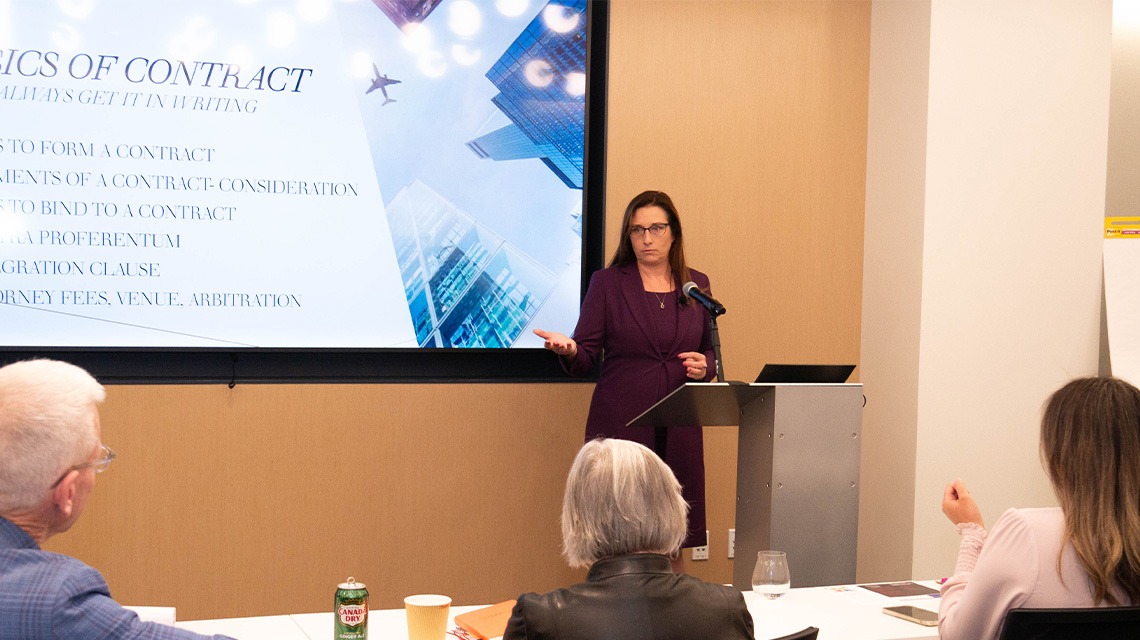
Katy M. Young, founder of Ad Astra Law Group, PC., shared tips on the art of fine print. “The whole world runs on contracts—oral contracts, written contracts, texts, emails, any conversation or performance is a type of binding contract. Her suggestions were straightforward.

Read More: Event Contracts: What to Watch in 2025

  1. “Always get it in writing.” She added that the most fraught conflicts are between loved and trusted family and friends. Always keeps a legal arm’s length in dealings with these people.
  2. Have an attorney look at the contract. Yes, it’s expensive to hire an attorney to write your contract but it’s way more expensive to not have an attorney look at it.
  3. Take the word “partnership” out of your agreements unless you plan to create a general partnership business with that person. The word has legal meaning that can be a big problem later.

Her final bit of wisdom: “How it starts is how it goes. If there’s any trouble at the beginning, it’s going to fester and grow and get way worse, and that’s how you lose your business and end up having to hire someone like me. Please don’t have to hire me.”

Six game-changing openings and transformations set a new global standard for luxury travel, events and unforgettable guest experiences

From Europe’s glittering Mediterranean coast to the Caribbean’s most exclusive shores, from the cultural heart of Washington, D.C., to Virginia’s storied wine country, a new wave of hotel openings and transformations is reshaping the global hospitality landscape. These properties—each distinct in design, spirit and setting—share a common commitment to creating unforgettable experiences for today’s discerning traveler.

Whether it’s a neon-lit runway arrival in Barcelona, the soulful rhythms of the Dominican Republic or the playful energy of Denver’s most creative meetings hotel, these destinations are more than just places to stay. They are cultural touchpoints, culinary playgrounds and gathering spaces where business, leisure and celebration converge. Together, they showcase how the world’s leading hospitality brands and boutique visionaries are raising the bar for service, design and storytelling—proving that in 2025, travel is not simply about where you go, but how deeply the experience stays with you after you’ve gone.

SLS Barcelona

SLS Barcelona exterior

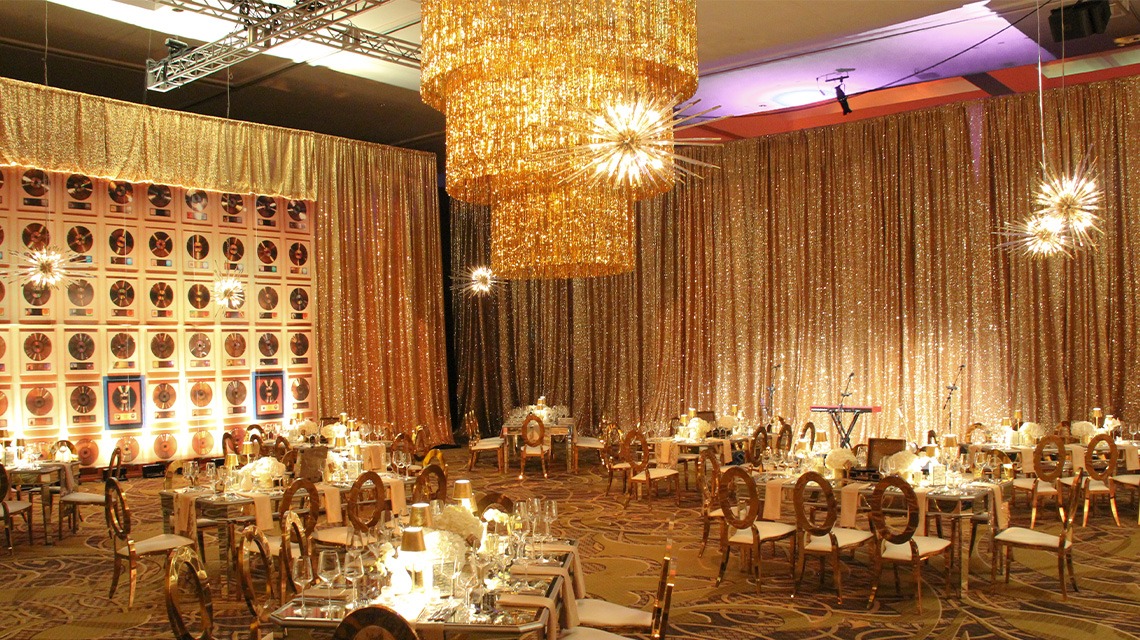
SLS Hotels & Residences proudly announces the opening of SLS Barcelona, a bold new accommodation on the city’s waterfront at Port Fòrum. From its dazzling pink-neon runway entrance to sweeping Mediterranean views, the 471-room urban resort blends lavish design, culinary artistry and unforgettable experiences. Guests can indulge in six restaurants and bars, three pools and striking event venues. Highlights include the 770-square-meter (8,288-square-foot) Gala Ballroom, hosting up to 600 guests, plus eight additional rooms and two foyers adorned with golden chandeliers, witty artwork and luxe finishes.

St. Regis Cap Cana Resort

St Regis Cape Cana lobby
Lobby – Grand Hall

Marriott International introduces The St. Regis Cap Cana Resort, the brand’s Dominican Republic debut. Nestled in Cap Cana’s exclusive enclave, the property offers 200 guest rooms, 36 suites with private plunge pools and a 6,500-square-foot Presidential Suite, all with sweeping ocean views. Four pools, nine dining venues—including Chef Diego Muñoz’s Nina Restaurant—and signature St. Regis service define the experience. With 7,000 sq. ft. of event space, including the Hibiscus Terrace, the resort blends timeless luxury with the soul of the Caribbean.

Hotel Nell

Hotel Nell exteriorCharlestowne Hotels expands its portfolio with Hotel Nell, a 106-room lifestyle property in Washington, D.C.’s Union Market district. Set in the historic Bolgiano Seed Factory, the hotel reflects the neighborhood’s eclectic energy with modern design and authentic flair.

Ten thousand square feet of event space, including a rooftop with panoramic city views, make it ideal for corporate and social gatherings. Dining includes Treehouse, the rooftop bar with Mexican-inspired bites; Bolgiano’s Pantry for fresh, health-conscious fare; and an upcoming late-night concept designed to energize D.C.’s dining scene.


Sofitel New York

Luxury King guest room at Sofitel New York
Luxury King guest room, Sofitel New York

Sofitel New York, the brand’s U.S. flagship, is set to unveil a bold new chapter with an upcoming full-scale renovation. Located in Midtown’s Theater District, the hotel blends Broadway glamour with timeless French sophistication and serves as the Official Hotel of the Tony Awards. Guests enjoy a one-of-a-kind experience in the heart of Manhattan, where the property continues to set the stage for elegant stays in one of the city’s most dynamic neighborhoods.


Curtis Hotel

The Curtis Hotel meeting room
Marco Polo Ballroom, The Curtis Hotel

Steps from Colorado Convention Center, The Curtis Hotel offers 28,000 sq. ft. of flexible, personality-packed meeting space. Known for infusing fun into business, the hotel features pop-culture–themed breakout rooms, chef-curated menus from The Corner Office and a lively, creative energy throughout. Pairing serious business with serious personality, The Curtis delivers meeting experiences that are as engaging and memorable as they are productive in the heart of downtown Denver.


Hotel Burg

Hotel Burg guest room
Sugar Maple Suite, Hotel Burg

In Virginia’s wine and hunt country, Hotel Burg brings boutique charm and timeless design to storied King Street. The 39-room retreat, including eight suites, evokes the warmth of a well-traveled friend’s estate with vintage rugs, velvet drapery, curated libraries and artisanal Kohler x Studio McGee fixtures. Suites feature spa-inspired baths, clawfoot tubs, patios and fireplaces. For gatherings, the hotel offers spaces for groups up to 100, complemented by The Manor 1858, a 22-acre estate with a restored stone barn and meadows, perfect for weddings and milestone events.

Your Brain Deserves Better Events

Hold up your hands and make two fists. Put them together. That’s the approximate size of your attendees’ brains, and within that compact space, approximately 86 billion neurons are constantly firing, controlling everything from physical movements to memory formation to emotional responses. Yet most meetings and events are designed as if we’re planning for passive observers, not for these incredibly sophisticated biological systems.

The meetings and events industry has reached a tipping point. Generic conference formats, endless PowerPoint presentations, and one-size-fits-all approaches no longer cut it. Today’s attendees expect experiences that genuinely engage their minds, not just occupy their time. The solution lies in understanding how the brain actually works and designing meetings and events that harness its natural patterns rather than fighting against them.

The Attention Challenge: Working with Neural Rhythms

Understanding attention starts with recognizing its biological patterns. Research suggests that after 10-15 minutes of continuous input, attention networks can begin to tire as key neurotransmitters get depleted and firing rates drop. Individual attention spans do vary significantly based on engagement, content, and personal factors, but this biological pattern affects everyone. This is when you see the wandering eyes and phone checking. Your message gets lost in the mental fog.

Read More: Healthy You: The Memory Games

The biology reveals something powerful: when something novel appears, your brain lights up like a spotlight. A small cluster of neurons in your brainstem fires chemicals across your cortex, increasing that signal-to-noise ratio and making every sight, sound, and sensation more vivid. This gives us a roadmap for maintaining and increasing engagement.

To maintain engagement, build pattern interrupts into your meeting or event agenda at strategic moments. At the seven-minute mark of a keynote, drop in a 30-second live poll. During a site tour, have your guide announce an “unplanned” secret exhibit. Between tournament matches, start a crowd cheer challenge. These unexpected changes trigger dopamine release, reengaging focus and energy exactly when your audience needs it most. The key is timing these interrupts before attention naturally wanes.

Memory Formation: From Moments to Lasting Impact

Once you’ve captured attention, the next challenge is making your content stick. Your brain stores and recalls moments that matter through the hippocampus, which encodes new information and binds separate details into unified memories. But here’s the sobering reality: we lose 70% of what we learn within 24 hours if nothing brings it back to mind.

This biological fact makes retrieval cues essential to meeting and event design. Just like finding an old concert ticket stub can instantly transport you back to that concert, strategic cues help attendees recall and apply what they’ve learned long after your meeting or event ends. The most effective cues engage multiple pathways to the same memory, creating redundant access points.

Consider pairing key takeaways with unique retrieval cues. Give conference attendees cards to stamp at landmark exhibits. Create QR codes that unlock AR overlays showcasing your product’s top three features. Send a five-question micro-quiz 24 hours post-meeting, with top scorers earning spotlight recognition. The goal is to transform fleeting moments into lasting memories by giving the brain multiple ways to access the same information.

Multisensory Design: Amplifying Experience Through Biology

Creating those lasting memories becomes even more powerful when you understand how our senses work together. Most meetings and events default to just two senses: sight and sound. We’re watching presentations, hearing speakers, and that’s it. But when you combine multiple senses, memories stick dramatically better. Research shows smell is particularly powerful for memory formation, yet few meetings and events leverage this tool.

The neuroscience is compelling. The amygdala, a key brain structure for emotional processing, activates during impactful multisensory experiences. When you layer in even one additional sense, you tap into multiple brain circuits simultaneously, creating richer, more durable memories.

Read More: Blueprints for Belonging: Designing Events with Purpose, Emotion and Impact

Consider a simple mocktail station: attendees aren’t just tasting the drink. They’re seeing the beautiful presentation, hearing ice cubes splash, smelling fresh lemon and mint, feeling the cold glass. All five senses create a much stronger, more vivid memory than taste alone. This principle scales from intimate networking receptions to large-scale conferences.

For galas, diffuse a signature fragrance during the welcome toast paired with ambient music. Move workshop sessions outdoors for fresh air and natural sounds. Incorporate breathing exercises with light lavender mist and soft chimes. Be mindful of sensory sensitivities and overstimulation, but don’t be afraid to engage more than just eyes and ears.

Psychological Safety: The Foundation for Engagement

All of these techniques work best when attendees feel psychologically safe. When your brain detects threats, whether physical or social, the amygdala triggers a stress response that floods your system with cortisol, impairing prefrontal reasoning and creative thought. In meeting and event contexts, this happens when attendees feel uncertain about expectations, worried about judgment, or unclear about their role.

The neurochemical shift that occurs with psychological safety is remarkable. When people feel safe, amygdala activity dampens and triggers oxytocin release. This hormone, often called the “trust hormone,” brings out happiness, creativity, and energy while freeing up executive brain networks for exploration and innovation. This creates the optimal state for learning and connection.

Building this foundation requires intentional design. Start sessions with clear norms: “All contributions are welcome, there are no wrong answers.” Use anonymous input tools like digital whiteboards so people can share ideas without spotlight anxiety. Model vulnerability by sharing your own stories and mistakes. For team meetings, co-create safety charters where every participant writes one rule they value.

Smart Technology Integration

Technology can amplify all these neural principles when used thoughtfully. AI matchmaking can facilitate the social bonds that trigger oxytocin. Sentiment analysis can measure facial expressions in real-time, telling you exactly how people are responding to your content. AR overlays can create the novel experiences that capture attention while providing multisensory memory cues.

But the most effective engagement tools are often elegantly simple. Sometimes a carefully chosen tactile element or unexpected sensory experience creates more lasting impact than the latest tech innovation. Choose technology because it genuinely enhances these biological processes, not just because it’s available. The goal is always amplifying human connection and learning, not replacing it.

Your Brain-Friendly Action Plan

The neuroscience is clear: our brains are wired for novelty, connection, safety and multisensory experiences. Your next meeting or event should honor this biology, not fight against it.

Start with small, strategic changes. Insert one pattern interrupt into your next agenda at the 10-minute mark. Pair a key message with a retrieval cue that attendees can take with them. Create one psychological safety norm with your team that explicitly welcomes contribution. These aren’t just nice- to-have engagement tactics; they’re evidence-based strategies that work with how your attendees’ brains actually function.

Because ultimately, your brain deserves better events. And so do your attendees.

Lisa Schulteis headshotLisa Schulteis is the founder of ElectraLime Marketing and executive director of the Northwest Event Show. With over 15 years in the events industry, she blends a background in neuropsychology with deep expertise in event strategy to create impactful, brain-friendly experiences.

Her work has been recognized with the 2025 Smart Speaker Award and Smart Women in Meetings Award from Smart Meetings. She has partnered with Fortune 500 companies and leading associations and organizations, and is a sought-after international speaker. Connect with her on LinkedIn or visit electralime.com and lisaschulteis.com to explore workshops and speaking opportunities.