New American Express survey data reveals that major events, emerging destinations and smarter travel infrastructure are reshaping client relationship-building
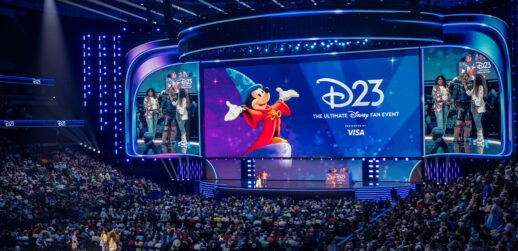
Business travel is starting to look different as companies reach beyond traditional meetings and client dinners to create stronger business connections. According to the latest Amex Trendex: Business Travel Edition survey, 93% of business travelers anticipate attending major events—sporting events, concerts, festivals, cultural events and beyond—while traveling for business in 2026.
The goal isn’t only entertainment, as these experiences are increasingly being leveraged as helpful backdrops to build relationships and differentiate companies from competitors, whether that means taking clients to a Taylor Swift concert, a high-energy basketball game or a vibrant cultural celebration.
Turning Events Into Business Opportunities
Eighty-five percent of surveyed business travelers and decision-makers agree that bringing clients or prospects to a major event can be more effective for building relationships than traditional business activities. Eighty-two percent also say they are more likely to win new business after hosting a client or prospect at a major event.
That makes destinations with major event infrastructure particularly compelling for corporate groups. Properties that can serve as a comfortable home base before and after an event—or extend the experience with private dining, hospitality spaces and group programming—have an opportunity to become part of the business development strategy rather than simply providing accommodations.
Fort Lauderdale Builds Around the Event
While the survey references up-and-coming United States destinations such as St. Louis, Missouri; Providence, Rhode Island; Tempe, Arizona; and Reno, Nevada; Fort Lauderdale in sunny Florida is already primed to handle its growing popularity in the business travel sphere. The destination completed its Broward County Convention Center expansion and renovation in late 2025 and is set to host more than 80 conventions and 90,000 attendees throughout 2026.
Read More: Convention Centers of the Future
The destination’s newest hotel infrastructure reinforces that growth. The 801-room Omni Fort Lauderdale Hotel opened as the headquarters hotel for the expanded convention center, with more than 120,000 sq. ft. of meeting space. The property is directly tied to the convention district, creating an integrated environment for large-scale meetings and events.
Emerging Destinations and New Meeting Inventory
The American Express data also points to international destinations where corporate growth is creating demand for new hospitality infrastructure.
In Adelaide, Australia, American Express cites growing corporate travel spending, commercial development, and a booming meeting and convention sector. There are 15 hotels in various stages of development across the Adelaide area, including the planned 251-room Hilton Adelaide East End. The property is slated to include meeting space, wellness amenities and multiple food-and-beverage venues as part of a larger mixed-use development.
Read More: Notes From the Road: Sydney, Australia
Hyderabad, India, is a technology and life sciences hub that is expanding its airports and continues to support increased business travel. Hilton’s planned Hilton Garden Inn Hyderabad Kompally will add 96 rooms and more than 10,000 st. ft. of meeting space when it opens in 2028.
In Manchester, England, the rise of the technology and AI sectors is occurring alongside new hotel inventory. The 358-room Aloft Manchester City Centre opened in June 2026 near Manchester Central Convention Complex and the city’s major commercial districts, providing an appealing new option for groups traveling into a market Amex identifies as increasingly important for corporate travel.
Less Friction, More Focus
The report’s findings also highlight an opportunity that extends beyond destination selections—simplifying the mechanics of business travel.
Business travelers report using an average of three tools per trip for booking, payments and expense submissions. Finance teams spend an average of 15 hours each month manually updating, reviewing or correcting travel-related data, while 49% of travelers spend at least an hour per trip on manual tasks.
That friction doesn’t mesh well with today’s traveler expectations. Seventy-five percent of business travelers view mobile travel tools as an expectation rather than a bonus, and 87% say having everything in one place on their phone makes them feel more in control and less stressed while traveling.
Read More: Cruising Into an AI-Plus Event Future
Reported use of AI tools nearly doubled year over year, from 18% to 32%. More than eight in 10 travelers and decision-makers share that they would be comfortable allowing AI agents to manage travel-and-expense processes, although 90% of decision-makers say the ability to review, approve, or modify an agent’s recommendations before action is essential. Attendees and organizations increasingly expect the business travel experience to be connected, mobile and easy to manage.