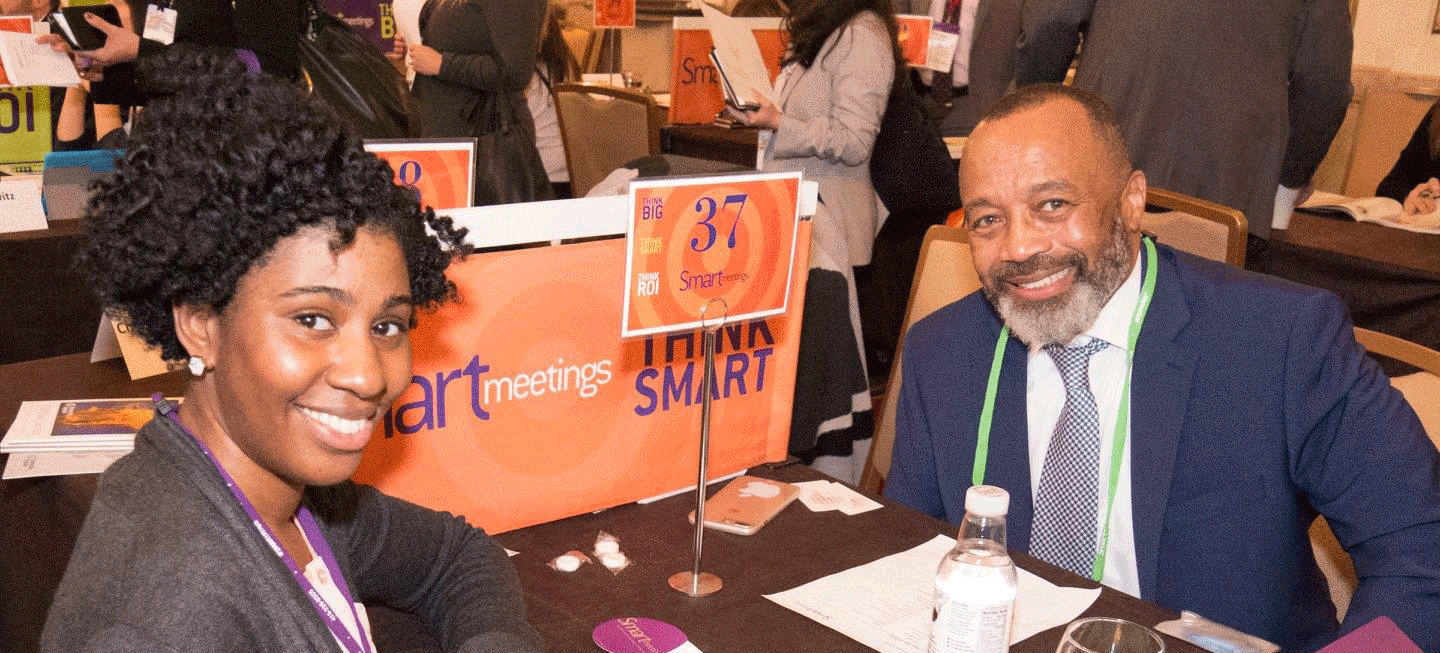
What makes one meeting truly stand out from others? It’s not necessarily how much money was spent but how many positively memorable experiences the attendees recall.
Many conferences involve a theme, reinforced through a logo, events and speakers to create an overall feel and value throughout the convention. Why not further reinforce your meeting content and mood by enveloping attendees in planned sequences of memorable moments that involve sensory combinations of smells, tastes, sounds, sights and even touchable experiences?
Few meetings can or should be able to compete with the sizzle of a modern amusement park or an action movie, but meeting planners and hotel and other site managers can multiply the number of positive exposures attendees experience and thus increase the possibility that those attendees will rave about their meeting.
“Sensory Exposures Audit”
To make the most of the event, conduct a “Sensory Exposures Audit” of all the images to which your attendees will be exposed, from the premeeting mailings and other contacts, through the meeting itself and post-meeting reinforcements. Just as political campaigns have advance agents who walk through every step of an event ahead of time to consider all that might go right or wrong (from slippery steps to photo-opportunity backdrops), you can mentally visualize each vignette attendees might experience.
Ask hotel and convention center staff for photos of the actual colors and patterns most frequently used in their sleeping, eating, meeting and gathering spaces, and take notes on the combinations during your site visit, so your theme colors and images are compatible and even complementary. Also ask where you’re going to find the most conflicting and comforting background sounds from piped-in music, other meetings, mechanical operations, catering procedures, or beyond-the-facility noises.
Other elements to take note of are: Where do the smells go from the cooking and catering areas? Are the walkways carpeted? Is the carpet plush or thin? Is the facility signage large and easy to understand? What do the chairs feel like? Are there many comfortable places to relax and converse between organized activities? Is there much access to natural light (to elevate attendees' moods)? In short, consider the impact on all the senses.
Storyboard the Experience
Borrow a storyboarding trick from TV advertisement creators. Write out the meeting story as a three-part series of sequences or exposures attendees will experience: pre-meeting, meeting and post-meeting. For each exposure that the attendee will experience, write a brief description of the exposure in chronological sequence, as the attendee is most likely to experience it, on pages of paper in one of three columns: positive, negative, and neutral (exposures). Describe how the exposure is most likely to be experienced. For example:
- Positive: Candid photos taken as they enter the opening-night mixer, placed in pressed-board white frames inscribed with the meeting theme and hung on fishline strings in the buffet breakfast room the next day for their take-away souvenir.
- Negative: Long treks between meeting rooms.
- Neutral: Conventionally decorated hotel rooms.
Then write out what the potential attendee will see, hear, smell, taste, and/or touch. How many of the senses can you include in each exposure to make it more positively memorable?
Try creating more low-tech sensory experiences, such as increasing the number of times an attendee is greeted by name or a handshake.
Studies conducted in 1996 and 2002 show two groups experiencing the same public event, with the only difference being that people in one group were safely touched (for example, shaking hands, a touch on the top of the hand) just twice in a three-hour period. The so-called touched group described the people sponsoring the event as more intelligent, caring and good-looking than did the other group.
Try higher-tech sensory moments, such as scenting a general session in keeping with the speaker and convention theme, gradually changing the scent three times, from lemon to lime to suntan lotion during the course of the 40-minute, midwinter, prelunch keynote speech. Technology does now make it possible to scent to refresh, relax or renew without allergic reactions.
You'll begin to see your meeting as a theatrical production, considering the attendees' every waking moment. You’ll find ways to move more of the exposures to the positive side, often not through more costs but through changes in planning.
Inflame Their Imaginations
For a negative exposure such as a long, boring walk between meeting rooms, you could "Burma Shave" the build-up of interest and excitement in the trek with a sequence of messages on stands or on the walls, like the old highway signs of rhyming phrases car passengers read on long stretches of road. The messages could build suspense toward the identity of award recipients, an entertainment event with a surprise guest, a contest they can win with the right answer for a vendor or a trivia contest that encourages attendees and exhibitors to talk.
Prior to the meeting you might send a Burma Shave series of postcards (with increasing frequency as the event approaches) offering more reasons to attend and to sign up early. For example, the first postcards for a midwinter meeting in a sunny locale might have images of blue water and yellow sun, messages to come prepared for warm sun and sizzling topics, and scented with coconut suntan lotion. Send companion messages via e-mail, directing attendees to your website for a convention preview and contest.
Coddle Attendees Upon Arrival
Consider having a team of people greet arrivals at the hotel door(s), perhaps in costume and certainly giving them a welcome gift. Make the gift fun to see, touch, and taste. Have a second gift waiting for them in their room, perhaps a contest announcement. The more cared-for attendees feel up front, the more they will perceive subsequent meeting experiences in a positive light, want to participate and forgive later mishaps.
Send Home Meeting Memories
A week later, send gifts provided by some exhibitors, along with their product offers and your message, thanking attendees and reminding them of the calls for action on their part. Few meetings include immediate follow-up to attendees. Stand out in their senses and their minds, so they'll step forward for your next meeting.
Co-founder of the Say It Better Center, Kare Anderson is an Emmy-winning former TV commentator and Wall Street Journal reporter. She is also publisher of the Say It Better E-Zine.